
Tools
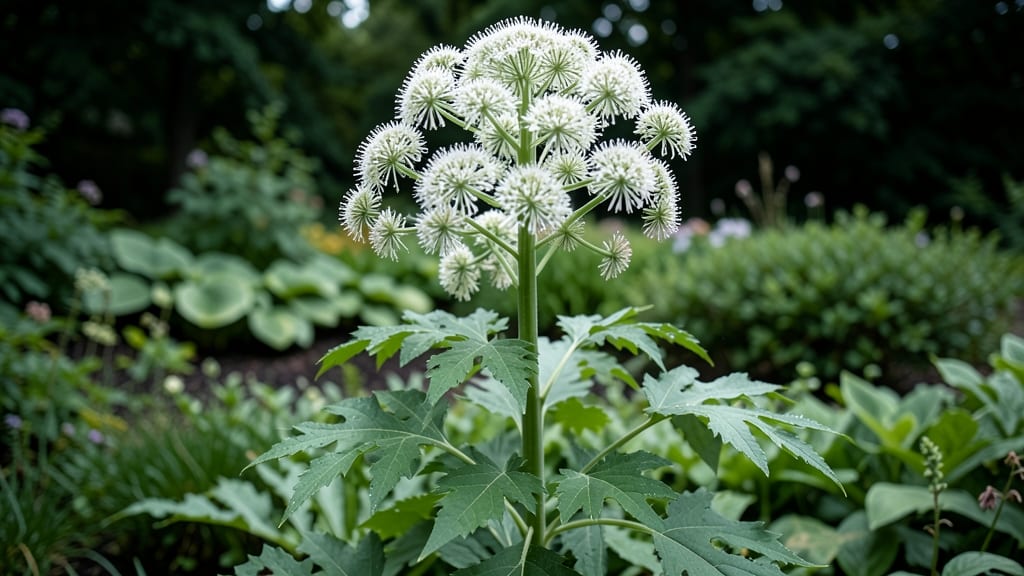
Struggling to keep plants alive in shady spots? These 10 shade-tolerant perennials thrive where others fail, multiplying yearly with minimal care—perfect for under trees, north-facing gardens, or wooded areas.
Hostas with Blue-Green Variegated Leaves
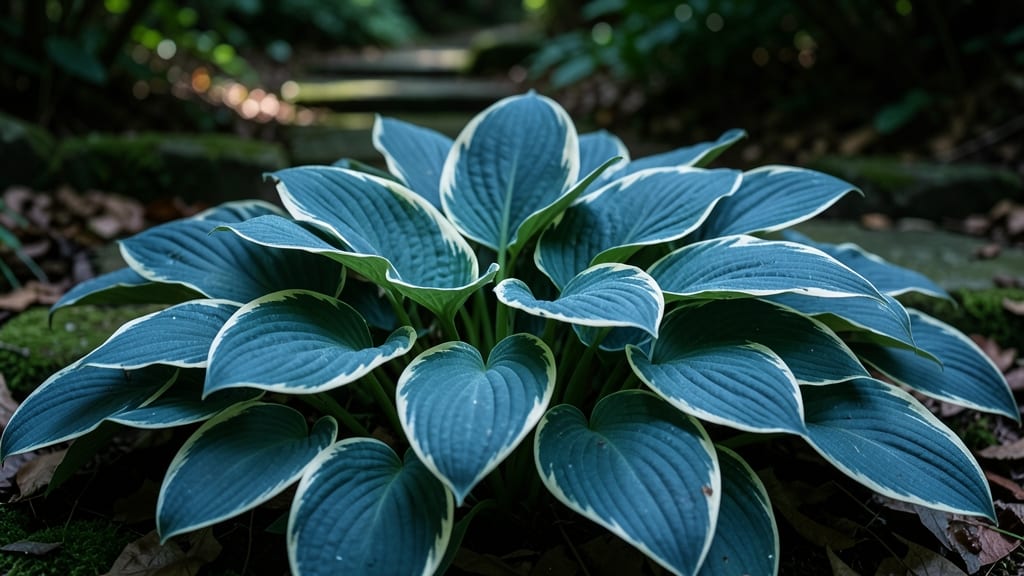
If you’re tired of struggling with plants that wilt in shady corners, hostas with blue-green variegated leaves are your perfect solution. These hardy perennials thrive in deep shade where most plants refuse to grow, offering bold, eye-catching foliage with minimal effort.
Varieties like ‘Halcyon’ (with striking blue-green centers and white edges) or ‘Francee’ (a compact, slow-spreading option) spread naturally over time, creating lush ground cover. They’re also deer-resistant, making them ideal for rural or wooded gardens where pests are a concern. Simply plant in well-draining soil, water occasionally, and watch them flourish with almost no maintenance.
Beginners will love how forgiving hostas are—they tolerate poor soil, drought once established, and even urban shade from buildings or trees. Plant them along borders, under shrubs, or in containers for a pop of color that lasts all season. 💚
Bleeding Heart Flowers in Soft Pink
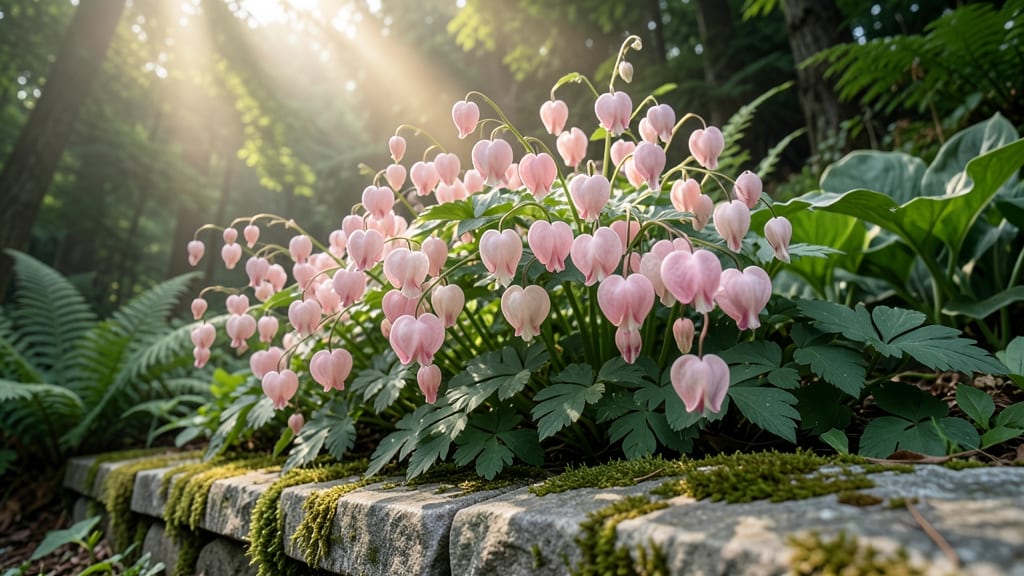
Transform your shady garden into a dreamy retreat with bleeding heart flowers (Dicentra spectabilis), whose soft pink, heart-shaped blooms cascade like lace over borders. This reblooming perennial thrives in partial to full shade, making it ideal for woodland gardens or understory plantings where sunlight is scarce.
Plant in well-draining, moist soil enriched with organic matter for the best results. While it prefers shade, it will tolerate 2-4 hours of morning sun—just avoid harsh afternoon rays. Deadhead spent blooms in early summer to encourage a second flush of flowers in late summer or fall. These low-maintenance beauties spread slowly via rhizomes, creating lush, romantic drifts over time.
Perfect for cottage gardeners or those seeking a touch of whimsy, bleeding hearts pair beautifully with ferns and hostas. Their late-spring blooms provide a stunning contrast to early greenery. 🌷
Japanese Painted Fern with Silvery Fronds
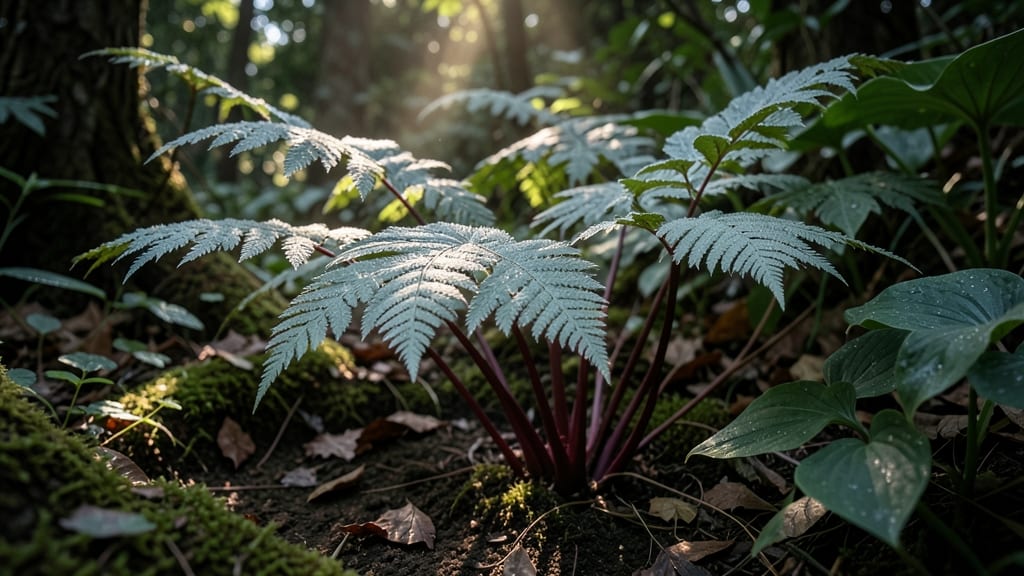
When your garden’s darkest corners seem impossible to brighten, Japanese painted fern steps in as the unsung hero of shade gardening. Its silvery fronds and burgundy stems create striking texture, making it perfect for spots where sun-starved plants struggle to thrive.
This moisture-loving perennial thrives in deep shade, even under dense tree canopies, and its delicate fronds add architectural interest without requiring full sun. Plant it in containers for patios or tuck it into woodland gardens—its silvery foliage contrasts beautifully with dark soil and evergreen shrubs. Water consistently to keep soil damp but well-drained, and watch it spread slowly to fill gaps.
Urban gardeners and woodland enthusiasts will love how this fern transforms dull spaces into lush, textured focal points. 🌿
Coral Bells with Purple Foliage
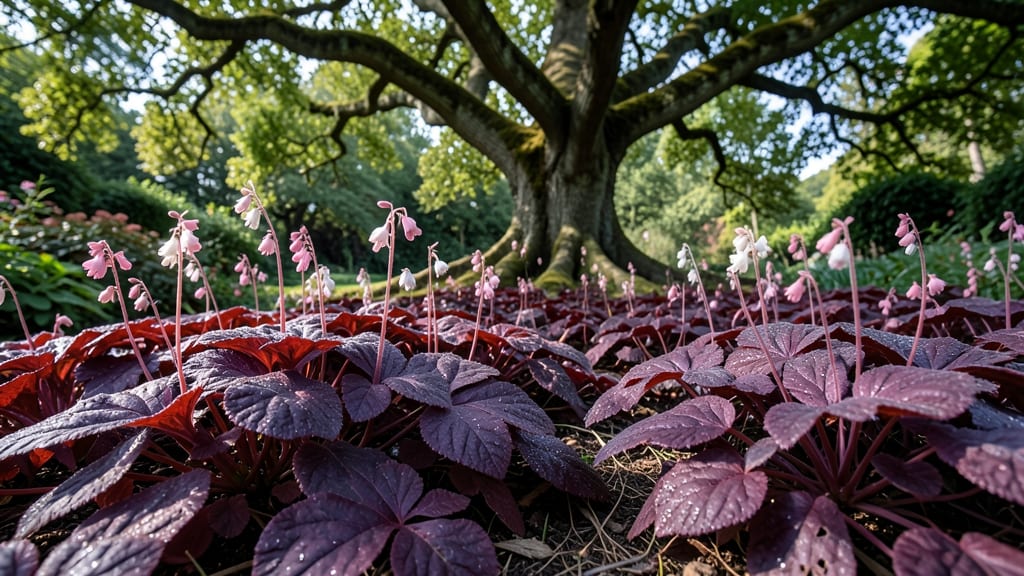
Tired of patchy grass under trees? Coral bells with purple foliage (Heuchera spp.) are the secret weapon for transforming those shady, dry spots into lush, living carpets. Their deep burgundy or violet leaves provide year-round color, while delicate flower spikes in spring and summer add height and texture.
Once established, these drought-tolerant perennials thrive with minimal watering, making them ideal for partial shade to full sun conditions. Plant them in well-draining soil with a 2-3 inch layer of mulch to retain moisture and suppress weeds. Varieties like 'Plum Pudding' or 'Palace Purple' offer striking foliage that contrasts beautifully with green moss or ferns.
Perfect for urban gardeners or anyone with challenging under-tree spaces, coral bells require almost no maintenance once planted. Their slow-spreading habit creates a dense ground cover that chokes out weeds naturally. 🌻
Lungwort with Spotted Leaves and Blue Flowers
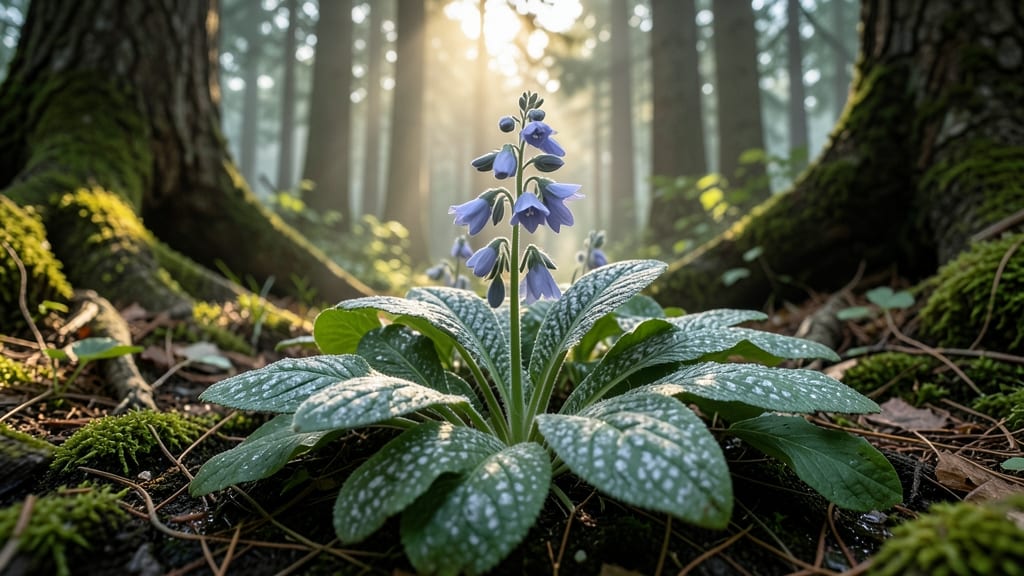
Step into a garden where history and nature intertwine—lungwort (Pulmonaria) brings centuries of medicinal tradition to your shady spots with its silver-spotted leaves and delicate blue flowers. This hardy perennial thrives where others falter, making it a standout for woodland gardens, stream banks, or understory plantings.
Native to Europe and Asia, lungwort was historically used to treat lung ailments (hence its name), but today it’s prized for its pollinator-friendly blooms and striking foliage. Plant it in moist, well-draining soil with partial to full shade, and watch it spread gently over time. The spotted leaves fade to solid green as spring progresses, while early blooms feed bees and butterflies before most gardens wake up.
Perfect for gardeners who love low-maintenance perennials with a touch of wild charm, lungwort adds texture and color to damp, shady corners without demanding attention. 🌿
Astilbe with Feathery Pink Plumes
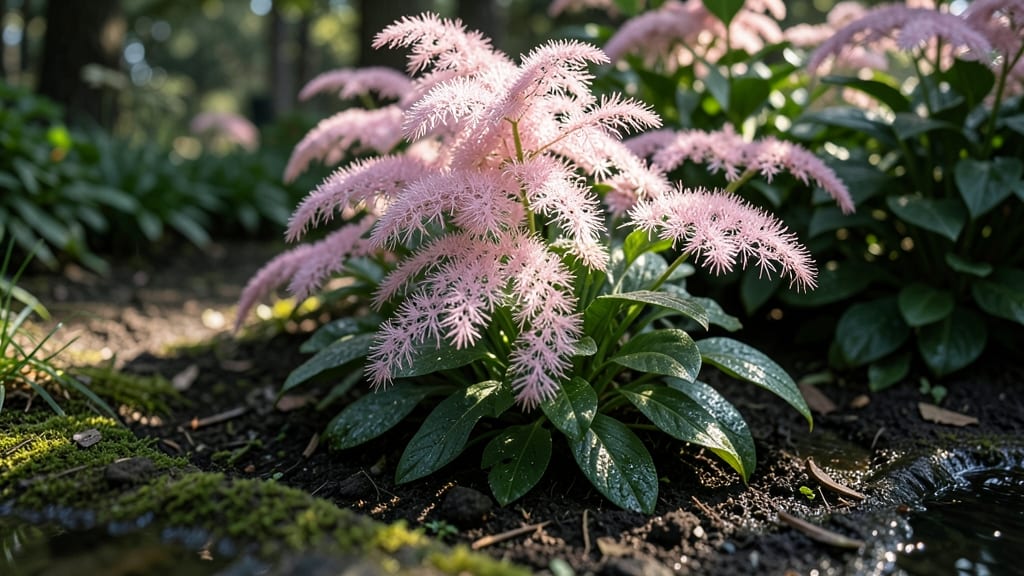
Want to add drama to your shady garden without sacrificing sunlight? Astilbe with its feathery pink plumes brings vertical flair to borders where other perennials fade away. This moisture-loving beauty thrives in damp soil—making it perfect for rain gardens, pond edges, or any spot where water collects.
Plant Astilbe in partial to full shade and keep the soil consistently moist (but not soggy) for the best results. Varieties like 'Fanal' or 'Deutschland' offer stunning pink, white, or red plumes that bloom from early to mid-summer, attracting butterflies and adding height to your garden. Cut back stems in fall to encourage fresh growth next season.
Ideal for gardeners with moist, shady spots that need a pop of color, Astilbe pairs beautifully with hostas, ferns, and other shade-loving perennials. Its airy plumes create movement and texture where other plants struggle. ✨
Solomon’s Seal with Arching Stems
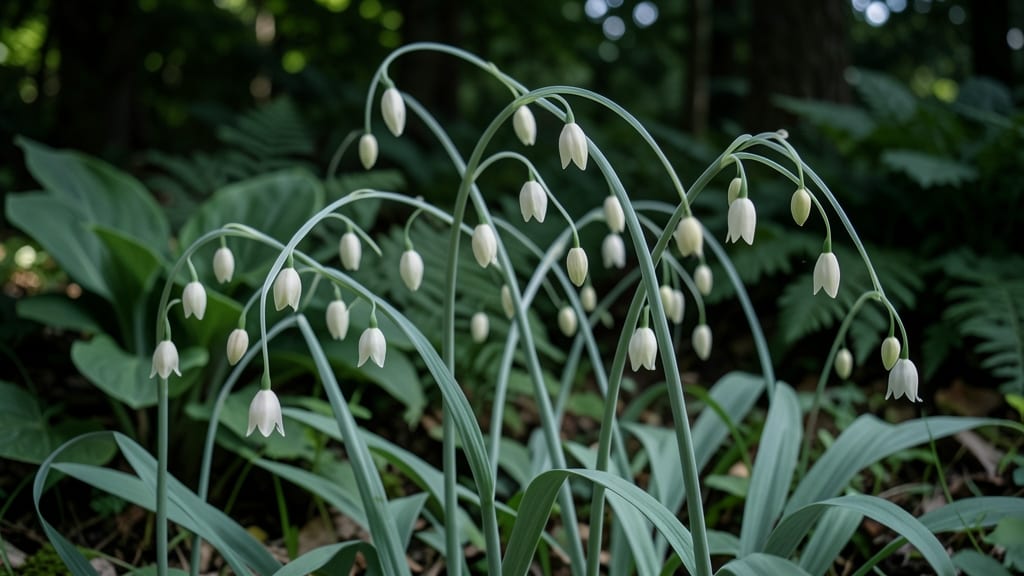
Bring effortless elegance to your shady garden with Solomon’s seal (Polygonatum spp.), a perennial that dances through dim spaces with its arching, bamboo-like stems and dangling white bell flowers. Unlike aggressive spreaders, this graceful plant forms slow, reliable clumps that won’t crowd out neighbors, making it ideal for layered perennial beds.
Thriving in partial to full shade, Solomon’s seal tolerates everything from dry to moist soil, though it prefers consistent moisture. Its late-spring blooms attract pollinators, while its glossy, lance-shaped leaves add year-round texture. For best results, plant in well-draining soil and mulch to retain moisture—then step back and enjoy its natural, swaying beauty.
Perfect for woodland gardeners or those seeking a low-maintenance focal point, Solomon’s seal pairs beautifully with hostas and ferns. Its subtle charm elevates shady corners without demanding attention. ✨
Foamflower with Tiny White Blooms
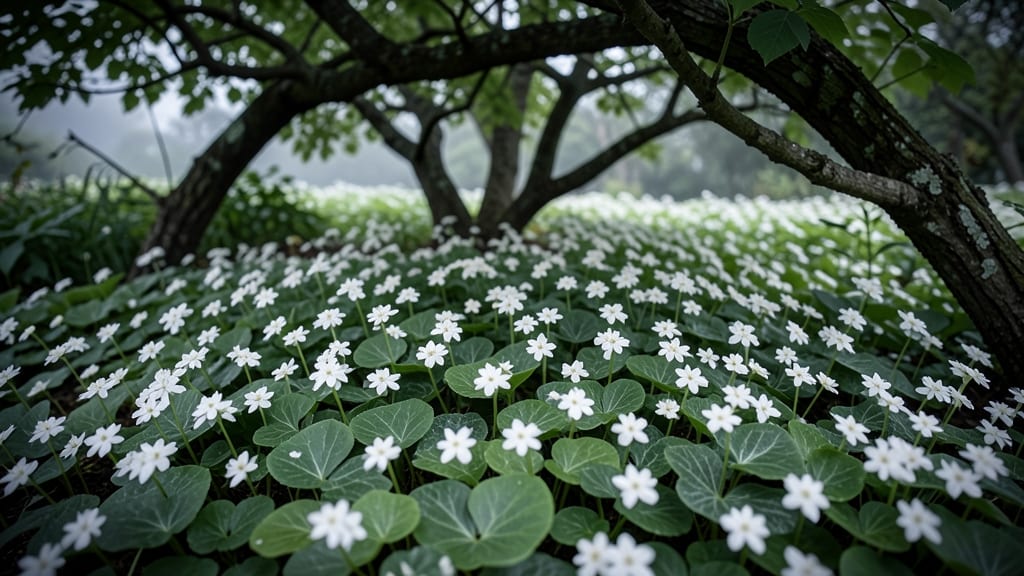
If you’ve ever struggled to fill the empty spaces under shrubs or along shady garden edges, foamflower (Tiarella cordifolia) is your unsung hero. This understated perennial produces a sea of tiny, star-like white blooms in spring, creating a dreamy, frothy effect that brightens even the darkest corners with minimal effort.
Unlike many shade plants, foamflower thrives in dry to medium soil, making it perfect for spots where moisture retention is a challenge. Its low-growing habit (6-12 inches tall) spreads gently to form dense mats, crowding out weeds while providing year-round interest—even when not in bloom, its heart-shaped leaves add texture. Plant it in clusters of 3-5 for maximum impact, and watch it self-seed lightly to create natural drifts over time.
Ideal for busy gardeners or urban spaces with limited sunlight, foamflower requires almost no maintenance once established. Pair it with ferns or hostas for a lush, woodland-inspired look that feels effortless. 🌿
Sweet Woodruff with Star-Shaped Flowers
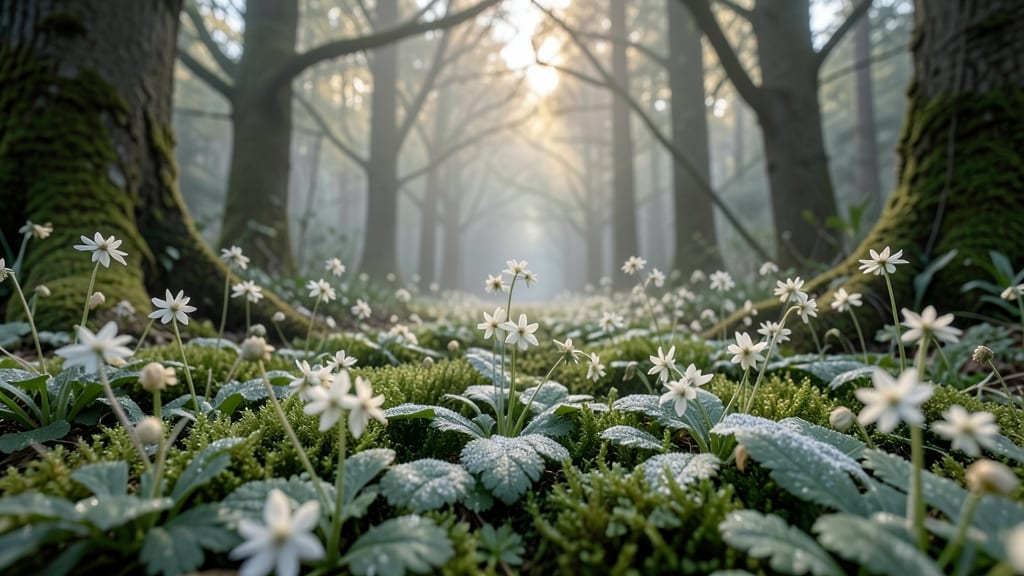
Bring the magic of a woodland garden to your shady spots with sweet woodruff (Galium odoratum), a fragrant ground cover that thrives where few plants dare to grow. Its delicate star-shaped white flowers and lush green mats create a dreamy understory effect, perfect for fairy gardens or beneath mature trees.
This low-growing perennial spreads gently via creeping stems, forming dense carpets that suppress weeds naturally. Plant in partial to full shade with moist, well-draining soil—it tolerates dry conditions once established. The foliage releases a sweet, vanilla-like scent when brushed, making it a sensory delight. For best results, divide clumps every 3-4 years to maintain vigor.
Fairy garden enthusiasts and woodland gardeners will adore how sweet woodruff fills gaps effortlessly while attracting pollinators. Its spring blooms provide early nectar for bees before other perennials wake up. 🌟
Bugbane with Large White Flower Clusters

If your shady garden borders feel like a missed opportunity for height and drama, bugbane (Actaea simplex) is your game-changer. This towering perennial reaches 3-5 feet tall, creating vertical impact where most shade plants max out at 2 feet—ideal for creating layered perennial borders that command attention.
Thriving in deep shade to partial sun, bugbane produces large, fragrant white flower clusters in late summer that attract bees, butterflies, and hummingbirds. Unlike many shade perennials, it doesn’t flop or require staking—its sturdy stems hold their own. Plant it in moist, well-draining soil enriched with compost, and watch it spread gradually via rhizomes. For maximum effect, pair it with shorter perennials like hostas or ferns to create a striking height contrast.
Perfect for gardeners who want bold statement plants without the fuss of full-sun varieties, bugbane delivers year-round interest with its lush foliage and late-season blooms. It’s especially rewarding for those with woodland gardens or north-facing borders where most perennials struggle. 🌟