
Plants
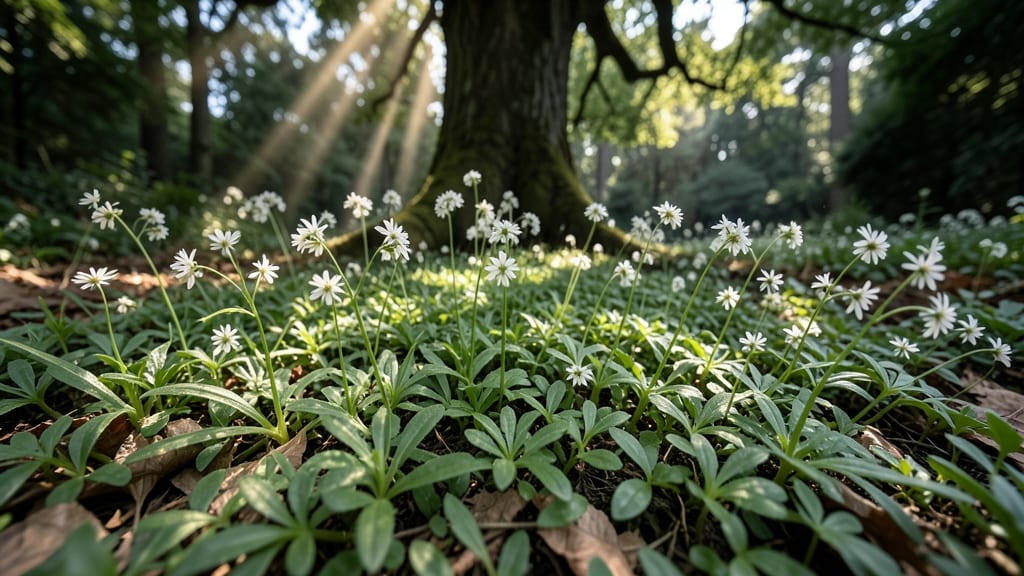
Struggling to keep plants alive in Zone 6’s deep shade? These drought-resistant perennials thrive under trees, along north-facing walls, and in low-light spots—without constant watering or fuss. Discover the hardiest, most beautiful options that demand minimal effort but deliver maximum impact.
Hostas for Year-Round Texture and Color
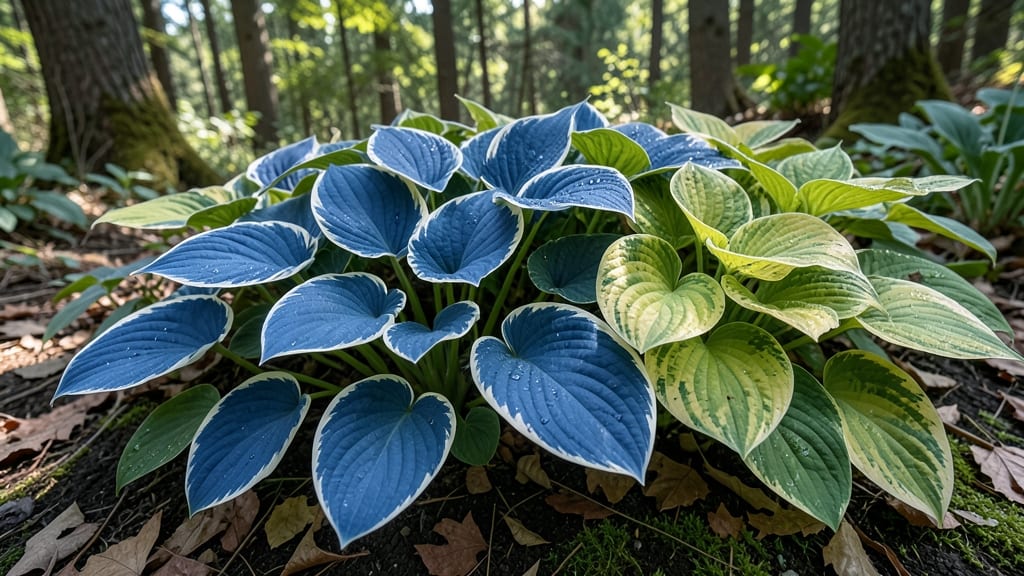
If you’re looking for a low-maintenance plant that delivers year-round interest in Zone 6’s shady spots, hostas are your secret weapon. Their bold, colorful foliage—ranging from deep blue to vibrant chartreuse—creates texture and drama without needing full sun, making them perfect for borders or woodland gardens.
Hostas thrive in partial to full shade, with many varieties resistant to deer and drought once established. Plant them in moist, well-draining soil with a thick layer of mulch to retain moisture and suppress weeds. Varieties like ‘Halcyon’ (blue-green) or ‘Francee’ (chartreuse) add striking contrast, while ‘Guacamole’ (golden) brightens dark corners.
Beginners love hostas because they’re nearly foolproof—just avoid soggy soil, and you’ll enjoy lush, thriving plants. 🌱
Astilbe for Feathery Summer Blooms
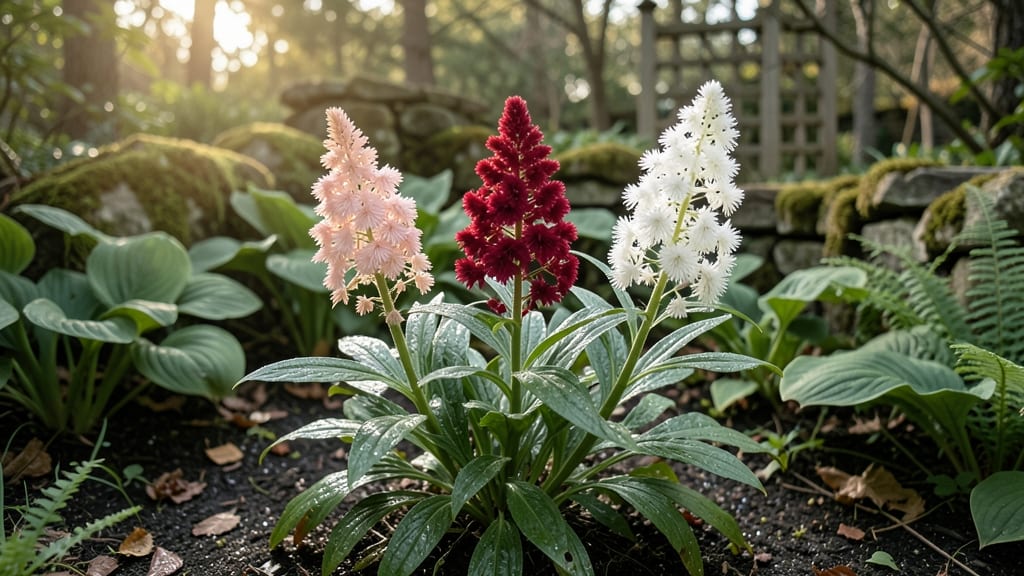
Want to transform your shady garden into a romantic retreat without the fuss? Astilbe delivers soft, feathery plumes in blush pink, deep red, or pure white—perfect for adding texture and color when other plants struggle. These perennials thrive in moist but well-draining soil, making them ideal for under trees or along north-facing foundations where light is scarce.
One of astilbe’s best secrets is its reblooming habit—simply snip back spent flowers after the first flush, and you’ll often get a second round of blooms by late summer. Choose taller varieties (up to 3 feet) for dramatic focal points or shorter types (1–2 feet) for cottage garden borders. They pair beautifully with hostas or ferns for a lush, layered look.
This is the go-to plant for gardeners who love low-maintenance elegance—astilbe handles Zone 6’s humidity and occasional drought once established, and its deer-resistant foliage stays tidy with minimal pruning. 🌻
Hellebores for Early Winter Interest
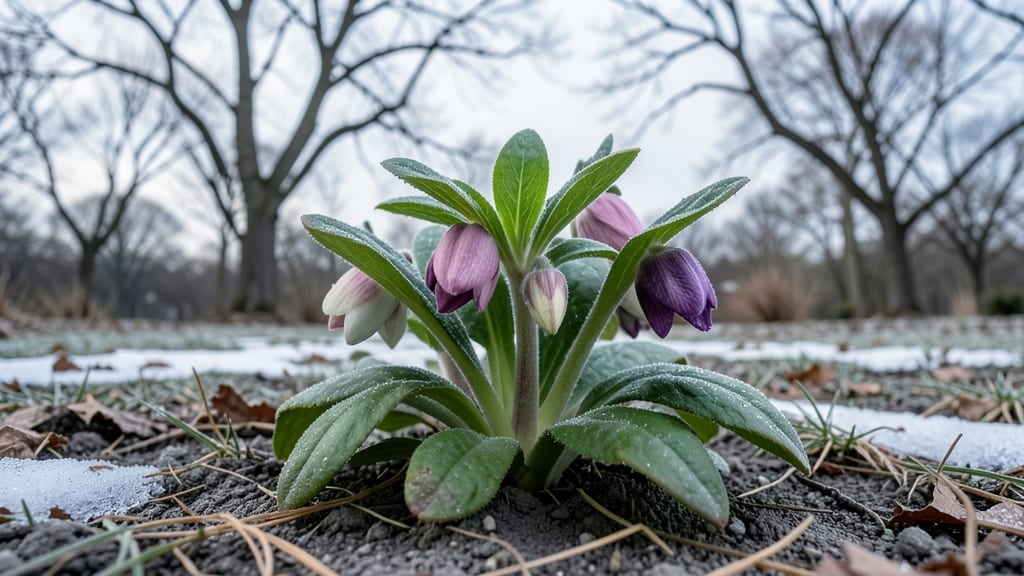
When your garden looks like a winter wasteland, helleborus (commonly called Lenten rose) steps in to steal the show. This deer-resistant perennial blooms in late winter or early spring, often before snow has even melted, bringing vibrant colors to your yard when most plants are still dormant.
Hellebores thrive in dry shade, making them perfect for under trees or north-facing borders where sunlight is scarce. Unlike many perennials, they improve with age, becoming more robust and producing even more flowers each year. Their evergreen foliage also adds texture year-round. Just plant them in well-draining soil and let them be—they’re one of the most low-maintenance shade plants for Zone 6. 💚
Japanese Painted Fern for Lush Green Foliage
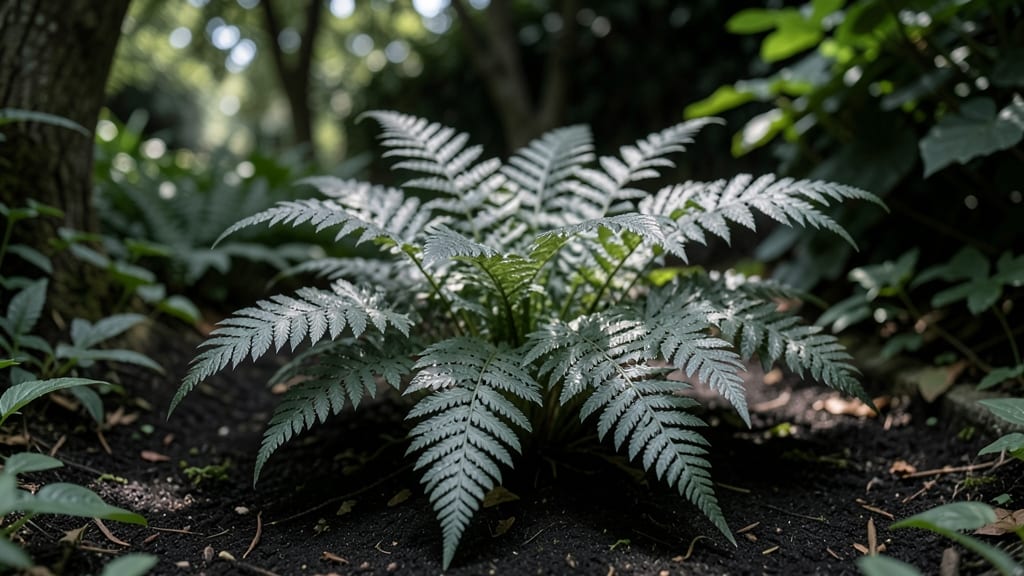
Want to transform a dark corner of your Zone 6 garden into a tropical oasis without needing sunlight? The Japanese painted fern (Athyrium niponicum var. pictum) delivers silvery-green fronds that shimmer like exotic foliage, thriving in full shade where most plants struggle. Its compact size (12-18 inches tall) makes it ideal for containers or tucked into shady beds.
This fern is a low-maintenance superstar—once established, it’s drought-tolerant and rarely bothered by pests. Plant it in moist, well-draining soil enriched with organic matter, and mulch to retain humidity. Varieties like ‘Silver Falls’ cascade beautifully over pot edges, while ‘Pictum’ stays bushy for borders. Water consistently until roots establish (about 6 weeks), then let soil dry slightly between waterings.
Perfect for urban gardeners with limited space or shade gardeners craving drama, this fern adds texture and movement without fuss. Pair it with hostas or hellebores for a lush, layered look. 🌿
Solomon’s Seal for Graceful Arching Stems
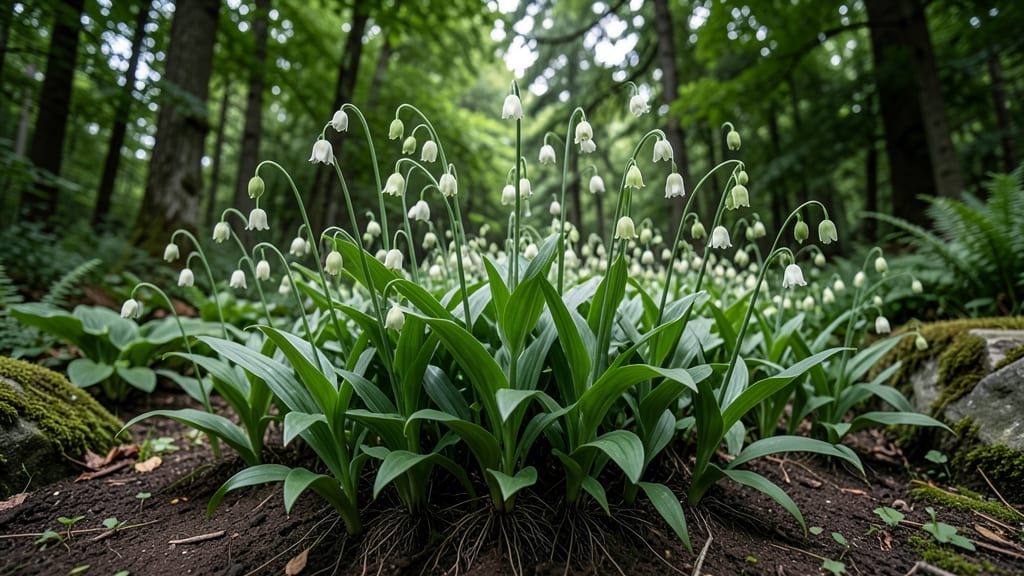
Looking to add elegant vertical interest to your Zone 6 shade garden without the fuss? Solomon’s Seal (Polygonatum) is your answer—its graceful, arching stems create a natural curtain of foliage that dances with dappled sunlight, while its glossy leaves add depth to woodland settings or understory plantings.
This slow-spreading perennial thrives in deep to partial shade, making it perfect for areas where other plants struggle. Unlike many shade lovers, it’s remarkably drought-tolerant once established, so you won’t need to fuss over watering after the first year. Plant it in moist, well-draining soil enriched with compost, and watch its stems grow 2–3 feet tall with cascading, bell-shaped flowers in spring that attract hummingbirds.
Urban gardeners and woodland enthusiasts will love how Solomon’s Seal blends seamlessly into naturalistic designs while requiring minimal care. Its slow spread means no aggressive takeover—just steady, graceful growth that enhances any shady corner. ✨
Bleeding Heart for Classic Spring Drama
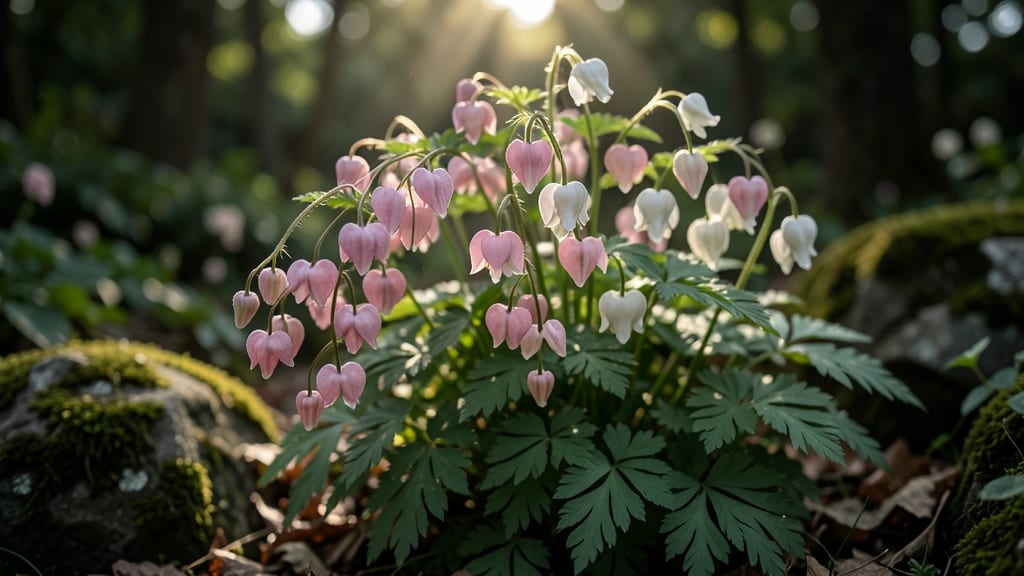
Craving a romantic, old-fashioned garden feel without the high-maintenance upkeep? Bleeding heart (Dicentra spectabilis) delivers dreamy cascades of heart-shaped blooms in soft pink or white—perfect for filling shady spots where other plants struggle. This perennial becomes a springtime showstopper in deep shade, thriving where sunlight barely reaches.
While it prefers moist, well-drained soil, bleeding heart tolerates Zone 6’s occasional drought once established. The secret to its longevity? A simple late-spring pruning—cut back faded foliage after blooming to encourage a second flush of flowers later in the season. Pair it with hostas or ferns for a lush, layered cottage garden effect that feels timeless yet effortless.
This is the perfect plant for gardeners who love classic beauty but hate fuss—just plant it in rich soil, water occasionally, and enjoy its drama year after year. 🌷
Coral Bells for Vibrant Foliage Variety
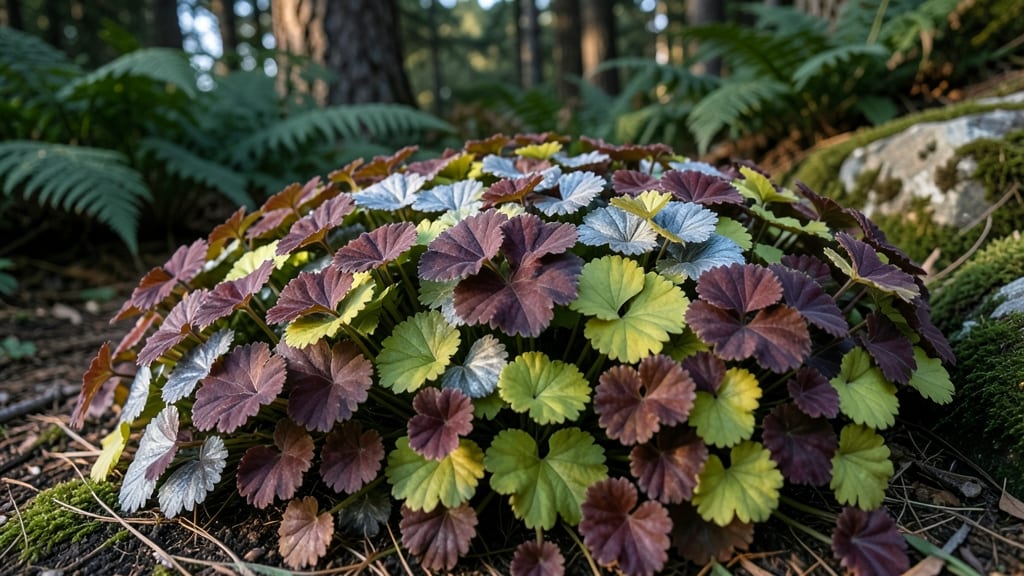
Tired of dull, monochromatic shade gardens? Coral bells (Heuchera) inject bold color into your Zone 6 garden with foliage in burgundy, silver, or chartreuse—without needing a single hour of direct sun. These compact perennials thrive in dry shade, making them perfect for understory plantings where other plants struggle.
With over 200 varieties to choose from, you can mix textures like the velvety leaves of ‘Palace Purple’ or the silvery glow of ‘Silver Scrolls’. Coral bells also attract pollinators like bees and butterflies, turning your shady spots into mini ecosystems. Plant them in well-draining soil with a light mulch to retain moisture, and they’ll reward you with vibrant foliage year-round.
This is the ideal plant for rock gardens, container arrangements, or as edging under trees—adding color where little else grows. 💚
Lungwort for Healing and Pollinator Appeal
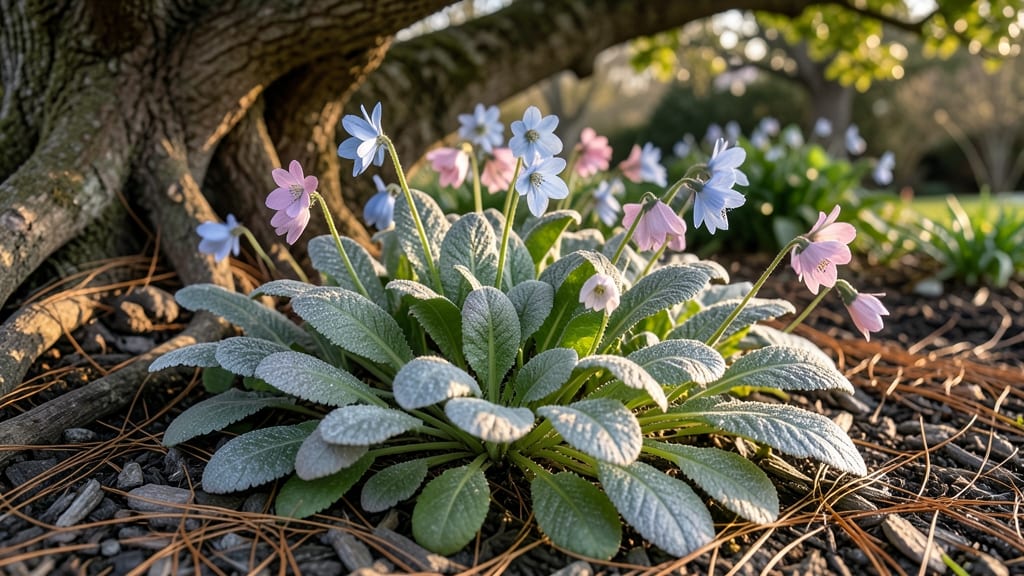
Tired of shady spots that feel like dead zones? Lungwort (Pulmonaria) transforms dull corners into pollinator magnets with its striking silver-spotted foliage and early spring blooms in soft blue or pink. Unlike fussy shade plants, it thrives in dry to medium shade, making it perfect for under trees or north-facing beds where sunlight is scarce.
This low-maintenance ground cover spreads slowly (about 6 inches per year), so it won’t take over your garden like aggressive runners. Plant it in well-draining soil with a layer of mulch to retain moisture, and watch bees flock to its nectar-rich flowers. Varieties like ‘Sissinghurst White’ or ‘Blue Mist’ add texture and color without demanding extra care—just water occasionally after establishment.
Ideal for woodland gardeners or urban spaces with limited sun, lungwort brings both beauty and ecological benefits. Its year-round interest makes it a standout for any shady spot. 💚
Bugbane for Tall Summer Blooms
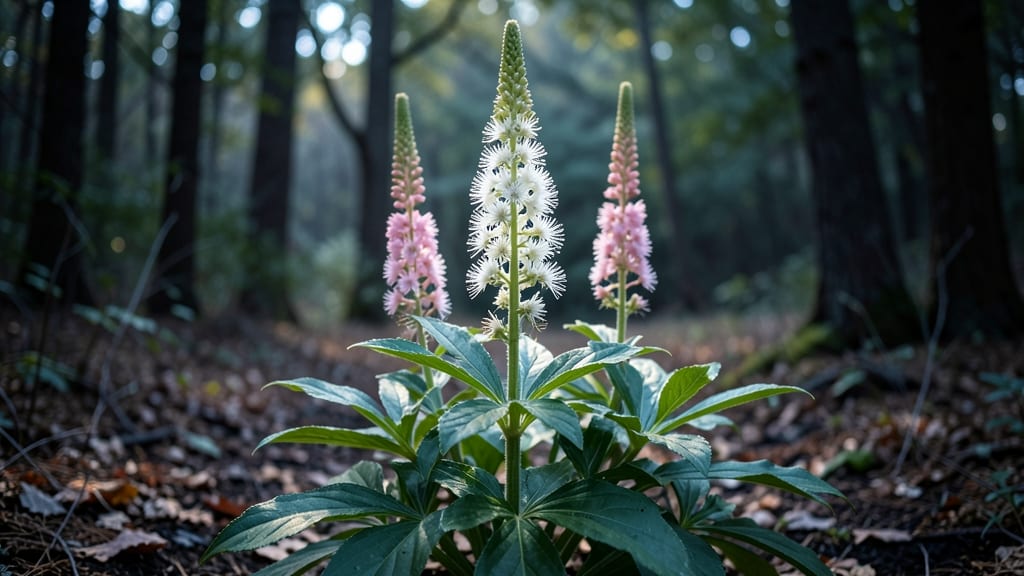
Need a dramatic vertical statement in your Zone 6 shade garden? Bugbane (Actaea) delivers towering flower spikes (up to 5 feet tall!) in pure white or soft pink, creating a striking backdrop that outshines shorter perennials. Unlike sun-loving giants, this native woodland plant thrives in deep, dry shade where most plants struggle—perfect for understory plantings or as a living screen.
Bugbane’s secret weapon is its colony-forming habit—once planted, it spreads slowly but reliably, filling in gaps over time. Plant in moist, well-draining soil enriched with compost, and watch its fragrant, bottlebrush-like blooms appear in mid-to-late summer, attracting pollinators like bees and butterflies. Varieties like ‘Hillside Black Beauty’ add dramatic foliage contrast with deep purple leaves.
This is the ideal plant for woodland gardeners who want height without sunlight—bugbane handles Zone 6’s humidity and occasional drought once established, and its deer-resistant foliage stays tidy with minimal pruning. 🌟
Sweet Woodruff for Fragrant Ground Cover

Tired of barren spots under trees where nothing seems to grow? Sweet woodruff (Galium odoratum) transforms those forgotten corners into a fragrant, weed-suppressing carpet with almost no effort. Its delicate white flowers and vanilla-scented foliage create a magical understory that thrives where other plants fail.
This hardy ground cover spreads quickly in deep shade and handles dry soil like a champ, making it ideal for Zone 6's challenging conditions. Simply plant crowns 12 inches apart in spring, and watch it fill gaps between hostas or ferns. The key to success? Avoid soggy soil—sweet woodruff prefers well-drained conditions but won't wilt in summer heat once established.
Fairy garden enthusiasts and woodland gardeners will adore how sweet woodruff creates a lush, textured base layer that stays green all season. Plus, its natural fragrance releases when crushed, adding a sensory delight to any shaded spot. 🌿