
Light Requirements
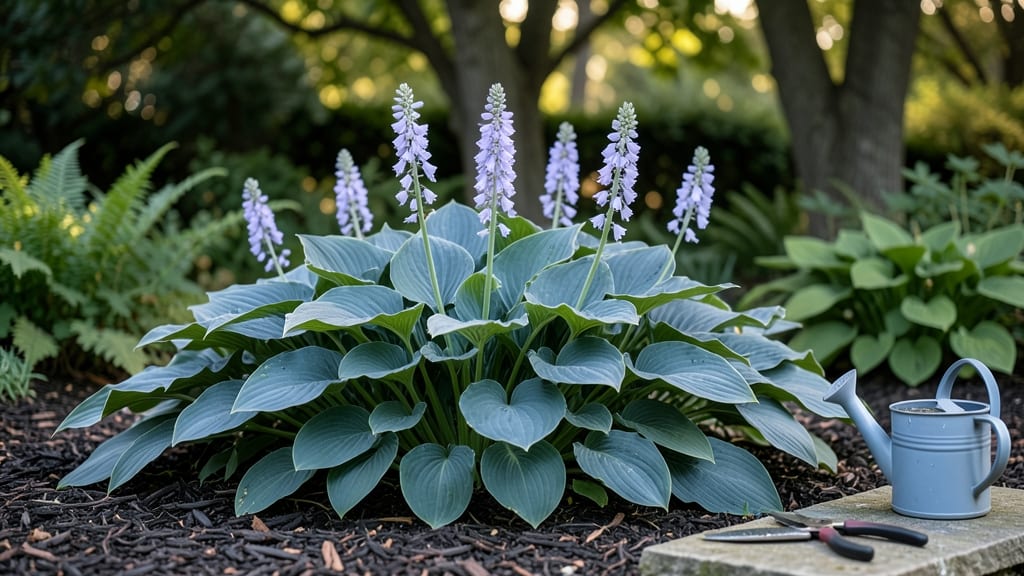
Full shade perennials turn dark corners into lush, vibrant spaces—no sun required. 🌿 I’ve transformed my shady woodland edge into a year-round display using plants that thrive where others fail, proving that shade gardens can be just as stunning (if not more so) than their sun-drenched counterparts.
The secret lies in choosing the right plants: hostas for bold foliage, astilbes for feathery plumes, and hellebores that bloom before spring even arrives. These perennials handle moisture, tolerate poor soil, and still deliver color—some even when everything else is dormant.
My Japanese painted ferns stay lush all summer, while bleeding hearts create heart-shaped blooms that last for weeks. You’ll end up with a garden that stays green, blooms reliably, and requires less maintenance than sun-loving plants.
The key is layering textures and colors so there’s always something interesting, from the deep purple of Heuchera to the delicate spikes of coral bells. Even in the darkest spots, your garden can feel alive.
Works for woodland gardens, city patios with no sun, or the north side of your house. Let’s bring life to those shadowy corners—without sacrificing beauty or ease.
📚 In This Guide
- What you need
- Instructions
- Tips and common mistakes
- Wrapping up and next steps
What you need
- ● Full shade perennials: Choose from pre-selected varieties like Hosta, Heuchera, Astilbe, Ferns, or Bleeding Heart. Buy 3–5 plants per square foot for dense coverage.
- ● High-quality potting soil or garden soil: 1–2 cubic yards (or bags, ~50 lbs each) amended with 20–30% organic compost for drainage.
- ● Organic mulch: 2–3 inches of shredded bark, pine needles, or cocoa hulls to retain moisture and suppress weeds.
- ● Garden gloves: A pair with waterproof, reinforced palms for comfort during planting.
- ● Hand trowel or transplant spade: 6–8 inches long for digging small holes.
- ● Watering can or hose with a gentle spray nozzle: 1–2 gallons capacity for even hydration.
- ● Pruners: Bypass pruners (for clean cuts) to trim dead foliage or shape plants.
- ● Slow-release fertilizer: 10–10–10 or 5–10–10 NPK ratio (apply once in early spring).
- ● Soil moisture meter: To monitor ideal 60–70% moisture for shade-loving plants.
- ● Edging tools: For clean borders around your garden beds.
- ● Plant markers: Biodegradable labels to track varieties (especially useful for Hosta or Heuchera collections!).
- ● Shade cloth (30–50% blockage): If your area has partial shade but you want to mimic full shade for sensitive plants.
Step-by-step guide to designing a thriving full shade perennial garden
Here's how to create a lush, low-maintenance garden that blooms reliably even in the darkest corners.
🌱 Step 1: Select the Right Plants for Year-Round Interest
Start with a mix of evergreen foliage and seasonal bloomers to ensure continuous color. I recommend hostas for their bold, textured leaves, heucheras for vibrant foliage that lasts all season, and astilbes for airy plumes that dance in the breeze. Add bleeding hearts for spring blooms and ferns like matsumoto shield for delicate fronds that thrive in deep shade.
Look for varieties labeled "full shade" or "deep shade" on nursery tags. These plants have adapted to low light conditions and won't struggle like sun-loving species. For example, Hosta 'Halcyon' tolerates less than 3 hours of direct light daily, while Heuchera 'Palace Purple' thrives in complete shade with only reflected light. Mix heights—place taller astilbes at the back and lower hostas in front to create depth.
🪴 Step 2: Prepare the Soil for Moisture-Retentive Growth
Full shade gardens often have compacted, moisture-retentive soil, so amending it properly is critical. Work in 3-4 inches of organic matter—like compost or well-aged manure—into the top 12 inches of soil. This improves drainage while retaining moisture, which shade plants crave. If your soil is particularly heavy clay, mix in sand or perlite to create a looser texture.
Test the soil's moisture level by squeezing a handful—it should hold together but not feel soggy. If it's bone-dry, your garden might need a soaker hose for deep, slow watering. I always add a 2-inch layer of mulch (like shredded bark or wood chips) after planting to suppress weeds and keep roots cool. This layer also breaks down slowly, feeding the soil over time.
☀️ Step 3: Plant with Strategic Spacing for Airflow and Light
Space plants 12-24 inches apart, depending on their mature size. Crowding leads to fungal issues like powdery mildew, which thrives in the damp, shaded conditions. For example, hostas need 18-24 inches between clumps, while heucheras can share space at 12 inches apart since they stay compact. Dig holes twice as wide as the root ball but only as deep—planting too deep can suffocate roots.
Arrange plants so their foliage creates a gradual transition from tall to short. Place the tallest—like astilbes or ligularia—at the back, medium-height heucheras or ferns in the middle, and low-growing ajugas or lamium in front. This layering ensures no plant feels overshadowed by its neighbors. Water deeply after planting to eliminate air pockets and encourage root contact with the soil.
💧 Step 4: Water Deeply and Adjust for Seasonal Needs
Full shade gardens stay moist longer, but that doesn’t mean they’re low-maintenance. Water once a week during the first growing season to establish roots, then taper to every 10-14 days once established—unless your area experiences a heatwave. The key is deep watering: soak the soil to 6 inches down rather than giving frequent shallow drinks. This encourages roots to grow downward, making plants more drought-tolerant over time.
Check moisture by sticking your finger 2 inches into the soil. If it feels dry, it’s time to water. In winter, reduce watering to once a month unless you’re in a region with freezing temperatures, which can dry out the soil. Mulch helps regulate moisture, but a thick layer (3+ inches) can smother plants in spring—keep it at 2 inches for balance.
✂️ Step 5: Prune and Maintain for Long-Term Health
Most full shade perennials need minimal pruning, but timing matters. Cut back dead or damaged foliage in early spring before new growth emerges. For bleeding hearts, trim spent flower stalks to the ground after blooming to encourage bushier growth next year. Astilbes benefit from a light trim in late summer to shape their form and remove any leggy stems.
Fertilize lightly in early spring with a balanced, slow-release fertilizer (10-10-10) to support new growth. Avoid high-nitrogen feeds, which promote lush foliage at the expense of blooms. Instead, focus on phosphorus and potassium to encourage flowering and root development. Divide clumps every 3-4 years in early spring or fall to rejuvenate plants—hostas, in particular, benefit from this to prevent overcrowding.
Tips & tricks for perfect full shade perennial gardens
Transforming dark corners into vibrant gardens isn't just about planting—it's about understanding the subtle science behind shade-loving plants.
Light Considerations: The 3 hours of direct light mentioned for Hosta 'Halcyon' is a crucial threshold. Plants like this thrive with morning sun and afternoon shade, but even this can vary by region. In areas with intense afternoon sun, consider placing them further from east-facing windows or under taller trees that cast dappled shade. For true deep shade spots (like under dense evergreens), opt for Heuchera 'Palace Purple'—it's the most forgiving of the shade stars and will reward you with stunning foliage even in the darkest corners.
Soil Science: That 3-4 inches of organic matter in the top 12 inches of soil is your foundation for success. I've found that mixing in a handful of worm castings (optional) into this layer gives an extra nutrient boost without overwhelming the plants. For clay-heavy soils, don't just add sand—try coarse perlite instead, as it improves drainage while maintaining moisture better than regular sand. Test your soil's pH too: most shade perennials prefer 6.0-7.0, and you can adjust with lime (to raise) or sulfur (to lower) if needed.
Planting Strategy: When creating that gradual transition from tall to short, think vertically too. Install a few small obelisks or trellises (optional) near the back to train climbing plants like clematis or hops—they'll add height without stealing light from your shade plants. For the 12-24 inch spacing, measure from the plant's mature width, not its current size. A hosta might look tiny now, but it'll spread to fill that space in just a few seasons.
Watering Wisdom: The 2-inch soil moisture check is your best friend in shade gardens. I've learned that watering at the base of plants (rather than overhead) prevents fungal issues that thrive in damp foliage. For container gardens in shade, use self-watering pots with drainage holes—they're a game-changer for maintaining consistent moisture without overwatering. And remember, mulch isn't just decoration: that 2-inch layer should be 3 inches wide around each plant to create a moisture-retaining barrier.
Pro Tips for Full Shade Perennials
- Transforming dark corners into vibrant gardens isn't just about planting—it's about understanding the subtle science behind shade-loving plants.
- Light Considerations: The 3 hours of direct light mentioned for Hosta 'Halcyon' is a crucial threshold.
- Soil Science: That 3-4 inches of organic matter in the top 12 inches of soil is your foundation for success.
Frequently asked questions
about full shade perennials—because every gardener deserves a little clarity!What are the best full shade perennials for beginners?
Start with hostas, heucheras, and astilbes—they’re low-maintenance, hardy, and thrive in low light. Lungwort and bleeding heart are also forgiving picks with stunning foliage and flowers. Pro tip: Choose varieties labeled "shade-tolerant" to avoid disappointments!
When is the best time to plant full shade perennials?
Plant in early spring or fall (4–6 weeks before frost) for the best root establishment. Avoid summer heat, which can stress plants. If planting in late fall, use mulch to protect roots from freezing. Bonus: Container-grown plants can go in year-round (check local frost dates).
How do I keep full shade perennials healthy in humid climates?
Focus on air circulation—space plants 12–18 inches apart—and avoid overhead watering to prevent fungal issues like powdery mildew. Heucheras and ferns love humidity, but watch for yellowing leaves (a sign of overwatering). Fix: Amend soil with compost to improve drainage.
Can I grow vegetables or herbs in full shade?
Most veggies need 6+ hours of sun, but leafy greens (like spinach or lettuce) tolerate partial shade. Herbs? Parsley and cilantro do okay in dappled light, but basil and thyme will struggle. Alternative: Grow shade-friendly edibles like microgreens or mushrooms under trees!
Why are my full shade perennials wilting or turning yellow?
Yellow leaves often mean overwatering or poor drainage, while wilting could signal underwatering or root rot. Check soil moisture (top 1–2 inches should dry between waterings) and ensure pots/containers have drainage holes. Quick fix: Trim affected leaves and adjust watering—most shade plants prefer consistently moist but not soggy soil.
Wrapping up and next steps
Transforming your dark garden into a vibrant retreat is easier than you think! 🌿 With the right full shade perennials, you can enjoy year-round color, texture, and life—no direct sunlight required.
From hardy hostas and ferns to bold heucheras and delicate astilbes, these plants prove that shade gardens can be just as stunning (if not more!) as their sun-soaked counterparts.
Ready to dive in? Start by assessing your garden’s shade levels, then pick a few perennials that match your style and climate. Plant one section at a time, experiment with layers, and watch your garden thrive. Happy gardening—your future shade oasis awaits! 🌸