
Light Requirements
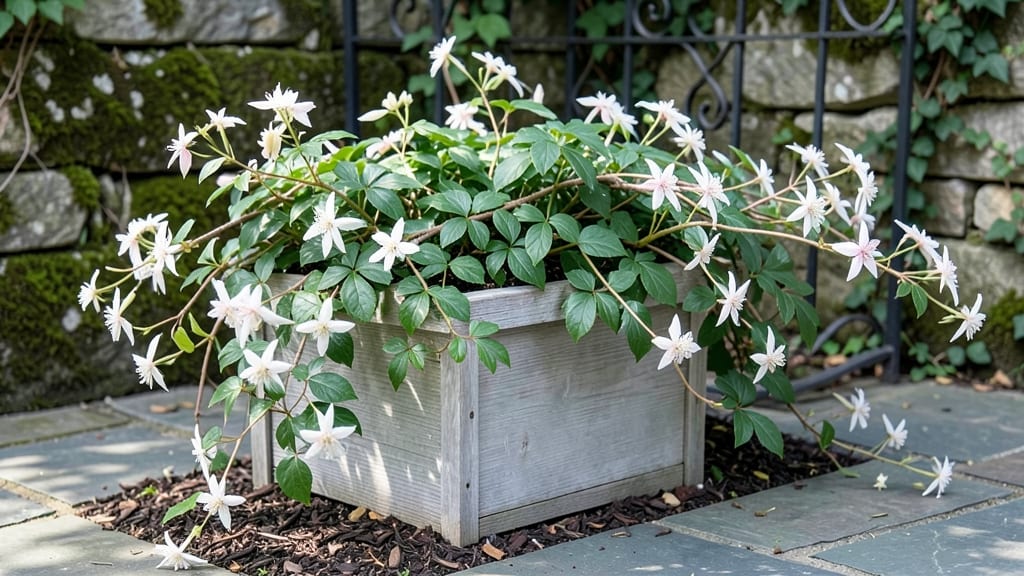
Full shade flowering vines transform dreary corners into lush vertical gardens. 🌿 I used to think shade meant boring walls—until I discovered vines like clematis and ferns that thrive where sunlight barely reaches. These plants don’t just survive; they create dramatic cascades that turn structural elements into living art.
The secret lies in their growth habits: some cling naturally (like ivy), while others need gentle support (like climbing hydrangeas). Most bloom in spring or summer, offering bursts of color when other shade plants are still dormant.
Pair them with hostas or ferns for a layered, cohesive look that feels intentional, not accidental. You’ll end up with a garden that feels alive—even in the shadiest spots. The right vine turns a plain fence into a romantic backdrop or a pergola into a floral canopy.
It’s about placement: position them where their natural habits shine (e.g., trailing over benches or climbing trellises). Perfect for patios, north-facing walls, or under trees. Here’s how to choose the right vine for your space and style.
📚 In This Guide
- What you need
- Instructions
- Tips and common mistakes
- Wrapping up and next steps
What you need
- ● Full shade-tolerant flowering vines: Clematis (Clematis spp.) – 1-3 plants (choose varieties like Clematis montana or Clematis armandii)
- ● Honeysuckle (Lonicera spp.) – 1-2 plants (e.g., Lonicera sempervirens)
- ● Japanese honeysuckle (Lonicera japonica) – 1 plant (fast-growing, fragrant)
- ● Coral honeysuckle (Lonicera sempervirens) – 1-2 plants (vibrant red-orange blooms)
- ● Star jasmine (Trachelospermum jasminoides) – 1-2 plants (sweetly fragrant white flowers)
- ● Support structures: Trellis, arbor, or pergola – 1-2 units (height: 6-10 ft, material: wood, metal, or PVC)
- ● Obelisk or decorative post – 1-2 units (for climbing support)
- ● Potting soil: Well-draining, organic-rich soil mix – 5-10 gallons (or amend garden soil with compost)
- ● Fertilizer: Balanced, slow-release fertilizer (10-10-10) – 1-2 lbs
- ○ Organic compost or worm castings – 1-2 cups per plant (optional but recommended)
- ● Mulch: Organic mulch (wood chips, shredded bark) – 2-3 inches (to retain moisture)
- ● Tools: Garden trowel or spade
- ● Pruning shears
- ○ Gloves (optional but handy!)
- ● Watering can or hose with a gentle nozzle
- ● Location: A spot with less than 3 hours of direct sunlight per day (e.g., north-facing walls, shaded patios, or under trees).
- ● Moisture: Vines thrive in consistently moist (but not soggy) soil. Ensure good drainage to prevent root rot.
- ● Spacing: Plant vines 12-24 inches apart (depending on mature size) for optimal airflow and growth.
- ● Climbing habit: Some vines (like clematis) need physical support to climb, while others (like honeysuckle) may twine naturally.
Step-by-step guide to growing stunning full shade flowering vines
Here's how to transform shady corners into lush, blooming cascades—no direct sunlight required.
🪴 Step 1: Select the Right Vines for Deep Shade
Not all vines thrive without sun, so choose varieties bred for low to no direct light. My top picks for dramatic blooms include Clematis 'Jackmanii', Honeysuckle 'Gold Moss', and Cobaea scandens—all of which handle dappled or full shade beautifully. Avoid sun-loving climbers like morning glories or passionflowers, which will struggle and produce sparse blooms.
Check the mature height of your vine—some, like Clematis, can reach 10-15 feet, while others like Cobaea grow 6-10 feet. Match the vine's size to your trellis or support structure to avoid overcrowding. If you're unsure, start with a 6-foot vine like Honeysuckle—it’s forgiving and fragrant.
🌱 Step 2: Prepare the Planting Site and Soil
Full shade vines need well-draining, moisture-retentive soil rich in organic matter. Amend your garden bed with 3-4 inches of compost or aged manure mixed into the top 12 inches of soil. If your soil drains poorly, add sand or perlite to improve aeration—waterlogged roots will kill even shade-tolerant vines.
Dig a hole twice as wide as the root ball but only as deep as the container. This encourages roots to spread horizontally rather than settling too low, which can lead to rot. Place a time-release fertilizer (10-10-10) in the hole before setting the plant—this gives roots a slow nutrient boost without burning them.
☀️ Step 3: Install Supports and Plant Correctly
Before planting, install a strong trellis, arbor, or fence at least 6-8 feet tall (or taller, depending on your vine). Use galvanized metal or wooden stakes for durability, and secure the vine with soft ties (like old T-shirts or horticultural tape)—never wire, which can damage stems as they grow.
Plant your vine 2-3 inches deeper than it was in the container. This helps stabilize the root ball and encourages more root growth. Water deeply right after planting to settle the soil and remove any air pockets. Mulch with 2-3 inches of shredded bark or wood chips, keeping it 6 inches away from the stem to prevent rot.
💧 Step 4: Water and Maintain for Lush Growth
Full shade vines need consistent moisture—water 1-2 times per week, depending on rainfall, until the top 2 inches of soil feel dry. Overwatering is just as harmful as underwatering, so check with your finger before watering. In hotter months, you may need to water every 3-4 days, especially if your soil drains quickly.
Feed your vines monthly with a balanced liquid fertilizer (like 20-20-20) during the growing season (spring to early fall). Stop fertilizing in late summer to encourage blooming rather than leafy growth. Prune spent flowers regularly to promote more blooms—this is called deadheading, and it keeps your vine looking tidy and productive.
✂️ Step 5: Prune and Train for Maximum Blooms
Prune early spring (before new growth starts) to shape your vine and encourage strong branches. Cut back overly long or leggy stems by one-third to redirect energy to flowering. For Clematis, prune just above a pair of healthy buds—this ensures new growth will have leaves and blooms.
Train young vines by gently weaving stems through the trellis or tying them with soft material. Avoid wrapping wire or twine tightly—it can girdle (strangle) the stem as it thickens. Once established, your vine should climb 6-12 inches per week in warm weather. If growth slows, check for pests like spider mites or fungal issues (like powdery mildew) and treat early.
Tips & tricks for perfect full shade flowering vines
Here's what nobody tells you about transforming shady spots into vibrant vine displays—these tricks make all the difference.
Selection Tip: When choosing between Clematis 'Jackmanii' and Honeysuckle 'Gold Moss', consider your space's maturity. Clematis grows aggressively (up to 15 feet) and needs sturdy support, while Honeysuckle's 6-foot height makes it perfect for smaller trellises or balconies. I always opt for Honeysuckle first-time gardeners because its fragrant blooms forgive minor mistakes.
Soil Preparation: The key to thriving shade vines lies in that 3-4 inches of compost mixed into the top 12 inches of soil. Don't just dump compost on top—dig it in thoroughly. I learned this the hard way after watching roots struggle in compacted soil. For clay-heavy areas, mix in sand or perlite to prevent waterlogging, which is especially critical for full shade plants that can't dry out as quickly as sun-lovers.
Support System: Your trellis needs to be at least 6-8 feet tall—but here's the secret: wider is better than taller. A 4-foot wide trellis gives vines more surface area to climb, creating a denser, more dramatic display. For Clematis specifically, I install a metal cage trellis that's 8 feet tall and 5 feet wide—it handles the weight beautifully and prevents flopping.
Watering Wisdom: The 1-2 times per week guideline works for average rainfall, but your vines' needs change dramatically in summer. I check soil moisture by pushing my finger 2 inches deep—if it feels dry, water deeply until moisture reaches 6 inches down. For container-grown vines, I water every 2-3 days in summer heat, as pots dry out much faster than garden beds.
Pro Tips for Full Shade Flowering Vines
- Here's what nobody tells you about transforming shady spots into vibrant vine displays—these tricks make all the difference.
- Selection Tip: When choosing between Clematis 'Jackmanii' and Honeysuckle 'Gold Moss', consider your space's maturity.
- Soil Preparation: The key to thriving shade vines lies in that 3-4 inches of compost mixed into the top 12 inches of soil.
Frequently asked questions
Can full shade flowering vines really thrive without sunlight?
While they need some light (think dappled shade or indirect sunlight), these vines are specially bred to bloom beautifully in low-light conditions. Look for varieties like Clematis or Hoya, which excel in partial to full shade. Just avoid deep, dark corners—even they need a little brightness to thrive!
How do I know if my vine is getting enough light?
Check for these signs: Leggy, sparse growth or fewer blooms mean it’s too dark. If leaves look pale or yellow, it might be getting too much harsh indirect light. The ideal spot offers filtered light (like under a tree canopy) for 4–6 hours daily. A simple test? If your hand’s shadow is faint when cast on the vine, it’s likely getting enough light!
When is the best time to plant full shade flowering vines?
Plant in early spring or early fall for the best results. This gives roots time to establish before extreme heat or cold. Avoid planting in mid-summer, as the stress of transplanting + heat can stunt growth. If you’re in a warm climate, opt for fall planting to beat the summer dry spell.
What can I do if my vine isn’t flowering?
Lack of blooms often stems from light, nutrients, or pruning. First, check light levels—move it closer to a window or brighter spot. Next, feed with a balanced, bloom-boosting fertilizer (like 10-10-10) in spring. Finally, prune spent blooms and overgrown stems to encourage new growth. Patience helps too—some vines take a year or two to fully establish!
Are there any low-maintenance alternatives to traditional flowering vines?
Yes! Try these easy-care options for full shade:
- English Ivy (Hedera helix) : Hardy, evergreen, and great for covering walls or trellises.
- Creeping Fig (Ficus pumila) : Fast-growing and drought-tolerant once established.
- Hoya Carnosa (Wax Plant) : Thrives in shade and produces fragrant flowers with minimal fuss.
- Philodendron (Heartleaf) : Lush, trailing foliage that adds texture without needing much light.
All of these are forgiving and perfect for beginners!
Wrapping up and next steps
Transforming shady corners into vibrant, eye-catching displays is easier than you think! Full shade flowering vines like Clematis or Actaea prove that even low-light spaces can burst with color and life.
With the right plant selection, soil prep, and a little patience, you’ll create a lush, thriving garden oasis that rivals sun-drenched landscapes.
Ready to take the next step? Start small—pick one vine, test your soil, and watch your garden bloom! 🌿✨ Whether you’re a seasoned gardener or a curious beginner, your shady spots deserve this stunning upgrade.