
Shrubs
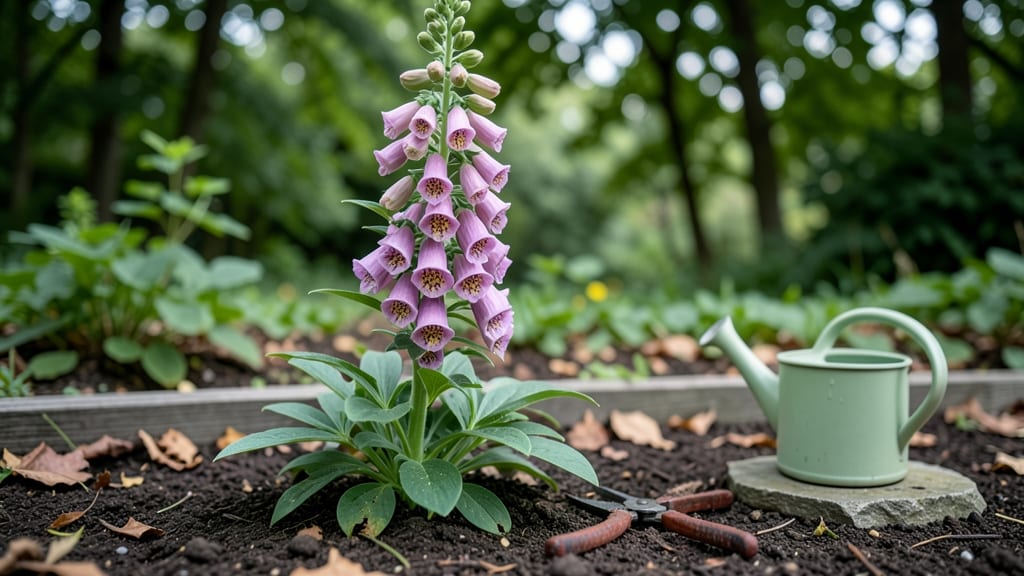
Growing foxgloves in shade lets you add 6-foot drama where sunlight is scarce. 🌿 I’ve watched these towering beauties thrive under trees and along north-facing walls—proof that shade gardens can still pack a punch.
The key? Matching their needs to the dappled light they crave, not the harsh sun they’ll bolt from.
Start with well-draining, moisture-retentive soil—think leaf mold or compost mixed into your existing shade soil. Foxgloves hate soggy roots but love consistent dampness, so mulch heavily to keep moisture steady.
Plant in spring or early fall when temperatures are mild, and space them 12-18 inches apart for that signature woodland clump look.
By midsummer, you’ll see those iconic spiked flower stalks shooting up, each one a vertical statement in your garden. The bell-shaped blooms attract hummingbirds and bumblebees, adding life to shady spots that often feel neglected. Just avoid overcrowding—once established, they self-seed reliably, creating natural drifts over time.
For long-term success, deadhead spent blooms to encourage more flowers and divide clumps every 3-4 years to prevent decline. Pair them with ferns, hostas, or lungwort for a layered, low-maintenance shade border that feels wild yet intentional.
The best part? These plants reward patience with years of effortless height—no sun required.
📚 In This Guide
- What you need
- Instructions
- Tips and common mistakes
- Wrapping up and next steps
What you need
- ● Foxglove plants: Seeds (10–20 per desired cluster, if starting from scratch)
- ● OR nursery-grown seedlings (2–4 plants per shaded spot)
- ● Soil: Well-draining potting mix (50% peat/coir + 50% perlite/sand) OR garden soil amended with compost (2–3 inches mixed in)
- ○ Optional: Slow-release balanced fertilizer (10-10-10, 1 tbsp per plant)
- ● Containers (if needed): 6–12 inch pots (1 per seedling) with drainage holes
- ● OR raised beds (if planting in-ground)
- ● Tools: Trowel or hand shovel
- ● Garden gloves (to protect from Digitalis sap)
- ● Watering can or hose with gentle spray nozzle
- ● Mulch (2–3 inches of shredded bark or straw)
- ● Shade cloth (30–50% coverage) for partial shade spots
- ● Epsom salt (1 tbsp dissolved in water) for magnesium boost
- ● Stakes or pebbles (to weigh down tall stems and prevent flopping)
- ● Organic slug bait (foxgloves are delicious to pests!)
How to grow foxgloves in shade for stunning vertical drama
Here's the foolproof method I've used to grow foxgloves in shady spots—where they thrive with less sunlight than you'd expect.
🌱 Step 1: Choose the Right Foxglove Varieties for Low Light
Not all foxgloves tolerate shade equally. Look for Digitalis purpurea varieties like 'Pam's Choice' or 'Black Prince,' which handle partial shade (3-6 hours of indirect light daily)*. Avoid tall, sun-loving types like 'Giant Fleece'—they'll flop and disappoint in dim corners.
I like to plant foxgloves near ferns or hostas, where their 4-6 foot spikes> tower over the competition. The key is selecting seedlings labeled "shade-tolerant" or "woodland" types. These varieties develop darker, richer blooms> in lower light, making them even more striking.
🪴 Step 2: Prepare the Soil for Moisture-Loving Roots
Foxgloves despise dry soil, so amend your shade garden with 3-4 inches of compost> mixed into the top 6 inches> of soil. Work in organic matter> like leaf mold or well-rotted manure to improve drainage while retaining moisture. The goal is a soil that feels like a damp sponge—not soggy, not powdery.
I always test the soil pH first. Foxgloves prefer neutral to slightly alkaline (6.5-7.5)>. If your soil runs acidic, sprinkle in dolomitic lime> and mix it in a month before planting. The roots will spread wider and deeper when they're not struggling to access nutrients.
☀️ Step 3: Plant in Spring or Early Fall for Best Establishment
Spring planting gives foxgloves 6-8 weeks> of warm soil to establish roots before summer heat. Dig holes twice as wide> as the root ball but only as deep>—planting too deep suffocates the crown. Space plants 18-24 inches apart> to prevent overcrowding as they mature.
Water deeply immediately after planting to eliminate air pockets. I like to add a 1-inch layer of mulch> (shredded bark or straw) to keep roots cool and conserve moisture. Avoid fresh wood chips—they can tie up nitrogen as they decompose, slowing early growth.
💧 Step 4: Water Deeply and Infrequently After Establishment
Once established, foxgloves need 1-1.5 inches of water weekly>, delivered at the base rather than overhead. The deep taproot system means surface watering won't reach where it matters most. You'll know you're doing it right when the soil feels damp 6 inches down> after watering.
I avoid wetting the leaves—this prevents fungal diseases like powdery mildew, which thrives in shady, humid conditions. If you notice white powder on the foliage, prune affected leaves immediately and apply neem oil spray> as a preventative measure.
✂️ Step 5: Deadhead and Support for Longer Blooming Seasons
Remove spent flower spikes by cutting them back to the next set of leaves. This encourages second flushes of blooms> in late summer. I always leave the seed pods on a few stems—they add winter interest and self-seed for next year's garden.
Tall foxgloves need staking in shady spots where winds can rock them. Install 3-4 foot bamboo stakes> at planting and tie stems loosely with soft garden twine. The goal is to support without restricting growth—foxgloves grow 2-3 inches per week> in ideal conditions.
Tips & tricks for growing foxgloves in shade
These practical insights will help you coax dramatic foxglove blooms from even the shadiest corners of your garden.
Variety Selection Matters: When shopping for seedlings, look for Digitalis purpurea varieties specifically labeled "shade-tolerant" or "woodland" types. The 'Pam's Choice' and 'Black Prince' cultivars handle the 3-6 hours of indirect light daily mentioned in Step 1 beautifully. I've found these varieties develop darker, richer blooms in low-light conditions compared to sun-loving types. Avoid the tall 'Giant Fleece' variety—it simply won't thrive in shade and will flop dramatically.
Soil Preparation Secret: The 3-4 inches of compost mixed into the top 6 inches of soil (Step 2) is non-negotiable for foxgloves. I like to add a handful of worm castings to this mix—they provide additional nutrients without altering the soil structure. For pH adjustment, dolomitic lime works best because it raises pH while also adding calcium and magnesium. Apply it a month before planting to give it time to fully integrate into the soil profile.
Planting Timing Strategy: The 6-8 weeks of warm soil mentioned for spring planting is ideal, but don't overlook early fall planting. Foxgloves planted in late summer (August-September) establish roots before winter dormancy, giving them a head start in spring. When planting, use your finger to create small pockets around the roots rather than pressing soil firmly—this encourages root expansion rather than compaction.
Watering Wisdom: The 1-1.5 inches of water weekly guideline (Step 4) works perfectly, but timing matters just as much as quantity. Water in the morning so foliage has time to dry before evening, reducing fungal risks. I've noticed foxgloves in shade actually prefer slightly more frequent watering than sun-exposed plants—their deep taproots need consistent moisture to reach their full height potential. Use a rain gauge to track your weekly totals accurately.
Pro Tips for Foxgloves In Shade
- These practical insights will help you coax dramatic foxglove blooms from even the shadiest corners of your garden.
- Variety Selection Matters: When shopping for seedlings, look for Digitalis purpurea varieties specifically labeled "shade-tolerant" or "woodland" types.
- Soil Preparation Secret: The 3-4 inches of compost mixed into the top 6 inches of soil (Step 2) is non-negotiable for foxgloves.
Frequently asked questions
Got questions about growing foxgloves in shady spots?
You’re not alone—many gardeners wonder how to make these striking plants thrive without full sun. Here are answers to the most common concerns:
Can foxgloves survive in deep shade?
Yes, but with a caveat! While foxgloves tolerate partial shade, deep shade (less than 3 hours of light) may stunt growth and reduce flowering. Aim for dappled or filtered shade (like under trees with sparse canopies) for the best results. If your spot is truly dark, opt for Digitalis purpurea varieties like ‘Pam’s Choice,’ which handle lower light better.
How long does it take for foxgloves to grow in shade?
Foxgloves are patient plants! In shady conditions, expect 6–8 weeks for seedlings to establish leaves and 1–2 years for mature plants to reach their full 3–5 foot height. Slow and steady wins the race—they’ll reward you with dramatic blooms eventually, even if growth is slower than in full sun.
What’s the best shade-tolerant foxglove alternative if mine struggles?
If foxgloves flop in your shade, try these low-light lovers:
- Monkshood (Aconium): Tall, dramatic, and thrives in partial shade.
- Bleeding Heart (Dicentra): Soft foliage and heart-shaped flowers for woodland gardens.
- Hosta: Classic shade plant with bold foliage (though not as tall).
- Coral Bells (Heuchera): Colorful leaves and delicate flowers.
Why are my foxgloves in shade turning yellow or leggy?
Yellowing leaves or leggy stems often signal too little light or poor soil drainage. Try these fixes:
- Move plants to a sunnier spot (even morning sun helps).
- Amend soil with compost or peat moss to improve fertility.
- Ensure well-draining soil—foxgloves hate soggy roots!
- Fertilize lightly in spring with balanced 10-10-10 to encourage bushier growth.
Do foxgloves need extra care in shady, wet climates?
Foxgloves are tolerant of moisture, but waterlogged soil can cause root rot. In wet shade:
Bonus: Wet shade suits foxgloves better than dry shade, so they’ll likely thrive if your soil isn’t compacted.
Wrapping up and next steps
Growing foxgloves in shade proves that stunning gardens aren’t just for sunny spots! With the right soil, moisture, and a little patience, these towering beauties will thrive—adding drama and elegance to your shady corners. 🌿✨
Ready to transform your space? Start small—plant a few foxglove varieties like Digitalis purpurea or Digitalis obscura—then expand as you master their care. Happy gardening, and may your shade garden bloom with confidence!