
Planting
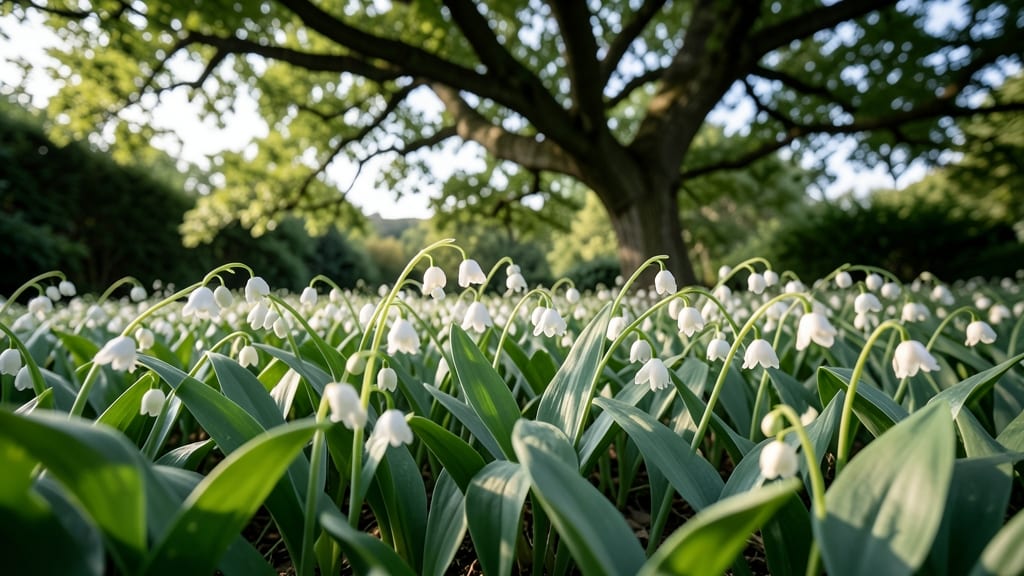
Struggling to find vibrant flowers that thrive in shady spots? These 10 shade-tolerant bulbs deliver stunning blooms with minimal effort, perfect for gardens, woodland edges, or under trees where sunlight is scarce.
Snowdrops for Early Winter Color

When your garden looks like a blank canvas in late winter, snowdrops step in as nature’s first artists—painting delicate white strokes across dark soil before spring even arrives. These tiny but mighty bulbs thrive where most plants refuse to play, making them the ultimate underdog for deep shade gardens.
Plant snowdrop bulbs in fall, just 2-3 inches deep, in well-draining soil mixed with compost. They’ll naturalize over time, creating lush colonies that return year after year with minimal care—just water occasionally during droughts. Their early blooms provide vital nectar for bees emerging from winter hibernation, making them a pollinator powerhouse.
Perfect for beginners or busy gardeners, snowdrops reward patience with their cheerful faces peeking through frost. They’re the secret weapon for transforming gloomy corners into enchanting winter gardens. 🌱
Crocus for Woodland Garden Beauty

If your garden has shady spots where other bulbs struggle, crocus is the secret weapon you’ve been missing. These hardy bloomers thrive in partial to full shade, popping up through mossy soil or leaf litter with vibrant purple, white, or yellow flowers that cheer up dark corners.
Plant crocus bulbs in fall for early spring blooms, and watch them naturalize over time, creating a carpet of color that attracts early pollinators like bees and butterflies. They’re drought-tolerant once established and pair beautifully with ferns or hostas for a woodland garden feel. Perfect for beginners or busy gardeners, crocus delivers drama with almost no effort. 🌱
Bleeding Heart for Dramatic Foliage

If you love romantic, cottage-style gardens, bleeding heart (Dicentra spectabilis) is your secret weapon for shade. Unlike true bulbs, its tuberous roots store energy underground, allowing it to thrive where sunlight is scarce while delivering cascading clusters of heart-shaped blooms in soft pink or white.
Plant the tubers in well-draining soil enriched with compost, about 3 inches deep in early spring or fall. Space them 12-18 inches apart for full, lush foliage that frames your garden beds. While it prefers partial to full shade, a few hours of morning sun can enhance flowering. After blooming, the striking foliage remains attractive, making it a year-round garden star.
Perfect for beginners or experienced gardeners, bleeding heart adds vertical interest without needing staking. Pair it with hostas or ferns for a layered, woodland-inspired look. 🌱
Hyacinth for Fragrant Shade Perfume

Transform your shady garden corner into a fragrant haven with hyacinth bulbs—these powerhouses thrive where others falter, filling the air with sweet, intoxicating perfume. Unlike sun-loving blooms, hyacinths flourish in partial shade, producing dense spikes of purple, pink, or white flowers that attract pollinators and delight the senses.
Plant bulbs in well-draining soil 6 inches deep and 4-6 inches apart in fall for spring blooms. Choose varieties like 'Lavender Dream' or 'Anna Marie' for their strongest fragrance, and pair them with ferns or hostas for a lush, layered look. A single cluster can perfume an entire garden—ideal for patios, borders, or under trees.
Perfect for urban gardeners or anyone with limited sun, hyacinths offer year-after-year fragrance with minimal care. Just remember: their scent is so potent, it can even deter deer! 🌷
Allium for Unique Globe-Shaped Blooms

Looking for a bold architectural statement in your shade garden? Allium bulbs deliver globe-shaped blooms in vibrant purples, whites, and pinks that stand out like sculptural art pieces. These ornamental onions thrive where other bulbs struggle, flourishing in shade to partial sun with minimal fuss.
Plant them in well-draining soil during fall or early spring, spacing bulbs 6-12 inches apart for maximum impact. Their late spring to summer blooms attract pollinators like bees and butterflies, while their long-lasting foliage adds texture year-round. Varieties like 'Globemaster' and 'Purple Sensation' reach heights of 2-4 feet, perfect for adding vertical interest to shady borders.
Urban gardeners and woodland enthusiasts will love how alliums bring drama without demanding full sun. Their drought tolerance makes them ideal for low-maintenance gardens too. 🌟
Daffodil for Bold Shade Tolerance

Think your shady garden spots are too dim for daffodils? Think again! While most daffodils crave sunlight, varieties like 'February Gold' and 'Tête-à-Tête' thrive in partial shade, delivering vibrant yellow blooms that pop against dark foliage or tree trunks. These shade-tolerant stars bloom earlier than sun-loving daffodils, often appearing in late winter when other shade plants are still dormant.
Plant bulbs in well-draining soil 6-8 inches deep in fall, spacing them 4-6 inches apart. They prefer morning sun with afternoon shade, making them ideal for north-facing beds or under deciduous trees. Once established, they multiply yearly, creating cheerful drifts that brighten even the gloomiest corners. Their disease-resistant nature means fewer pests and less fuss than many other spring bloomers.
Perfect for urban gardeners with limited sun or woodland gardeners seeking early color, these daffodils prove shade doesn't mean sacrificing bold blooms. Their cheerful faces are the perfect welcome to spring! 🌻
Hellebore for Winter and Spring Blooms

When your garden feels like a winter monochrome, hellebores (or Lenten roses) bring unexpected color to the darkest corners. These resilient perennials defy the cold, blooming from late winter through spring with delicate flowers in white, pink, or purple—long after most plants have called it quits for the season.
Plant hellebores in deep shade to partial sun, where they thrive under trees or along north-facing walls. Their leathery, evergreen leaves provide year-round interest, while their unique, nodding blooms attract early pollinators. Water moderately—these plants dislike soggy soil but tolerate dry spells once established. For best results, mulch lightly to protect roots in winter and improve soil moisture.
Perfect for urban gardeners with shady patios or woodland gardeners seeking low-maintenance stars, hellebores reward patience with decades of blooms and naturalize over time. They’re the ultimate shade garden MVP. 🌷
Tulip for Varied Shade Options

Think tulips only thrive in bright, sunny spots? Think again—shade-tolerant varieties like 'Queen of Night' (deep burgundy) and 'Purple Prince' (vibrant purple) prove these classic blooms can shine in partial shade too. Their secret? A little soil prep and the right growing conditions to unlock their full potential.
For best results, plant bulbs in well-draining soil enriched with compost, about 6-8 inches deep and 4-6 inches apart in fall. These varieties prefer morning sun with afternoon shade, making them perfect for understory plantings or north-facing beds. Mulch with leaf litter or shredded bark to retain moisture and protect roots from temperature swings. With proper care, they’ll reward you with bold, long-lasting blooms that outshine traditional sun-loving tulips.
Urban gardeners with limited sun or those planting under trees will love how these tulips brighten shady corners without the fuss. They’re also deer-resistant, making them a practical choice for rural properties too. 💪
Fritillary for Whimsical Checkered Patterns

Want to add a touch of magic to your shady garden? Fritillary bulbs deliver whimsical, checkered blooms that look like they belong in a fairy tale. Their delicate, airy flowers in shades of purple, white, and pink thrive where other bulbs struggle, making them perfect for woodland edges or under trees.
Plant fritillary bulbs in fall, 4-6 inches deep in well-draining soil with partial shade (3-6 hours of sunlight). They naturalize beautifully over time, creating clusters of blooms that nod gracefully on slender stems. Varieties like 'Imperial Crown' or 'Kaufmanniana' offer the most striking patterns, while their late spring blooming time fills gaps between early and late-season flowers.
Ideal for cottage gardeners or woodland enthusiasts, fritillary bulbs bring a playful, artistic element to shady spots with minimal care. Their unique patterns make them a conversation starter in any garden! ✨
Lily of the Valley for Fragrant Ground Cover

Tired of shady garden spots that look like blank canvases? Lily of the Valley (Convallaria majalis) transforms them into fragrant, living tapestries with its delicate white bells. This classic shade lover spreads effortlessly under trees or along borders, creating a lush, fragrant carpet that thrives where other plants struggle.
Plant the rhizomes in well-draining soil during early fall or spring, spacing them 6-12 inches apart. They prefer partial to full shade and moist, humus-rich soil—ideal for woodland gardens or north-facing beds. Once established, they multiply rapidly, forming dense colonies that suppress weeds naturally. The intoxicating fragrance (often compared to vanilla) fills the air in late spring, attracting bees and hummingbirds while repelling deer.
Perfect for beginner gardeners or those seeking low-maintenance beauty, Lily of the Valley is the ultimate shade solution. Just be aware of its toxicity to pets and children—plant it where curious hands won’t reach. 💚