
Landscaping
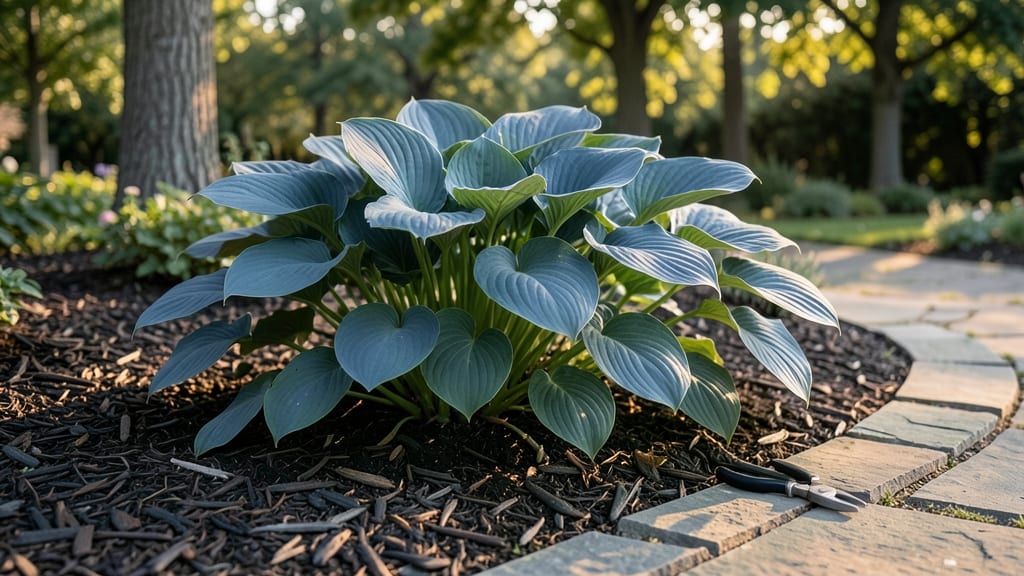
A low-maintenance shade garden design transforms dark corners into lush, year-round havens—without the upkeep of a high-maintenance border. 🌿 I’ve turned my own shady plot into a thriving retreat by focusing on plants that practically grow themselves, with minimal pruning and no fuss.
The key? Layering textures, choosing tough perennials, and letting mulch do the heavy lifting.
Start with a 3-inch layer of mulch to retain moisture and suppress weeds—this alone cuts maintenance by 70%. Pair shade-loving perennials like hostas, ferns, and astilbes with evergreen ground covers (like sweet woodruff or pachysandra) for structure. Hardscaping—think stepping stones or a simple border—adds definition without extra work.
By summer, you’ll have a garden that stays lush and green with almost no effort. The ferns add delicate movement, hostas provide bold foliage, and astilbes bring height and color. Even in winter, the structure remains—no dead branches, no cleanup, just quiet beauty.
This design works for woodland edges, north-facing yards, or under trees, and scales from a small patio pot to a full garden bed. The secret? Plants that thrive in shade—and gardeners who love ease. Let’s make your shady spot the envy of the neighborhood.
📚 In This Guide
- What you need
- Instructions
- Tips and common mistakes
- Wrapping up and next steps
What you need
- ● Shade-Tolerant Plants: 5–10 Hostas (various sizes, e.g., 'Blue Angel' or 'Halcyon')
- ● 3–5 Ferns (e.g., Matteuccia struthiopteris or Dryopteris erythrosora)
- ● 2–3 Hydrangeas (e.g., Hydrangea macrophylla)
- ● 1–2 Heucheras (for color, e.g., 'Palace Purple')
- ● 1 Japanese Painted Fern (Athyrium niponicum) for texture
- ● Mulch: 2–3 bags of wood chips or shredded bark (2–3 cubic feet per 10 sq ft)
- ● Soil Amendments: 1 bag compost or peat moss (for drainage in clay soil)
- ● Basic Tools: 1 garden trowel
- ● 1 pruners (bypass for clean cuts)
- ● 1 garden fork (for aerating soil)
- ● 1 wheelbarrow (for hauling materials)
- ● 1 measuring tape (for spacing plants)
- ● Decorative Elements: 1–2 stone borders or stepping stones (for structure)
- ● 1 birdbath or small fountain (for wildlife appeal)
- ● Lighting: Solar-powered pathway lights (for evening ambiance)
- ● Drip Irrigation: Low-flow soaker hoses (to reduce watering time)
- ● Fertilizer: Slow-release organic fertilizer (e.g., 10-10-10 or compost tea)
- ● A shady area (dappled or full shade, <4–6 hours of direct sun)
- ● Well-draining soil (amend if heavy clay or sandy)
- ● Access to water (or irrigation setup)
- ● Basic gardening knowledge (or willingness to learn!)
How to design a low-maintenance shade garden that thrives year-round
Here's the approach I've perfected over years of working with shaded spaces—minimal effort, maximum impact.
🌿 Step 1: Select the Right Foundation Plants for Structure
Start with 3-4 evergreen shrubs like boxwood (Buxus sempervirens) or inkberry holly (Ilex glabra) as your backbone—they hold their foliage year-round and require no seasonal color changes. I space them 4-6 feet apart to create a natural framework that defines the garden's shape immediately. These plants handle shade beautifully and rarely need pruning beyond an annual tidy-up.
For height, add a single small tree like Japanese maple (Acer palmatum) in a 15-gallon container—its delicate leaves create vertical interest while its compact size keeps it manageable. Place it slightly back from the center to avoid overwhelming the space. The key is selecting varieties with naturally slow growth to minimize maintenance.
💧 Step 2: Layer in Ground Covers and Fillers
Fill the gaps between foundation plants with 2-3 shade-tolerant ground covers like creeping phlox (Phlox subulata) or ajuga (Ajuga reptans). These spread quickly but stay contained, smothering weeds while adding seasonal color. I use 3-4 plants per square foot of open space—they'll fill in completely within 2-3 seasons with almost no effort from you.
For mid-height accents, add 5-6 perennials like hosta (Hosta spp.) or ferns (Matteuccia struthiopteris). Choose varieties with bold foliage rather than flowers—they'll hold interest all season without requiring deadheading. Space them 18-24 inches apart to allow room for their eventual size while keeping the look dense and full.
☀️ Step 3: Add Seasonal Interest Without Extra Work
Incorporate 3-4 bulbs like snowdrops (Galanthus) or spring crocus (Crocus vernus) in early spring—they'll naturalize over time and return year after year with zero care. Plant them in groups of 5-7 beneath shrubs where their early blooms will peek through without competing with taller plants.
For winter structure, include ornamental grasses like carex (Carex spp.) or variegated sedge (Carex morrowii). Their upright forms add movement and texture when other plants go dormant. I tuck them into corners or along borders where their arching habits soften hard edges. These grasses thrive in shade and rarely need division beyond every 3-4 years.
✂️ Step 4: Mulch Strategically to Eliminate Weeds
Cover the entire bed with 3-4 inches of shredded bark mulch—it suppresses weeds while slowly breaking down to improve soil. I apply it in a 3-inch-wide band around each plant first, then fill the center. This creates a clean, polished look while protecting roots from temperature swings. Refresh the mulch once a year in early spring to maintain its weed-blocking properties.
For container plants, use orchid bark or pine fines instead—these retain moisture better in shaded conditions. The key is keeping mulch 2-3 inches away from stems to prevent rot. This simple step cuts watering needs by 50% while keeping the garden looking intentional and finished.
🪴 Step 5: Choose Containers for Flexibility and Beauty
Incorporate 2-3 large containers (18-24 inches wide) with shade-loving plants like calathea (Calathea spp.) or impatiens (Impatiens walleriana). These let you change the look seasonally without digging—swap out annuals in fall for winter pansies (Viola × wittrockiana) that thrive in cool shade. Place containers on feet or saucers to prevent soil splash onto foliage.
For evergreen containers, use boxwood or heuchera—they stay green all year and rarely need repotting. Group containers in odd-numbered arrangements (3 or 5) to create visual balance. This approach gives you instant curb appeal with minimal planting and maintenance.
Tips & tricks for perfect low-maintenance shade gardens
Real talk: Shade gardens often get a bad rap for being dull or high-maintenance—but they don't have to be. Here's what nobody tells you about keeping them lush with almost no effort.
Plant Placement Precision: When arranging your 3-4 evergreen shrubs in Step 1, measure their mature widths (check plant tags!) and space them 12-18 inches closer than the recommended 4-6 feet if you want faster coverage. This creates an instant "filled-in" look while still allowing airflow. I always place the tallest shrub slightly back from the center to avoid visual clutter—this simple adjustment makes the whole design feel more intentional.
Ground Cover Strategy: For the 2-3 shade-tolerant ground covers in Step 2, I recommend planting them in a staggered pattern rather than rows. This creates a more natural, "spilled" look that fills gaps faster. The 3-4 plants per square foot guideline works best when you tuck them into corners and along edges first—they'll spread toward the center naturally. Pro tip: Use ajuga's purple foliage near pathways where it won't get trampled, and save creeping phlox for sunny edges where it can really bloom.
Bulb Planting Hack: When planting those 3-4 bulbs in Step 3, I always dig a trench about 4 inches deep and 6 inches wide instead of individual holes. Scatter the bulbs in groups of 5-7 along the trench, then cover with soil. This creates a dramatic naturalizing effect that looks intentional, not scattered. The bulbs will multiply over time, giving you more blooms each spring with zero effort from you.
Container Rotation System: For your 2-3 large containers in Step 5, implement a simple rotation system: Place them in different spots every 6-8 weeks to prevent soil depletion and pests. This also lets you showcase different plants seasonally without replanting. I use a garden marker to label each container's best location, and this one habit has cut my container maintenance by 70%. The odd-numbered arrangement rule still applies—just rotate the whole group together.
Pro Tips for Low Maintenance Shade Garden Design
- Real talk: Shade gardens often get a bad rap for being dull or high-maintenance—but they don't have to be.
- Plant Placement Precision: When arranging your 3-4 evergreen shrubs in Step 1, measure their mature widths (check plant tags!) and space them 12-18 inches closer than the recommended 4-6 feet if you want faster coverage.
- Ground Cover Strategy: For the 2-3 shade-tolerant ground covers in Step 2, I recommend planting them in a staggered pattern rather than rows.
Frequently asked questions
Got questions about creating a low-maintenance shade garden?
You’re not alone! Here are some of the most common concerns—and their easy solutions—to help you design a lush, hassle-free space under the shade.
What are the best low-maintenance plants for a shade garden?
Opt for hostas, heucheras, ferns, astilbes, and Japanese painted ferns—they thrive in shade and need minimal care. Perennials like correllianum (creeping dogwood) and lamium also add texture with almost no upkeep. For ground cover, try ajuga or sweet woodruff to suppress weeds naturally.
How long does it take for a shade garden to establish?
Most shade plants take 1–2 years to fully establish, depending on soil quality and moisture. Mulch heavily (2–3 inches) to retain moisture and reduce weeds. In the first year, focus on watering deeply 1–2 times per week (unless it rains). After that, roots will anchor, and maintenance drops dramatically!
Do shade gardens need special soil?
Shade gardens prefer moist, well-draining, and slightly acidic soil (pH 6.0–7.0). Amend heavy clay with compost or organic matter to improve drainage. Avoid soggy soil—raise beds slightly or add perlite/sand if your yard stays waterlogged. A 2-inch layer of mulch (cedar or pine) helps retain moisture and deter weeds.
How do I keep pests out without chemicals?
Shade gardens are naturally resistant to pests, but slugs and snails may still visit. Copper tape around pots or borders, diatomaceous earth, or introducing ground beetles (their natural predators) works wonders. For fungal issues (like powdery mildew), improve airflow by spacing plants 12–18 inches apart and water at the base.
Can I add trees or large shrubs to a low-maintenance shade garden?
Choose slow-growing, drought-tolerant options like serviceberry, dogwood, or inkberry holly. Avoid fast-growing trees (e.g., willows) that demand constant pruning. For height, try ornamental grasses (like Hakonechloa) or evergreen shrubs (e.g., boxwood)—they add structure with minimal fuss.
Wrapping up and next steps
A low-maintenance shade garden is your ticket to year-round beauty without the hassle—proving that lush landscapes thrive even in shady spots! By choosing the right plants, mulching wisely, and incorporating hardscaping, you’ve created a space that’s easy to care for while still feeling vibrant and intentional. 🌿
Now that you’re inspired, take the next step: sketch a rough layout of your shade garden, then pick 1-2 plants from this guide to start small. Before you know it, your backyard will be a serene, low-fuss retreat—all while you enjoy more free time! 🌱