
Shrubs
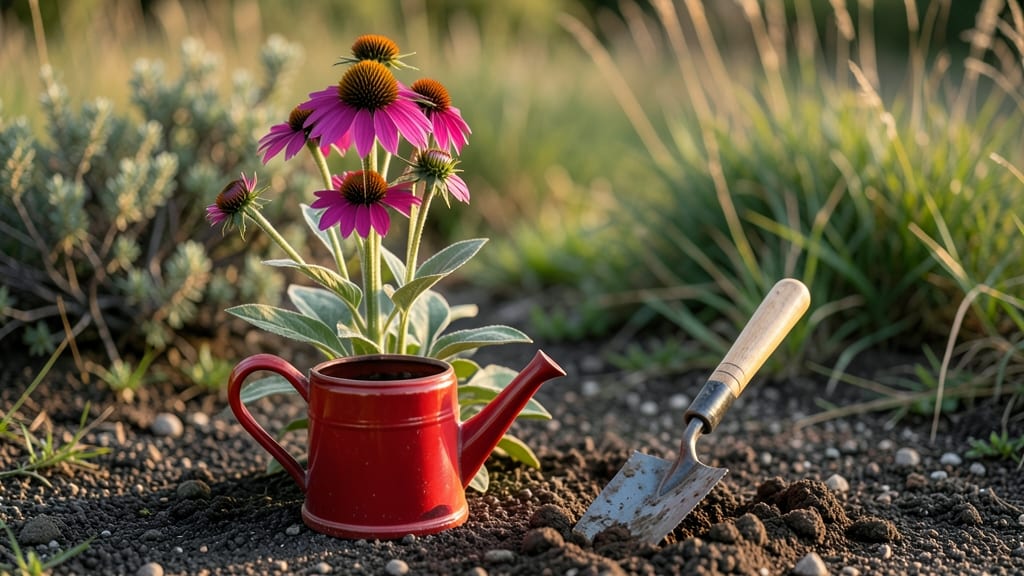
Echinacea thrives in sun or shade with the right balance—6+ hours of sunlight for peak blooms, but partial shade can still work if you choose the right varieties.
Struggling to get your echinacea plants to bloom as vibrantly as you’ve seen in garden catalogs? The answer might lie in their light exposure—sun or shade can make or break their performance.
Too much shade weakens stems and reduces flowers, while too much harsh afternoon sun can scorch leaves. The key is finding that sweet spot where your 🌼 echinacea stays healthy and puts on a show.
Below, I’ll break down the ideal light conditions, shade-tolerant varieties, and how to adjust care for less-than-perfect spots in your garden.
 Best Window Placement
Optimal sunlight requirements for echinacea blooms
Echinacea, also known as coneflower, thrives when given the right amount of sunlight. While it’s famously sun-loving, understanding the balance between full sun and partial shade is key to unlocking those vibrant blooms you’ve been dreaming of.
Too little light, and your plants may struggle to flower; too much, and they can become stressed. Let’s break down the ideal conditions for echinacea success in your garden.
Most echinacea varieties perform best with 6 to 8 hours of full sun daily. This means positioning them in areas where they receive direct sunlight for most of the day, especially during peak sunlight hours (around 10 AM to 4 PM).
In regions with intense afternoon sun, providing afternoon shade can prevent leaf scorch while still meeting their light needs.
Now, let’s clarify what full sun and partial shade mean for echinacea. Full sun refers to 6+ hours of direct sunlight, while partial shade means 3 to 6 hours of sun with the rest of the time in dappled or filtered light.
Here’s how these conditions translate into plant performance:
| Light Condition | Sunlight Hours | Bloom Quality | Plant Health | Best For |
|---|---|---|---|---|
| Full Sun | 6-8+ hours | Large, vibrant blooms | Strong stems, minimal pests | Open garden beds, sunny borders |
| Partial Shade | 3-6 hours | Smaller, fewer blooms | Leggy growth, softer stems | Woodland gardens, under trees |
| Full Shade | <2 hours | Minimal to no blooms | Weak growth, prone to disease | Avoid for echinacea |
To assess your garden’s sunlight conditions, observe the area where you plan to plant echinacea over a week or two. Use a sunlight tracker or simply note how many hours of direct sun the spot receives.
If your garden has mixed sunlight, consider planting echinacea near the sunnier edges of shaded areas to maximize their exposure.
For container gardening, place pots in the sunniest spot available, even if it’s a balcony or patio. South-facing windowsills or sunrooms can work well, but rotate containers occasionally to ensure even growth.
In hot climates, afternoon shade can be a lifesaver, preventing leaf burn while still providing enough light for blooming.
If your echinacea isn’t blooming as expected, it might be getting too little sun. Look for tall, leggy stems or small, sparse flowers as signs of insufficient light. In these cases, consider relocating plants to a sunnier spot or supplementing with a grow light during shorter winter days.
On the flip side, overly intense sun can cause leaf scorch or wilting, especially in younger plants.
If you notice brown or crispy edges on leaves, provide some afternoon shade using a lightweight shade cloth or by planting near taller, shade-providing perennials like Joe Pye weed or black-eyed Susans.
Pro tip: Pair echinacea with companion plants that thrive in similar light conditions, like sedum or Russian sage. These not only create a stunning visual display but also help regulate soil moisture and temperature, benefiting your echinacea’s overall health.
Remember, echinacea is adaptable, but it won’t compromise on its light needs for peak performance. With the right balance of sunlight, your coneflowers will reward you with bold, long-lasting blooms that bring pollinators buzzing to your garden all season long. 🌼☀️
How shade affects echinacea growth and flower production
Echinacea thrives in full sun, but many gardeners face challenges when planting them in partial shade or full shade. While these plants are adaptable, their flower production and overall health can suffer significantly when deprived of adequate light.
Understanding these trade-offs helps you adjust care routines to maximize blooms, even in less-than-ideal conditions.
In partial shade (3-6 hours of sun), echinacea may produce fewer flowers and develop long, leggy stems as they stretch toward any available light. Full shade (less than 3 hours of sun) can stunt growth entirely, leaving your plants weak and prone to disease.
The key is recognizing these signs early and compensating with targeted care.
⚠️ WARNING: Shade Pitfalls for Echinacea
- Reduced blooms – Up to 50% fewer flowers in partial shade, nearly 90% fewer in full shade
- Leggy stems – Stretching weakens structure, increasing wind/rain damage risk
- Pale foliage – Chlorosis (yellowing) from insufficient photosynthesis
- Increased pests – Shady, damp conditions attract aphids and earwigs
To compensate for shade, focus on nutrient-rich soil and regular pruning. Amend the soil with compost or a balanced fertilizer (5-10-10) to support growth. Prune leggy stems in early spring to encourage bushier, stronger growth. Deadheading spent blooms also redirects energy to new flower production.
Another critical adjustment is watering frequency. Shade slows evaporation, so soil stays moist longer. Water deeply every 5-7 days (instead of weekly) to prevent root rot while maintaining hydration. Morning watering is ideal—it reduces fungal risks and gives foliage time to dry before evening.
For gardeners with no alternative but full shade, consider container growing near a south-facing window or under a cloche. These methods can increase light exposure by 30-50%, improving bloom quality.
If outdoor shade is permanent, opt for dwarf varieties like 'Sombrero White,' which tolerate lower light better than taller types.
Monitor your echinacea closely for signs of stress, like yellow leaves or stunted growth. These are clear indicators it’s time to adjust care—whether that means relocating the plant, improving soil health, or accepting fewer (but still beautiful) blooms.
With the right approach, even shade-grown echinacea can add color and pollinator support to your garden. 🌼