
Trees
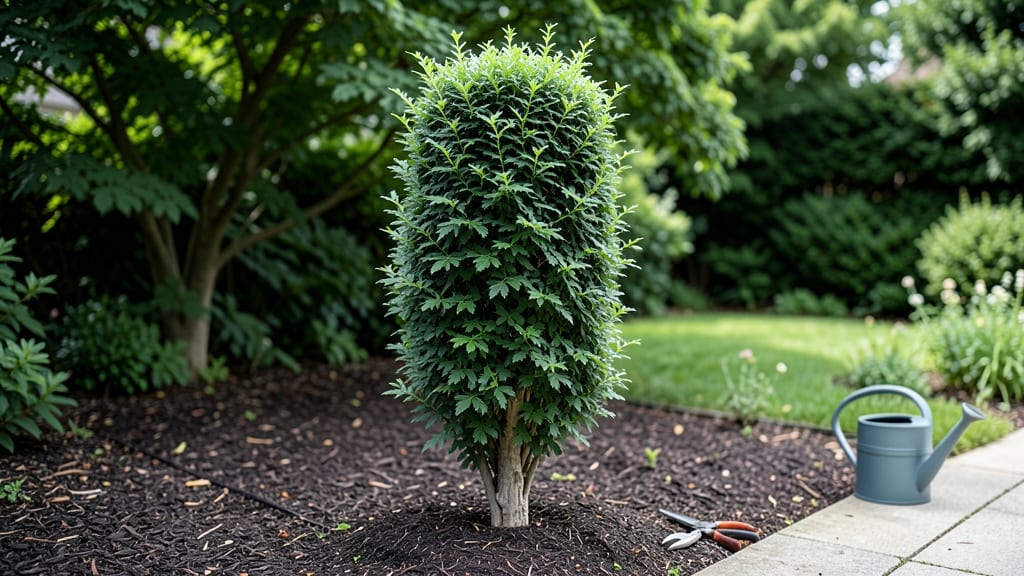
Dwarf shade trees transform tight spaces into lush, private retreats without sacrificing your lawn or driveway. 🌿 I remember planting a Japanese maple in my tiny front yard—within a year, it created a cozy canopy over my patio, blocking harsh afternoon sun while adding stunning fall color.
These compact powerhouses do more than just provide shade; they anchor garden designs, frame views, and even boost property value by adding curb appeal.
The real magic happens in how versatile they are. A single dwarf oak (mature height of 15-20 feet) can replace a towering evergreen, while serviceberry trees offer seasonal interest with white spring blooms, summer fruit, and fiery autumn leaves.
They thrive in containers too—perfect for patios or renters who need mobility. Pair them with hostas or ferns for a lush understory, or let them stand alone as dramatic focal points in modern landscapes.
What you’ll love most is the instant privacy they create—no more peeking neighbors or glare from streetlights. I planted mine just 6 feet from my house, and now I can enjoy my morning coffee under their branches without a care.
They’re also low-maintenance: most only need annual pruning to shape, and their shallow roots won’t disrupt sidewalks or foundations. The right species can even improve air quality and reduce cooling costs by up to 20% in summer.
Whether you’re working with a postage-stamp backyard, a narrow urban lot, or just want to add structure to a cottage garden, dwarf shade trees deliver big impact with small footprints.
Let’s explore the best species for your space and how to place them for maximum effect—without sacrificing style or function.
📚 In This Guide
- What you need
- Instructions
- Tips and common mistakes
- Wrapping up and next steps
What you need
- ● Dwarf shade tree seedlings or saplings: Choose 3–5 plants, depending on desired coverage (e.g., Dwarf Ficus, Japanese Maple, or Crape Myrtle). Opt for 1–3 gallon containers for mature roots.
- ● High-quality potting soil: 2–3 bags (1–2 cubic feet each) of well-draining, organic mix (e.g., Miracle-Gro Garden Soil or Espoma Organic Potting Mix).
- ● Planting hole tools: 1 shovel (round-point or flat-blade)
- ● 1 trowel (for precision planting)
- ● 1 garden fork (for aerating soil)
- ● Mulch: 1–2 bags of shredded bark or wood chips (2–3 inches thick) to retain moisture and suppress weeds.
- ● Watering supplies: 1 garden hose with adjustable nozzle
- ○ 1 watering can (optional, for delicate roots)
- ● Pruning tools: 1 pair of bypass pruners (for clean cuts)
- ● 1 small handsaw (if dealing with thicker branches)
- ● Staking materials (if needed): 3–5 bamboo stakes or metal tree supports
- ● Soft garden ties or rubber tree straps
- ● Fertilizer: Slow-release granular fertilizer (e.g., Osmocote Smart-Release) or liquid seaweed extract for a nutrient boost.
- ● Tree guards: Plastic or wire mesh guards to protect young trees from pests or curious pets.
- ● Soil amendments: Perlite or vermiculite (1–2 cups) to improve drainage in heavy clay soils.
- ● Drip irrigation system: For automated watering (great for busy schedules!).
- ● Gloves & knee pads: Because comfort (and clean hands) matter! 😉
- ● Check your USDA Hardiness Zone to ensure your chosen dwarf tree thrives in your climate.
- ● Test your soil’s pH (ideal range: 5.5–7.0 for most dwarf shade trees). Use a Luster Leaf Rapitest kit if unsure.
- ● Plan your planting layout—space dwarf trees 6–10 feet apart for optimal airflow and growth.
- ● Schedule planting for early spring or fall (avoid extreme heat or frost).
Step-by-step guide to planting and caring for dwarf shade trees
Here's how to create a lush, private outdoor space without sacrificing yard room.
🌱 Step 1: Choose the Right Varieties for Your Space
Start with dwarf cultivars like Japanese maple, ornamental cherry, or dwarf birch—these stay under 15 feet tall while providing ample shade. I always check the mature height and spread in catalogs to avoid surprises. For instant privacy, opt for multi-stemmed varieties that branch from the base rather than single-trunk trees.
Consider your climate zone too. Some dwarf trees, like serviceberry, handle cold winters better than tropical varieties. If your area gets heavy snow, avoid delicate branches that might snap under weight. The key is matching the tree's hardiness zone to your location—most nurseries list this info on their tags.
🪴 Step 2: Prepare the Planting Site
Select a spot with at least 6 hours of dappled sunlight daily—most shade trees tolerate partial shade but won't thrive in deep shadow. Dig a hole twice as wide as the root ball but only as deep. This prevents burying the trunk too deep, which can cause rot.
Amend the native soil with 2-3 inches of compost mixed into the bottom of the hole. For clay-heavy soil, add a handful of perlite to improve drainage. I always water the hole thoroughly before planting—this helps settle the soil and removes air pockets around the roots.
☀️ Step 3: Plant and Stake for Stability
Remove the tree from its container and loosen any circling roots gently with your fingers. Place it in the hole so the top of the root ball sits 1 inch above ground level. This ensures proper drainage while keeping the trunk stable. Fill the hole with soil, pressing lightly to eliminate air gaps but not compacting too firmly.
Water deeply to settle the soil, then add a 2-inch layer of mulch around the base, keeping it 3 inches away from the trunk. Install two stakes on opposite sides and tie the tree loosely with flexible straps—this prevents wind damage without restricting growth. I always check the ties monthly to ensure they're not cutting into the trunk.
💧 Step 4: Water and Fertilize for Healthy Growth
Water newly planted trees 2-3 times per week for the first month, providing 1 gallon per inch of trunk diameter. After that, water deeply once a week unless rainfall provides 1 inch of moisture. You'll know you're doing it right when the soil feels moist 6 inches down—use a screwdriver to check.
Apply a balanced 10-10-10 fertilizer at planting time, then again in early spring. For established trees, switch to a slow-release organic fertilizer in late winter to encourage new growth. I avoid high-nitrogen fertilizers—they promote leafy growth at the expense of strong wood structure.
✂️ Step 5: Prune and Maintain Year-Round
Prune in late winter or early spring before new growth begins. Remove any dead, diseased, or crossing branches using clean, sharp pruners. I always make cuts just outside the branch collar—the swollen area where the branch meets the trunk—to promote faster healing. For multi-stemmed trees, thin out crowded branches to improve airflow and reduce disease risk.
Monitor for pests like spider mites or scale insects, especially on new growth. A strong spray of water usually dislodges them, but for persistent infestations, use an insecticidal soap. In fall, apply a 3-inch layer of mulch around the base to protect roots from temperature swings. This simple step keeps soil temperatures stable and retains moisture during dry spells.
Tips & tricks for perfect dwarf shade trees
Creating a private outdoor space with dwarf shade trees takes thoughtful planning—and these tips will help you avoid common pitfalls while maximizing your investment.
Variety Selection Matters: When choosing between Japanese maple, ornamental cherry, or dwarf birch, consider not just mature height (under 15 feet) but also leaf shape and color patterns. I've learned that multi-stemmed varieties like serviceberry create instant privacy screens because their wide-spreading branches fill space quickly. For snowy climates, avoid delicate varieties that might break under winter weight—look for sturdy cultivars with thick branches.
Soil Prep is Non-Negotiable: The 2-3 inches of compost mixed into the planting hole isn't just about nutrients—it creates the perfect environment for root establishment. For clay-heavy soils, that handful of perlite makes all the difference in preventing waterlogging. I always test soil drainage by digging a small hole nearby and filling it with water—if it drains in less than 30 minutes, your soil is ready for planting.
Staking Strategy: Those flexible straps and two stakes aren't just decorative—they're crucial for the first growing season. I check the ties monthly because even gentle straps can cut into the trunk as it grows. Pro tip: Use rubber tree ties or old garden hose pieces instead of wire, which can leave permanent scars. The 1-inch elevation of the root ball above ground level also prevents rot while allowing proper drainage.
Watering Wisdom: The 2-3 times per week for the first month isn't arbitrary—it mimics natural rainfall patterns while establishing deep root systems. I always water in the morning so leaves have time to dry, reducing fungal risks. That 6-inch soil moisture check with a screwdriver is your best indicator of proper hydration. For established trees, let the soil dry slightly between waterings to encourage stronger root growth.
Pro Tips for Dwarf Shade Trees
- Creating a private outdoor space with dwarf shade trees takes thoughtful planning—and these tips will help you avoid common pitfalls while maximizing your investment.
- Variety Selection Matters: When choosing between Japanese maple, ornamental cherry, or dwarf birch, consider not just mature height (under 15 feet) but also leaf shape and color patterns.
- Soil Prep is Non-Negotiable: The 2-3 inches of compost mixed into the planting hole isn't just about nutrients—it creates the perfect environment for root establishment.
Frequently asked questions
Got questions about dwarf shade trees?
You’re not alone! Here are some of the most common inquiries—plus straightforward answers to help you make the best choice for your space.
What’s the best dwarf shade tree for small yards?
Top picks include the Dwarf Japanese Maple (for vibrant foliage), Emerald Green Arborvitae (evergreen privacy), and Dwarf Korean Lilac (fragrant blooms). Choose based on your climate, sunlight needs, and whether you want year-round coverage or seasonal color.
How long does it take for a dwarf shade tree to mature?
Most dwarf varieties reach full size (typically 6–12 feet tall) in 3–5 years, though growth speed depends on species, soil quality, and care. For faster results, opt for pre-pruned or container-grown trees—just be patient!
Can dwarf shade trees block enough sunlight for privacy?
Yes! While they won’t match the density of a full-sized tree, varieties like Dwarf Leyland Cypress or Dwarf Hinoki Cypress create a lush, semi-private screen when planted in clusters. For extra coverage, combine them with ornamental grasses or climbing vines.
Do dwarf shade trees need special care in extreme heat or cold?
Most are hardy, but water consistently during droughts and mulch to retain moisture. In cold climates, protect young trees with burlap wraps or anti-desiccant sprays. Avoid over-pruning—let them grow naturally for resilience!
What’s a good alternative if I don’t have space for a tree?
Try large shrubs like Boxwood or Holly, ornamental grasses (e.g., Miscanthus), or climbing plants on trellises. For instant privacy, bamboo screens or lattice panels are low-maintenance options!
Still unsure? Check your local nursery for native species—they’re often the easiest to grow!
Wrapping up and next steps
Dwarf shade trees are the perfect solution for homeowners who crave privacy, beauty, and low-maintenance landscaping without sacrificing space. Whether you’re working with a small yard, a tight urban plot, or just want to add greenery to a patio, these compact champions deliver year-round elegance with minimal fuss. 🌿✨
Ready to transform your outdoor space? Start by researching the best varieties for your climate and soil, then roll up your sleeves—planting one (or a few!) could be the simplest upgrade your garden ever gets! Browse our top picks and get growing today.