
Orchid Care
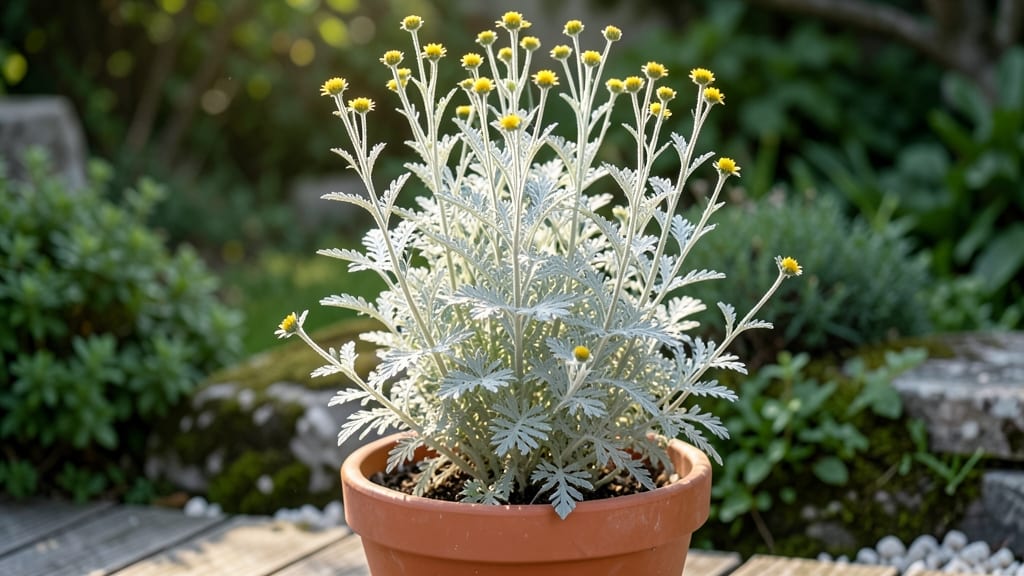
Dusty Miller thrives in sun or shade, but the right variety and care make all the difference for that signature silvery foliage 🌿.
Struggling to keep your Dusty Miller looking its best? Whether you’ve got a sunny border or a shady corner, this adaptable plant can handle both—but not all varieties shine equally in each spot.
Some Dusty Miller types lean toward sun, while others prefer shade, and their care needs shift dramatically based on light exposure. Get the wrong match, and you’ll end up with leggy stems or faded leaves.
In this guide, I’ll break down the best varieties for sun vs. shade, plus soil, watering, and pruning tips to keep your Dusty Miller lush year-round—no matter where you plant it.
 Best Window Placement
Best Dusty Miller varieties for sun vs. shade exposure
Dusty Miller (Artemisia spp.) is one of my favorite silver foliage plants because it thrives in both sun and shade—but not all varieties handle light the same way.
Some varieties bask in full sun, developing deeper silver hues, while others thrive in shade, maintaining their delicate texture without scorching. Choosing the right variety for your garden’s light conditions ensures year-round lushness and prevents common issues like leaf burn or stunted growth.
For sun-loving varieties, look for upright, bushy growth with bold silver foliage that intensifies in bright light. These types often develop darker stems and denser foliage, making them perfect for border edges or container gardens in sunny spots.
In contrast, shade-tolerant varieties typically have softer, more delicate leaves and spreading habits, ideal for woodland gardens or north-facing beds where direct sun is limited.
Here’s a breakdown of the top Dusty Miller varieties for sun vs. shade, including their growth habits, foliage texture, and ideal light conditions to help you pick the perfect match for your garden.
The Artemisia 'Powis Castle' is my go-to for sunny gardens because it handles full sun beautifully, developing richer silver tones and thicker stems. I’ve seen it thrive in south-facing beds where other Dusty Millers would wilt.
Its upright form makes it perfect for vertical interest in mixed borders or as a back-of-the-border plant. Just be sure to water deeply during summer heat to prevent leaf scorch.
On the other hand, Artemisia 'Silver Brocade' is a shade specialist with delicate, almost lace-like foliage. It’s ideal for woodland gardens or understory plantings where direct sun is minimal. This variety spreads gracefully, making it a great ground cover for dappled shade areas.
If you plant it in full sun, its leaves can yellow or brown, so partial shade is key for its best performance.
For smaller spaces, Artemisia 'Silver King' is a compact powerhouse that does well in both sun and partial shade. Its velvety texture adds luxurious contrast to rock gardens or container arrangements.
I often use it in window boxes where it gets morning sun and afternoon shade. This variety is also drought-tolerant, making it low-maintenance once established.
If you’re dealing with challenging shade, Artemisia 'Lambrook Silver' is a fantastic choice. It tolerates light shade better than most Dusty Millers and spreads slowly, making it ideal for ground cover in shady corners.
Its soft silver-green leaves blend seamlessly with hostas and ferns, creating a serene woodland feel. Just avoid deep shade, as it may lose its vibrant color over time.
Finally, Artemisia 'Silver Mound' is a versatile middle-ground variety that adapts to both sun and shade but exc
How to care for Dusty Miller in low-light or full-sun gardens
Dusty Miller (Artemisia stelleriana) thrives in both full-sun and low-light gardens, but its care needs shift dramatically depending on exposure. In sunny spots, its silvery foliage stays vibrant, while in shady areas, it grows slower but stays lush.
The key is adjusting your soil prep, watering schedule, and pruning routine to match its environment.
For full-sun gardens, focus on well-draining soil and regular watering to prevent leaf scorch. In shady spots, prioritize moisture retention and gentle pruning to maintain its compact shape.
Both environments require minimal fertilizer, but the timing differs—sun-loving plants need feeding in early spring, while shade plants benefit from mid-summer applications.
⚠️ WARNING: Common Mistakes with Dusty Miller in Sun or Shade
Start with the right soil mix. In full sun, amend native soil with sand or perlite to improve drainage. For shade, blend in compost or peat moss to retain moisture. Both setups need a slightly alkaline pH (6.5-7.5)—test your soil and adjust with lime if needed.
Watering schedules differ drastically: sun-exposed Dusty Miller needs deep watering every 5-7 days in summer, while shade-loving varieties thrive on bi-weekly watering. Always water at soil level to avoid wetting foliage, which attracts pests. In both cases, mulch heavily (2-3 inches) to regulate moisture and suppress weeds.
Prune strategically: In full sun, trim back 1/3 of growth in early spring to encourage bushier, silvery foliage. In shade, prune lightly in late spring to maintain shape without stressing the plant. Never prune in fall—this reduces its winter hardiness (zones 5-9).
Seasonal adjustments are critical. In summer sun, provide afternoon shade if leaves yellow—this signals heat stress. In winter shade, reduce watering to monthly and avoid pruning until spring. Both environments benefit from light feeding in spring (5-10-10 fertilizer), but skip fall applications to prepare for dormancy.
With these adjustments, your Dusty Miller will stay silvery, healthy, and compact year-round—whether basking in full sun or thriving in shade. The secret? Listen to your plant: crispy edges mean more water, while leggy growth signals it needs brighter light or pruning. 🌿