
Size
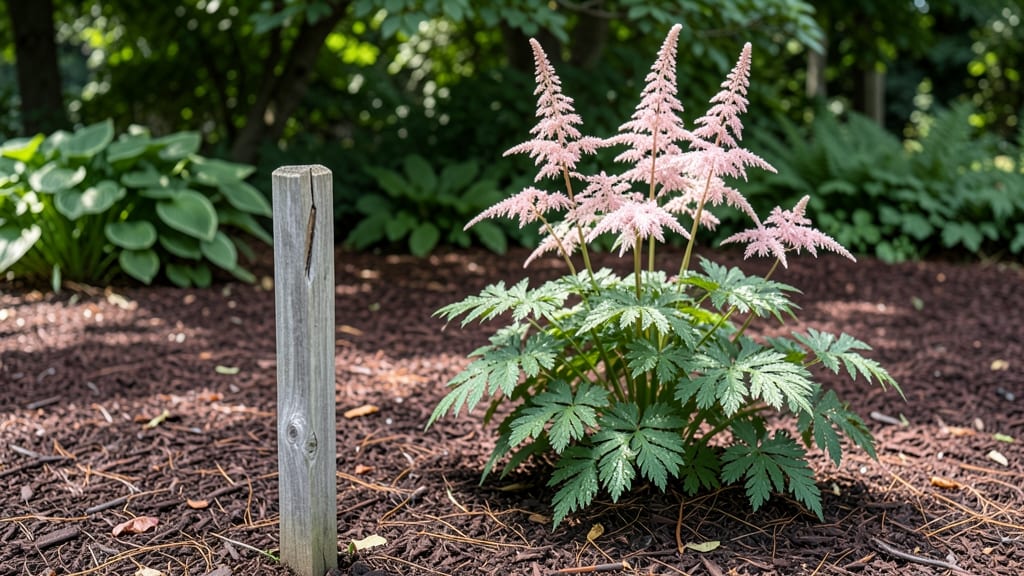
Yes, astilbe grows well in shade, thriving in partial to full shade for its signature feathery plumes and healthy foliage. Direct sunlight often causes leaf scorch, while deep shade may limit flowering. Plant it in dappled woodland areas or north-facing beds with consistently moist, well-drained soil for best results.
Astilbe isn't just shade-tolerant—it practically begs for the right amount of filtered light. 🌿 The secret lies in its native habitat: damp, wooded areas where sunlight dapples through tree canopies.
Unlike sun-loving perennials, astilbe's delicate leaves actually retain moisture better in shaded conditions, preventing the wilting that often plagues them in hot, dry spots.
What's fascinating is how the plant adjusts its blooming cycle based on light exposure—too little shade might delay those iconic plumes, while too much can make them sparse or pale.
For gardeners working with limited sunlight, this makes astilbe a game-changer. It pairs beautifully with other shade-lovers like heucheras or ferns, creating lush, low-maintenance borders. The key is mimicking its natural environment: moisture-rich soil (think mulched beds) and protection from harsh afternoon sun.
Even in deep shade, astilbe will still grow—just expect slightly smaller blooms unless you supplement with a bit of morning sun.
💡 In This Article
- Why Shade Boosts Astilbe’s Growth and Blooming
- Shade Gardening Tips for Astilbe Success
Why shade boosts astilbe’s growth and blooming
Astilbe’s love for shade stems from its natural habitat in damp, wooded understories where sunlight filters through tree canopies. The plant’s delicate foliage contains high levels of anthocyanins, pigments that protect leaves from UV damage—similar to how blueberries get their color.
In full sun, these pigments can’t keep up, leading to leaf scorch (brown, crispy edges) as moisture evaporates too quickly. Shade slows this process, allowing the plant to focus energy on root growth and plume development instead.
The real magic happens in partial shade (3-6 hours of morning sun, or dappled light all day). This balance triggers the plant’s flowering hormones, called florigen, which signal when to produce those iconic feathery blooms.
Studies show astilbe in full shade may still grow but often produce 30-50% fewer flowers compared to plants in filtered light.
For comparison, shade-loving hostas also thrive in similar conditions, but astilbe’s finer foliage makes it more sensitive to light fluctuations—even a few extra hours of direct sun can cause stress.
Moisture retention is another critical factor. Shade reduces transpiration rates (water loss through leaves) by up to 40% compared to sun exposure. This means astilbe can maintain consistent hydration, which is why it’s often found near streams or in woodland gardens.
Without shade, the plant’s roots struggle to keep up with water demands, leading to wilting or stunted growth. Think of it like wearing a hat on a sunny day—it’s not about blocking all light, but regulating how much reaches the plant.
What most gardeners overlook is how shade affects soil temperature. Cooler, shaded soil stays 5-10°F cooler than sun-exposed beds, which is ideal for astilbe’s root systems. In hotter climates, this difference can mean the difference between thriving plants and those struggling to establish.
For example, in Zone 7-8, astilbe in full sun may require daily watering, while shaded plants might only need supplemental watering during droughts.
The contrast with sun-loving perennials like daylilies or black-eyed Susans is stark. Those plants need full sun to photosynthesize efficiently, but astilbe’s lower light compensation point (the minimum light needed for growth) makes it far more adaptable to low-light conditions.
This is why it’s a staple in woodland gardens—it fills spaces where other perennials would struggle, adding height and texture without competing for sunlight.
One common misconception is that all shade is equal. Deep, dense shade (like under a thick evergreen canopy) can actually reduce flowering by up to 60% in some varieties.
The sweet spot is partial shade with some morning sun, which provides enough light for energy production without the stress of afternoon heat.
This is why gardeners often see the most vibrant astilbe blooms in east-facing beds or near deciduous trees that allow light to filter through in spring and summer.