
Plants
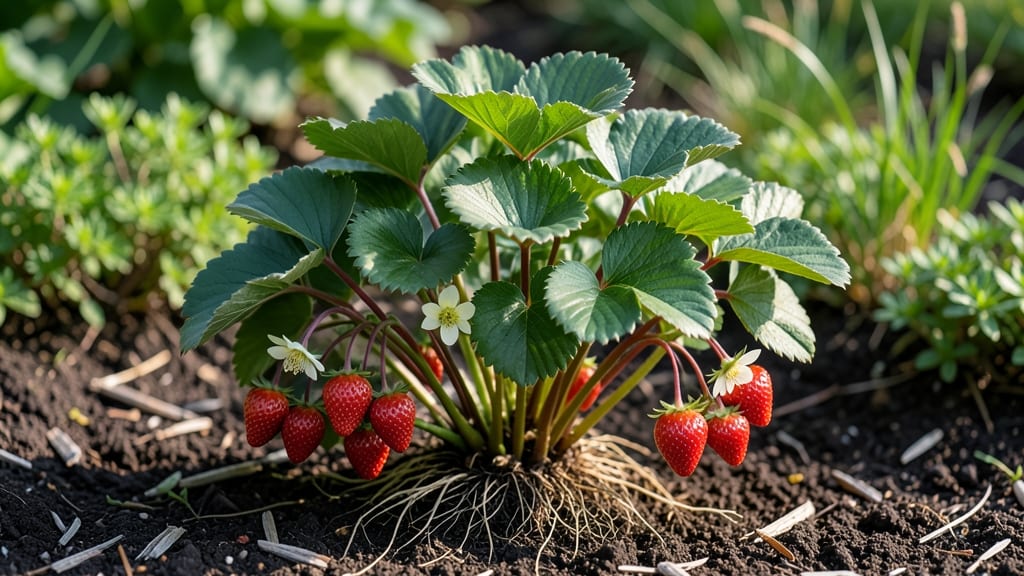
Do strawberries like sun or shade—preferably the sun—with at least 6 hours of direct sunlight daily to yield their sweetest, plumpest fruit, though some varieties tolerate light shade in hotter climates.
Picture this: you’ve spent weeks nurturing your strawberry plants, only to end up with tiny, tart berries instead of the juicy, flavorful ones you dreamed of. The culprit?
Too little light. While strawberries love sun, they’re not as picky as you might think — especially in cooler climates where afternoon shade can actually help.
In hotter zones like USDA 6a, afternoon shade prevents scorching, while everbearing varieties tolerate partial shade better than June-bearing types. The key is balancing light with temperature, water, and soil health to maximize your harvest.
Below, I’ll break down exactly how much sun strawberries need, how to spot light deficiencies, and smart shade solutions for different growing conditions — so you can grow berries that taste like summer, no matter where you live.
 Best Window Placement
How much sun do strawberries need for optimal growth?
Strawberries are one of the most rewarding plants to grow, but they’re not one-size-fits-all when it comes to sunlight.
While most varieties crave full sun, some can adapt to partial shade—if you understand their specific needs. June-bearing varieties, for example, demand the most light, while day-neutral types are slightly more flexible. Getting this right ensures sweeter, larger berries and healthier plants.
Insufficient sunlight leads to small, bland berries with poor color and flavor. Plants may also become leggy and weak, struggling to support fruit. Even 6 hours of sun can make a difference between a disappointing harvest and a bountiful one.
Let’s break down the ideal light conditions for each strawberry type and how to adjust if your garden is shadier than expected.
If your strawberries are getting less than 6 hours of sun, don’t despair. Morning sunlight is the most valuable—it’s cooler and less intense than afternoon rays. Position your plants near a south-facing wall or use reflective surfaces like white gravel or mirrors to bounce extra light onto the leaves.
Even dappled shade (filtering sunlight through trees) can work if paired with regular pruning to keep plants compact.
For June-bearing varieties, aim for 8–10 hours of sun to maximize fruit size and sweetness.
These varieties produce one big harvest per season, so they need all the energy they can get. Everbearing types, which fruit in two seasons, do well with 6–8 hours but may need afternoon shade in hot climates to prevent scorching. Day-neutral strawberries are the most adaptable, thriving in 5–8 hours and even tolerating 3–4 hours if conditions are ideal otherwise.
Watch for tall, spindly growth or fewer flowers, which are red flags for insufficient light. In these cases, consider transplanting your strawberries to a sunnier spot or using grow lights for container-grown plants.
A south-facing window or a sunny patio can work for smaller setups, but ensure they get at least 5 hours of direct light daily.
In hot climates, too much afternoon sun can burn leaves and reduce fruit quality. If temperatures exceed 90°F (32°C), provide light shade (30–50% coverage) during peak hours.
Use shade cloth or plant near taller crops like corn or sunflowers to create natural shade. Mulching with straw also helps regulate soil temperature and retain moisture.
For container-grown strawberries, choose pots with light-colored surfaces to reflect heat and place them where they get morning sun and afternoon shade.
Rotate containers weekly to ensure even light exposure. Dwarf varieties like ‘Albion’ or ‘Seascape’ are great for containers and adapt better to partial shade than larger types.
Remember: Consistency matters more than intensity. Strawberries prefer steady sunlight over sporadic bursts. If your garden has partial shade, focus on morning light and supplement with regular care—like balanced fertilization and consistent watering—to offset the lack of sun.
With the right approach, you can still enjoy a bountiful harvest, even in less-than-ideal light conditions.
Experiment with placement and observe your plants’ response. Over time, you’ll learn what works best for your specific climate and space. Whether you’re growing June-bearing, everbearing, or day-neutral varieties, understanding their sunlight needs is the first step to sweeter, healthier strawberries.
Signs your strawberry plants aren’t getting enough sun (and how to fix it)
If your strawberry plants are producing tiny, bland berries or struggling to flower, they might not be getting enough sunlight. Strawberries are sun-lovers, but even a few hours less than ideal can drastically reduce fruit quality. The key is recognizing the early warning signs before your harvest suffers.
Leggy, stretched-out plants with long stems and few leaves are a classic sign of light deprivation. These plants stretch toward any available light, weakening their structure and reducing energy for fruit production. Even if you’re not seeing these extreme symptoms, small, pale berries or poor flowering are red flags.
⚠️ Critical Light Needs for Strawberries
Strawberries need 6-10 hours of direct sunlight daily to thrive. Without enough light, they’ll produce small, sour berries or fail to fruit altogether. Even partial shade (less than 4 hours of sun) can stunt growth and reduce yields by up to 50%. If your plants are struggling, relocate them to a sunnier spot immediately.
One of the first changes you’ll notice is fewer flowers or delayed blooming. Strawberries need sunlight to trigger flowering, so insufficient light can leave your plants looking healthy but barren.
If your plants are flowering but producing tiny, underdeveloped berries, they’re likely not getting enough energy from sunlight to support proper fruit growth.
To fix light deficiency, start by pruning nearby shade sources like tall plants or overhanging branches. If relocating isn’t an option, consider using reflective surfaces like white mulch or mirrors to bounce extra light onto your plants.
For container-grown strawberries, move them to a south-facing window or use a grow light for 4-6 hours daily.
Not all strawberry varieties are equal when it comes to shade tolerance. June-bearing varieties like 'Chandler' need full sun, while everbearing types such as 'Seascape' can tolerate partial shade (4-6 hours of sun).
If you’re in a shady climate, choose day-neutral varieties like 'Ozark Beauty,' which produce fruit in lower light conditions but still yield best with at least 6 hours of sun.
For immediate results, thin out crowded plants to improve air circulation and light penetration. Remove any weak or leggy stems to redirect energy to healthier growth. If your soil is compacted, aerate it to help roots access nutrients more efficiently.
With these adjustments, you’ll see stronger plants and bigger, sweeter berries within weeks.