
Plants
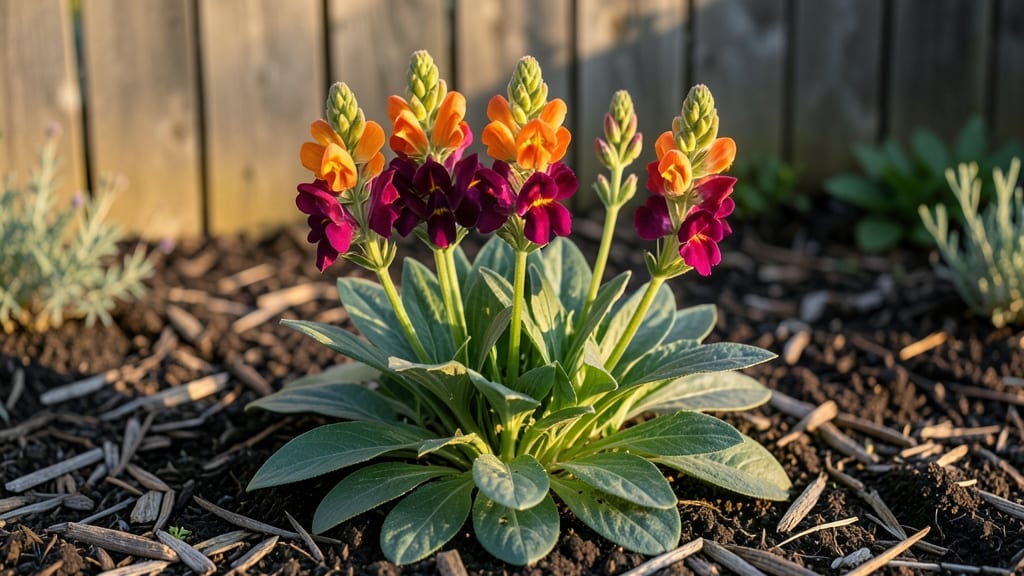
Wondering do snapdragons like sun or shade, here’s the truth: they adore full sun but can tolerate some afternoon shade—just give them at least 6 hours of light daily for those vibrant blooms and sturdy stems 🌸.
Struggling to get your snapdragons to bloom? The battle between sun and shade might be the hidden factor stalling their growth—and here’s the science-backed answer to unlock their full potential.
In cooler climates like USDA Zone 6a, they’ll bask happily in morning sun with afternoon shade, while hotter regions need filtered light to prevent wilting. Too little light? Expect leggy stems and sparse blooms.
Below, I break down the exact light needs by variety, how to spot sunburn, and when to pull back the shade cloth for peak flower production—no guesswork, just results.
 Best Window Placement
Snapdragon sun requirements: how much light they need for optimal growth
If you've ever wondered, "do snapdragons like sun or shade?", the answer is clear: these stunning biennial or annual flowers thrive in full sun for the most vibrant blooms.
With 6 to 8 hours of direct sunlight daily, snapdragons reward you with tall spikes of colorful, fragrant flowers that last from summer through fall. But there's more to their light needs than just hours—seasonal adjustments and regional climates play a role too.
Snapdragons originated in Mediterranean climates, where they adapted to bright, intense sunlight. This heritage explains why they perform best in full sun gardens, especially in USDA zones 7-10.
However, in hotter regions like zone 10+, afternoon shade can prevent sunburned leaves and wilting blooms. Understanding these nuances is key to unlocking their full potential.
Light deprivation is the silent killer of snapdragon blooms. When these plants don't get enough sun, they'll stretch toward light, producing tall, leggy stems with fewer flowers. You might also notice pale, weak foliage and buds that fail to open. These signs scream for more sunlight—but how much is too much?
Here's the breakdown you need to optimize your snapdragons' light exposure:
| Light Condition | Sunlight Hours | Growth Impact | Best For |
|---|---|---|---|
| Full Sun | 6-8 hours | Vibrant blooms, strong stems, abundant flowers | Cooler climates (zones 7-9), spring/fall seasons |
| Partial Sun | 4-6 hours | Moderate growth, fewer blooms, leggy stems | Hot climates (zones 10+), afternoon shade |
| Partial Shade | 2-4 hours | Poor blooming, weak stems, pale foliage | Emergency situations only |
| Deep Shade | <2 hours | No blooms, etiolated growth, survival only | Avoid completely |
Spring is the golden season for snapdragons, when they need maximum sunlight to establish strong roots and flowering stems. Aim for 6-8 hours of morning sun with 2-4 hours of afternoon shade if temperatures exceed 85°F (29°C).
This balance prevents heat stress while ensuring optimal photosynthesis for bud development.
Summer brings challenges, especially in southern climates. While snapdragons can handle full sun year-round in cooler zones (7-9), they'll bolt prematurely in zone 10+ without protection. Use lightweight shade cloth (30-50%) during peak afternoon heat (12 PM - 4 PM) to maintain bloom quality.
This simple adjustment can extend your flowering season by 3-4 weeks.
Fall is when snapdragons truly shine, as cooler temperatures and longer daylight trigger prolonged blooming. If you're growing biennial snapdragons, give them full sun exposure during this season to store energy for next year's blooms.
Even annual varieties will reward you with second flushes of flowers if they receive consistent sunlight.
Identifying light deprivation symptoms early can save your snapdragons. Watch for stretched stems reaching upward—this is their way of searching for light. Yellowing leaves on the lower stems and buds that refuse to open are other red flags.
If you notice these signs, relocate your plants to a sunnier spot immediately. For container-grown snapdragons, move them to a south-facing windowsill or under grow lights (12-14 hours daily).
Pro tip: Rotate your snapdragon containers every few days to ensure even sunlight exposure on all sides. This prevents lopsided growth and uneven blooming. In garden beds, space plants 10-12 inches apart to allow unobstructed sunlight to reach each plant's foliage and flowers.
Proper spacing also improves air circulation, reducing the risk of fungal diseases that thrive in shady, humid conditions.
Remember, snapdragons are adaptable, but they won't compromise on their sunlight needs for peak performance. By providing 6-8 hours of direct sun and adjusting for seasonal extremes, you'll enjoy taller stems, brighter blooms, and longer-lasting flowers all season long. 🌸
Shade tolerance in snapdragons: when and how to protect them from too much sun
Snapdragons thrive in full sun, but regional climates can turn that bright light into a problem. In hot, dry zones like the Southwest, afternoon sun can scorch leaves, while temperate climates may require afternoon shade to prevent stress.
The key is balancing their love for light with protection from intense midday rays. Without adjustments, you’ll see fewer blooms and wilted foliage—even if you’re watering regularly.
Recognizing sunburn signs early saves your snapdragons. Look for yellowing leaves, crispy edges, or a bleached appearance on foliage exposed to harsh sun. These symptoms appear first on lower leaves and spread upward if the issue isn’t addressed.
In my Zone 8 garden, I’ve seen snapdragons bolt (send up flower stalks prematurely) when they’re pushed too hard into full sun without acclimation.
⚠️ callout warning ⚠️
Do snapdragons like sun or shade? They love sun but can’t handle unfiltered midday heat in hot climates. In USDA Zones 7-10, provide morning sun + afternoon shade to prevent leaf scorch. In cooler zones (3-6), full sun is ideal, but watch for overheating during heatwaves.
Pro Tip: Use lightweight shade cloth (30-50%) in peak summer months to mimic dappled light under trees.
For strategic shading, I recommend dappled light solutions like planting snapdragons under partial shade trees (e.g., Japanese maples or ornamental cherries) or using shade mesh. A 50% shade cloth reduces sunlight by half while allowing airflow—critical for preventing fungal issues.
In containers, move pots to east-facing spots during summer to avoid afternoon sun.
Regional tweaks make all the difference. In arid climates, mulch heavily with straw or wood chips to retain moisture and cool roots. In humid areas, prioritize air circulation by spacing plants 12-18 inches apart and avoiding dense foliage overhead.
My Pacific Northwest snapdragons (Zone 7) handle full sun year-round, but I still monitor for heat stress during July-August.
Test your snapdragons’ comfort level with a simple light audit. Place a white sheet of paper near the plants at noon—if the shadows are smaller than the object, they’re getting too much direct sun.
Adjust by adding reflective surfaces (like a white fence) to bounce light indirectly or install shade sails at a 45-degree angle to filter harsh rays.
Remember: Snapdragons are adaptable, but their bloom quality depends on light balance. Aim for 5-6 hours of morning sun plus 2-3 hours of filtered light in hot afternoons.
With the right shading, you’ll see longer stems, brighter blooms, and plants that last well into fall—proving that even sun-lovers need a little shade sometimes.