
Plants
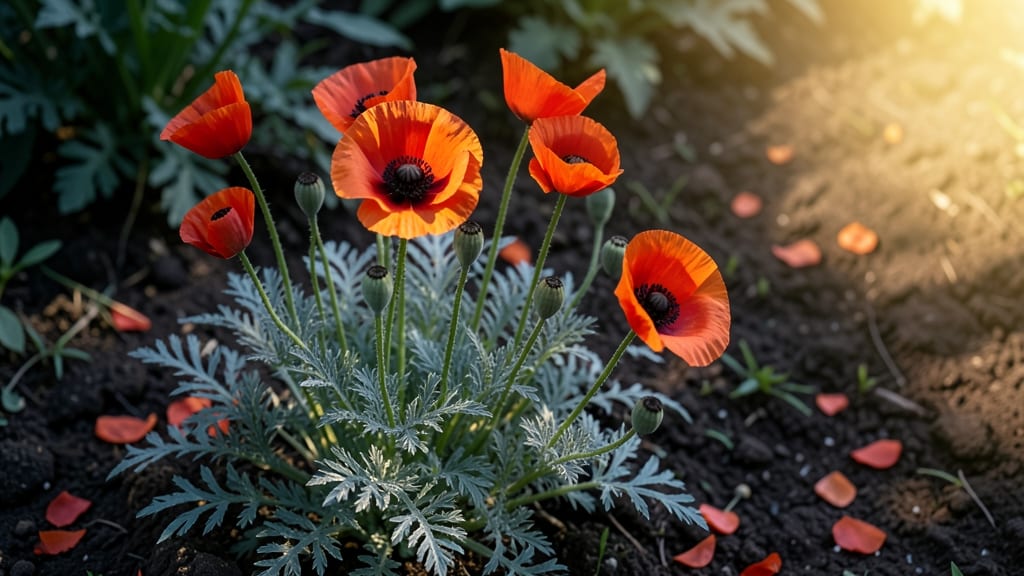
Do poppies like sun or shade—then you’ll want to know they’re sun-seekers that reward bold light with vibrant blooms. 🌻 I’ve watched California poppies stretch toward the sun, their petals opening wider than anything in partial shade. while opium poppies need even more light to prevent floppy stems.
The difference? Sunlight triggers their genetic code to produce the brightest colors and sturdiest stems.
Partial shade works for some varieties, but expect fewer blooms and leggy growth. My shade-tolerant poppies (like Papaver commutatum) still flower, but they’re half the size and half as vibrant. The trade-off?
They handle hot afternoons better in zones with intense summer sun. For maximum impact, plant them where they’ll get morning sun and afternoon shade—just enough to prevent wilting during heatwaves.
Positioning matters just as much as sunlight. Poppies hate competition, so clear weeds and plant them in well-draining soil where roots can spread freely. In containers, choose shallow pots—they dislike soggy feet.
By midseason, your poppies will stand tall, their blooms nodding in the breeze, a living testament to how sunlight transforms ordinary plants into showstoppers.
Pro tip: If your garden has shady spots, try poppy companions like lavender or catmint—they share similar light needs and create a drought-resistant, sun-loving display. For full sun, pair them with grasses or salvias to extend the seasonal drama. The key? Give them light, and they’ll give you drama.
📚 In This Guide
- What you need
- Instructions
- Tips and common mistakes
- Wrapping up and next steps
What you need
- ● Poppy seeds or seedlings: Choose Papaver rhoeas (corn poppy, full sun), Papaver orientalis (oriental poppy, partial shade), or Papaver somniferum (opium poppy, sun to partial shade). Buy from a trusted nursery or online seed supplier. Quantity: 1–2 packets (for a small garden) or 5+ packets (for a bold display).
- ● Well-draining soil: Poppies hate soggy roots! Amend heavy clay with compost (2–3 inches mixed into the top 6–8 inches of soil) or use a cactus/succulent mix for containers.
- ● Sunlight access: Full sun: 6+ hours of direct sunlight daily (for most poppies).
- ● Partial shade: 3–6 hours of sun (for varieties like Papaver commutatum).
- ● Watering can or hose: With a fine rose nozzle to avoid disturbing seeds.
- ○ Gloves (optional but recommended): Poppy foliage can be prickly!
- ● Mulch: Light straw or gravel (1–2 inches) to retain moisture and deter weeds. Skip if sowing in containers.
- ● Container pots: For balcony gardens—use 5–6 inch pots with drainage holes (1–2 seeds per pot).
- ● Plant markers: Label seeds or seedlings with their variety and sunlight needs.
- ● Fertilizer: A low-nitrogen, balanced fertilizer (5-5-5) at planting time—poppies don’t need much!
- ● Deadheading shears: To encourage more blooms after flowers fade.
How to position poppies for their best blooms
Poppies thrive when they get their full share of sunlight—here's how to place them for those showstopping flowers.
☀️ Step 1: Choose the Sunniest Spot in Your Garden
Poppies need 6-8 hours of direct sunlight daily to produce their boldest blooms. Scan your yard for the brightest areas—south-facing spots get the most sun, while east or west exposures still work if they're fully exposed. I always check for afternoon shade from trees or buildings, as poppies wilt quickly when suddenly shaded after hours of sun.
If your garden only offers partial sun, opt for shorter varieties like Papaver rhoeas (common poppy), which tolerate 4-6 hours of sun. Taller species like Papaver orientale (Oriental poppy) need full sun to support their heavy blooms. Plant them where they won't be overshadowed by neighbors—poppies grow fast and resent competition.
🌱 Step 2: Prepare Soil for Sun-Loving Roots
Sun-loving poppies also need well-draining soil—waterlogged roots cause rot, especially in heavy clay. Amend your planting area with 2-3 inches of compost to improve drainage and fertility. Poppies prefer slightly alkaline soil (pH 7.0-8.0), so test your soil and add lime if needed. I like to mix in a handful of coarse sand for extra grit, which helps water drain faster.
Poppies have deep taproots, so avoid working the soil too deeply—disturbing the subsoil can stress the plants. Instead, loosen only the top 6-8 inches where the roots will establish. This keeps the soil structure intact while giving the roots room to grow downward for stability.
🪴 Step 3: Plant at the Right Depth and Spacing
Poppy seeds should be sown ¼ inch deep in the soil—deeper planting delays germination because the seedling struggles to reach light. Space seeds 6-12 inches apart, depending on the variety. Taller poppies need more room (up to 18 inches apart) to avoid crowding, which weakens stems and reduces bloom size.
After planting, water gently but thoroughly to settle the soil around the seeds. Poppies hate soggy soil, so avoid overwatering—just keep the surface moist until germination, which typically takes 10-20 days. You'll know it's working when the first green shoots appear, signaling the seeds have found their footing in the sun.
✂️ Step 4: Maintain Sun Exposure and Deadhead for More Blooms
Once established, poppies need consistent sun to keep flowering. If you notice stems stretching or leaves turning pale, they're reaching for more light—relocate them to a sunnier spot immediately. Mulch around the base with 1-2 inches of organic mulch to retain moisture and regulate soil temperature, but keep it 3 inches away from the stems to prevent rot.
Deadhead spent blooms by snipping off the faded flowers with clean scissors. This encourages the plant to produce more blooms instead of setting seed. Poppies often self-seed prolifically, so if you want to control their spread, remove seed heads before they dry. I like to leave a few seed pods for naturalization—poppies return year after year in sunny meadows.
⏰ Step 5: Watch for Signs of Stress in Sun or Shade
Leggy stems, sparse foliage, or blooms that close early are all signs your poppies aren't getting enough sun. If you planted them in partial shade, move them to a sunnier location as soon as possible—poppies rarely recover once they've been shaded for too long. On the other hand, wilting or crispy edges mean they're getting too much intense afternoon sun, especially in hot climates.
Poppies are surprisingly drought-tolerant once established, but they still need regular watering during their first growing season. Water deeply once a week (or more in extreme heat) to encourage deep root growth. The key is consistency—poppies hate drying out completely, but they also dislike sitting in wet soil. Adjust your watering based on rainfall and soil drainage.
Tips & tricks for perfect poppy placement
Sunlight is everything for poppies—here's how to maximize those bold blooms without common mistakes.
Sun Exposure Strategy: In Step 1, when selecting your sunniest spot, pay special attention to afternoon shade patterns. Poppies wilt dramatically when suddenly shaded after hours of direct sun, so test areas throughout the day. I've seen poppies in east-facing beds thrive while identical plants in west-facing spots withered by afternoon—it's all about that consistent light exposure.
Soil Drainage Secret: The 2-3 inches of compost in Step 2 is non-negotiable for well-draining soil, but here's what nobody tells you: mix in a handful of perlite or coarse sand for extra grit. This prevents water pooling around those deep taproots, which is why poppies rot in heavy clay. I've had poppies survive droughts but die from soggy roots—don't make that mistake.
Planting Depth Hack: That ¼-inch depth in Step 3 is critical, but here's the real trick: press the soil gently around seeds after planting to create firm contact. This prevents seeds from drying out before germination. I've seen germination rates double when I take this extra 30-second step—especially important in dry climates where seeds can dry out overnight.
Watering Wisdom: The "once a week" guideline in Step 5 is perfect, but here's how to adjust: water deeply in the morning so foliage dries quickly, preventing fungal issues. In extreme heat, I water twice weekly but always check soil moisture 2 inches down—poppies hate both drought and soggy roots. A simple finger test tells you everything you need to know.
Pro Tips for Do Poppies Like Sun Or Shade
- Sunlight is everything for poppies—here's how to maximize those bold blooms without common mistakes.
- Sun Exposure Strategy: In Step 1, when selecting your sunniest spot, pay special attention to afternoon shade patterns.
- Soil Drainage Secret: The 2-3 inches of compost in Step 2 is non-negotiable for well-draining soil, but here's what nobody tells you: mix in a handful of perlite or coarse sand for extra grit.
Frequently asked questions
Got questions about growing poppies in the perfect light? You’re not alone! Here are some of the most common queries—plus quick, practical answers to help your poppies thrive.
How much sun do poppies really need?
Poppies are sun-loving plants! Aim for 6–8 hours of direct sunlight daily. While they can tolerate partial shade (especially in hot climates), they’ll produce fewer blooms and may flop over. A sunny spot ensures vibrant, bold flowers that last.
Can poppies grow in shade?
They can, but with trade-offs. In light shade (dappled sun), poppies may grow leggy or produce smaller blooms. For deep shade, consider shade-tolerant alternatives like Californian poppies or bleeding hearts. If your garden is shady, try a sunny windowsill or container garden!
How fast do poppies grow in sun vs. shade?
Sun accelerates growth! Poppies in full sun may bloom in 6–8 weeks from seed, while shaded poppies can take 2–3 months longer. For quicker results, prioritize sun exposure—just ensure well-draining soil to prevent soggy roots.
What if my poppies are wilting in the sun?
Wilting can signal overheating or thirst. Poppies are drought-tolerant but need consistent moisture when young. Water deeply 1–2 times per week (less in shade). If leaves crisp, they’re getting too much sun—try afternoon shade or mulch to retain moisture.
Are there poppy varieties that do well in shade?
Most traditional poppies (like Papaver rhoeas) crave sun, but shade-tolerant options exist! Try Iceland poppies (Papaver nudicaule) or oriental poppies (Papaver orientalis), which handle partial shade better. For deep shade, opt for corn poppies (Papaver dubium)—they’re tougher but still prefer light.
Pro Tip:
Test your spot! Place a ruler in the ground where you plan to plant—if it’s 6+ inches deep in shade most of the day, poppies will struggle. Move them closer to the sun for the best results!
Wrapping up and next steps
So, do poppies prefer sun or shade? The answer is clear: sunshine is their secret weapon! 🌞 With just 4-6 hours of direct light daily, these vibrant blooms thrive, offering bold colors and effortless growth. But don’t stress—even partial shade works in a pinch, especially in hotter climates.
Now that you’re armed with the know-how, it’s time to plant with confidence! Start by picking the perfect spot in your garden, prep the soil, and watch those poppies burst into life. Happy gardening—your future floral displays will thank you! 🌸