
Light Requirements
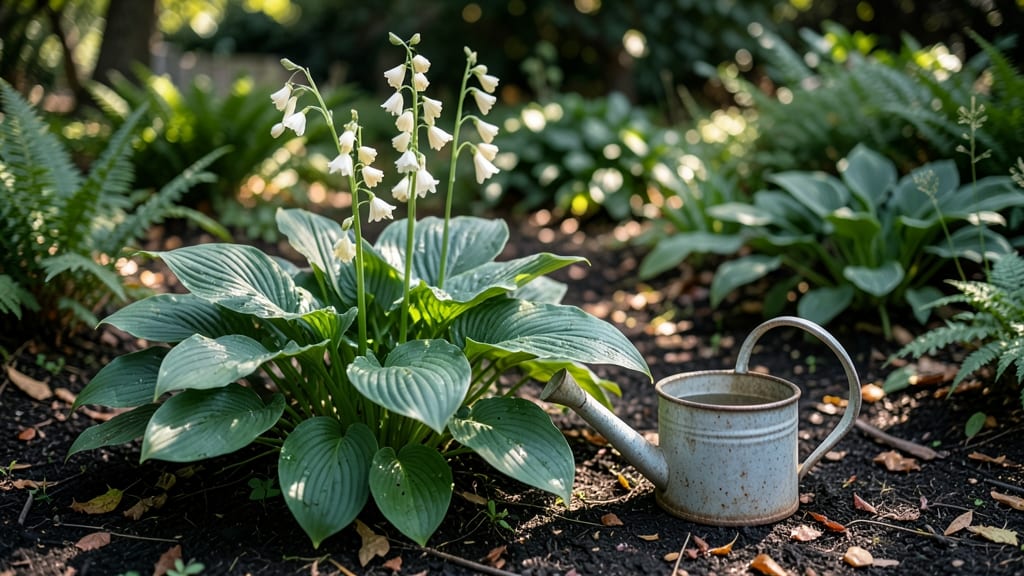
Hostas thrive in shade, but getting their light needs right is the key to vibrant foliage and strong growth 🌿—too much sun or too little can turn your prized plants into a shadow of their potential.
Struggling to keep your hostas thriving? The secret might be simpler than you think—these shade-loving plants actually prefer the right light conditions, and getting it wrong can mean the difference between lush foliage and sad, struggling leaves.
Most gardeners assume hostas will survive anywhere dim, but the truth is they need partial shade—think dappled sunlight or morning rays filtered through trees. Too much direct sun scorches their leaves, while deep shade dulls their colors and weakens growth.
In this guide, I’ll break down exactly how much shade hostas need, how to spot light-related stress, and which varieties shine in different shade levels—so you can finally grow the bold, healthy hostas you’ve always wanted.
 Best Window Placement
How much shade do hostas really need (and what happens if you get it wrong?)
Hostas are often called the "queens of shade," but that doesn't mean they thrive in any shady spot. These plants actually need specific light conditions to show off their stunning foliage and grow strong.
Too much sun or too little light can lead to leaf scorch, yellowing, or stunted growth—problems many gardeners face when they misjudge their hostas' needs.
Most hostas prefer partial shade, which means 3-6 hours of morning sun or filtered light throughout the day. This balance helps them avoid the harsh afternoon rays that can burn delicate leaves.
However, some varieties can handle full shade, while others need at least a little dappled sunlight to keep their colors vibrant.
When hostas get too much sun, their leaves can develop brown, crispy edges—a condition called leaf scorch. This happens because the intense UV rays dry out the foliage faster than the plant can handle.
In extreme cases, the entire leaf may turn yellow and crisp, and the plant can become stressed enough to stop growing altogether.
On the other hand, too little light leads to pale, weak foliage that lacks the deep colors hostas are famous for. Without enough light, hostas also produce fewer flowers and may become more susceptible to pests and diseases.
The key is finding that sweet spot of partial shade where they get just enough light to thrive without getting fried.
If your hostas are in a spot with morning sun and afternoon shade, you’re already on the right track. This is the ideal scenario for most varieties.
For example, planting them under deciduous trees provides natural shade in the hottest part of the day while still allowing filtered sunlight in the morning.
For gardeners in hot, dry climates, even partial shade can be challenging. In these areas, consider using light-colored mulch or shade cloth to protect hostas from the harsh afternoon sun.
A 30-50% shade cloth can make a huge difference in preventing leaf scorch while still allowing enough light for healthy growth.
One common mistake is assuming all shade is equal. Deep, dark shade—like under a dense evergreen tree—can be just as harmful as too much sun. Hostas need some light, even if it’s filtered.
If your hostas are struggling in a fully shaded spot, try moving them to a location with at least a few hours of indirect light each day.
Finally, remember that hosta varieties differ in their shade tolerance. Some, like 'Blue Angel', can handle full shade and still produce stunning foliage, while others, like 'Halcyon', need a bit more light to keep their colors vibrant.
Always check the specific variety’s care requirements when choosing where to plant them.
Getting the light right for your hostas can transform your garden from struggling plants to a lush, low-maintenance display. With the right balance of shade and light, your hostas will reward you with bold foliage, strong growth, and beautiful flowers—all while requiring minimal care. 🌿
Signs your hostas aren’t getting the right light (and how to fix it)
Hostas are famously shade-tolerant, but that doesn’t mean they thrive in any light conditions. Too little sun leads to weak, leggy growth, while too much causes leaf scorch and faded foliage.
The key is finding that sweet spot of partial shade—typically 3-6 hours of morning sunlight or dappled light throughout the day.
If your hostas look pale, stretched, or floppy, they’re likely reaching for more light. Conversely, brown edges, crispy leaves, or yellowing signal too much harsh afternoon sun. Even the flower stalks can suffer—skipping blooms entirely is a classic sign of light stress.
Start by observing your hostas’ current location. Are they under a dense canopy where light barely filters through? That’s likely too little light. If they’re in open shade with direct afternoon rays, they’re getting too much.
The goal is filtered, indirect light—think of it like a hosta spa day where they get just enough sun to stay happy but not fried.
For low-light gardens, consider supplemental lighting. A grow light on a timer for 4-6 hours daily can work wonders, especially in north-facing spots where natural light is scarce. Just avoid placing lights too close—they should mimic soft, natural shade, not blast like a tanning bed.
Pruning is another trick up your sleeve. If your hostas are overgrown and leggy, trim back the tallest, weakest stems to encourage bushier, healthier growth. Focus on removing the top third of the plant to balance its shape and redirect energy to stronger foliage.
Finally, amend your soil if needed. Hostas in low light benefit from extra organic matter—think compost or well-rotted manure—to help them absorb nutrients more efficiently. A mulch layer (2-3 inches) also keeps roots cool and retains moisture, which is especially helpful in shady, dry spots.
With the right light tweaks, your hostas will bounce back in no time—think richer colors, sturdier stems, and maybe even a few surprise blooms this season. 🌿