
Size
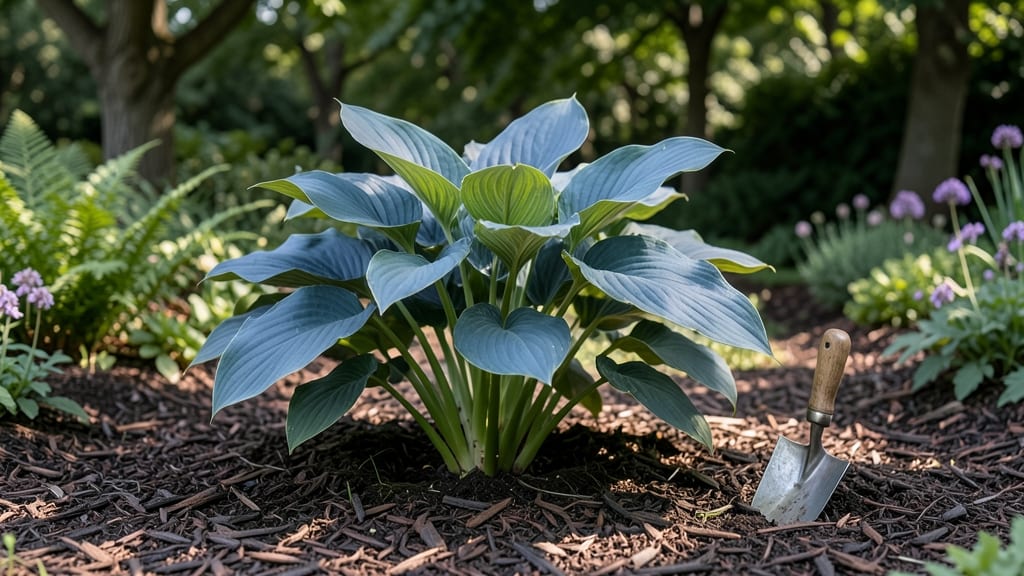
Hostas thrive in shade, growing beautifully in partial to full shade where they produce dense foliage and striking blooms. Selecting shade-tolerant varieties ensures healthier plants and vibrant color.
Hostas are nature's perfect shade lovers, thanks to their ability to adapt to low-light conditions where many plants struggle. 🌿 The secret lies in their chlorophyll, which efficiently captures even dim light for photosynthesis, allowing them to produce lush, broad leaves even in areas with minimal direct sunlight.
I've noticed that hostas in full shade often develop deeper, richer colors and larger leaves compared to those in bright light, where they might scorch or become leggy. This makes them ideal for wooded gardens or north-facing yards where sunlight is scarce.
Not all hostas are created equal when it comes to shade tolerance. Some varieties, like the Blue Angel or Guacamole, handle full shade exceptionally well, maintaining their signature colors and compact growth habits.
For partial shade (3-6 hours of sunlight), varieties like Halcyon or Francee shine with their striking variegation and robust foliage. Always check the specific variety's care requirements, as even shade-loving hostas appreciate some filtered light to prevent weak stems or pale leaves.
💡 In This Article
- How Shade Affects Hostas' Growth and Foliage Health
- Best Shade-Loving Hosta Varieties for Dark Gardens
How shade affects hostas' growth and foliage health
Hostas thrive in shade because their chlorophyll structure is uniquely efficient at capturing low levels of light. Unlike sun-loving plants that require intense light for photosynthesis, hostas can produce energy from as little as 10-30% of full sunlight.
This adaptation allows them to grow in areas where other perennials would struggle, like under tall trees or on north-facing walls. The trade-off? Their growth rate slows compared to sun-exposed plants, but the foliage becomes denser and more vibrant, often developing deeper hues of blue, green, or gold.
The intensity of shade directly impacts leaf size and color. In full shade (less than 3 hours of direct light), hostas typically produce larger, broader leaves with more intense pigmentation.
For example, the Blue Angel variety develops a striking cobalt-blue tint when grown in full shade, while the same plant in partial shade might show more muted tones.
Conversely, in partial shade (3-6 hours of light), leaves tend to be slightly smaller but more upright, with variegated patterns standing out more prominently. This is because indirect sunlight helps maintain the plant's structural integrity while still allowing chlorophyll to work efficiently.
Shade also influences hostas' growth patterns. In low-light conditions, plants allocate more energy to leaf production than to flowering, resulting in lush foliage but fewer blooms. This is why shade-grown hostas often have thicker stems and more compact growth habits, making them ideal for layered garden designs.
The trade-off is minimal—hostas are still capable of producing flowers, though they may be smaller or less frequent. For instance, the Patriot variety might produce 1-2 stems with lavender flowers in full shade, compared to 3-4 stems in partial shade. 🌿
One critical factor often overlooked is the quality of shade. Dense shade from evergreen trees (like pines or oaks) can create dry, acidic soil conditions, which hostas tolerate but prefer slightly richer, moist soil.
In contrast, shade from deciduous trees (like maples) allows seasonal light changes, promoting more balanced growth. To optimize shade conditions, I recommend mulching with 2-3 inches of organic matter to retain moisture and regulate soil temperature, especially in hot climates where shade can still lead to stress.
The science behind hostas' shade tolerance also involves their low light compensation point—the minimum light level required for photosynthesis. Hostas have one of the lowest among perennials, meaning they can photosynthesize even in dim light.
This adaptation is why they're often found growing naturally in woodland understories, where they compete successfully with ferns and other shade-tolerant plants. For gardeners, this means hostas can thrive in spots where few other plants dare to grow, making them a low-maintenance solution for dark corners of the garden.
For those wondering about the impact of shade on pests, the good news is that hostas in shaded areas are less prone to slug damage (a common issue in sun-exposed beds) and fungal diseases like leaf spot.
The cooler, more humid microclimate under trees actually discourages many pests, while the thicker foliage provides natural protection. However, watch for aphids or spider mites, which can still thrive in shaded conditions if humidity gets too high.
Regularly inspecting the undersides of leaves and maintaining good air circulation helps prevent infestations.