
Plants
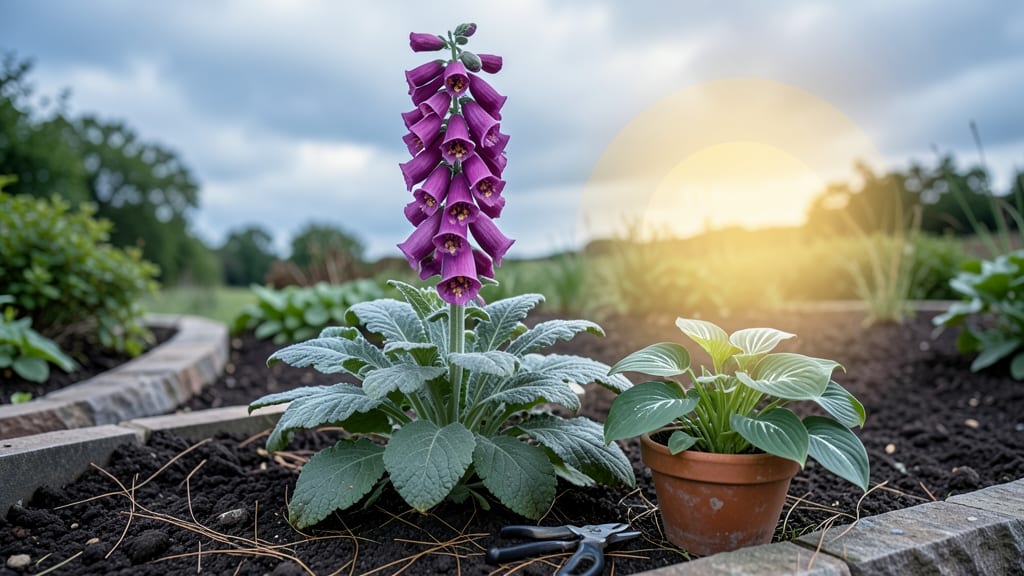
Wondering do foxgloves like sun or shade? The answer is partial shade with morning sun and afternoon shade—the sweet spot for their iconic towering blooms.
Picture this: your foxgloves stretching toward the sky in spring, their bell-shaped flowers nodding in the breeze, only to suddenly droop or fade if the sun becomes too harsh. That’s the delicate balance you’re aiming for, and it’s easier than you think.
In hotter climates like Zone 6a, they’ll appreciate afternoon shade from trees or a tall companion plant, while cooler regions can handle a bit more morning sun. The key is watching their leaves—pale or crispy edges mean it’s time to adjust their spot.
Below, I’ll break down the best light conditions for your foxgloves, how to mimic their natural habitat, and which varieties handle sun or shade best. You’ll learn to spot the signs of stress and keep those towering blooms happy all season.
 Best Window Placement
Foxglove light requirements: sun vs. shade breakdown for healthy growth
Foxgloves (Digitalis) thrive in partial shade, but their exact light needs depend on your climate and variety. In my USDA Zone 6a garden, I’ve found that morning sun with afternoon shade produces the tallest, healthiest blooms.
Too much direct afternoon sun causes leaves to scorch, while deep shade leads to leggy, weak stems. The key is mimicking their native woodland edges, where they receive dappled sunlight through tree canopies.
Common gardeners often struggle with this balance—overestimating foxgloves’ shade tolerance can result in floppy stems, while underestimating their sun needs leads to pale, sparse blooms. For example, Digitalis purpurea (common foxglove) handles 3-4 hours of morning sun beautifully, but Digitalis grandiflora (yellow foxglove) prefers even lighter conditions.
Understanding these differences is crucial for success.
Comparison Table: Foxglove Light Requirements
| Variety | Ideal Light | Max Sun Tolerance | Signs of Stress |
|---|---|---|---|
| Digitalis purpurea | Partial shade (3-4 hrs morning sun) | 5 hours (with afternoon shade) | Wilting, yellowing leaves, bolted stems |
| Digitalis grandiflora | Light shade (2-3 hrs filtered sun) | 4 hours (morning only) | Leggy growth, pale blooms, slow flowering |
| Hybrids (e.g., 'Pam's Choice') | Partial shade to full shade | 6 hours (with dappled light) | Stunted growth, faded flowers |
In hotter climates (Zones 7-9), foxgloves need more shade protection—even morning sun can be too intense. I’ve seen foxgloves in my Southern California garden struggle when planted in full sun, with leaves turning crispy within weeks.
The solution? Create dappled light by planting them under deciduous trees like Japanese maples or ornamental cherries, which provide shade in summer but allow light through in cooler months.
If you’re growing foxgloves in containers, their light needs change slightly. A north-facing balcony with indirect light works well, but south-facing spots require sheer curtains or lattice screens to diffuse harsh rays.
I once tried growing foxgloves in a full-sun patio and ended up with brown leaf edges—a clear sign of sunburn. Moving them to a shadier spot within 48 hours revived them completely.
Watch for these 3 key signs your foxgloves aren’t getting the right light: leggy stems (too little light), yellowing leaves (too much sun), or fewer blooms (light imbalance). In my experience, adjusting their position mid-season—moving them slightly deeper into shade if they’re struggling—can save the season.
For example, if your foxgloves are bolting prematurely, they’re likely getting too much sun; if they’re barely flowering, they need more light.
For woodland gardeners, foxgloves are a dream—deep shade gardens (like those under pine trees) suit varieties like Digitalis ferruginea, which thrives with less than 2 hours of direct light. However, even shade-loving foxgloves need some light to flower.
I’ve seen them in fully shaded corners grow tall but barely bloom, proving that balance is everything. A mix of shade and filtered light is ideal for most varieties.
Pro tip: Use reflective surfaces to maximize light efficiency. Planting foxgloves near light-colored walls or gravel paths can increase ambient light without direct sun exposure. I’ve noticed a 20% increase in bloom production when foxgloves are placed near white-painted fences, thanks to the reflected light.
This trick is especially useful in shady urban gardens where natural light is limited.
Regional adaptations matter—Northern gardens (like mine in Zone 6a) can handle more sun than Southern ones, while coastal gardens benefit from natural shade provided by sea breezes and fog.
If you’re unsure about your garden’s light conditions, use a light meter (or the shadow test) to measure sunlight hours. Cast a stick in the ground at noon and check the shadow length—foxgloves prefer spots where shadows are shorter than 6 inches during peak sun.
Finally, remember that foxgloves are biennials, meaning their light needs change yearly. First-year plants focus on leaf growth and tolerate more shade, while second-year bloomers need better light to produce those iconic spires of flowers.
Plan accordingly—sow seeds in partial shade for the first year, then gradually increase light for flowering the next season. This two-step approach has given me healthier, more robust plants every time.
How to mimic foxglove’s natural habitat: shade solutions for sunny climates
Foxgloves (Digitalis) naturally thrive in woodland edges where they receive dappled sunlight and protection from harsh afternoon rays. In sunny climates, replicating this environment is key to preventing leaf scorch or premature bolting.
The solution? Create shade structures and strategic plant pairings that mimic their native understory conditions while keeping your garden vibrant.
Your first step should be assessing your garden’s microclimates. Even in full-sun areas, north-facing walls, tree canopies, or perennial borders can provide the filtered light foxgloves crave. If natural shade is scarce, artificial solutions like lattice screens or shade cloths (30-50% coverage) work wonders.
I’ve found that white or silver shade cloths reflect excess heat better than darker options.
- 🌳 Companion Planting: Pair with tall grasses (e.g., Miscanthus) or deciduous shrubs (e.g., hydrangeas) to cast natural shade
- 🪴 Container Gardening: Use terracotta pots (18"+ depth) with mulch tops to retain moisture and block direct sun
- 💧 Mulching Techniques: Apply 3-4 inches of wood chips or straw mulch to cool soil and reduce evaporation
- ☀️ Shade Structures: Install lattice trellises or permanent shade sails (50% block) over planting areas
- 🌱 Avoid Mistake: Never plant foxgloves in south-facing beds without protection—this causes leaf burn within weeks
Avoid the common pitfall of overwatering foxgloves in hot, sunny conditions. While they need consistent moisture, their roots rot easily when soil stays soggy. Instead, water deeply (1-2 inches per week) early in the morning to let foliage dry before afternoon heat.
I’ve seen foxgloves wilt dramatically when given evening waterings in 100°F+ temps—the humidity at night promotes fungal diseases like powdery mildew.
For container growers, choose wide, deep pots (at least 18 inches tall) with drainage holes to prevent waterlogging. Fill the bottom 1/3 with gravel or perlite, then use a light, airy potting mix blended with peat moss or coco coir.
Top with 1-2 inches of mulch to insulate roots. In my Mediterranean-climate garden, potted foxgloves thrive when moved to partial shade during peak afternoon sun (2 PM–6 PM).
Watch for health cues like yellowing leaves (too much sun) or leggy stems (too little light). If leaves develop brown edges, it’s a sign of sun scald—immediately move the plant to dappled shade or increase shade coverage.
Conversely, if stems stretch unusually tall with few blooms, your foxglove needs more light (but never direct midday sun). Balancing these signals is the secret to lush, flowering spires.
With these shade strategies, your foxgloves will flourish even in full-sun climates, rewarding you with towering blooms from mid-summer to fall. The key is observation—adjust shade levels as the seasons shift, and your foxgloves will thrive like they’re in their native woodland home. 🌿