
Plants
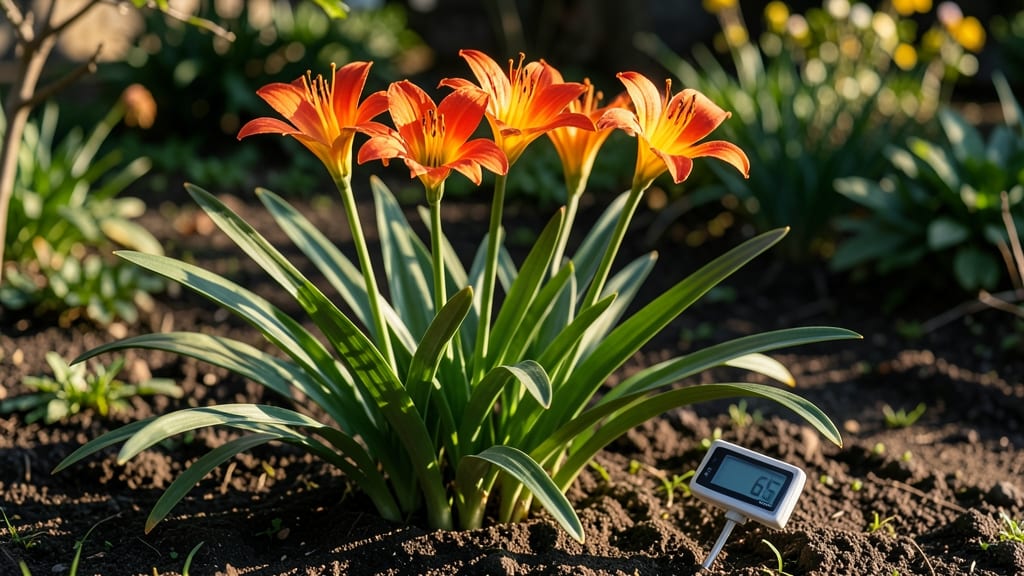
Do daylilies like sun or shade—thriving in full sun but handling partial shade—so they fit almost any garden spot with ease 🌸.
You’ve probably seen those vibrant blooms in both sunny borders and shady corners—so what’s the real story? Too much shade means fewer flowers, while too much blazing sun can stress the plants. The key is finding that sweet spot where your daylilies get enough light to bloom beautifully without wilting.
Most varieties love 6+ hours of direct sunlight daily, but some shade-tolerant types can handle just 4 hours—especially in hot climates. I’ll break down how to read your daylilies’ signals and adjust their light exposure for peak performance, whether you’re in a sunny meadow or a dappled woodland garden.
From diagnosing leggy stems to choosing the right spot for your USDA Zone 6a garden, you’ll learn exactly how to keep your daylilies happy, healthy, and blooming for years to come.
 Best Window Placement
Ideal sunlight requirements for daylilies to thrive and bloom
Daylilies are famously adaptable, but their sunlight needs can vary dramatically between varieties. Most thrive with 6-8 hours of direct sun daily, but some shade-tolerant types handle 3-4 hours without stress.
The key is understanding how sunlight triggers photosynthesis and bloom production in these perennials. Too little light leads to leggy growth, while excessive heat can scorch leaves in hot climates.
Scientifically, daylilies use sunlight to convert carbon dioxide into glucose through photosynthesis, fueling their iconic blooms. Varieties like Hemerocallis 'Stella de Oro' produce 3x more flowers in full sun compared to partial shade. However, in humid climates, afternoon shade can prevent leaf burn while maintaining bloom counts.
Here’s how to match your daylilies’ sunlight needs to your garden’s microclimate:
| Variety Type | Sunlight Needs | Bloom Impact | Climate Notes |
|---|---|---|---|
| Sun-Loving (e.g., 'Happy Returns', 'Pardon Me') | 6-8 hours full sun | Abundant, vibrant blooms | Best in zones 5-9; may need afternoon shade in zone 10+ |
| Partial Shade (e.g., 'Blue Ensign', 'Elsie') | 3-4 hours sun, dappled light | Moderate blooms, compact growth | Ideal for woodland gardens or urban patios |
| Shade-Tolerant (e.g., 'June Beauty', 'Evening Star') | 2-3 hours indirect light | Smaller blooms, slower growth | Thrives under trees; avoid deep shade |
In USDA zones 3-5, daylilies benefit from morning sun and afternoon shade to prevent winter dieback. Use reflective surfaces like light-colored mulch to maximize light absorption. For zones 8-10, prioritize afternoon shade to protect leaves from intense afternoon rays, which can cause sun scorch and reduce bloom quality.
If your garden has limited sunlight, choose varieties like 'Midnight Cowboy' or 'Black Night', which tolerate partial shade better than others. These types still produce 2-3 blooms per stem in 3 hours of light, though stems may be shorter.
For full-sun spots, 'Stella de Oro' and 'Happy Returns' deliver continuous blooms from early summer to fall.
Adjust sunlight exposure by pruning nearby trees or using light-colored containers to reflect extra light onto shade-loving varieties. In containers, rotate pots weekly to ensure even light distribution. Monitor leaf color: deep green indicates ideal light, while yellowing signals too much shade or brown edges mean too much sun.
Pro tip: Group daylilies by sunlight needs to create visual impact zones. Place sun-lovers near patios or walkways where they’ll get maximum light exposure, while shade-tolerant types can soften garden edges under trees. This zoning approach also simplifies maintenance and ensures each plant gets its ideal growing conditions.
For container gardening, select compact varieties like 'Little Grapette' (12" tall) and place pots on south-facing balconies or sunny decks. Use self-watering containers to prevent root stress from inconsistent moisture in high-light conditions.
Remember, daylilies are perennials with deep roots, so they can tolerate some light fluctuations. However, sudden changes (like moving a potted daylily from shade to full sun) can cause stress. Transition plants gradually over 2-3 weeks to avoid shock.
Signs your daylilies aren’t getting enough (or too much) sun
Your daylilies might be silently screaming for help if their leaves turn pale or stems stretch unnaturally tall. These are classic signs of sunlight stress, whether from too little light or scorching afternoon rays.
Unlike fussy annuals, daylilies are resilient—but even they need the right balance to produce those vibrant blooms you planted them for.
Start by checking your daylilies’ foliage color. Healthy leaves should be a deep, rich green. If they’re yellowing or developing brown patches, it’s often a sign of over-exposure to sun, especially in hot climates.
On the flip side, leggy stems with sparse blooms usually mean they’re craving more sunlight to fuel their growth. Let’s break down the key indicators so you can diagnose—and fix—the issue.
Plants stretch toward light
Burnt edges or bleached color
Sparse or no flowers
Crispy or dried edges
Slow or stunted development
Midday drooping
If your daylilies are stretching toward the sky like they’re reaching for a high-five, they’re likely starved for sunlight. This is especially common in shady garden corners or under tall trees. The good news?
Daylilies are adaptable. Try moving them to a spot with at least 4-6 hours of sunlight daily. Even a few extra hours can make a dramatic difference in their bloom production.
On the other hand, if your daylilies look like they’ve been left in a tanning bed, with crispy edges or bleached leaves, they’re getting too much direct sun. In hot climates, afternoon sun can be brutal.
Provide afternoon shade using lightweight shade cloth (30-50% coverage) or plant them near taller perennials that offer natural shade. Mulching with straw or wood chips also helps retain moisture and protect roots.
Don’t forget to check the soil moisture—daylilies under stress often need more water. When in doubt, stick your finger 1-2 inches into the soil. If it’s dry, water deeply in the morning to avoid evening moisture that can invite fungal diseases.
A little extra care now will keep your daylilies thriving for years to come.
Pro tip: Observe your daylilies for a week or two after making changes. Healthy growth should return within 3-4 weeks, with stronger stems and more abundant blooms.
If not, it might be time to adjust their location or consider sun-tolerant daylily varieties like 'Stella de Oro' or 'Happy Returns', which handle heat better than others.