
Light Requirements
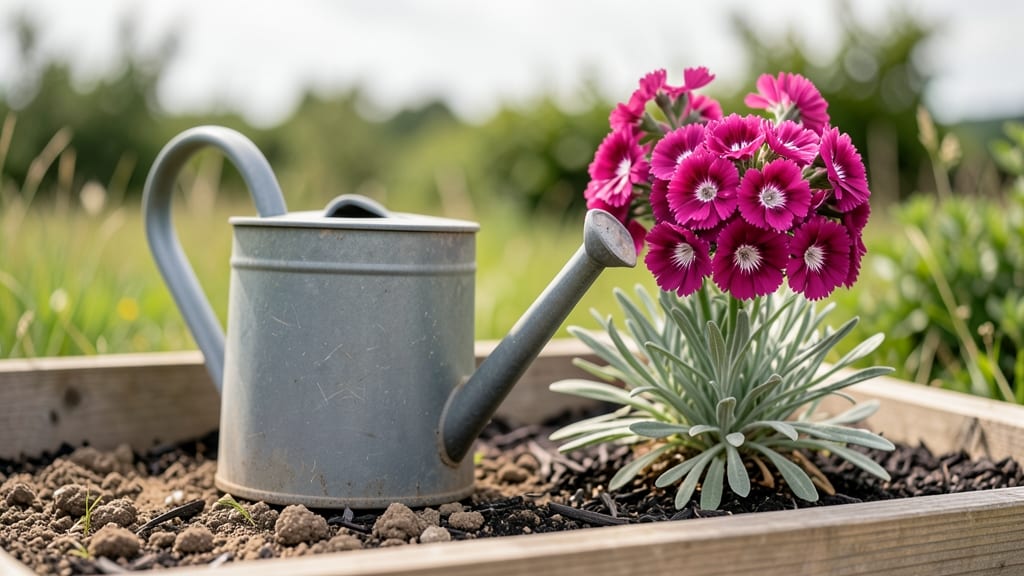
Dianthus thrives in either full sun or shade, but getting the balance right is the key to those vibrant blooms you’ve been dreaming of 🌸.
Struggling to keep your dianthus blooming year after year? The secret might be hiding in plain sight—your garden’s light conditions could be making or breaking your plant’s success.
These hardy flowers love flexibility, but too much shade can leave them leggy and sparse, while scorching sun might fry the petals before they even open. The trick is matching the right variety to your space—whether that’s a sunny border or a dappled woodland garden.
Below, I’ll break down how to read your dianthus’s light needs, spot the warning signs of over- or under-exposure, and even pick the best cultivars for your spot—so you can enjoy nonstop blooms from spring to fall.

Dianthus light requirements: full sun vs. partial shade explained
If you're growing dianthus, understanding its light requirements is the foundation of success. These charming flowers thrive in bright conditions, but their needs vary dramatically between full sun and partial shade.
I’ve seen firsthand how a single misplaced plant can go from vibrant blooms to leggy stems—it’s all about the light! Let’s break down what your dianthus truly needs to flourish.
The key difference lies in how sun exposure affects two popular types: sweet william (Dianthus barbatus) and carnation dianthus (Dianthus caryophyllus). Sweet williams practically beg for sunlight, while carnations can tolerate a bit more shade.
But even then, too little light will stunt their growth. Let’s explore how to match your garden’s conditions to your plants’ needs.
| Light Condition | Ideal Varieties | Daily Sun Needs | Bloom Impact | Care Adjustments |
|---|---|---|---|---|
| Full Sun (6+ hours) | Sweet William, 'Matrona', 'Firewitch' | 6–8 hours | Abundant, vibrant blooms | Water deeply 2x/week; prune spent blooms |
| Partial Shade (3–6 hours) | Carnation Dianthus, 'Sparkler' | 3–5 hours | Moderate blooms; smaller flowers | Water weekly; mulch to retain moisture |
| Full Shade (<3 hours) | None (avoid) | 0–2 hours | Leggy stems; few/no blooms | Relocate immediately; supplement with grow lights |
For full sun lovers like sweet william, aim for 6–8 hours of direct sunlight daily. These varieties reward you with bold, clustered blooms and compact growth. In my own garden, I’ve noticed that sweet williams in full sun produce flowers that last 2–3 weeks longer than those in partial shade.
The trade-off? You’ll need to water them twice weekly to prevent wilting, especially in hot climates.
If your garden only offers partial shade, focus on carnation dianthus varieties like 'Sparkler' or 'Pink Skyrocket'. These tolerate 3–5 hours of morning sun with afternoon shade, making them perfect for woodland gardens or east-facing beds.
However, expect smaller, less frequent blooms compared to their sun-loving cousins. To compensate, I fertilize these plants with a low-nitrogen feed every 6 weeks to encourage flowering.
Now, here’s where most gardeners go wrong: assuming all dianthus can handle full shade. While some shade-tolerant annuals might survive, dianthus will not thrive with less than 3 hours of light. You’ll see stretched stems, pale leaves, and minimal blooming.
If you’re stuck with a shady spot, consider container gardening near a south-facing window or supplement with a grow light for 4–6 hours daily during winter.
Another pro tip: Adjust your soil based on light exposure. Dianthus in full sun benefits from well-draining, sandy soil to prevent root rot from frequent watering. In partial shade, amending the soil with organic matter like compost helps retain moisture without suffocating roots.
I always test my soil’s pH—dianthus prefers 6.0–7.0, and a slight adjustment can make a world of difference in their resilience.
Seasonal shifts also matter. In summer, dianthus in full sun may need afternoon shade to avoid heat stress, especially in USDA Zone 8+. I’ve used lightweight shade cloth (30–50%) to protect my plants without cutting off all light.
Meanwhile, spring and fall are ideal for full sun exposure, when temperatures are milder and blooms are most prolific.
Let’s talk container gardening for a moment—this is where light control becomes even more critical. A 6-inch pot of dianthus needs at least 4–6 hours of sun daily, regardless of variety. If your balcony or patio only gets morning light, rotate the pot quarter-turns weekly to ensure even growth.
I’ve also had success with reflective surfaces like white walls or mirrors to bounce extra light onto shade-prone plants.
Finally, don’t overlook the microclimate of your garden. A spot near a stone wall or fence might seem sunny but could create a heat sink that stresses your dianthus. Conversely, a north-facing slope might get more light than you think.
Use a light meter or observe your plants’ shadows at solar noon to gauge true exposure. This small step saved my ‘Firewitch’ dianthus from struggling last summer!
Remember, the goal is year-round blooms, not just summer color. By matching your dianthus variety to its ideal light conditions—and adjusting care accordingly—you’ll enjoy fragrant, long-lasting flowers from spring through fall.
Start with the right spot, and your dianthus will reward you with vibrant, healthy growth for years to come. 🌸
Signs your dianthus isn’t getting the right light (and how to fix it)
If your dianthus plants are looking less than vibrant, the culprit might be light exposure. These charming flowers thrive with 4-6 hours of sunlight, but too much or too little can send your plants into distress.
Watch for leggy stems or sparse blooms—these are classic signs your dianthus is begging for a light adjustment.
Even subtle shifts in sunlight can transform your dianthus from a blooming star to a struggling underachiever. For example, yellowing leaves often mean too much direct sun, while weak stems suggest insufficient light. Let’s diagnose the problem and fix it before your garden loses its floral charm.
⚠️ Light Shock Warning
Dianthus can’t handle sudden light changes. Moving a shade-loving variety to full sun (or vice versa) can cause leaf scorch or stunted growth. Adjust light gradually over 1-2 weeks to avoid stress.
Pro Tip: Test your garden’s light with a sunlight tracker—place a white board where your dianthus sits. If it’s hot by noon, it’s full sun; if cool all day, it’s shade.
Start by checking your dianthus’ stems. If they’re stretching unusually tall with large gaps between leaves, it’s reaching for light. This etiolation happens when plants don’t get enough sunlight. To fix it, move your dianthus to a sunnier spot—even a south-facing windowsill indoors can work.
On the flip side, brown leaf edges or wilted petals signal too much sun, especially in hot climates. Provide afternoon shade using a lightweight shade cloth (30-50% blockage) or relocate to a spot with morning sun only. Mulch around the base to help retain moisture and protect roots.
For indoor dianthus, supplement natural light with a grow light (12-14 hours/day). Place the light 6-12 inches above the plant and use a full-spectrum bulb to mimic sunlight. Prune leggy stems by 1/3 their length to encourage bushier growth and more blooms.
Finally, don’t forget to rotate your pots weekly if growing indoors. This ensures even light exposure, preventing one-sided growth. With the right light, your dianthus will reward you with bold blooms all season long.