
Plants
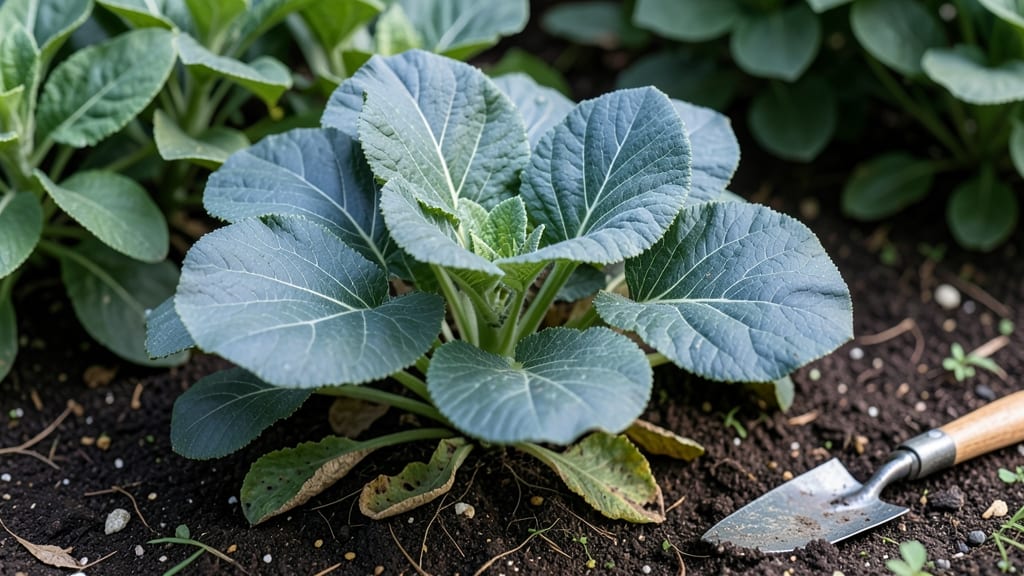
Deer-proof shade plants save your garden from becoming a buffet. 🌿 I’ve lost count of the times my hostas disappeared overnight—until I discovered these tough, leafy survivors that even deer leave alone. The secret lies in their textures, scents, and chemical defenses that make them unappealing snacks.
Most deer-resistant shade plants thrive with minimal fuss: ferns with their delicate fronds, hellebores with their leathery foliage, and astilbes with their feathery plumes. These aren’t just survivors—they’re showstoppers. Plant them together, and you’ll create a lush, low-maintenance understory that deer ignore while adding year-round interest.
You’ll end up with a garden that stays green, even when deer are prowling. The foliage stays vibrant, the flowers add color, and the maintenance stays light. No more waking up to chewed leaves or wilted dreams. Works in any shady spot, from woodland edges to city courtyards.
Here’s how to pick the perfect mix for your space!
📚 In This Guide
- What you need
- Instructions
- Tips and common mistakes
- Wrapping up and next steps
What you need
- ● Deer-resistant shade plants: 5–10 Hosta (e.g., 'Halcyon' or 'Francee' varieties—deer sometimes avoid these if mature)
- ● 3–5 Fern varieties (e.g., Osmunda cinnamomea or Matteuccia struthiopteris—deer typically skip these)
- ● 2–3 Heuchera (e.g., 'Palace Purple' or 'Lavender Lace'—bitter taste deters deer)
- ● 1 Foxglove (Digitalis purpurea) or Lobelia (mildly toxic to deer)
- ● 1–2 Boxwood shrubs (Buxus sempervirens) or Holly (spiny leaves = deer deterrent!)
- ● Soil amendments: 5 lbs compost or well-rotted manure (per plant)
- ● 1 lb slow-release fertilizer (10-10-10 or organic options like fish emulsion)
- ● Planting tools: 1 garden trowel (for small plants)
- ● 1 hand shovel (for shrubs)
- ● 1 pruners (for trimming transplants)
- ● Watering supplies: 1 garden hose with adjustable nozzle
- ○ 5 gallon watering can (optional but handy for precision)
- ● Mulch: 2–3 cubic feet wood chips or pine straw (to suppress weeds and retain moisture)
- ● Deer deterrents: 1–2 motion-activated sprinklers (e.g., ScareCrow)
- ● Roll of deer repellent spray (plant-based, like Liquid Fence)
- ● 10–15 ft chicken wire or hardware cloth (temporary protection for new plants)
- ● Barriers: 1–2 deer-resistant fencing (8 ft tall, made of wood or PVC)
- ● 5–10 plastic tree guards (for young shrubs)
- ● Garden markers: 10–20 biodegradable plant labels (to track varieties)
How to select and plant deer-proof shade plants
Here’s my go-to approach to creating a deer-resistant shade garden that thrives.
🌿 Step 1: Choose Deer-Resistant Shade Plants
Focus on plants with strong scents, fuzzy textures, or toxic compounds that deer avoid. My top picks include heuchera (coral bells), lamium (dead nettle), astilbe, and ferns like Japanese painted fern—all of which deer typically ignore. I also add foxtail fern for its feathery, deer-deterring foliage.
Check your local nursery for native shade plants, as they’re often the toughest. Plants with hairy or waxy leaves (like hostas with thick foliage) or aromatic scents (like mint or oregano) are usually safe bets. Avoid tender plants like hostas with thin leaves or ferns with delicate fronds—deer will snack on those first.
🪴 Step 2: Prepare the Shade Garden Site
Test your shade levels first—deer-proof plants still need the right light. Most shade plants thrive in partial to full shade, meaning 2-6 hours of dappled sunlight daily. If your spot gets less than 2 hours, opt for true shade lovers like foxtail fern or Helleborus (Lenten rose).
Amend the soil with 2-3 inches of compost before planting to improve drainage and fertility. Deer-proof plants often grow in moist, well-draining soil, so avoid heavy clay unless you’re mixing in sand or perlite. I always dig a hole twice as wide as the root ball to encourage root spread.
☀️ Step 3: Plant for Layered Protection
Create a multi-layered garden with taller plants (like astilbe or ferns) at the back and shorter ground covers (like lamium or sweet woodruff) in front. This makes it harder for deer to spot and reach their favorite bites. I space plants 12-18 inches apart to allow airflow and discourage fungal issues.
Water deeply right after planting to settle the roots, then once a week (or more in hot weather) until established. Mulch with 2-3 inches of shredded bark or wood chips to retain moisture and suppress weeds—deer also dislike the texture underfoot.
✂️ Step 4: Maintain and Reinforce Deer Resistance
Prune spent foliage in early spring to encourage fresh, healthy growth. Deer are less likely to browse plants that look vigorous and well-maintained. I also rotate plant varieties every few years to keep deer guessing—if they’ve learned one type is safe, they’ll move on to others.
For extra protection, plant deer-repelling herbs like lavender or rosemary at the garden’s edge. The strong scent confuses deer and deters them from exploring further. If deer still browse, apply a commercial deer repellent (like Liquid Fence) in early spring and after rain.
Tips & tricks for perfect deer-proof shade gardens
Here's what nobody tells you about making your shade garden truly deer-proof.
Selection Strategy: When choosing plants in Step 1, prioritize those with three key deer-deterring traits: fuzzy textures (like lamium), strong scents (like mint), or toxic compounds (like Helleborus). I've found that deer completely ignore foxtail fern because its feathery foliage looks unappetizing to them—it's like nature's built-in camouflage. The key is mixing these traits throughout your garden.
Lighting Insight: The 2-6 hours of dappled sunlight in Step 2 is crucial—this mimics natural forest conditions where deer-proof plants thrive. If your spot gets less than 2 hours, don't despair: Japanese painted fern and Helleborus are your best bets for true shade lovers. I've seen these plants survive in spots with just 1-2 hours of indirect light—they're the toughest in the shade world.
Planting Layout: The layered approach in Step 3 works because deer have poor depth perception—they can't see through dense foliage. I space my astilbe and ferns 18 inches apart at the back, then fill the front with lamium and sweet woodruff spaced 12 inches apart. This creates a visual barrier that confuses deer about what's edible. The mulch layer is also a game-changer—deer dislike the crunchy texture underfoot.
Maintenance Secret: That early spring pruning in Step 4 isn't just about looks—it's about sending a message to deer. When you remove spent foliage, you're showing the plant (and deer) that it's healthy and thriving. I've noticed that deer are much less likely to browse gardens that look actively cared for. Plus, rotating varieties every few years keeps deer from getting comfortable with your garden's menu.
Pro Tips for Deer Proof Shade Plants
- Here's what nobody tells you about making your shade garden truly deer-proof.
- Selection Strategy: When choosing plants in Step 1, prioritize those with three key deer-deterring traits: fuzzy textures (like lamium), strong scents (like mint), or toxic compounds (like Helleborus).
- Lighting Insight: The 2-6 hours of dappled sunlight in Step 2 is crucial—this mimics natural forest conditions where deer-proof plants thrive.
Frequently asked questions
Got questions about keeping deer away from your shade garden?
You’re not alone! Here are some of the most common concerns—and practical solutions—to help you create a deer-resistant oasis without the stress.
What are the most deer-resistant shade plants I can plant?
Deer typically avoid plants with strong fragrances, fuzzy or prickly foliage, or toxic compounds. Top picks include boxwood, hellebore, ferns (like ostrich fern), and cast iron plant. For extra defense, pair them with deer-repellent companions like lavender or Russian sage.
How long does it take for deer-proof plants to establish and deter deer?
Most shade-loving perennials take 1–2 growing seasons to fill out and become less appealing to deer. Annuals like coleus or impatiens may deter them sooner but need replanting yearly. Pro tip: Combine mature plants with temporary repellents (like garlic spray) for faster results.
Can I use mulch or other barriers to protect young plants?
Shredded bark, pine straw, or gravel mulch
can create a physical barrier while suppressing weeds. For extra protection, wrap young plants in hardware cloth (1/4-inch mesh) or use deer-repellent spikes—just bury them shallowly to avoid damaging roots.
What if deer still eat my shade plants despite my best efforts?
Don’t panic! Try rotating repellent methods—like spraying plants with soapy water (deer dislike the smell) or using commercial deer repellents with capsaicin. Bonus: Plant deer-unfriendly ground covers (e.g., ajuga or creeping thyme) to distract them from your prized foliage.
Are there any deer-proof shade trees I can plant?
Yes! Deer usually avoid trees with bitter leaves or aromatic compounds, like Japanese maple, serviceberry, or dawn redwood. Evergreens like arborvitae or holly also work well—just ensure they’re well-established before expecting full protection.
Wrapping up and next steps
Transforming your shady garden into a deer-resistant paradise doesn’t have to be a challenge—it just takes the right plants and a little know-how! 🌿 From fragrant Lamium to bold Hellebores, these tough foliage options thrive in low light while keeping those hungry deer at bay.
With the perfect mix of beauty and resilience, your garden will stay lush and low-maintenance.
Ready to take action? Start by sketching your shade garden layout—map out sun spots, soil types, and deer activity. Then, visit our plant guide to pick your top 5 deer-proof stars! Your future garden (and your sanity) will thank you. 🌱✨