
Flowers
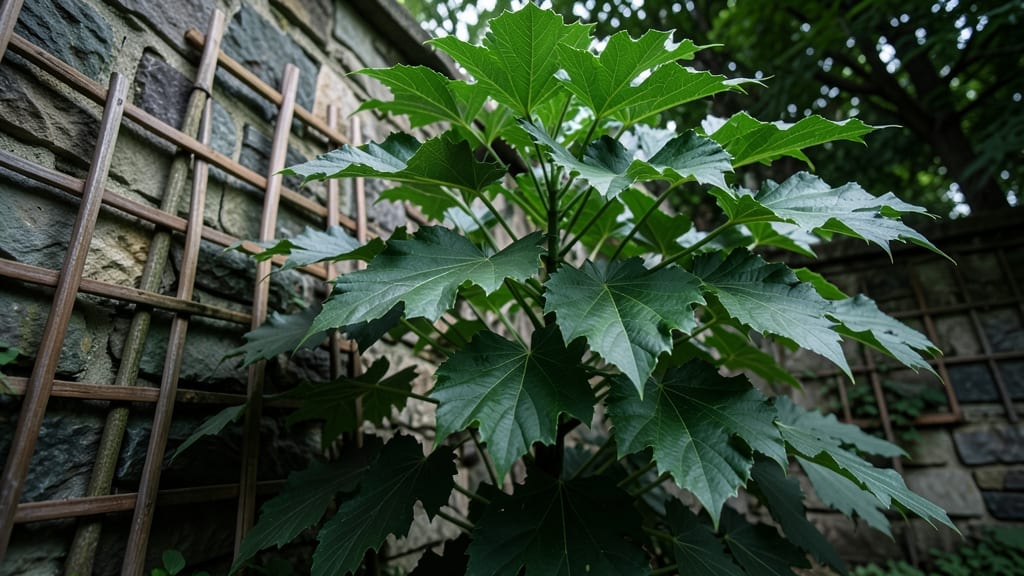
Shady gardens don’t have to lack vertical charm. These 10 climbing flowers thrive in low-light conditions, offering lush blooms and year-round interest while transforming walls, trellises, and arbors into living works of art.
Clematis Jackmanii: Classic Shade-Tolerant Climber
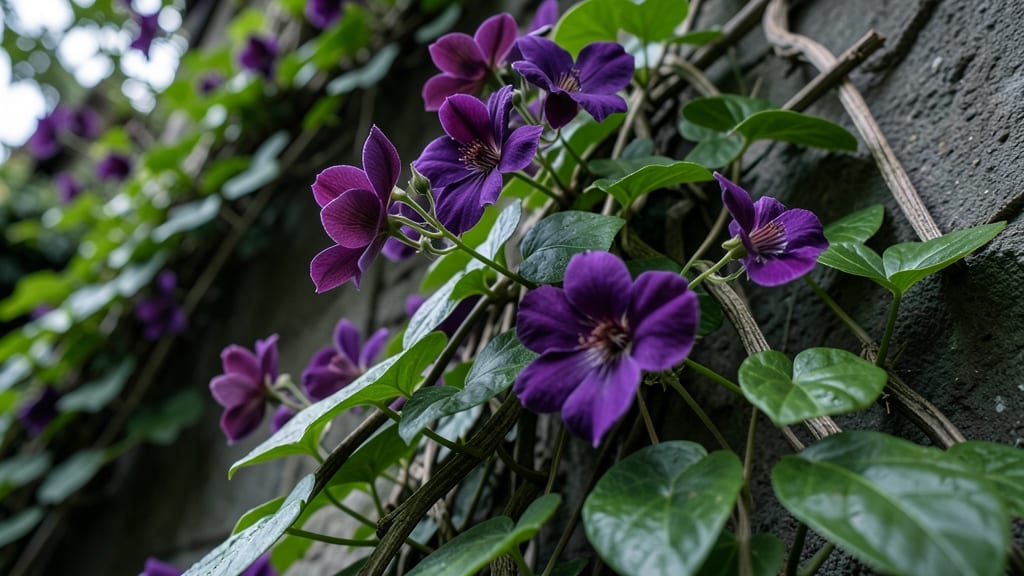
If you’ve ever thought shade gardens lacked drama, Clematis Jackmanii will change your mind. This legendary climber thrives where others falter, delivering vibrant purple blooms from early summer straight through frost—with just 3-6 hours of sunlight daily. Its vigorous growth makes it ideal for transforming fences, trellises, or arbors into stunning vertical displays.
The secret to its success lies in its adaptability: plant it near shrubs or trees for natural shade support, or train it on a sturdy trellis. Prune in late winter to encourage larger, showier flowers, and feed with phosphorus-rich fertilizer in early spring. Unlike sun-loving clematis, Jackmanii tolerates moist, well-draining soil and even handles urban conditions with ease.
Perfect for beginners and experienced gardeners alike, this clematis delivers year-round interest—even dormant stems add texture in winter. For maximum impact, pair it with hostas or ferns for a lush, layered look. 🌱
Honeysuckle Lonicera Periclymenum: Fragrant Nighttime Perfume
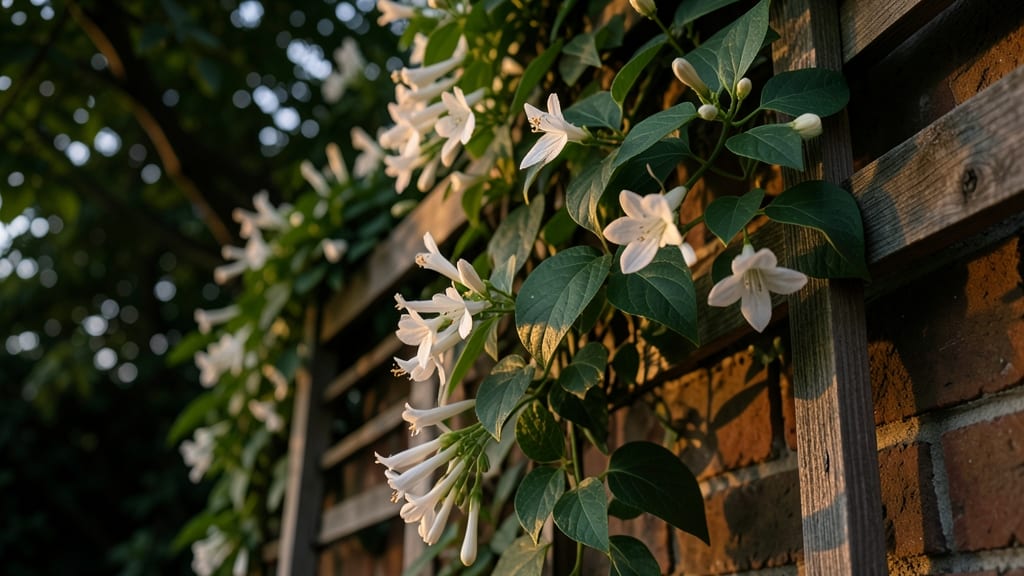
Transform your partially shaded garden into a twilight sanctuary with honeysuckle Lonicera periclymenum, a fragrant climber that thrives where others falter. Its tubular white flowers unfurl in the evening, releasing a heady, sweet perfume that lures night-flying moths and delights human noses alike—ideal for pergolas or privacy screens.
This hardy vine handles partial shade beautifully, making it perfect for north-facing walls or wooded edges. Plant it near seating areas or entryways to enjoy its scent as you relax after sunset. Prune lightly in late winter to encourage bushier growth, and watch it twine effortlessly up supports with minimal training.
Perfect for gardeners who love low-maintenance plants with high sensory rewards, honeysuckle adds romance without demanding full sun. 💚
Climbing Hydrangea Petiolaris: Bold Green Foliage Drama
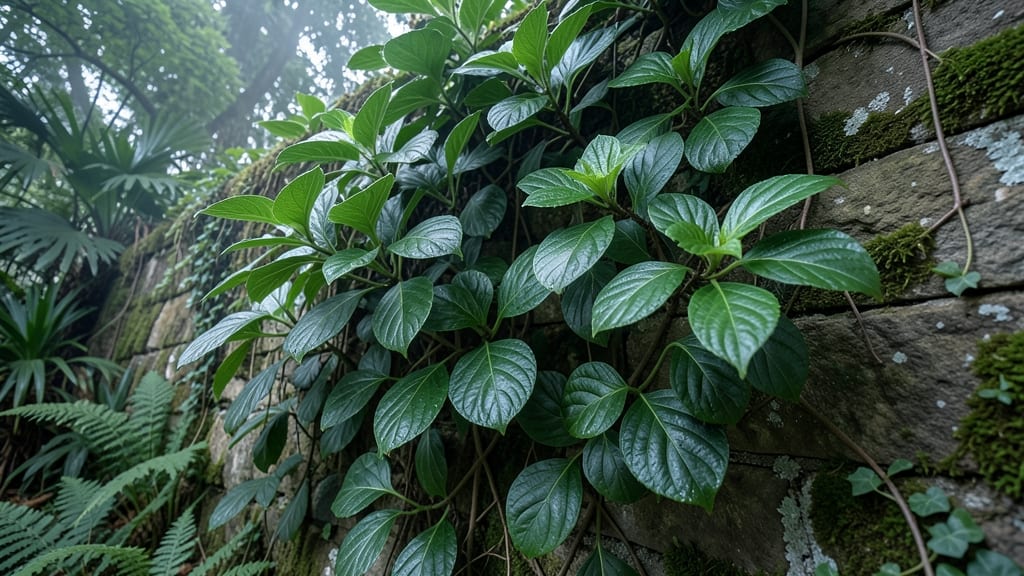
Tired of shade gardens that feel flat and lifeless? Climbing hydrangea petiolaris turns deep shade into a lush, tropical oasis with its glossy, deep green foliage that thrives where most climbers would wither. Unlike its flowering cousins, this variety focuses on bold leaf drama—creating a dramatic backdrop for other shade-loving plants.
This hardy climber attaches itself to walls and trellises using aerial roots, making it ideal for stone walls, arbors, or fences in full to partial shade. While it produces delicate white blooms in summer, its real star power comes from its large, leathery leaves that stay vibrant year-round. Prune lightly in late winter to encourage denser growth, and watch it transform dull corners into a jungle-like retreat.
Perfect for gardeners who love foliage-focused designs or want to add vertical interest without relying on flowers, this hydrangea is especially stunning when paired with ferns or hostas for a layered shade effect. 🌿
Passionflower Blue Moon: Exotic Tropical Appeal
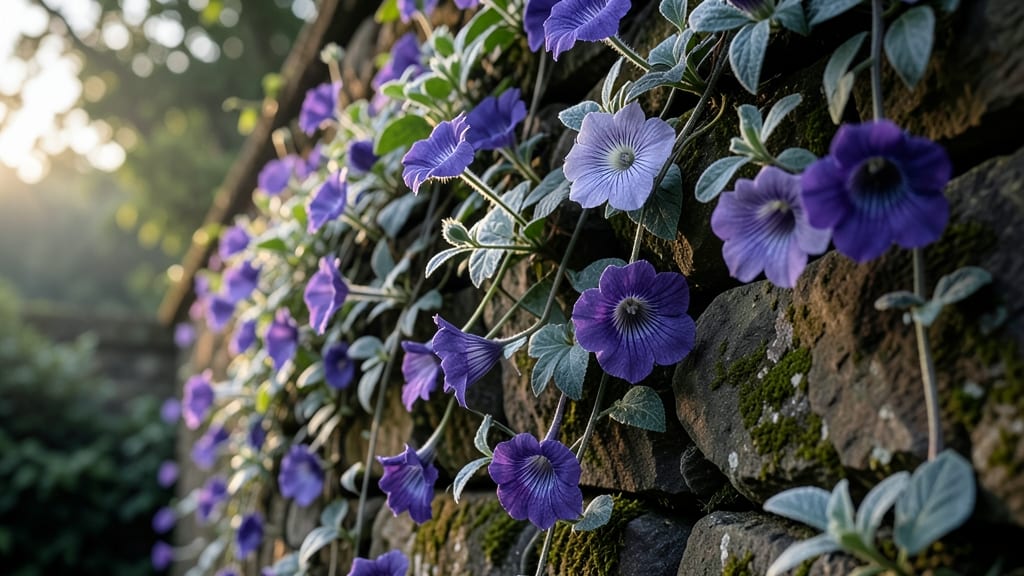
Tired of seeing the same old climbers in your shade garden? Passionflower Blue Moon brings a bold, tropical twist with its silvery-blue foliage and deep purple blooms, creating a striking contrast that turns shady corners into exotic focal points.
This fast-growing perennial thrives in partial to full shade, making it perfect for woodland gardens or north-facing walls. Its glossy, velvety leaves and vibrant flowers (resembling passionfruit) add texture and drama year-round. For best results, provide well-draining soil and a sturdy trellis—its vines can reach 10-15 feet with proper support.
Ideal for adventurous gardeners who love unexpected foliage and bold color, Blue Moon is also pollinator-friendly, attracting butterflies and hummingbirds. It’s the perfect choice for those who want to break the mold while keeping maintenance simple. 🌟
Star Jasmine Trachelospermum Jasminoides: Evergreen Fragrance
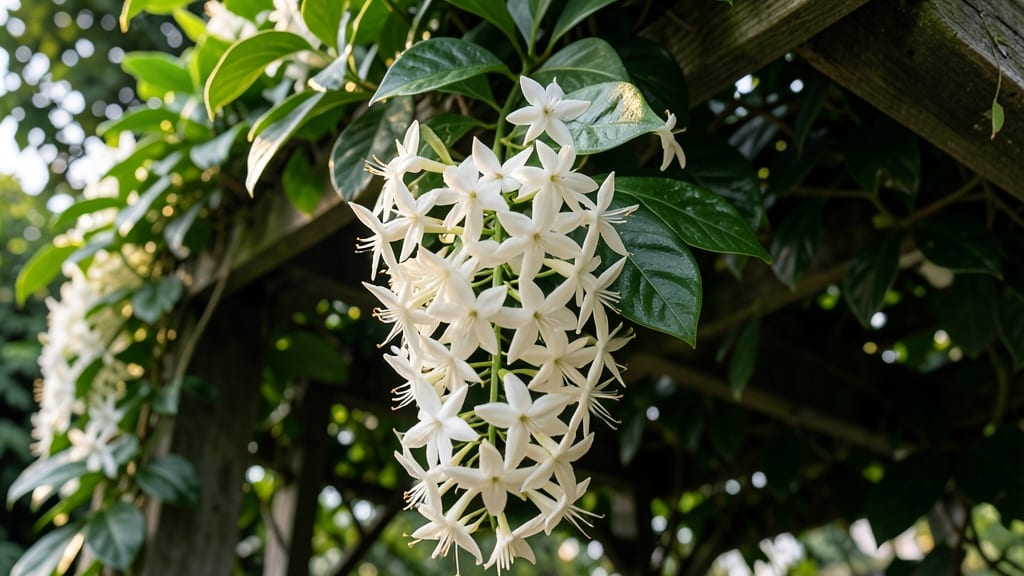
Tired of shade gardens that feel dull and lifeless? Star jasmine (Trachelospermum jasminoides) brings a year-round fragrance party to your patio or balcony—even in partial shade. This evergreen climber thrives where others falter, producing clusters of delicate white star-shaped blooms that perfume the air from late spring through fall.
Perfect for small spaces, star jasmine adapts to containers, trellises, or even old wooden fences. Its glossy dark green leaves stay vibrant all winter, while the flowers release their sweet scent at dusk—ideal for evening relaxation. Prune lightly after blooming to encourage bushier growth, and watch it cascade elegantly without requiring full sun. 🌿
Wisteria Floribunda: Lavender Cascade Masterpiece
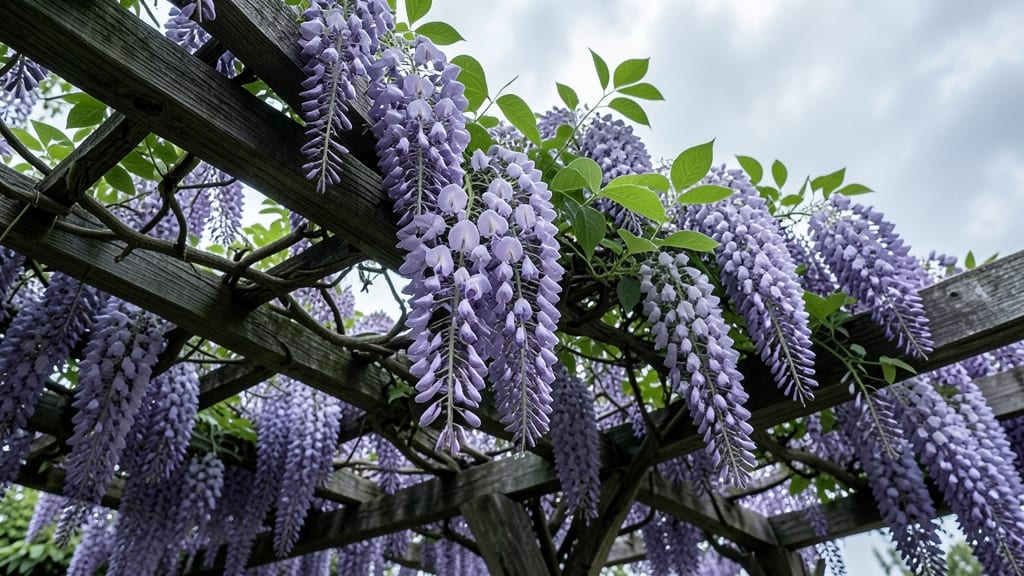
If you love the romantic look of wisteria but struggle with its traditional sun requirements, Wisteria Floribunda is your game-changer. This dwarf variety blooms with dense lavender cascades in spring while adapting to partial shade—unlike its high-maintenance cousins that demand full sun.
Grow it on a small trellis or archway where its 6-8 foot spread can spill gracefully without overwhelming the space. Prune lightly after flowering to encourage next year's blooms, and enjoy its fragrant display without the commitment of full-sun wisterias. The compact size makes it perfect for urban gardens or small patios.
This shade-tolerant beauty is ideal for gardeners who want wisteria's elegance without the fuss—especially in woodland gardens or under large trees. 🌷
Cobaea Scandens: Moonflower for Nighttime Beauty
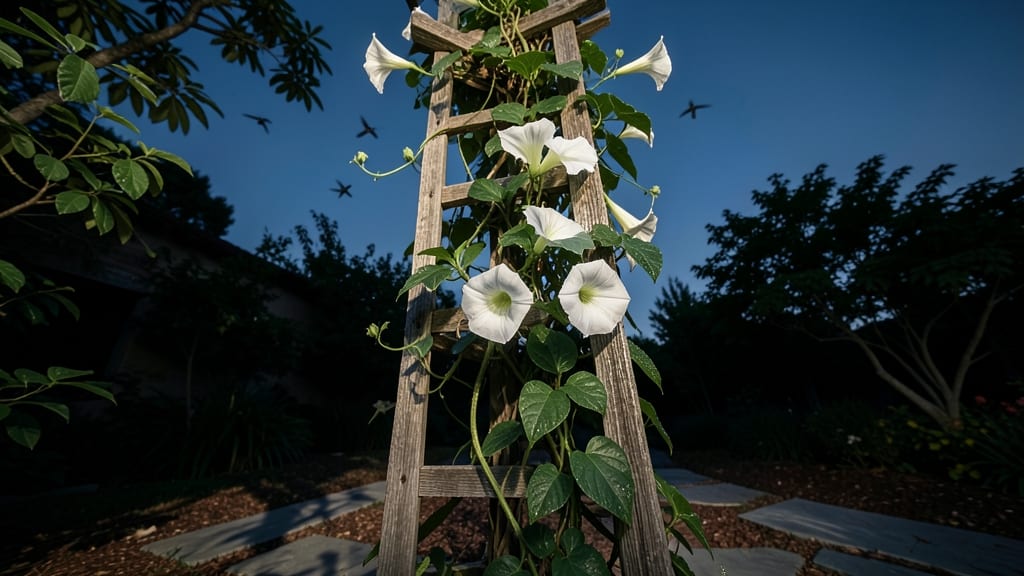
Want to turn your shaded patio or garden nook into a magical evening retreat? Cobaea scandens, or moonflower, unfurls its large white trumpet blooms exclusively at dusk, creating a whimsical nighttime display that hummingbirds adore. This fast-growing annual can climb 10-15 feet in a single season, making it ideal for temporary shade structures or quick vertical transformations.
Moonflowers thrive in partial to full shade, tolerating even the darkest corners where other climbers struggle. Plant seeds directly in well-draining soil after the last frost, providing a trellis or arbor for support. With minimal care—just regular watering and occasional deadheading—you’ll enjoy dramatic nighttime blooms from summer through fall. The vines also produce edible seed pods that add an unexpected bonus for adventurous gardeners.
Perfect for renters, urban gardeners, or anyone craving instant impact, moonflowers deliver romantic evening beauty without the commitment of perennials. 🌻
Actinidia Kolomikta: Variegated Kiwi Vine
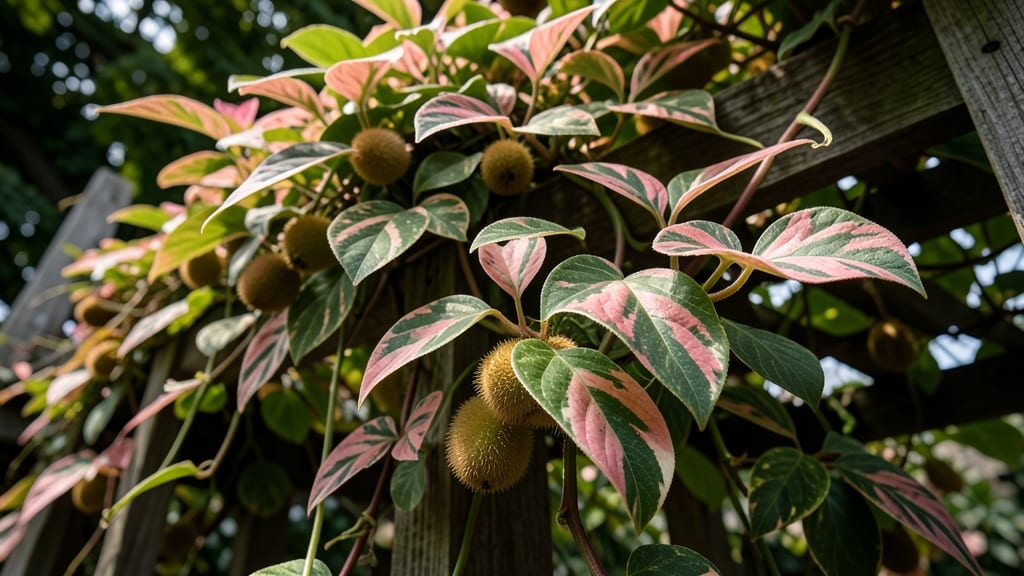
Looking for a climbing plant that doubles as both a stunning visual statement and a tasty harvest? Actinidia kolomikta, or variegated kiwi vine, delivers with its pink-and-white striped foliage that glows in deep shade while producing edible kiwi fruit in fall.
This deciduous vine thrives in full to partial shade, making it ideal for north-facing walls or woodland gardens where other climbers struggle. Its fast-growing habit (10-15 feet per year) means quick coverage, and the fragrant white flowers in late spring add seasonal interest before the fruit appears. For best results, plant in well-draining soil and provide a sturdy trellis—its tendrils are strong but need support.
Perfect for gardeners who want edible landscaping without sacrificing beauty, this vine offers year-round appeal from its striking foliage alone. 🌿
Campsis Radicans: Trumpet Vine for Hummingbirds
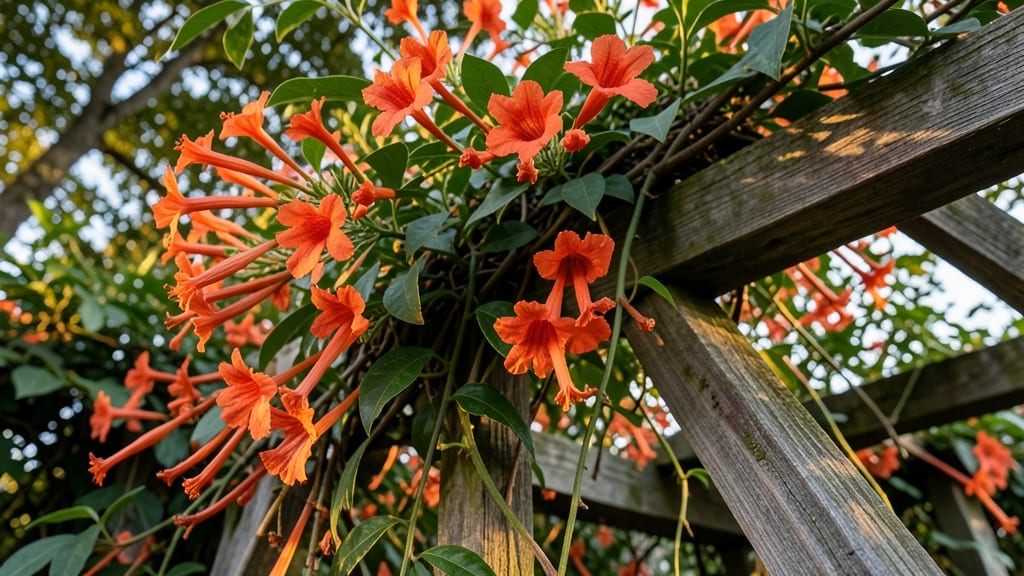
Want to turn your sunny-shade transition zones into a hummingbird hotspot? Campsis radicans, or trumpet vine, delivers vibrant orange-red blooms that not only attract these tiny pollinators but also thrive where other climbers struggle.
This fast-growing vine handles partial shade** (3-6 hours of direct sun) better than most, making it perfect for east-facing walls or dappled woodland edges. Plant it near a trellis or fence—its aggressive growth can cover 15-20 feet in a single season, though pruning after flowering keeps it manageable. The tubular flowers are a hummingbird magnet from late spring through summer.
Ideal for gardeners who love bold color and wildlife-friendly plants, trumpet vine adds drama without requiring full sun. Just be prepared for its vigorous nature—it’s a statement maker! 🌻
Fatsia Japonica: Architectural Leaf Climber

If you’ve ever struggled to find a climber that thrives in deep shade, Fatsia japonica is your game-changer. While most climbers focus on flowers, this evergreen shrub delivers bold, architectural foliage that turns walls and trellises into lush vertical canvases—no sunlight required.
With its large, glossy leaves (up to 12 inches wide), Fatsia japonica creates a tropical, almost palm-like effect, even in full shade. It’s slow-growing but incredibly hardy, tolerating temperatures down to 10°F and adapting to almost any soil as long as it’s well-drained. For best results, train young stems along a wire trellis or obelisk to guide its growth upward.
This is the perfect choice for urban gardeners with shady patios or woodland gardeners who want year-round structure. Its dramatic foliage pairs beautifully with flowering climbers like clematis, offering textural contrast without competing for light. 🌿