
Shrubs
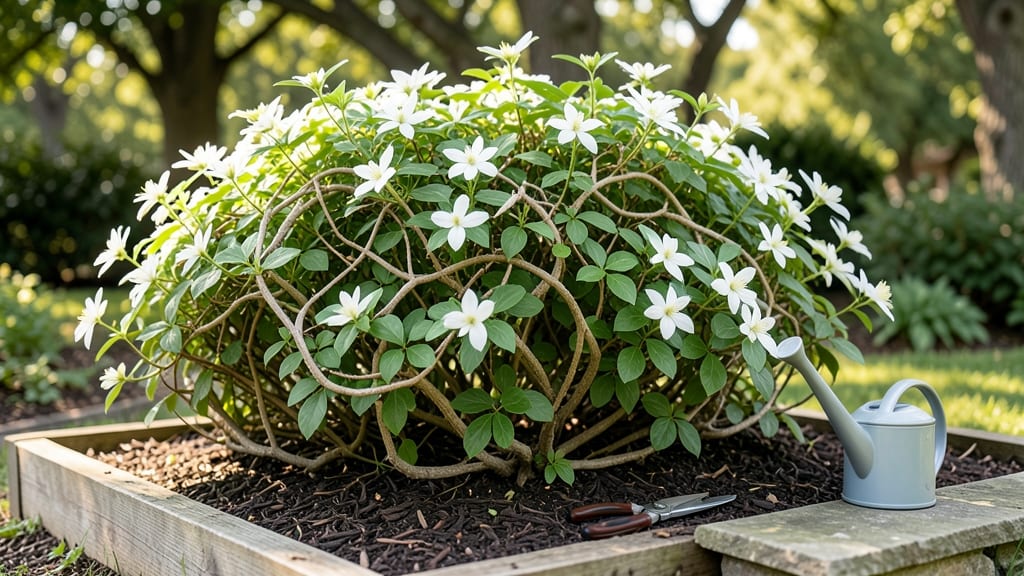
A clematis vine in shade isn’t just possible—it’s the secret to a lush, fragrant garden corner you’ll never notice before. 🌿 I’ve transformed my north-facing patio into a vertical jungle with varieties that thrive where others fade, and the key... lies in choosing the right types and giving them exactly what they need.
The right shade-tolerant varieties like 'Jackmanii' or 'Nelly Moser' produce stunning blooms with less sunlight than you'd expect. Pair that with moist, well-draining soil and a support structure (arbor, trellis, or fence), and you're set for a climber that grows 6-10 feet without needing full sun.
The trick is keeping the roots cool while giving the vines something to climb—nature does the rest. What you end up with is a dramatic vertical display that blooms from early summer through fall, with foliage that stays green even when other plants struggle.
The fragrance alone makes it worth the effort, and the way it softens shady corners is pure magic. Works for any garden with partial shade, from city balconies to woodland edges. Here's how to make it work without the leggy growth or sparse blooms so many gardeners struggle with."
📚 In This Guide
- What you need
- Instructions
- Tips and common mistakes
- Wrapping up and next steps
What you need
- ● Clematis plants: Choose shade-tolerant varieties like ‘Jackmanii’ or ‘Nelly Moser’ (3–5 plants for optimal coverage).
- ● Support structure: A sturdy trellis, arbor, or fence (6–8 ft tall, made of wood, metal, or PVC).
- ● Well-draining soil: Mix 1 part compost with 2 parts native soil (amend with perlite if clay-heavy).
- ● Organic mulch: 2–3 inches of shredded bark or wood chips to retain moisture.
- ● Slow-release fertilizer: 10-10-10 or a balanced organic blend (follow package rates).
- ● Garden trowel or spade
- ● Pruning shears (sterilized with rubbing alcohol)
- ● Measuring tape (to space plants 3–5 ft apart)
- ● Gloves (for handling thorns and soil)
- ○ Optional but helpful: Moisture meter (for checking soil hydration)
- ● Epsom salt (for magnesium boost in acidic soil)
- ● Drip irrigation kit (to automate watering)
How to grow thriving clematis in shady gardens
This tough, elegant vine handles shade better than most—here's how to coax it into lush, flowering glory.
🌱 Step 1: Select the Right Shade-Tolerant Varieties
Not all clematis thrive in shade, so choose proven varieties like 'Jackmanii' (deep purple blooms), 'Nelly Moser' (pink flowers), or 'Vyvyan Pennell' (silvery foliage). These handle 4-6 hours of dappled light better than sun-starved hybrids. I always check the plant tag for "partial shade tolerance" before buying.
Plant in spring or early fall when soil temperatures are 50-65°F. This gives roots time to establish before winter or summer stress. Dig a hole twice as wide as the root ball but only as deep—clematis roots need room to spread horizontally, not bury deeper.
☀️ Step 2: Position for Maximum Indirect Light
Clematis needs bright, indirect light—think morning sun with afternoon shade or filtered light through trees. A north-facing wall or east-facing trellis works best. I test spots by watching how other plants grow: if hostas thrive nearby, your clematis will too.
Install a strong trellis, arbor, or fence at planting (clematis vines can reach 10-15 feet). Secure it firmly—these vines will test your structure's limits. Use soft ties to attach stems as they grow, never wire or metal that can cut into tender vines.
💧 Step 3: Water Deeply and Mulch Generously
Water deeply once a week (or more in hot weather) until the top 6 inches of soil feel damp. Shade-loving clematis roots need consistent moisture but hate soggy soil. I water in the morning so foliage dries quickly, preventing fungal issues.
Spread 3-4 inches of organic mulch (like shredded bark) around the base, keeping it 6 inches away from the stem. This conserves moisture and regulates soil temperature. Refresh mulch annually—it breaks down faster than you'd expect.
✂️ Step 4: Prune for Shade-Grown Growth
Shade-grown clematis needs minimal pruning—focus on removing dead stems and shaping. Cut back 1/3 of the oldest stems in early spring to encourage new growth. Never prune in fall; you'll remove next year's flower buds.
Watch for yellowing leaves—this usually means too much shade. If your vine looks weak, move it to a slightly sunnier spot next season. I've seen clematis bounce back from shade struggles when given just a few more hours of light.
🌿 Step 5: Feed and Protect for Long-Term Health
Apply a balanced, slow-release fertilizer (10-10-10) in early spring and again after flowering. Too much nitrogen makes foliage grow at flowers' expense. I use half the recommended dose—clematis in shade needs less than sun-lovers.
Watch for slugs and snails—shady conditions attract them. Set out beer traps or use organic slug bait near the base. A healthy clematis in shade still produces dozens of blooms—don't let pests ruin your progress.
Tips & tricks for perfect shade-loving clematis
These simple strategies will help your clematis flourish even in low-light conditions—no gardening magic required.
Variety Matters: When selecting your shade-tolerant clematis, look for labels specifying "partial shade tolerance." Varieties like 'Jackmanii' and 'Nelly Moser' thrive with just 4-6 hours of dappled light, but even they need that bright indirect light. I've learned the hard way that shade labels aren't always consistent—always check the plant tag or ask your nursery about light requirements before buying. This small step prevents years of frustration with underperforming vines.
Planting Precision: The hole you dig makes all the difference. While it should be twice as wide as the root ball, keeping it only as deep is crucial—clematis roots spread horizontally, not downward. I once buried a vine too deeply and watched it struggle for years to establish properly. After that, I measured carefully and saw immediate improvement in root development. Planting at the correct depth also helps prevent crown rot from sitting water.
Watering Wisdom: That "deeply once a week" guideline is your golden rule, but timing matters just as much. Water in the morning to give foliage time to dry before evening—this simple habit prevents fungal issues that plague shade-grown clematis. I've seen vines go from struggling to thriving just by changing their watering schedule. And always check that top 6 inches of soil—if it's dry, water again. Shade can make soil retain moisture longer than you'd expect.
Support System: Don't underestimate your trellis—clematis vines can reach 10-15 feet, and they'll test any structure's limits. I've seen flimsy trellises collapse under the weight of just one season's growth. Use soft ties to attach stems as they grow; wire or metal will cut into the tender vines. A sturdy support isn't just decorative—it's essential for proper air circulation and preventing disease. Think of it as your vine's personal scaffolding for success.
Pro Tips for Clematis Vine Shade
- These simple strategies will help your clematis flourish even in low-light conditions—no gardening magic required.
- Variety Matters: When selecting your shade-tolerant clematis, look for labels specifying "partial shade tolerance."
- Planting Precision: The hole you dig makes all the difference.
Frequently asked questions
Got questions about growing clematis in shade? You’re not alone!
Here are answers to the most common concerns—from sunlight struggles to pruning puzzles.
Can clematis vines really thrive in shade?
Yes! While they prefer partial shade (especially in hot climates), many varieties—like Clematis montana or Clematis armandii—handle dappled or filtered shade beautifully. Just avoid deep, dense shade (like under thick trees), as this can limit blooms. Look for shade-tolerant cultivars labeled for your light conditions.
How long does it take for clematis to grow in shade?
Patience is key! Clematis in shade may grow slower than in full sun, but with proper care, expect:
- First year: Focus on root establishment (minimal blooms).
- Years 2–3: Vigorous vine growth (3–6 ft/year) and some flowers.
- Years 4+: Full maturity with lush foliage and more blooms if pruned correctly.
What’s the best shade alternative if my clematis isn’t blooming?
If your clematis is healthy but skimpier on flowers, try these shade-friendly swaps or tweaks:
- Ivy (Hedera helix): Hardy, evergreen, and thrives in low light.
- Climbing hydrangea (Hydrangea petiolaris): Loves shade and produces stunning blooms.
- Boost light: Thin nearby trees or relocate the vine to morning sun + afternoon shade.
- Feed & prune: Use phosphorus-rich fertilizer (like 5-10-10) and prune after blooming.
Why is my shade-grown clematis turning yellow or dropping leaves?
Yellow leaves or leaf drop often signal overwatering, root rot, or nutrient deficiencies. Check these fixes:
- Watering: Shade soil stays damp longer—let the top 2 inches dry out between waterings.
- Soil: Ensure well-draining, slightly acidic soil (pH 6.0–7.0). Amend clay soil with compost.
- Fungal issues: Avoid wetting foliage; use fungicide if spots appear.
- Fertilizer: A balanced 10-10-10 in early spring can revive growth.
When and how should I prune shade-grown clematis?
Pruning depends on your clematis type (early/late bloomer) and shade conditions. General rules:
- Early bloomers (e.g., montana): Prune right after flowering to avoid cutting off next year’s buds.
- Late bloomers (e.g., jackmanii): Prune in early spring (before new growth) to 12–18 inches from the base.
- Shade hack: Light pruning in late winter encourages denser growth in low light.
Wrapping up and next steps
Growing a clematis vine in shade is absolutely doable—it just takes the right variety, a little patience, and a dash of creativity! 🌿 With the perfect mix of partial shade, well-draining soil, and supportive structures, your clematis can thrive even in low-light spots.
Whether you’re a seasoned gardener or just starting out, this versatile climber adds beauty and charm to any garden corner.
Now that you’re armed with the key tips, why not pick your favorite clematis variety and get planting? Your shaded garden will thank you with lush, vibrant blooms all season long! 🌸