
How To
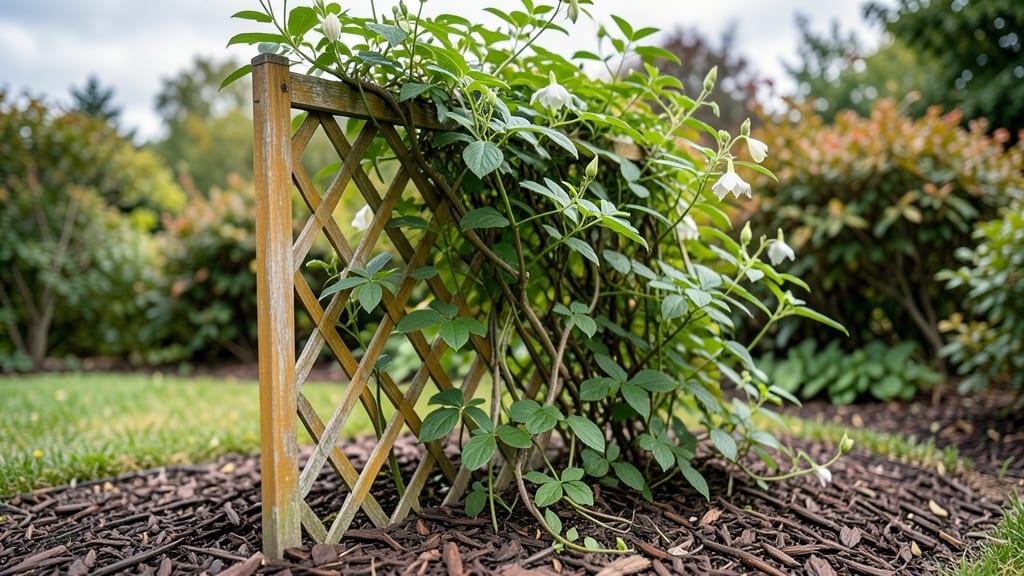
Shade-tolerant clematis varieties can thrive in low-light gardens by choosing hardy types like Jackmanii, Nelly Moser, or Viticella, which adapt better to partial shade than sun-dependent species. These resilient climbers still deliver stunning blooms with minimal direct sunlight, though morning light exposure enhances their flowering potential.
Not all clematis varieties need full sun to shine—some actually prefer dappled light or partial shade, especially in humid climates. 🌿 The key difference lies in their leaf structure and root systems: shade-tolerant types like Clematis montana hybrids have broader leaves that capture scattered light more efficiently.
These varieties also tend to grow more vigorously in cooler, shaded spots, making them perfect for north-facing walls or under tall trees where other plants struggle. The trade-off? While they'll bloom in low light, providing 3-4 hours of morning sun can significantly boost flower production and color intensity.
For best results, pair shade-loving clematis with light-reflective mulches or companion plants like hostas or ferns that create a natural light buffer. Regular pruning after blooming helps maintain their shape and encourages new growth in dimmer conditions.
I've found that consistent moisture is more critical for shade-grown clematis than for sun-loving varieties—their roots stay cooler and require more frequent watering to prevent stress. With the right care, these varieties can transform even the darkest corners of your garden into a vibrant display.
💡 In This Article
- Why Some Clematis Varieties Handle Shade Better
- Planting and Care Tips for Shade-Loving Clematis
Why some clematis varieties handle shade better
Shade-tolerant clematis varieties like Jackmanii and Nelly Moser have evolved unique botanical adaptations that allow them to thrive in low-light conditions. Their leaves contain a higher concentration of chlorophyll in the mesophyll layer, which lets them absorb scattered light more efficiently than sun-dependent types.
This adaptation is similar to how shade-loving houseplants like ferns maximize light capture through broader, thinner leaves. 🌿 The key difference lies in their root systems too—shade varieties develop deeper, more extensive roots to access moisture and nutrients in cooler, dimmer soil environments.
Light absorption isn't the only factor at play. These varieties also handle humidity better, which is why they often perform well in woodland gardens or under dense canopies. The Viticella group, for instance, has smaller leaves that reduce water loss through transpiration, making them more drought-tolerant in shaded spots.
What's fascinating is how their flowering mechanism adapts: while sun-loving clematis rely on intense light to trigger blooming, shade varieties produce flowers more consistently in partial shade (3-5 hours of indirect light daily), though with slightly reduced intensity compared to full sun.
Soil moisture plays a crucial role in their shade tolerance. The cooler temperatures in shaded areas mean the soil stays moist longer, which shade-loving clematis prefer over the rapid drying of sun-exposed beds.
This is why you'll often see them thriving in well-draining, humus-rich soil with consistent moisture—conditions that mimic their natural understory habitats. The trade-off? Without proper moisture, even shade-tolerant varieties can struggle, as their roots aren't as efficient at extracting water from dry soil as sun-loving types.
Another key adaptation is their growth habit. Shade-tolerant clematis often grow more vigorously in vertical spaces, where they can stretch toward any available light.
This is why they excel on trellises or arbors in shaded gardens—each vine becomes a light-capturing antenna. 🌱 The Clematis montana group, for example, can grow 15-20 feet in ideal conditions, using its climbing habit to reach higher light levels.
This vertical growth also helps them escape competing ground-level plants that might otherwise block their light access.
What most gardeners don't realize is how humidity interacts with these adaptations. In shaded environments, higher humidity levels reduce water stress, allowing clematis to maintain their metabolic processes even with limited direct sunlight.
This is why shade varieties often perform better in northern climates or woodland gardens than in hot, dry shade—the combination of moisture and humidity creates near-perfect growing conditions. The result? Lush foliage and reliable (though sometimes smaller) blooms throughout the season.
For comparison, sun-loving varieties like Clematis lanuginosa have thicker, waxier leaves that reflect more light (reducing heat absorption) but require 6+ hours of direct sun** to trigger their full flowering potential.
This structural difference explains why some clematis struggle in shade: their leaves aren't optimized for low-light environments, and their roots can't efficiently access moisture in cooler soils.
The science shows that shade-tolerant varieties have evolved a more balanced approach to light and water management—making them the smart choice for dimmer garden spaces.