
Light Requirements
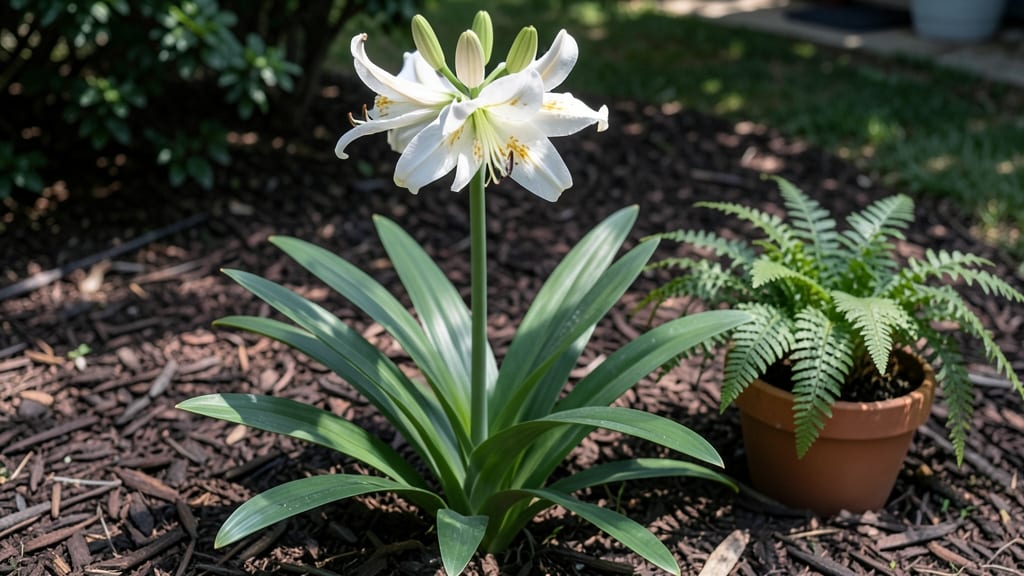
Can lilies grow in shade? Yes, but only certain varieties thrive in low light—Asiatic and Martagon lilies handle partial shade well, while Stargazer or Tiger lilies require full sun for strong blooms.
Growing lilies in shade works best with the right choices. 🌿 Martagon lilies, also called Turk's cap lilies, are the most shade-tolerant, with upward-facing blooms that catch whatever light they can. Asiatic hybrids also adapt well, though they may produce fewer flowers in deep shade.
The key is matching your garden's light conditions to the lily's natural growing habits—some varieties simply won't bloom without at least 4-6 hours of indirect sunlight daily. I've seen dramatic differences in growth when moving shade-loving varieties to slightly sunnier spots, especially during their blooming season.
For best results, focus on soil quality and moisture control. Lilies in shade need well-draining, rich soil to prevent root rot, and consistent watering since shaded areas dry out more slowly.
Adding organic mulch helps regulate soil temperature and retain moisture, while companion plants like ferns or hostas create a natural microclimate that supports their growth.
If you notice weak stems or pale leaves, it's often a sign the plant isn't getting enough light—gradually moving it to a brighter spot can revive it.
💡 In This Article
- Best Shade-Tolerant Lily Varieties for Low-Light Gardens
- Creating Ideal Growing Conditions for Shade-Loving Lilies
Best shade-tolerant lily varieties for low-light gardens
The secret to growing lilies in shade lies in their natural adaptations. Martagon lilies, for example, have thick, leathery leaves that conserve moisture and upward-facing blooms designed to capture dappled sunlight.
Their deep roots (up to 12 inches) allow them to access nutrients in shaded soil where surface roots might struggle. These traits make them ideal for gardens with 3-4 hours of morning sun or filtered light from trees. 🌿
Asiatic hybrids also perform well in partial shade, though they typically need slightly more light (4-6 hours daily) to produce vibrant blooms. Their compact growth habit and shorter stems (usually 2-3 feet) make them perfect for understory planting.
In contrast, sun-loving varieties like Stargazer lilies develop weak stems and sparse flowers in shade because their energy requirements for blooming exceed what low-light conditions can provide.
Pigmentation plays a role too—darker-colored lilies often handle shade better because their deeper hues absorb more light. For instance, the 'Black Out' Asiatic lily thrives in partial shade where lighter varieties might fade.
The trade-off? Shade-grown lilies may produce 20-30% fewer blooms than their sun-exposed counterparts, but the foliage remains lush and disease-resistant.
If you're working with limited light, consider these top performers: Martagon 'Rosalie' (pink blooms), Asiatic 'Lilac Wonder' (lavender flowers), and Martagon 'White Hellfire' (pure white petals). Each has been bred or naturally selected for shade adaptation, with some even tolerating full shade in humid climates where soil stays consistently moist.
For comparison, sun-dependent varieties like Tiger lilies (Lilium lancifolium) need 6+ hours of direct sun to develop their signature stripes and robust stems. In shade, they'll grow leggy and produce fewer blooms, often with pale, striped petals that lack their usual vibrancy.
This visual difference is a clear indicator of how light intensity affects their photosynthesis and pigment production.
One pro tip: Observe how light filters through your garden. East-facing spots provide gentle morning sun that's ideal for shade-tolerant lilies, while west-facing areas can be too harsh. Even 20% more light in the afternoon can make a difference in bloom quantity for Asiatic varieties. 💫