
Light Requirements
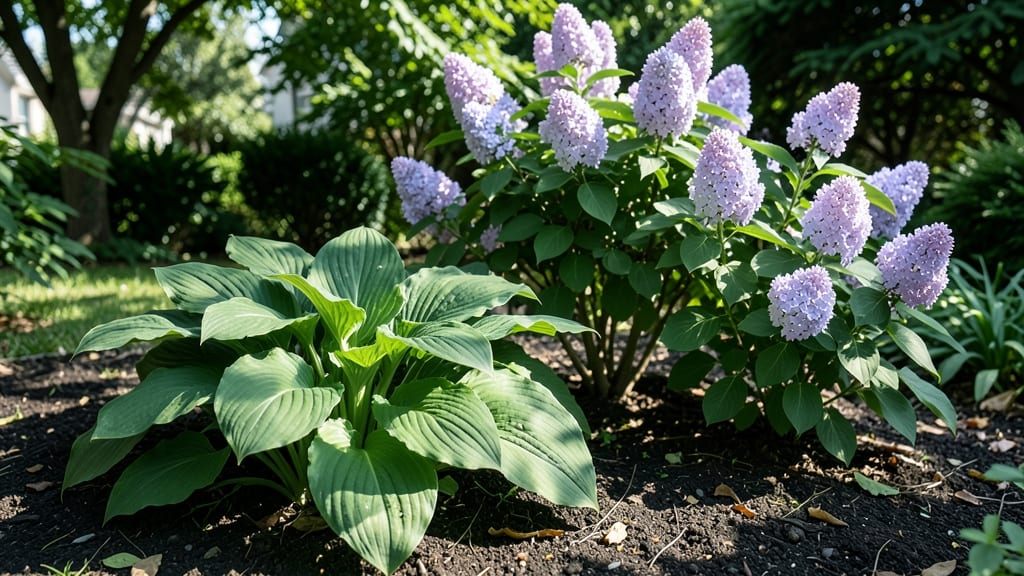
Can lilacs grow in shade? Yes, but they perform best with 4-6 hours of sunlight daily. Dwarf varieties like 'Miss Kim' adapt well to partial shade, while sun-loving types may produce fewer blooms or sparse foliage in low-light conditions.
Lilacs are surprisingly adaptable to shade, though their growth and flowering patterns shift dramatically based on light exposure. 🌿 In deep shade, expect fewer blooms and slower growth, as these plants rely on sunlight for energy production through photosynthesis.
The key is balancing their needs—even shade-tolerant varieties like 'Minnesota Snowflake' will reward you with better blooms if given a few hours of morning sun. I’ve seen 'Miss Kim' lilacs thrive in dappled shade, but their fragrance and bloom density pale compared to their sun-grown counterparts.
For gardeners with limited sunlight, focus on dwarf or compact varieties that handle shade better. These types often have smaller leaves and more concentrated growth habits, making them ideal for shaded borders or woodland gardens.
Just remember: the more shade your lilacs endure, the more attention their soil will need—rich, well-draining compost works wonders for compensating for light deprivation.
💡 In This Article
- How Shade Affects Lilac Growth and Flowering
- Best Shade-Tolerant Lilac Varieties for Low-Light Gardens
How shade affects lilac growth and flowering
Shade impacts lilacs primarily through photosynthesis—the process where chlorophyll converts sunlight into energy. In low-light conditions, lilacs produce less chlorophyll, which weakens their ability to create glucose for growth and flowering.
This explains why shaded lilacs often have paler leaves and fewer blooms: their energy reserves get diverted to maintaining basic functions rather than producing flowers. 🌱 For example, a lilac in full sun might develop 15-20 flower buds per stem, while one in deep shade may only produce 3-5 buds, with each bloom being smaller and less vibrant.
The hormone auxin, which regulates growth and flowering, also gets disrupted in shade. Auxin production decreases in low-light environments, slowing stem elongation and reducing the number of flower clusters. This is why lilacs in shade often grow leggy with sparse foliage—they’re essentially stretching toward any available light.
Additionally, shade-stressed lilacs may develop thinner bark and weaker root systems, making them more susceptible to pests and diseases like powdery mildew. The soil temperature in shaded areas also stays cooler, further slowing metabolic processes.
What most gardeners don’t realize is how light quality matters as much as quantity. Shade often filters out blue and red wavelengths, which are critical for photosynthesis and flowering.
Lilacs need these wavelengths to trigger blooming, so even partial shade can reduce flower production by 40-60% compared to full sun. That’s why morning sun (which provides cooler, less intense light) is ideal for shade-tolerant varieties—it offers enough energy without overheating the plant.
To compensate for shade, lilacs rely more heavily on their roots to access nutrients and water. This is why well-draining, organic-rich soil is non-negotiable in shaded gardens.
Amend the soil with compost or aged manure to boost nutrient availability, and consider a slow-release fertilizer in early spring to support new growth. Mulching with 3-4 inches of wood chips helps retain moisture and regulate soil temperature, both of which are critical in low-light conditions.
One surprising adaptation is how lilacs adjust their leaf structure in shade. Shaded lilacs often develop larger, thinner leaves to maximize light absorption, but these leaves are more prone to damage from wind or pests. The trade-off is that they require more frequent pruning to maintain a compact shape.
For instance, 'Miss Kim' lilacs in shade may need annual pruning in late summer to encourage bushier growth, whereas sun-grown plants can often go 2-3 years between prunings.
If you’re dealing with deep shade (less than 2 hours of direct light daily), consider treating your lilacs like woodland plants. They’ll focus more on leaf growth than flowering, so expect a lush but less fragrant shrub.
In these cases, varieties like 'Minnesota Snowflake' or 'Dwarf Korean Lilac' are your best bets—they’re bred to handle such conditions while still producing some blooms. Just set realistic expectations: you might get half the flowers compared to a sun-exposed plant, but the foliage will be denser and greener. 🌿