
Light Requirements
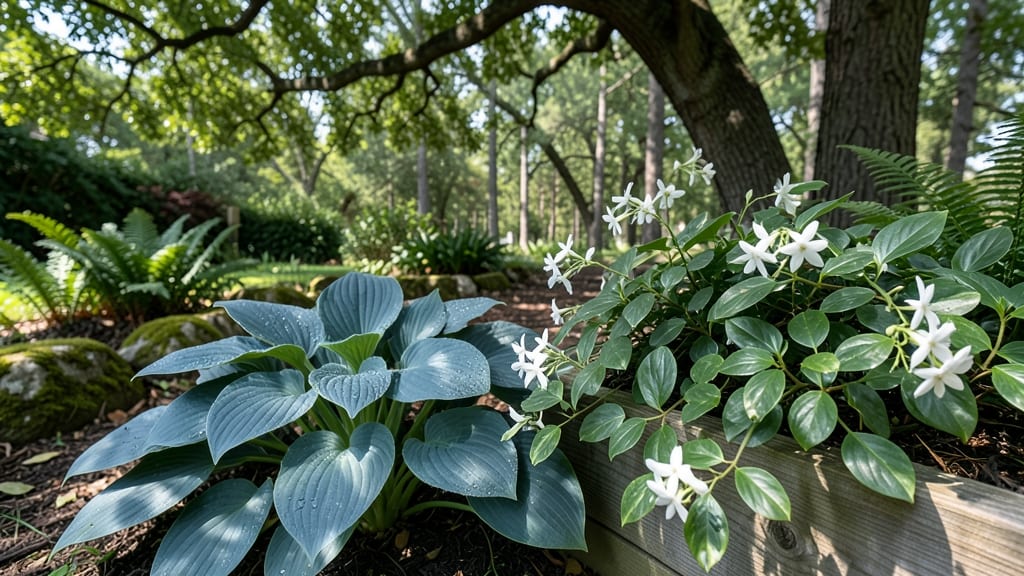
Yes, jasmine can grow in shade, particularly shade-tolerant varieties like jasmine sambac or jasmine polyanthum, which thrive in partial shade (4–6 hours of sunlight daily) and even dappled light conditions. Choose the right species and ensure well-draining, slightly acidic soil for optimal growth.
Not all jasmine varieties need full sun to flourish—some actually prefer the gentler conditions of partial shade. 🌿 The key is selecting the right cultivar, as jasmine sambac (also called Arabian jasmine) adapts beautifully to 4–6 hours of morning sun followed by filtered light, while jasmine polyanthum can even tolerate deeper shade if given consistent moisture.
These shade-friendly types often produce more abundant blooms in lower light than sun-loving varieties, though their fragrance may be slightly less intense. The trade-off? Lush foliage and fewer pest issues, since many insects avoid shaded plants.
For best results, pair your shade-tolerant jasmine with well-draining, slightly acidic soil (pH 6.0–7.0) enriched with compost. Mulch helps retain moisture without waterlogging roots—a common issue in shaded gardens. Prune lightly in early spring to encourage bushier growth, and watch for spider mites, which thrive in dry, shaded conditions.
With the right care, your jasmine will reward you with fragrant blooms even in less sunny spots.
💡 In This Article
- Best Shade-Loving Jasmine Varieties for Low-Light Gardens
- Caring for Jasmine in Shade: Soil, Water, and Pruning Tips
Best shade-loving jasmine varieties for low-light gardens
Not all jasmine varieties are created equal when it comes to shade tolerance. The jasmine sambac, also known as Arabian jasmine, stands out as a top performer in partial shade conditions.
This tropical beauty thrives with just 4–6 hours of morning sunlight and can handle dappled light from nearby trees.
Its glossy, dark green leaves and intensely fragrant white flowers make it a standout even in less sunny spots. 🌿 What's fascinating is how its foliage actually becomes more vibrant in filtered light, with a deeper green hue compared to its sun-exposed counterparts.
The jasmine polyanthum, or pink jasmine, is another excellent choice for shaded gardens. Unlike its sun-loving relatives, this variety adapts well to 3–5 hours of indirect light daily, making it perfect for north-facing patios or under large trees.
Its delicate pink blossoms may appear slightly less abundant in deep shade, but the plant maintains robust growth and a pleasant, though slightly less potent, fragrance.
For cooler climates, jasmine officinale (common jasmine) offers a hardy option that tolerates partial shade, though it prefers at least 6 hours of light for optimal flowering.
Here's what you need to know about how these varieties perform: The jasmine sambac produces the most intense fragrance in partial shade, while jasmine polyanthum shows better color retention in its flowers when given consistent moisture.
The key difference lies in their native habitats—sambac comes from tropical regions where sunlight is intense but brief, while polyanthum originates from subtropical areas with more diffuse light conditions. This adaptation explains why polyanthum handles deeper shade better than other varieties.
When selecting a shade-tolerant jasmine, consider your climate zone. In USDA zones 8-11, jasmine sambac will flourish with minimal sunlight, while in zones 5-7, jasmine officinale becomes the better choice for its cold hardiness.
The fragrance intensity typically decreases by 20-30% in deep shade compared to full sun, but the trade-off is healthier foliage and fewer pest issues. Many gardeners report their shaded jasmines produce blooms over a longer season—just not as densely packed as sun-grown plants.
For visual impact, consider planting jasmine sambac near dark foliage plants like heuchera or black mondo grass, which makes its white flowers pop against the contrast.
In containers, jasmine polyanthum thrives when paired with trailing plants like sweet potato vine, creating a fragrant, cascading display even in shaded balconies.
The secret to their success in low-light conditions lies in their ability to photosynthesize efficiently in lower light levels—a trait shared with other shade-loving plants like fatsia or hostas.
One common misconception is that all shade-tolerant jasmines will perform equally well. In reality, jasmine sambac requires slightly more humidity to thrive in shade, making it ideal for coastal or greenhouse settings, while jasmine officinale handles drier shade conditions better.
This difference explains why some gardeners struggle with their first attempt at growing shade jasmine—matching the variety to your specific microclimate is crucial for success. 🌱