
Plants
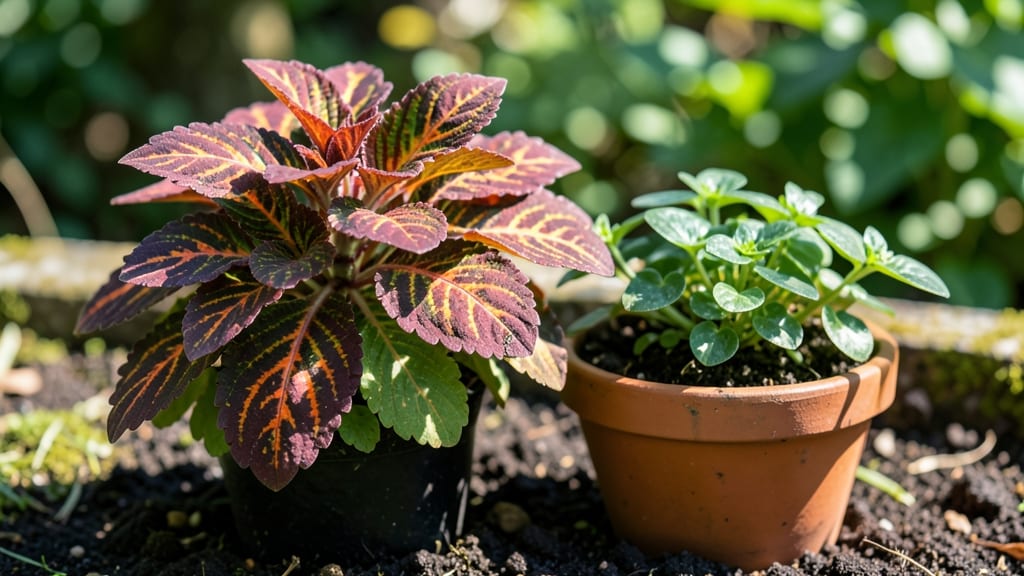
Full sun plants can grow in shade but often suffer from weak stems, poor flowering, or stunted growth without enough light. Gradual acclimation and shade-tolerant varieties help them adapt better.
While full sun plants can survive in shade, their growth and health depend heavily on light intensity. 🌱 Without adequate sunlight, photosynthesis slows down, leading to less energy production and weaker structural development.
Many plants like sunflowers or tomatoes will stretch toward light (a process called etiolation) if deprived of sufficient brightness, compromising their stability. The key is choosing varieties bred for lower light conditions or transitioning them slowly to prevent shock.
For example, coleus or impatiens thrive in partial shade while still being classified as full sun plants. Adjusting soil fertility and watering frequency can also compensate for reduced light exposure.
If you're repurposing a sunny garden spot for shade, consider raised beds or reflective surfaces to maximize what little light reaches the plants.
💡 In This Article
- How Light Intensity Affects Full Sun Plant Survival
- Best Shade-Adapted Full Sun Plants and Care Tips
How light intensity affects full sun plant survival
Photosynthesis is the core process where plants convert sunlight into energy using chlorophyll. When full sun plants like tomatoes or peppers receive only 30-50% of their required light, chlorophyll production drops by up to 40%, reducing their ability to create glucose.
This energy deficit forces plants to prioritize survival over growth, often resulting in elongated stems as they stretch toward available light—a condition called etiolation. The stems become weak and spindly, unable to support heavy foliage or fruit, which can snap under their own weight.
Light intensity also impacts nutrient absorption. In low-light conditions, plants struggle to synthesize vitamin D (a plant hormone that regulates growth), leading to pale leaves and poor flowering.
For example, marigolds exposed to less than 4 hours of direct light daily may produce fewer blooms, while sunflowers could grow 20-30% taller but with thinner stems.
The trade-off is a plant that looks impressive but is structurally unstable and more susceptible to pests like aphids, which thrive on weak, nutrient-deficient growth.
Root development suffers too. Full sun plants typically grow deep, robust root systems to anchor themselves and access water. In shade, roots become shallow and sparse, reducing the plant's ability to uptake moisture and nutrients efficiently.
This is why shade-grown tomatoes often produce smaller, less flavorful fruit—they lack the energy to develop fully. The soil around these plants may also stay damp longer, increasing the risk of root rot if drainage isn't improved.
Color changes are another telltale sign of light deprivation. Chlorophyll breaks down when light is insufficient, revealing anthocyanins (the pigments that give leaves red or purple hues). You might notice coleus leaves deepening in color as a stress response, or impatiens developing a dull, yellowish tint.
These visual cues indicate the plant is struggling to maintain its metabolic functions. Over time, the plant may even revert to a juvenile state, producing smaller leaves and stunted growth patterns.
Temperature plays a hidden role here. Shade reduces heat stress, which can be beneficial in extreme climates, but it also lowers soil temperatures. Cooler soil slows microbial activity, meaning nutrients like nitrogen become less available.
This creates a double challenge: the plant needs more energy to absorb nutrients, but the soil can't supply them efficiently. For instance, peppers in shade may take 2-3 weeks longer to mature because their metabolic rate is suppressed.
One silver lining is that some full sun plants adapt surprisingly well to shade if given time. For example, Swiss chard can tolerate 50% less light than its full sun cousins and still produce edible stems, though they may be thinner.
The key is monitoring the plant's response—if leaves yellow, growth stalls, or stems lean excessively, it's a sign the plant is pushing its limits. Gradual acclimation (moving plants to shade over 2-3 weeks) helps them adjust without shock.