
Light Requirements
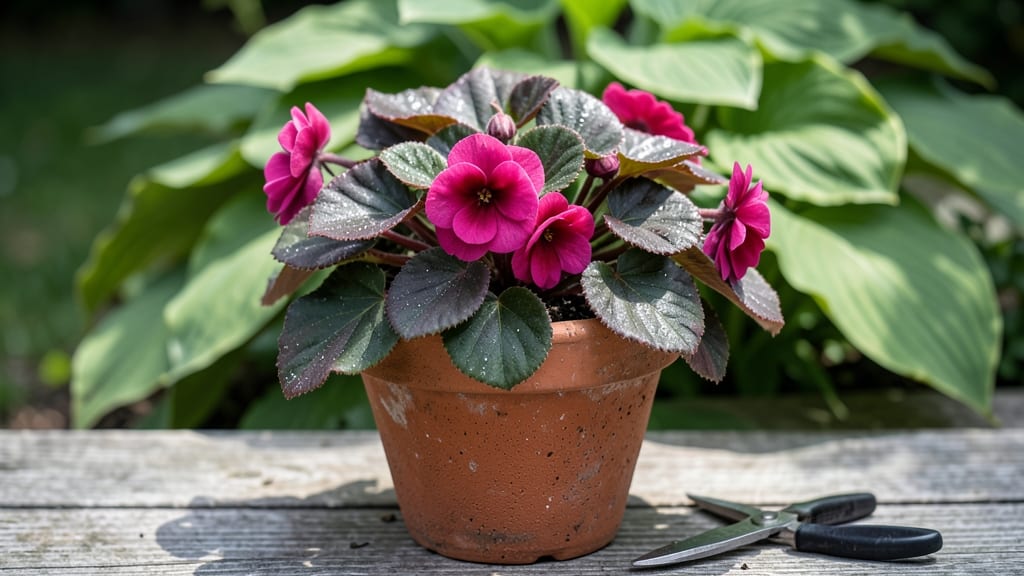
Begonias can grow in shade, thriving in low to moderate light conditions, though bright indirect light enhances blooming. Choose shade-tolerant varieties like Rex or Dragon Wing begonias for best results in dimmer spots, avoiding deep or dark shade where growth may weaken.
Begonias adapt to shaded environments by slowing their growth and focusing energy on leaf development rather than blooms. 🌿 In dimmer areas, varieties like Rex begonias showcase their stunning foliage patterns, while Dragon Wing types produce fewer but larger flowers.
The key is avoiding complete darkness—even filtered light through trees helps sustain photosynthesis. For best results, rotate containers occasionally to ensure even light exposure, and supplement with grow lights during winter when natural light diminishes.
What many gardeners don't realize is that begonias actually prefer indirect light over harsh direct sun, which can scorch their delicate leaves. The trade-off is that flowering may be less abundant in deep shade, but the lush foliage often compensates beautifully.
I've found that placing shade-loving begonias near east-facing windows or under 30-50% shade cloth creates the perfect balance for both growth and color.
💡 In This Article
- Shade Tolerance in Begonias: How Light Affects Growth and Blooming
- Best Shade-Loving Begonia Varieties for Low-Light Gardens
Shade tolerance in begonias: how light affects growth and blooming
Begonias thrive in shade because their leaves have adapted to maximize light absorption even in low-light conditions. Their large, thin leaves contain a high density of chloroplasts—up to 30% more than sun-loving plants—which allows them to capture scattered light efficiently.
This adaptation explains why begonias grow well under 1,000-2,000 foot-candles of light (about 10-20% of full sun), where many other plants struggle. The trade-off? Their photosynthesis rate slows, redirecting energy toward leaf development rather than flower production.
Light quality matters just as much as quantity. Begonias prefer indirect light because direct sun can cause leaf burn, especially on varieties with silvery or metallic foliage.
For example, a Rex begonia left in full sun may develop brown patches within 2-3 hours of exposure, while the same plant in dappled shade retains its vibrant colors.
The ideal setup mimics a forest understory, where light filters through tree canopies—this creates the perfect balance for begonia growth without stressing the plant.
Flowering is where light becomes critical. Begonias need at least 4-6 hours of bright indirect light daily to trigger blooming, though they'll produce fewer flowers in deep shade. This is why Dragon Wing begonias often bloom less prolifically in north-facing windows than in east-facing ones.
The difference comes down to photoperiodism—the plant's response to daylight length. In dimmer conditions, begonias prioritize survival over reproduction, focusing instead on developing thick, protective leaves.
Leaf color also shifts with light exposure. Variegated begonias, like the Limelight variety, may lose their white or yellow patterns in deep shade, reverting to solid green as chlorophyll dominates. This happens because the plant can't maintain the energy-intensive process of producing multiple pigments when light is scarce.
In contrast, solid-colored foliage begonias like the Christmas begonia handle shade better, as they don't rely on contrasting patterns for visual appeal.
Seasonal light changes add another layer of complexity. During winter, when natural light drops below 1,500 foot-candles, begonias may enter a semi-dormant state, slowing growth. This is why supplementing with LED grow lights (10,000-15,000 lux) for 12-14 hours daily can maintain vigor.
I've seen begonias in my own collection bounce back quickly when given this extra light boost, proving that even shade-loving plants need occasional support to thrive year-round.
One common misconception is that all shade equals good shade. Deep, dark corners—like those under dense evergreens—can actually weaken begonias by preventing proper air circulation and increasing humidity. The ideal shaded spot should still receive some filtered light (even through sheer curtains) to prevent fungal issues like powdery mildew.
Think of it like Goldilocks—begonias need light that's "just right," not too harsh and not too dim.