
Shrubs
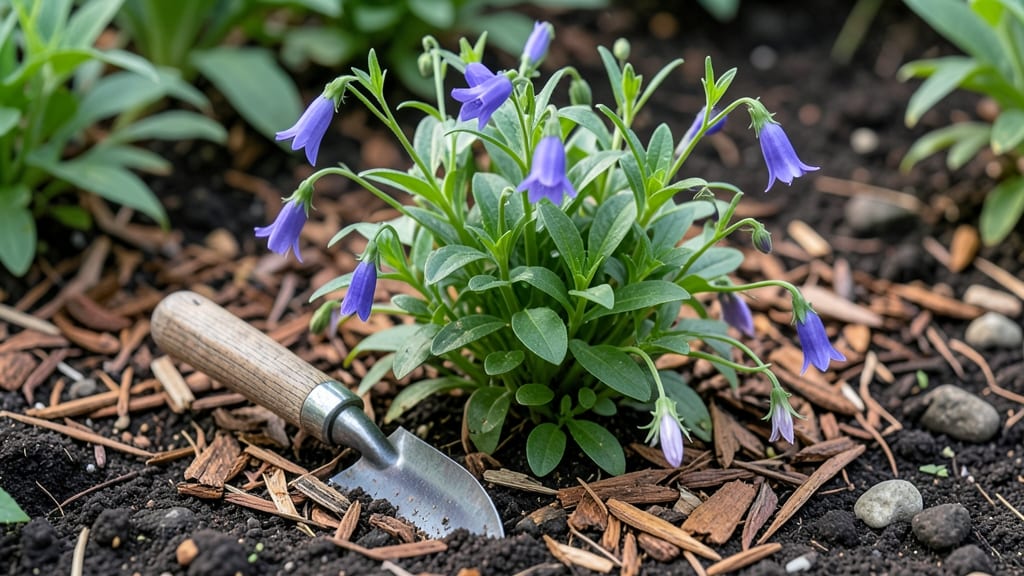
Campanula thrives in shade or sun, but picking the right spot is the key to those vibrant blooms you’re dreaming of.
Picture this: your delicate 🌸 bellflower stretching toward light, leaves pale and leggy, while the blooms stay sparse. That’s the difference between a happy campanula and one fighting for its life—and it all starts with light.
Whether you’re working with a shady woodland edge or a sunny border, knowing the nuances of sun vs. shade will turn your campanula from a struggling underachiever into a garden showstopper.
Some varieties, like Campanula persicifolia, practically beg for full sun, while others, such as Campanula isophylla, thrive in the cooler, dappled shade of trees. The trick? Matching the plant to your garden’s microclimate and adjusting care as seasons shift.
Below, I’ll walk you through how to spot the perfect light conditions, troubleshoot common light-related issues, and keep your campanula blooming like crazy all season long.
Ready to give your bellflower the ideal home? Let’s dive into the light requirements that will have your campanula flourishing—whether it’s basking in morning sun or lounging in the shade.
 Best Window Placement
Campanula light requirements: shade vs sun tolerance explained
If you've ever wondered whether your campanula should bask in full sun or hide in the shade, you're not alone. These delicate bellflowers actually thrive in a surprising range of light conditions, but their preferences vary dramatically by species.
Understanding these differences is key to unlocking vibrant blooms year after year. The right light exposure can mean the difference between a leggy, sparse plant and one covered in vibrant flowers from spring to fall.
Most gardeners assume campanula needs shade, but many varieties actually crave sunlight—just not the harsh afternoon kind. The secret lies in matching the right species to your garden's microclimates.
For example, Campanula persicifolia (peach-leaved bellflower) reaches its full potential with morning sun exposure, while Campanula isophylla (Italian bellflower) thrives in dappled shade. Let's break down how to identify the perfect spot for each type.
| Species | Ideal Light | Sun Tolerance | Shade Adaptability | Best For |
|---|---|---|---|---|
| Campanula persicifolia | Full sun to partial shade | High (6+ hours) | Moderate (prefers some sun) | Border plantings, cottage gardens |
| Campanula isophylla | Partial shade to full shade | Low (2-4 hours max) | High (thrives in shade) | Woodland gardens, under trees |
| Campanula portenschlagiana | Partial shade to morning sun | Moderate (3-5 hours) | High (avoid hot afternoon sun) | Rock gardens, container plantings |
| Campanula glomerata | td style="padding: 10px;">Full sun to partial shadeHigh (6+ hours) | Moderate (drought-tolerant) | Dry slopes, meadow gardens | |
| Campanula rapunculoides | Full sun to partial shade | High (aggressive in sun) | Low (can spread invasively) | Naturalized areas (use cautiously) |
The key to success with campanula is recognizing that morning sunlight is often the goldilocks zone—enough to fuel growth without scorching delicate foliage. For shade-loving varieties like Campanula isophylla, aim for dappled sunlight filtering through trees or a north-facing spot.
These plants often show their best colors when protected from harsh midday rays, which can cause leaf scorch. In contrast, sun-loving types like Campanula persicifolia will reward you with prolonged blooming when given their preferred conditions.
One common mistake is assuming all campanula can handle full sun. While some varieties tolerate it, others will respond with yellowing leaves or stunted growth. Pay attention to your local climate—campanula in hot, dry regions may need more shade protection than those in cooler coastal areas.
A simple test is to observe how the leaves look after a few weeks in a spot: if they're crispy or bleached, it's getting too much sun.
For container gardeners, light requirements become even more critical. A south-facing windowsill might provide too much intensity for shade-loving campanula, while an east-facing spot offers gentle morning light that works perfectly.
If you're growing campanula in pots, rotate them weekly to ensure even light exposure on all sides. This prevents lopsided growth and encourages bushier, more compact plants with better flower production.
Another pro tip: use mulch around the base of your campanula to help regulate soil temperature. In full sun, mulch keeps roots cooler, while in shade, it helps retain minimal warmth needed for growth.
Organic mulches like shredded bark also improve soil moisture retention, which is especially helpful for shade-loving varieties that may dry out more slowly. Aim for a 2-3 inch layer of mulch, keeping it a few inches away from the stems to prevent rot.
When selecting a planting location, consider the seasonal changes in your garden. A spot that gets full sun in summer might offer only partial shade in winter when deciduous trees are bare.
This natural variation works perfectly for many campanula species, providing just the right balance of light throughout the growing season. If you're unsure about a particular area, start with a trial planting of a few different varieties to see how they respond over time.
Remember that campanula isn't just about light—it's also about air circulation. In shady spots, plants may become more susceptible to fungal issues if airflow is poor. Space your campanula 12-18 inches apart to allow for proper circulation, regardless of whether they're in sun or shade.
This simple step can make the difference between healthy plants and those struggling with mildew or rot.
If you're still unsure about your garden's light conditions, take a sunlight inventory before planting. Use a simple method: place a white sheet of paper in different spots around your yard and observe how quickly it darkens over a few hours.
This gives you a clear picture of which areas receive full sun, partial shade, or full shade—information that will guide your campanula placement perfectly.
With the right light conditions
How to choose the perfect location for campanula blooms
Finding the ideal spot for your campanula isn't just about sunlight—it's about understanding your garden's microclimate. These delicate bellflowers thrive in partial shade but can handle morning sun in cooler climates.
Start by observing how sunlight shifts throughout the day in your yard. East-facing spots offer gentle morning light, while west-facing areas get intense afternoon rays that can scorch leaves.
Your campanula's location should also consider nearby structures. Tall trees provide dappled shade, but watch for competing roots. If planting near a house, ensure good air circulation to prevent fungal issues. Remember, seasonal changes affect light exposure—what's full sun in summer might become partial shade in winter.
🌿 Ideal Campanula Locations by Light Type
- Partial Shade (6+ hours): East-facing beds, under deciduous trees, or north-facing borders
- Morning Sun (3-4 hours): West-facing spots with afternoon shade from shrubs or trellises
- Avoid: South-facing full sun in hot climates (leads to leaf scorch), or deep shade (reduces blooms)
- Pro Tip: Test spots for 2 weeks before planting—place a white board where you plan to grow and mark sun/shade patterns
Prepare your chosen spot by amending the soil with organic matter. Campanulas prefer well-draining soil with a pH between 6.0-7.5. Work in compost or aged manure to improve drainage while retaining moisture.
If your soil is heavy clay, consider creating a raised bed—this gives roots better access to oxygen and prevents waterlogging.
Companion planting can enhance your campanula's performance. Pair with ferns or hostas for natural shade in hotter climates, or plant near lavender to deter pests. Avoid placing near aggressive spreaders like mint or creeping charlie, which can crowd out your delicate bellflowers.
Mulch with wood chips to maintain even soil temperatures and reduce water evaporation.
Consider your campanula's mature size when selecting a location. Varieties like Campanula persicifolia grow 2-3 feet tall, while Campanula portenschlagiana stays under 6 inches. Place taller varieties at the back of borders or near fences, while dwarf types shine in rock gardens or as edging plants.
Always leave 12-18 inches between plants for proper air circulation.
Finally, observe how your campanula responds to its location throughout the growing season. Adjust by adding shade cloth during peak summer heat or moving containers to sunnier spots in winter. With the right location, your campanula will reward you with prolonged blooms from early summer through fall. 🌸