
Shrubs
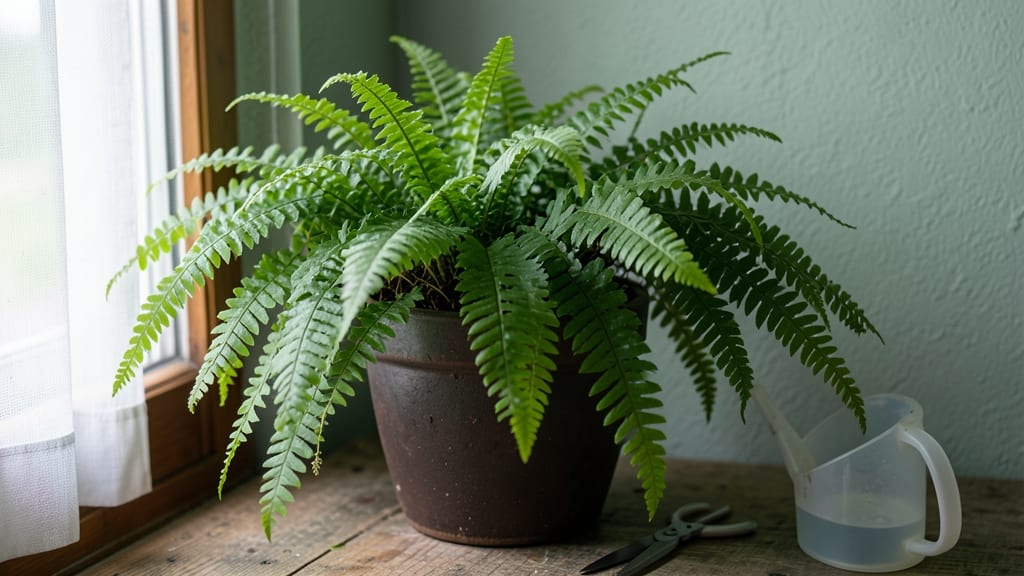
Your Boston fern thrives in shade 🌿 — but even the hardiest plants need the right conditions to stay lush and green.
If you’ve ever stared at brown, crispy fronds and wondered what went wrong, you’re not alone. Shade-loving plants like the Boston fern often suffer from common care mistakes, but the good news? Fixing them is simpler than you think.
From adjusting watering routines to tweaking humidity levels, this guide breaks down the science behind browning fronds in low-light settings. You’ll learn how to revive your fern in just 7 days and keep it thriving year-round.
Whether your fern lives indoors near a north-facing window or outdoors in Zone 6a, these step-by-step tips will help you avoid future issues and enjoy vibrant, healthy growth.
 Best Window Placement
Why Boston ferns turn brown in shade (and how to fix it fast)
Your Boston fern’s brown, crispy fronds might seem like a death sentence, but these shade-loving plants often just need a few simple adjustments. The Nephrolepis exaltata thrives in low-light conditions, but even the hardiest ferns can struggle when care goes wrong.
The good news? With the right fixes, you can revive your fern in just 7 days—no fancy tools required.
First, let’s tackle the top 3 causes of browning in shade: overwatering, low humidity, and inconsistent light exposure. Each of these weakens the fern’s fronds, making them crispy and unsightly.
The key is identifying which issue is plaguing your plant so you can address it directly. I’ll walk you through each problem and the science-backed solutions that work fast.
⚠️ Warning: Don’t Overlook These Shade Mistakes!
Boston ferns in shade often suffer from hidden stress signs. Here’s what you’re likely missing:
- Root rot from overwatering—check soil moisture before watering again.
- Dry frond tips from low humidity—your home’s air is likely too dry for this tropical plant.
- Leggy growth from too little light—even shade plants need bright indirect light.
Skip these fixes at your own risk—your fern could decline faster than you think!
Let’s start with the most common culprit: overwatering. Boston ferns need consistently moist soil, but their roots rot quickly in soggy conditions. If your fern’s soil feels damp or smells musty, it’s time to adjust your watering routine.
I recommend the finger test: stick your finger 1 inch deep into the soil—if it’s wet, wait 2-3 more days before watering. For potted ferns, ensure your container has drainage holes to prevent waterlogging.
Next, low humidity is a silent killer for Boston ferns. These tropical plants thrive in 60-70% humidity, but indoor air is often 30-40%—far too dry. To boost humidity, place your fern on a pebble tray filled with water or group it with other plants.
A humidifier nearby can also work wonders. Watch for crispy brown edges on fronds—this is your fern’s SOS signal for more moisture in the air.
Even in shade, light exposure matters. If your fern isn’t getting enough bright indirect light, its fronds will stretch and weaken, turning brown. Move your fern to a north-facing window or near a sheer curtain to filter light gently.
Avoid south- or west-facing windows, as direct sun can scorch the leaves. If natural light is limited, a grow light (even a simple LED bulb) can provide the 2-4 hours of light your fern needs daily.
Now, let’s talk pruning. Dead or dying fronds should be trimmed 1 inch above the soil line to encourage new growth. Use sterilized scissors to avoid spreading disease. Focus on fronds with more than 50% browning—these won’t recover and will drain energy from healthy growth.
After pruning, give your fern a light fertilizer dose (like a 10-10-10 balanced mix) to support recovery.
For fast revival, combine these steps into a 7-day plan:
- Day 1-2: Adjust watering—let soil dry slightly between waterings.
- Day 3-4: Boost humidity with a pebble tray or humidifier.
- Day 5-7: Prune dead fronds and move to brighter indirect light.
Pro tip: Rotate your fern every few days so all sides get even light. This prevents one-sided growth and keeps your fern looking full and lush.
If your fern is in a dark corner, consider upgrading to a grow light—even a $20 LED bulb can make a huge difference in preventing future browning.
Remember, Boston ferns are resilient. With the right care, they’ll bounce back faster than you think. The key is acting quickly—don’t wait until the entire plant is brown! Start with these fixes today, and you’ll have a thriving, frond-filled fern in no time.
Step-by-step shade care routine for Boston ferns (with visual checklist)
Boston ferns thrive in shady spots but often struggle when their humidity needs or watering schedule aren’t met. The key to reviving brown fronds lies in daily adjustments—like morning watering and misting—that mimic their natural, damp forest habitat.
Let’s break down the weekly care routine that’ll have your fern lush and green in no time.
Start by optimizing light exposure—these ferns need bright indirect light (think north-facing windows or under sheer curtains). Too little light causes weak growth, while too much direct sun scorches the delicate fronds.
Pair this with consistent moisture and high humidity, and you’ll see new growth within 7-10 days.
- 💧 Morning Watering: Soak soil until water drains from the bottom. Never let it dry out completely.
- 🌡️ Humidity Boost: Mist fronds 2x daily or place the pot on a pebble tray with water.
- ✂️ Prune Dead Fronds: Trim brown tips with clean scissors to redirect energy to new growth.
- 🌳 Light Check: Rotate the pot weekly to ensure even exposure to indirect light.
- 🪴 Soil Aeration: Gently loosen topsoil monthly to prevent compaction and improve drainage.
- 🌱 Fertilize Lightly: Use a balanced 10-10-10 fertilizer every 6-8 weeks in spring/summer.
- 📋 Weekly Inspection: Check for pests (like spider mites) and wipe fronds with a damp cloth.
For indoor shade environments, like bathrooms or basements, boost humidity with a humidifier or group plants together to create a microclimate. If your fern is in a low-light room, supplement with a grow light (12-14 hours/day) to prevent leggy growth.
The goal is to keep the soil moist but not soggy—stick your finger in the soil; if the top inch feels dry, it’s time to water.
Don’t overlook soil health—Boston ferns prefer well-draining, peat-based mixes with added perlite. Repot every 2-3 years or when roots circle the pot. Use a container with drainage holes to prevent root rot, a common issue in shade-loving plants.
A mulch layer (like orchid bark) on top of the soil also helps retain moisture and regulate temperature.
Watch for new fronds emerging from the center—this is your sign the care routine is working! If brown fronds persist after 2 weeks, reassess your light source or watering habits.
Remember, these ferns are low-maintenance once you nail the basics: moisture, humidity, and indirect light. With this routine, your Boston fern will bounce back in no time!