
Plants
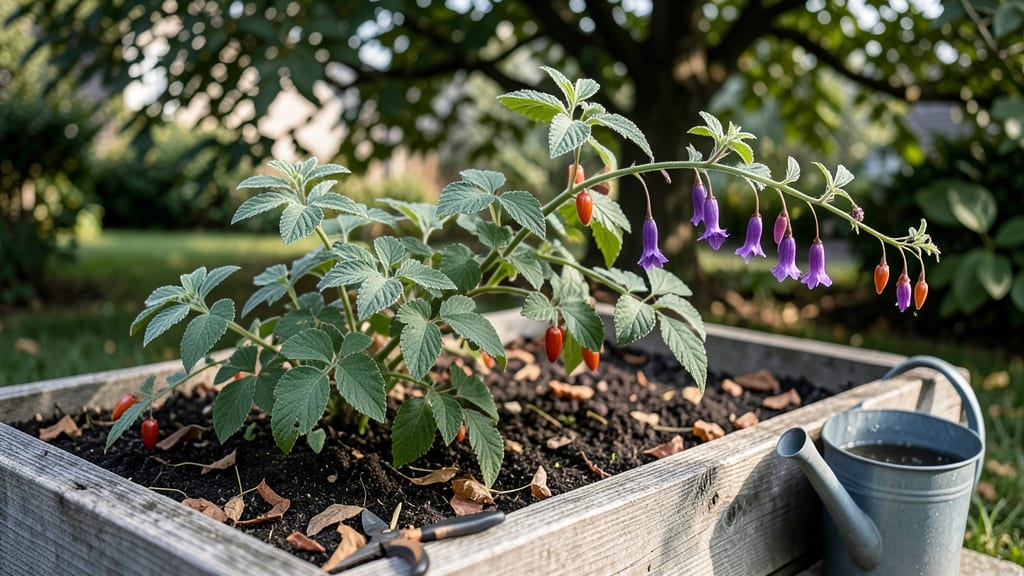
Growing bittersweet nightshade (Solanum dulcamara) feels like cultivating a living treasure chest—its twining vines climb effortlessly, producing striking red-orange berries that catch the light like tiny jewels. 🌿 This hardy perennial thrives in partial shade, where it spreads like a natural tapestry, but it demands caution: every part of the plant is toxic if ingested, especially the berries that tempt curious fingers and paws.
The secret to success lies in its adaptability—it flourishes in average garden soil, from moist woodland edges to sun-dappled fences, and spreads via seeds or root cuttings with surprising ease.
My first batch took root from a single vine fragment tucked into a shady corner, now sprawling across a 6-foot trellis in just one season. The key? Plant in early spring or fall, give it space to wander, and watch it transform bare spots into lush green curtains.
Beyond its ornamental allure, this vine supports pollinators and birds (who adore the berries), while traditional herbalists value its medicinal properties—though never for internal use without expert guidance.
You’ll end up with a self-sustaining garden feature that requires minimal care but delivers maximum visual drama, provided you keep it contained in non-invasive zones.
Fair warning: this isn’t a plant for impatient gardeners. It takes time to establish, and its aggressive spread means regular pruning to keep it where you want it. But once it’s happy, it’s nearly indestructible—perfect for shady corners where other plants struggle. Start small, and let its magic unfold.
📚 In This Guide
- What you need
- Instructions
- Tips and common mistakes
- Wrapping up and next steps
What you need
- ● Seeds or Cuttings: High-quality Solanum dulcamara seeds (ensure they’re organic if preferred) or healthy cuttings from a mature vine. (2–5 seeds or 1–2 cuttings per plant)
- ● Growing Containers or Garden Bed: For containers: 5–7 gallon pots with drainage holes (1–2 plants per container).
- ● For in-ground: Well-draining soil in a partial shade to full sun location (6+ hours of light daily).
- ● Potting Mix: Well-draining, slightly acidic to neutral soil (pH 6.0–7.0). Mix with perlite or compost for aeration.
- ● Support Structure: Trellis, fence, or obelisk (3–6 ft tall) for climbing. Bittersweet loves to twine!
- ● Watering Can or Hose: With a gentle spray nozzle for consistent moisture.
- ● Fertilizer: Balanced 10-10-10 or organic compost (apply lightly every 4–6 weeks).
- ● Pruning Shears: Sharp, sterilized shears for trimming and harvesting.
- ● Mulch: Straw or shredded leaves to retain moisture and suppress weeds.
- ● Organic Pest Control: Neem oil or insecticidal soap (for aphids or spider mites).
- ● pH Test Kit: To monitor soil acidity and adjust if needed.
- ● Gloves: For handling (some may find the sap mildly irritating).
- ● Journal: To track growth, flowering, and berry production!
Step-by-Step instructions for cultivating bittersweet nightshade (Solanum dulcamara)
This hardy vine thrives with minimal fuss—just follow these steps for lush growth and bountiful berries.
🌱 Step 1: Choose the Perfect Planting Location
Bittersweet nightshade loves partial shade to full sun but tolerates dappled light beautifully. I plant mine along fence lines or trellises where they can twine upward without competition. The key is well-draining soil—this vine hates soggy roots, so amend heavy clay with compost or sand if needed.
Test your spot by pressing your finger 1 inch deep into the soil. If it feels compacted or stays clumpy, loosen it with a garden fork. The vine spreads aggressively, so give it 6-8 feet of space to sprawl naturally. Real talk: If you're growing it for berries, avoid planting near high-traffic areas—those shiny red fruits are tempting but toxic until fully ripe.
🌿 Step 2: Plant Cuttings or Seeds at the Right Time
For fastest results, root cuttings in early spring (March-April) when new growth begins. Take 4-6 inch sections from healthy vines, ensuring each has 2-3 nodes. Dip the cut end in rooting hormone (optional but helpful) and plant at a 45-degree angle, burying 2 nodes deep. Water deeply until the soil feels evenly moist but not soggy.
If starting from seed, sow indoors 8-10 weeks before last frost in well-draining mix. Press seeds ¼ inch deep and keep soil at 65-70°F for germination, which takes 2-4 weeks. Seedlings are delicate—avoid disturbing them until they develop true leaves. Transplant outdoors after all frost risk passes, hardening off for 1 week first.
☀️ Step 3: Provide Support and Prune for Healthy Growth
Bittersweet nightshade is a vigorous twiner, so install a trellis, fence, or arbor before planting. Guide the main stems upward and train side shoots to climb too. Without support, vines sprawl and berry production suffers. I prune once in early summer to remove weak or crossing stems, focusing on 3-5 strong leaders per plant.
Deadhead spent flowers in late summer to encourage a second flush of blooms. Watch for yellowing leaves—this usually means overwatering or fungal issues. If you see black spots, prune affected foliage immediately and space plants further apart for better airflow. The berries ripen in late summer to fall, turning from green to bright red—harvest them when fully colored.
💧 Step 4: Water and Fertilize for Optimal Berry Production
Water deeply once weekly during dry spells, aiming for 1-2 inches of moisture. Let the top 2 inches of soil dry between waterings—this vine tolerates drought once established but produces fewer berries if stressed. Mulch with 2-3 inches of organic matter (like straw or shredded leaves) to retain moisture and suppress weeds.
Fertilize lightly in early spring with a balanced 10-10-10 formula. Too much nitrogen leads to lush foliage but fewer berries. I avoid fertilizing after mid-summer—the plant needs to focus on berry development, not new growth. If leaves curl or stems weaken, cut back on water and check for aphids or spider mites, which thrive in damp conditions.
✂️ Step 5: Harvest and Preserve Berries for Medicinal Use
Berries ripen asynchronously, so check plants weekly in late summer. Harvest when fully red and slightly soft to the touch. Wear gloves—unripe berries are toxic, and even ripe ones can cause mild stomach upset if overconsumed. I collect them in a paper bag to avoid bruising and store at room temperature for 1-2 weeks or refrigerate for longer shelf life.
For medicinal use, dry berries in a cool, dark place or dehydrator. The dried fruit can be infused in oil for topical remedies or brewed into tea (use sparingly). Real talk: This plant is not for casual gardeners—its toxicity requires respect. Keep it away from children and pets, and never consume unripe berries. When used correctly, though, the berries offer anti-inflammatory and digestive benefits that make the effort worthwhile.
Tips & tricks for cultivating bittersweet nightshade
These practical insights will help you nurture a thriving bittersweet nightshade vine with minimal effort—and avoid the common pitfalls that can turn your garden project into a frustrating experiment.
Location Intelligence: While bittersweet nightshade tolerates partial shade, I've found the sweet spot is actually morning sun with afternoon shade—especially in hotter climates. The plant's leaves will scorch in intense afternoon rays but thrive with gentle morning sunlight. If you're planting near a fence or trellis, position it so the vine receives these ideal light conditions throughout its growth cycle. This balance prevents leaf burn while still encouraging robust berry production.
Pruning Strategy: The early summer pruning mentioned in Step 3 is your chance to shape the vine's future. I recommend keeping your pruners sharp and making clean cuts just above a leaf node when removing weak stems. This encourages new growth from exactly where you want it. For the late summer deadheading, focus on removing only the spent flowers—not the entire flower cluster. This preserves the vine's energy for berry development while still encouraging that second bloom cycle. Think of it like giving your plant a haircut that maintains its natural shape while promoting healthy regrowth.
Soil Secrets: The well-draining soil requirement is critical, but what's often overlooked is the pH balance. Bittersweet nightshade prefers slightly acidic soil with a pH between 6.0 and 6.5. If your soil tests higher, amend it with sulfur or peat moss before planting. I've seen dramatic improvements in berry production when adjusting pH—plants with proper acidity levels develop stronger root systems and better nutrient uptake. You can test your soil's pH with a simple home test kit available at garden centers for under $10.
Harvesting Caution: The toxicity warning in Step 5 is serious, but here's what nobody tells you—ripe berries contain solasodine, a compound that's actually being studied for its potential in cancer treatment research. When harvesting, use thick gardening gloves and consider wearing a dust mask if you're sensitive to plant particles. The berries should be fully red with a slight sheen when ripe, not just partially colored. Store harvested berries in paper bags rather than plastic—they need to breathe to maintain their medicinal properties. Remember, even ripe berries should only be consumed in tiny quantities (about 5-6 berries max) due to their potent effects.
Pro Tips for Bittersweet Nightshade Solanum Dulcamara
- These practical insights will help you nurture a thriving bittersweet nightshade vine with minimal effort—and avoid the common pitfalls that can turn your garden project into a frustrating experiment.
- Location Intelligence: While bittersweet nightshade tolerates partial shade, I've found the sweet spot is actually morning sun with afternoon shade—especially in hotter climates.
- Pruning Strategy: The early summer pruning mentioned in Step 3 is your chance to shape the vine's future.
Frequently asked questions
Is bittersweet nightshade safe to grow near edible plants?
While Solanum dulcamara isn’t highly toxic like some nightshades, it can cross-pollinate with other Solanum species (e.g., tomatoes or potatoes), potentially introducing bitter or toxic compounds. Keep it at least 10–15 feet away from edible crops to avoid contamination. If growing in containers, it’s a safer option!
How long does it take for bittersweet nightshade to produce berries?
Patience is key! This vine typically takes 1–2 years to mature enough to flower and fruit. In ideal conditions (full sun, moist soil, and support for climbing), you may see bright red-orange berries by late summer or fall of the second year. Prune aggressively in spring to encourage faster growth.
Can I eat the berries raw, or do I need to cook them first?
The berries are edible but bitter when raw—hence the name! Cooking (boiling, simmering, or baking) reduces bitterness and unlocks their sweet, tangy flavor. Soak them in water for 24 hours to further mellow the taste. Never consume unripe or green berries—they contain solanine, a toxic compound.
Why aren’t my bittersweet nightshade vines flowering or fruiting?
Several factors can stall flowering/fruiting:
- Insufficient sunlight: Needs 6+ hours of direct sun daily.
- Poor soil: Amend with compost for better nutrients.
- Lack of support: Train vines on trellises or fences to climb.
- Over-fertilizing: Too much nitrogen = leafy growth, fewer flowers.
What’s a non-toxic alternative to bittersweet nightshade for ornamental vines?
If you love the look but want a safer option, consider:
- Clematis (non-toxic, diverse colors, climbing habit).
- Honeysuckle (fragrant, attracts pollinators, edible flowers).
- Passionflower (unique foliage, edible fruit, low-maintenance).
Wrapping up and next steps
Bittersweet nightshade (Solanum dulcamara) is a fascinating plant with edible berries, medicinal potential, and striking ornamental value. Whether you’re drawn to its twining vines, historical uses, or the thrill of growing a lesser-known species, this guide has given you the tools to cultivate it successfully. 🌱
Now that you’re equipped with the right knowledge, why not take the next step? Start with a small patch in your garden or even a container—experiment with its growth habits and share your journey with fellow plant enthusiasts. Happy gardening!