
Trees
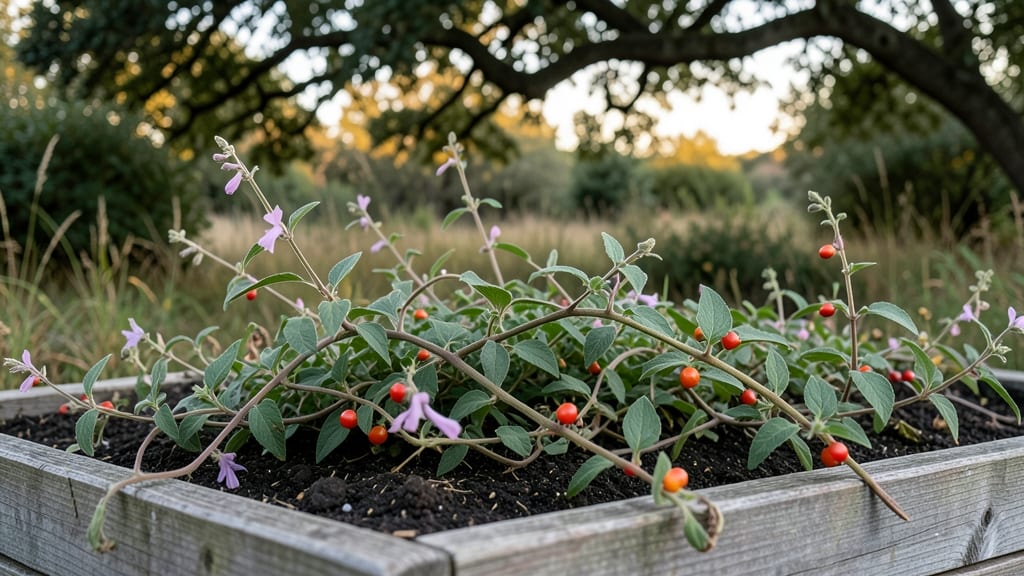
The bittersweet nightshade identification you need starts with recognizing its deceptively pretty berries—because those are the ones that’ll make you regret reaching out. 🌿 I’ve spent years untangling this confusion—especially after mistaking its berries for edible ones (spoiler: they’re not).
This plant climbs like a morning glory but with jagged leaves and a bitter-sweet taste that’s impossible to ignore once you know it. The key is the berries: bright red, pea-sized, and arranged in dangling clusters.
Its leaves are oval with serrated edges, and the stems are square—unlike smooth tomato stems. Flowers are tiny and purple, often hidden behind the foliage. One wrong bite, and you’ll know why this plant earns its reputation as a garden troublemaker.
You’ll also learn how to tell it apart from edible nightshades like tomatoes or peppers—no more second-guessing those glossy leaves. The stakes are high: bittersweet nightshade is toxic to humans and pets, causing nausea, vomiting, or worse.
But with these visual cues, you’ll spot it before it spreads through your yard. Whether you’re clearing an invasive patch or just curious about what’s climbing your fence, this guide keeps you safe. Let’s get those details straight so you can garden with confidence.
Natural Confusion Behind Lookalikes
Bittersweet nightshade (Solanum dulcamara) and its toxic relatives thrive in the wild, but their resemblance to edible plants isn’t accidental—it’s a survival strategy. Understanding why these plants mimic each other (and why they’re so hard to distinguish) starts with their evolutionary biology, environmental triggers, and even human behavior.
Here’s the science behind the chaos.
Bittersweet nightshade and its toxic kin—like deadly nightshade (Atropa belladonna) or Jimsonweed (Datura stramonium)—evolved to trick animals (and humans) into avoiding them. Their bright berries or glossy leaves mimic edible fruits or vegetables, but with a deadly twist:
- 🎭 Color and Shape Tricks: Red or orange berries resemble tomatoes or cherries, while heart-shaped leaves mimic basil or mint. This Batesian mimicry makes predators pause—only to learn the hard way that these plants are not safe.
- 🌿 Chemical Camouflage: Toxic nightshades produce alkaloids (like solanine or atropine) that deter herbivores. But their non-toxic lookalikes—such as Physalis (ground cherries) or Solanum melongena (eggplant)—lack these compounds, creating a dangerous visual overlap.
- 🌎 Geographic Overlap: Many toxic and edible nightshades grow in the same regions (e.g., temperate forests, gardens, or roadsides), increasing the odds of misidentification.
Actionable Tip: 💡 Never eat a plant based on color alone. Always check leaf shape, growth habit, and root structure—we’ll cover this in detail later.
Not all bittersweet nightshade is equally dangerous—some plants ramp up their toxicity in response to stress. Here’s what makes them more hazardous:
| Stressor | Toxicity Effect | Why It Matters |
|---|---|---|
| 🌞 Sunlight Exposure | Increases solanine levels in green parts (leaves, stems). | Shady plants may be less toxic, but never assume—some varieties are always dangerous. |
| 💧 Water Stress | Triggers alkaloid production as a survival mechanism. | Drought-stressed plants can become 2–3x more toxic. |
| 🍄 Fungal Infections | Some nightshades produce mycotoxins when infected. | Moldy or discolored berries = extra risky. |
| 🌱 Competition with Edible Plants | Toxic plants grow aggressively near gardens, mimicking cultivated crops. | Example: Bittersweet nightshade vines climb like morning glories but drop deadly berries. |
Pro Tip: ✨ If a plant looks “too perfect” in your garden—unusually lush or berry-heavy—treat it as suspicious. Toxic nightshades often outcompete edible plants for resources.
Even with warnings, people misidentify bittersweet nightshade (and other toxic lookalikes) because of deep-rooted habits:
- 📱 The “Instagram Effect”: Social media glorifies “wild edibles” without context. A photo of Physalis berries might look identical to toxic Solanum species, but the habitat and leaf arrangement differ.
- 👨🍳 Overconfidence in “Old Wives’ Tales”: Myths like “peel it and cook it to remove toxins” are deadly. Heat concentrates some alkaloids (e.g., solanine in potatoes).
- 🏡 Urban Sprawl Blurring Lines: As cities expand, wild nightshades invade yards, parks, and even potted plants. A vine in your balcony? Assume it’s toxic until proven safe.
- 📚 Misleading Field Guides: Some books lump “nightshade” as a single category, ignoring critical differences between edible (e.g., tomatoes, peppers) and deadly varieties.
Critical Rule: ⚠️ When in doubt, throw it out—or better yet, send a photo to a local botanist or poison control center. Your life isn’t worth the risk.
Quick Fixes for Nightshade Confusion
If you’ve accidentally mixed up a toxic Solanum species with an edible plant—or worse, ingested something dangerous—don’t panic. Here’s how to act fast and prevent future mix-ups, whether you’re dealing with a garden mishap, foraging blunder, or curious pets.
If you or someone else has eaten part of a nightshade plant (like bittersweet nightshade or deadly nightshade), seek medical help right away. Symptoms of poisoning—nausea, dizziness, dilated pupils, or hallucinations—can escalate quickly. While waiting for professionals:- 💧 Stay hydrated with water (avoid coffee or alcohol, which may worsen symptoms).
- 🧼 Rinse your mouth if you’ve chewed or swallowed plant parts.
- 📝 Save plant samples (if safe) for identification—wrap them in a paper towel (not plastic) and take them to the ER.
Pro tip: 🌡️ Monitor for seizures or irregular heartbeat—these are red flags for Atropa belladonna (deadly nightshade) toxicity.
If you’ve spotted bittersweet nightshade (Solanum dulcamara) or other invasive species, act before they spread:- 🔥 Burn or bag plants (wear gloves!). Nightshades release seeds when crushed, so do not compost them.
- 🌱 Pull roots completely—even small fragments regrow. Use a trowel to dig deep.
- 💦 Smother with mulch (cardboard + wood chips) to block sunlight for stubborn patches.
- 🐛 Encourage natural predators like Japanese beetles, which eat nightshade leaves.
Pro tip: ✨ Test soil first—nightshades thrive in moist, shady areas. Improve drainage to deter regrowth.
Rule #1: Never eat a nightshade unless you’re 100% sure it’s edible (e.g., tomatoes, peppers, eggplants). Use these shortcuts to avoid toxic lookalikes:| Toxic Nightshade | Edible Lookalike | How to Tell Apart |
|---|---|---|
| Bittersweet nightshade (Solanum dulcamara) | Tomatillo (Physalis philadelphica) | 🔍 Leaves: Bittersweet has hairy, lobed leaves; tomatillos are smooth and waxy. Fruit: Bittersweet berries are red/orange; tomatillos are green papery husks. |
| Deadly nightshade (Atropa belladonna) | Eggplant (Solanum melongena) | 🌿 Height: Belladonna grows 2–5 ft tall; eggplants are compact bush plants. Flowers: Belladonna has bell-shaped, purple blooms; eggplants are white/purple trumpet-shaped. |
| Horse nettle (Solanum carolinense) | Tomatoes | 🍅 Stems: Horse nettle has spiky, green stems; tomatoes are smooth and hairless. Fruit: Horse nettle berries are yellow; tomatoes are red. |
Pro tip: 🎯 Grow edible nightshades in containers to prevent cross-pollination with wild varieties.
Animals are curious—and nightshades are tempting! Here’s how to protect them:- 🚪 Block access to gardens, especially if you have cats (they’re drawn to Atropa belladonna).
- 🌿 Replace toxic plants with pet-safe alternatives like marigolds or nasturtiums.
- 📞 Call the ASPCA Poison Control (888-426-4435) if your pet ingests nightshade.
Pro tip: 💡 Train pets to “leave it”—use treats to reinforce the command near garden borders.
With these steps, you’ll turn your yard into a toxic-free zone and keep your family, pets, and meals safe. When in doubt, snap a photo and ask an expert—better safe than sorry!
Frequently asked questions
What are the most dangerous parts of bittersweet nightshade?
The berries and green parts (leaves, stems) are most toxic, containing solanine and dulcamarine alkaloids. The berries look tempting but can cause severe nausea, vomiting, or even hallucinations if ingested. Even touching broken stems may irritate skin.
How do I tell bittersweet nightshade apart from edible nightshades like tomatoes?
Check the leaf shape: bittersweet has lobed, hairy leaves with serrated edges, while tomatoes have smooth, oval leaves. The stems are also key—bittersweet has square stems (like mint), while tomato stems are round. Never eat based on berry color alone!
Can bittersweet nightshade grow in my garden or yard?
Yes, it thrives in shady, moist areas and spreads aggressively through seeds and roots. It often climbs fences like morning glories but drops toxic berries. If you spot it, remove it immediately—it can outcompete edible plants and harm pets.
What should I do if my pet eats bittersweet nightshade?
Call your vet or the ASPCA Poison Control (888-426-4435) immediately. Symptoms like drooling, vomiting, or lethargy may appear within hours. Keep plant samples (wrapped in paper) for identification—never induce vomiting without professional guidance.
Are there any safe uses for bittersweet nightshade?
No—all parts are toxic. Some traditional remedies mistakenly use it, but modern science confirms no safe applications. Even dried plants retain toxins. If you suspect it in herbal remedies, discard it immediately and consult a toxicologist.