
Companion Plants
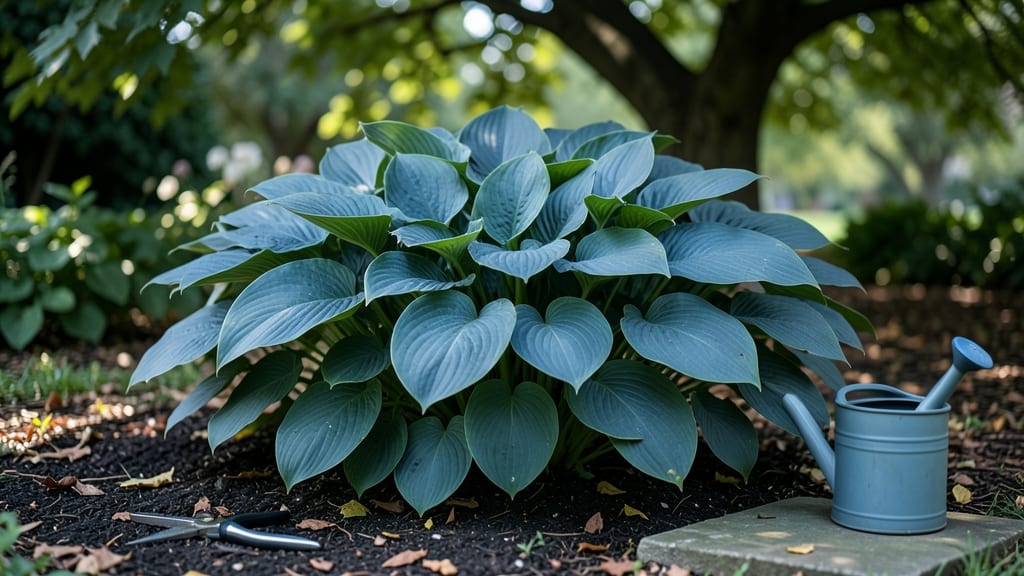
Your darkest garden corners can become the most dramatic focal points with big shade plants that reach for the sky. 🌿 I’ve transformed shady patches into lush, architectural statements using towering ferns, graceful hostas, and even delicate Japanese maples—plants that thrive where others fade.
The secret isn’t forcing sun-loving species to struggle; it’s choosing plants that love shade and layering them for depth. A 10-foot-tall fern like Matteuccia struthiopteris casts dappled light for understory plants, while hostas with blue-green foliage add contrast.
These giants create vertical interest without sacrificing the serene, moody vibe of a shaded garden. By mid-summer, you’ll have a living sculpture—textured fronds swaying, velvety leaves catching the light, and flowers (like Astilbe) adding pops of color.
The best part? These plants grow stronger each year, turning neglected spots into the garden’s crown jewels. Perfect for woodland gardens, patio backdrops, or even urban courtyards. Let’s design your shade sanctuary!
📚 In This Guide
- What you need
- Instructions
- Tips and common mistakes
- Wrapping up and next steps
What you need
- ● Big Shade Plants: Choose 3–5 mature specimens (e.g., Hostas, Ferns, Hydrangeas, or Caladiums). Opt for sizes 2–4 feet tall, depending on your space.
- ● High-Quality Potting Soil: 5–10 gallons (use a moisture-retentive, well-draining mix like peat-based or coco coir blends).
- ● Containers or Garden Beds: Containers: 15–25 gallon pots (for each plant) with drainage holes. Terracotta or fabric grow bags work well.
- ● Garden Beds: Amend soil with 2–3 inches of compost for better fertility.
- ● Organic Mulch: 2–3 inches of pine bark, shredded leaves, or wood chips to retain moisture and suppress weeds.
- ● Slow-Release Fertilizer: A balanced 10-10-10 or organic option (e.g., worm castings or fish emulsion).
- ● Garden Gloves: A pair to protect your hands from thorns or rough foliage.
- ● Trowel or Spade: For planting and soil amendments.
- ● Watering Can or Hose with Adjustable Nozzle: Shade plants love consistent moisture—aim for 1–2 inches per week.
- ● Pruners: Sharp, clean pruners for trimming dead leaves or shaping plants.
- ○ pH Test Kit (Optional): To check soil acidity (ideal range: 5.5–6.5 for most shade plants).
- ○ Support Stakes (Optional): For taller plants like Hydrangeas or Astilbes (bamboo stakes or spiral ties).
- ● Location Scout: Identify spots with (partial to full shade).
- ● Drainage Check: Ensure containers or beds aren’t waterlogged—shade plants hate soggy roots!
- ● Season Timing: Plant in spring or early fall for best root establishment.
How to select and plant big shade plants for dramatic impact
Dark corners don’t have to stay dark—these bold, shade-tolerant giants will transform your space.
🌿 Step 1: Choose the Right Plants for Your Light Conditions
Not all shade is equal—identify whether your area gets deep shade (no direct sun) or partial shade (dappled light). For true giants, focus on hostas (up to 3 feet), ferns (like the 6-foot Ostrich Fern), or Japanese Maple (compact varieties reach 10-15 feet). I always test light levels with a simple trick: if you can read a book comfortably outside, it’s deep shade.
Check plant tags for "full shade" or "partial shade" labels—mixing them risks stunted growth. For example, Elephant Ears thrive in partial shade but wilt in deep darkness. If your spot gets only 2-4 hours of morning sun, opt for Hosta ‘Blue Angel’ or Astilbe—both grow 3-4 feet tall with minimal fuss.
🪴 Step 2: Prepare the Planting Site for Large Roots
Big shade plants need deep, well-draining soil—amend native soil with 3 inches of compost and 1 part perlite to prevent root rot. Dig a hole twice as wide as the root ball but only as deep as the container’s base. Pressing soil too firmly can suffocate roots, so I loosen the sides with my fingers after planting.
For heavy clay soil, mix in 1 gallon of peat moss per plant to improve aeration. If your yard floods easily, raise the planting mound by 2-3 inches to encourage drainage. A 4-inch layer of mulch (like shredded bark) keeps roots cool and retains moisture—critical for deep-rooted giants like Fatsia Japonica (which can reach 8 feet).
⏰ Step 3: Plant and Water for Immediate Stability
Place the plant so the top of the root ball sits level with the soil surface—burying stems invites rot. Backfill with native soil mixed with 1 cup of bone meal (for phosphorus) and water deeply until the soil 12 inches down feels moist. I use a soaker hose for the first watering to avoid displacing soil around the roots.
Stake tall plants (like Cimicifuga ‘Hillside Black Beauty’) with 3-foot bamboo stakes tied loosely to prevent wind damage. Water every 2-3 days for the first month, checking that the soil 2 inches down stays damp. Overwatering is the #1 killer—soggy soil suffocates roots faster than drought.
☀️ Step 4: Maintain Light and Soil Conditions Year-Round
Even shade plants need bright indirect light—move them to sunnier spots if leaves pale. Fertilize once in spring with a balanced 10-10-10 formula and once in midsummer with low-nitrogen 5-10-10 to avoid leafy overgrowth. I skip fall fertilization—roots need to harden off for winter.
Monitor for aphids or slugs (common on hostas and ferns). A neem oil spray weekly prevents pests without harming pollinators. Prune dead foliage in early spring before new growth starts—this keeps plants tidy and disease-free. For variegated plants, avoid heavy pruning; you’ll lose the striking color contrast.
🌱 Step 5: Divide and Propagate for Long-Term Growth
Every 3-5 years, divide clumping plants like hostas or ferns in early spring before new shoots emerge. Dig up the plant, separate sections with 3-4 leaves each, and replant immediately. This rejuvenates growth—older plants slow down without division. I mark divisions with wooden stakes to track their progress.
For slow growers like Japanese Maple, propagation is tricky—grafting or air-layering is best left to experts. Instead, focus on mulching heavily (6 inches) and watering deeply during droughts. With proper care, a single 5-gallon hosta can become a 6-foot bush within 5 years—patience pays off in dramatic foliage.
Tips & tricks for towering shade plants
A few strategic moves will help your shade giants thrive and reach their full potential with minimal fuss.
Light Testing: The 2-4 hours of morning sun guideline is your best friend—use it to verify your shade conditions. I place a white board where I plan to plant and observe how quickly shadows move. If the board stays in shade for most of the day, you're in deep shade territory. For partial shade spots, I look for dappled patterns that change throughout the day, which is perfect for Elephant Ears or Astilbe.
Soil Prep Secret: When amending soil with the 3 inches of compost and perlite mix, I always add a handful of worm castings to the hole. This boosts microbial activity in the root zone immediately, helping plants establish faster. For clay-heavy soils, I pre-mix the peat moss with the compost before adding it to the hole—this prevents clumping and improves aeration more effectively than adding it later.
Watering Wisdom: The first month's 2-3 day watering schedule might feel excessive, but it's critical for deep-rooted plants. I use the "finger test" at 2 inches down—if it's dry, water again. For the initial 12-inch deep watering, I actually dig a small hole nearby to check moisture levels. This ensures the entire root ball gets hydrated, not just the surface. A soaker hose is ideal, but if you don't have one, water slowly at the base until you see runoff.
Pest Prevention: That weekly neem oil spray is your first line of defense against aphids and slugs, but I've found an even better approach. I install copper tape around planting beds in early spring—it creates a natural barrier that slugs won't cross. For aphids, I also spray the undersides of leaves with soapy water (1 tsp mild soap per quart of water) every 10 days. This two-pronged approach keeps pests at bay without chemicals that might harm beneficial insects.
Pro Tips for Big Shade Plants
- A few strategic moves will help your shade giants thrive and reach their full potential with minimal fuss.
- Light Testing: The 2-4 hours of morning sun guideline is your best friend—use it to verify your shade conditions.
- Soil Prep Secret: When amending soil with the 3 inches of compost and perlite mix, I always add a handful of worm castings to the hole.
Frequently asked questions
about big shade plants—because even the most elegant giants need a little TLC! Here’s what you’ve been wondering:What are the best big shade plants for low-light indoor spaces?
Top picks include the ZZ plant (Zamioculcas zamiifolia), snake plant (Sansevieria), and cast iron plant (Aspidistra elatior). These thrive in dim corners, need minimal water, and add dramatic height. For extra drama, try philodendrons or Monstera deliciosa—just ensure they get indirect light!
How often should I water big shade plants?
Most big shade plants prefer infrequent, deep watering—let the top 2–3 inches of soil dry out between waterings. Overwatering is the #1 killer! ZZ plants and snake plants can go 4–6 weeks without water, while ferns may need weekly checks. Always use well-draining soil to avoid root rot.
Can big shade plants survive in artificial light?
Plants like pothos or peace lilies adapt well to LED or fluorescent lighting, but they’ll grow slower than in natural light. For faster growth, supplement with a grow light 12–14 hours daily. Rotate plants occasionally to ensure even exposure.
How do I prune big shade plants to control their size?
Prune in spring or early summer to encourage bushier growth. Use clean, sharp scissors to trim leggy stems or overgrown fronds. For ZZ plants, cut back stems to the base if they’re too tall—new shoots will sprout! Warning: Some plants (like Monstera) may take time to fill back in.
Why are my big shade plant’s leaves turning yellow or brown?
Yellow leaves often signal overwatering or poor drainage, while brown tips can mean low humidity or fluoride buildup (common in tap water). Try these fixes:
- Let soil dry out completely between waterings.
- Use distilled or filtered water to reduce chemical exposure.
- Mist leaves or place a humidity tray nearby.
- Check for pests like spider mites (tiny webs = trouble!).
Wrapping up and next steps
Transforming dark corners into lush, thriving spaces is easier than you think! Big shade plants bring elegance, texture, and life to areas where sunlight is scarce—proving that even the shadiest spots can be stunning.
Whether you’re a seasoned gardener or just starting out, these towering beauties are your secret weapon for adding dramatic flair with minimal effort.
Ready to take the next step? Pick one (or two!) plants from our list, grab your gardening tools, and get planting! Watch as your space transforms into a verdant sanctuary—nature’s way of saying, “You’ve got this!” 🌿✨