
Trees
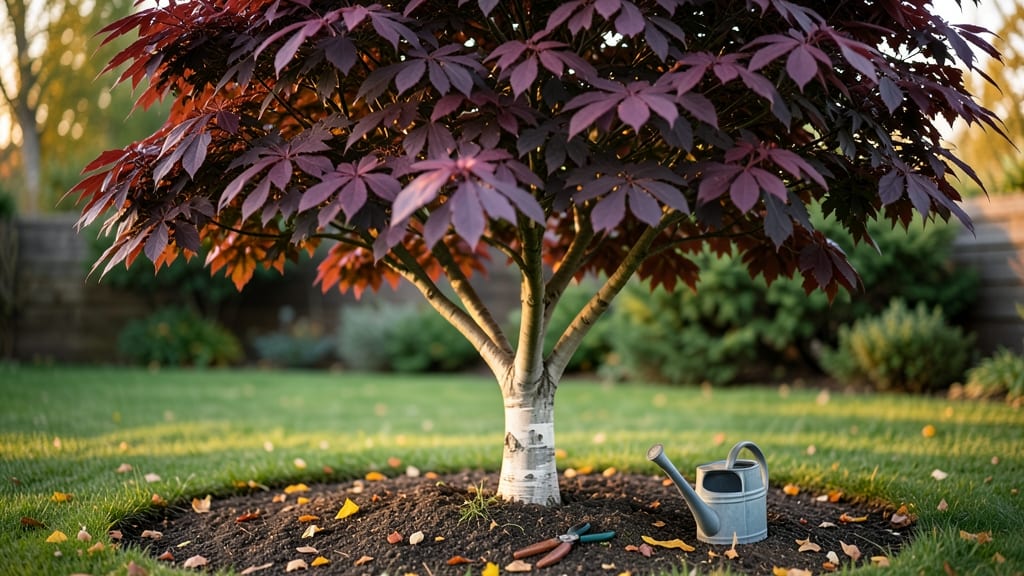
Planting beautiful shade trees transforms your yard from a sun-drenched expanse into a serene retreat. 🌿 The right tree offers year-round privacy, vibrant foliage that changes with the seasons, and that coveted dappled-light effect that makes outdoor spaces feel magical.
My favorite shade trees—like the delicate lace bark of a paper birch or the bold pink blooms of a kousa dogwood—don’t just block light; they become the stars of the landscape.
These trees thrive where others struggle, turning shady corners into lush, textured canvases. A Japanese maple’s fiery fall colors or a magnolia’s intoxicating spring fragrance turns even the darkest corner into a focal point.
You’ll love how they pair with hostas, ferns, and shade-loving perennials to create layers of greenery that feel both wild and intentional. The key is matching tree size to your space—dwarf varieties for small yards, towering oaks for sweeping privacy.
Imagine hosting summer gatherings under the filtered light of a weeping cherry or enjoying morning coffee beneath a towering tulip tree’s canopy. The best shade trees do more than provide cover—they create atmosphere, reduce energy costs, and attract birds and butterflies.
With the right placement, you’ll have a backyard that feels like a private garden sanctuary, no matter the season.
Whether you’re replacing an old tree or starting fresh, focus on soil prep and sun exposure first. Amend heavy clay soil with compost, and avoid planting too close to foundations.
For instant impact, combine a statement tree with understory plants like coral bells or astilbes. Your yard will thank you for years to come.
📚 In This Guide
- What you need
- Instructions
- Tips and common mistakes
- Wrapping up and next steps
What you need
- ● Shade Trees: 1–3 mature trees (species like Japanese Maple, Eastern Redbud, or Dogwood for year-round beauty).
- ○ Optional: Smaller saplings (3–5) for gradual growth.
- ● Soil Amendments: 50 lbs compost or organic matter (for nutrient-rich soil).
- ● 10 lbs slow-release fertilizer (balanced 10-10-10 or acidic for evergreens).
- ● Planting Supplies: 1–2 shovels (one for digging, one for backfilling).
- ● 1 wheelbarrow (for moving soil/amendments).
- ● 1 garden hose or watering can (with spray nozzle).
- ● 1 mulch (3–4 inches of pine straw or wood chips per tree).
- ● 1 soil pH tester (to ensure optimal growing conditions).
- ● Tree stakes & ties (for young, top-heavy trees).
- ● Drip irrigation system (for long-term watering efficiency).
- ● Pruning shears (for shaping and maintenance).
- ● Tree guards (to protect from pets/deer).
How to plant and maintain beautiful shade trees for year-round privacy
Here's how I select, plant, and care for shade trees that thrive in low-light conditions while providing lush privacy.
🌱 Step 1: Choose the Right Tree Species for Low-Light Spaces
Not all shade trees tolerate low-light conditions, so I focus on proven performers like Japanese maple (for delicate foliage), serviceberry (for seasonal interest), or eastern redbud (for early spring blooms). These varieties handle partial shade while still delivering dense canopies. Avoid fast-growing species like willows or poplars—they demand full sun and won’t thrive where light is limited.
Check your space’s light conditions first. If your yard gets less than 4 hours of direct sun daily, opt for trees labeled "partial shade" or "full shade" on nursery tags. I always test the light by observing how nearby plants grow—if they struggle, that’s your clue to choose a shade-tolerant species.
🪴 Step 2: Dig the Planting Hole Correctly for Strong Root Growth
Dig a hole twice as wide as the tree’s root ball but no deeper—this encourages roots to spread horizontally rather than settling too low. I use the removed soil to backfill later, but if it’s rocky or compacted, mix in half the hole’s volume of topsoil to improve drainage. The hole should be moist but not soggy when you’re done.
Loosen the root ball gently before planting. If roots are circling tightly, use your hands or a knife to tease them outward. Place the tree so the top of the root ball sits 1-2 inches above ground level—this prevents rot when water pools around the trunk. I always mark the depth with a stake before digging to avoid planting too deep.
☀️ Step 3: Water and Mulch for Long-Term Stability
Water the tree deeply right after planting, soaking the soil until it’s 6-8 inches down. This helps roots establish before dry spells set in. I use a soaker hose to deliver water slowly, avoiding runoff. After watering, add 2-3 inches of mulch (like wood chips or shredded bark) in a 3-foot diameter circle around the base, keeping it 6 inches away from the trunk to prevent rot.
Mulch helps retain moisture and regulates soil temperature, which is especially important for shade trees in low-light areas. Replenish mulch annually as it breaks down, but never pile it against the trunk—this traps moisture and invites pests. Water once a week for the first year, then taper to every 2-3 weeks once roots are established.
✂️ Step 4: Prune for Shape and Health in Early Spring
Prune young shade trees in early spring (before buds swell) to remove dead, crossing, or weak branches. I use clean, sharp pruners to make cuts just outside the branch collar—the raised area where the branch meets the trunk. This ensures proper healing. Avoid heavy pruning in fall or winter, as it stresses trees and leaves them vulnerable to disease.
Shape the tree gradually over time, focusing on opening the canopy to let light filter through for understory plants. I prune no more than 25% of the tree’s foliage in a single session—this keeps it healthy while encouraging full, lush growth. Remove suckers (shoots growing from the base) immediately, as they drain energy from the main trunk.
🌿 Step 5: Monitor and Adjust Care for Year-Round Privacy
Check your tree’s health seasonally—yellowing leaves in spring could mean too much water, while dry, crispy edges signal underwatering. Shade trees in low-light areas often grow more slowly, so I fertilize lightly in early spring with a balanced, slow-release fertilizer (like 10-10-10) only if the soil is poor. Over-fertilizing can harm roots in dense or clay-heavy soil.
Watch for pests like spider mites or scale, which thrive in shaded, dry conditions. If you spot webbing or sticky residue on leaves, treat with neem oil or an insecticidal soap spray. I also inspect the trunk for cracks or peeling bark—signs of stress or disease—that need immediate attention. With consistent care, your shade tree will mature into a privacy-providing, low-maintenance centerpiece in just a few years.
Tips & tricks for perfect shade tree planting and care
Here's what I've learned from years of planting shade trees that actually thrive and provide that lush privacy you're dreaming of.
Species Selection Tip: When choosing between Japanese maple, serviceberry, or eastern redbud, consider your climate zone. Japanese maples (like 'Bloodgood' or 'Emperor I') handle cooler climates beautifully, while serviceberry thrives in zones 3-8 with its stunning fall color. For southern areas, eastern redbud offers early spring blooms but may need afternoon shade in hotter regions. I always check the USDA hardiness zone map before purchasing—this prevents costly mistakes.
Planting Hole Strategy: The twice-as-wide hole in Step 2 isn't just about root space—it's about creating a root-friendly environment. If your soil is particularly dense, I recommend adding compost to that half-volume of topsoil mix. This gives your tree's roots a nutrient boost right from planting. For container-grown trees, gently break up the root ball edges with your fingers before planting to encourage outward growth rather than circling.
Watering Wisdom: That deep 6-8 inch watering after planting is crucial, but I've found using a garden trowel to check soil moisture works better than guessing. Push the trowel in and lift—if soil clumps stick together, you've watered enough. For the first year's weekly watering, I set a timer on my irrigation system for 20 minutes per session to ensure consistent moisture without overdoing it. This consistency is what helps roots establish properly in low-light conditions.
Pruning Precision: When pruning in early spring, I always look for branches that cross or rub against each other—these are prime candidates for removal as they create entry points for disease. For larger branches, I make the cut just outside the branch collar and paint the wound with pruning sealant to prevent infection. The 25% foliage limit is non-negotiable—it keeps your tree healthy while allowing it to develop that dense canopy you want for privacy.
Pro Tips for Beautiful Shade Trees
- Here's what I've learned from years of planting shade trees that actually thrive and provide that lush privacy you're dreaming of.
- Species Selection Tip: When choosing between Japanese maple, serviceberry, or eastern redbud, consider your climate zone.
- Planting Hole Strategy: The twice-as-wide hole in Step 2 isn't just about root space—it's about creating a root-friendly environment.
Frequently asked questions
about beautiful shade trees can help you make the best choices for your space. Here are some common queries answered!What’s the fastest-growing shade tree for quick privacy?
If you need shade fast, consider leucadendron (Cape Chestnut) or hybrid poplar—they grow 3–5 feet per year! For slower but sturdy options, bald cypress or silver maple are great mid-range picks. Just balance speed with long-term maintenance needs!
Can shade trees survive in full sun?
Many shade trees thrive in partial sun but may scorch in full sun. Look for drought-tolerant varieties like southern magnolia or live oak, which handle heat better. If your tree is struggling, mulch well and water deeply during dry spells to help roots adapt.
Are there affordable shade trees that still look stunning?
Skip overpriced cultivars and opt for native species like eastern redbud ($30–$50) or dawn redwood ($40–$80). Nursery sales, local tree swaps, and smaller saplings also stretch your budget. Pro tip: Plant in fall for lower costs and better root establishment!
Do shade trees need winter care?
Most shade trees are low-maintenance, but young trees or tender varieties (like camellia) may need protection. Mulch 2–3 inches deep to insulate roots, and water occasionally if your area gets dry winters. Avoid pruning in late fall—wait until early spring to prevent disease.
What’s the best shade tree for small yards?
Space-saving doesn’t mean sacrificing beauty! Try dwarf Japanese maple (6–10 ft tall) or crepe myrtle (10–15 ft). For privacy, columnar arborvitae or narrow Italian cypress fit tight spots perfectly. Just check mature height—some "small" trees outgrow their welcome!
Wrapping up and next steps
Beautiful shade trees aren’t just a dream—they’re a practical, year-round solution for privacy, curb appeal, and even energy savings. From the hardy Japanese Maple to the towering Eastern Redbud, these trees thrive in low-light spots while offering lush foliage, seasonal interest, and minimal fuss.
Whether you’re a first-time gardener or a seasoned green thumb, now’s the perfect time to plant the future of your outdoor space!
Next steps:
- 🌱 Pick your favorite—visit a local nursery or browse online catalogs for young saplings.
- 📅 Mark your calendar—early spring or fall is ideal for planting.
- 🌿 Start small—even one shade tree makes a difference!