
Plants
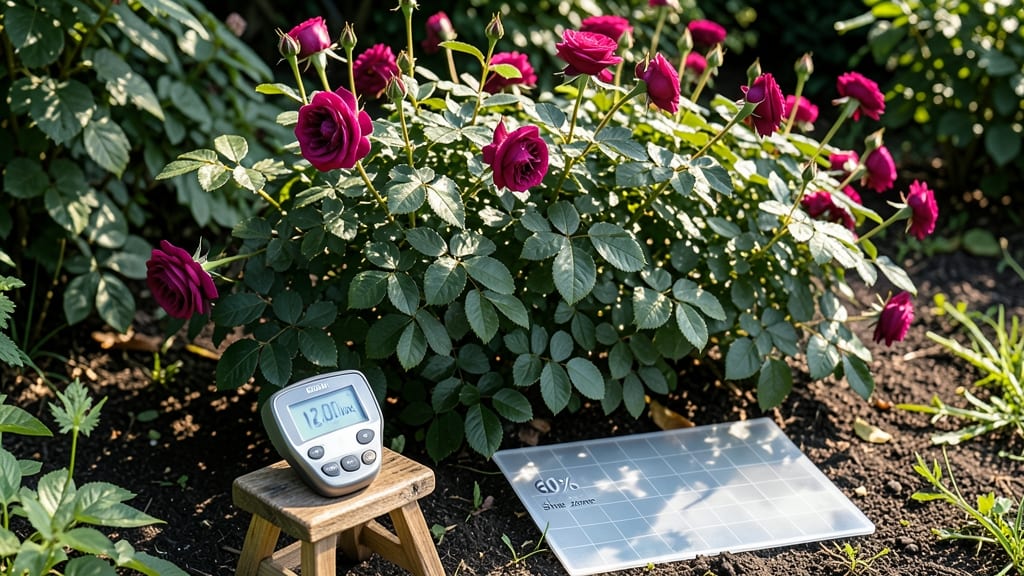
Planting roses in the right light—whether full sun or shade—is the key to vibrant blooms and healthy growth, and the wrong spot can leave your 🌹 struggling.
Picture this: You’ve just planted your dream rosebush, only to watch it produce sparse, weak flowers—or worse, no blooms at all. The issue? Light exposure. Most roses crave 6+ hours of sunlight, but some varieties adapt beautifully to partial shade, making the right placement everything.
Not all roses are created equal. Hybrid teas and floribundas thrive in full sun, while climbers like ‘New Dawn’ or Noisette roses handle shade better. Soil pH, drainage, and spacing also play a role—too much shade can lead to leggy stems, while too much sun may stress delicate varieties.
In this guide, I’ll break down the best spots for your roses, from sun-drenched garden beds to shaded corners, so you can give your 🌹 the perfect home for lush, long-lasting blooms.
 Best Window Placement
Sun-loving roses: best varieties and soil requirements for full sunlight
If you’re dreaming of vibrant roses with continuous blooms, full sunlight is your best friend. Most rose varieties—especially Hybrid Teas and Floribundas—thrive when basking in 6+ hours of direct sunlight daily.
Without enough sun, you’ll see fewer blooms and leggy growth, no matter how much you fertilize. Let’s dive into the top sun-loving varieties and the soil secrets to keep them flourishing.
For Hybrid Teas, the classic showstoppers, aim for 6–8 hours of sun. These roses reward you with large, dramatic blooms all season long, but they demand well-draining soil to prevent root rot. Varieties like ‘Double Delight’ and ‘Mister Lincoln’ are perfect for sunny garden beds or containers.
Meanwhile, Floribundas like ‘Iceberg’ and ‘Julia Child’ pack clusters of blooms and tolerate slightly less sun (5–6 hours), making them versatile for partial sun spots.
Before planting, test your soil’s pH level—roses crave acidic to slightly acidic soil (pH 6.0–6.5). Use a soil test kit from your local garden center to check.
If your soil is too alkaline, amend it with peat moss or sulfur to lower the pH. Well-draining soil is non-negotiable; roses hate soggy roots. Mix in compost and sand to improve drainage, especially in clay-heavy soils.
| Variety | Sun Needs | Soil pH | Drainage | Height |
|---|---|---|---|---|
| Hybrid Tea | 6–8 hours | 6.0–6.5 | Excellent | 3–6 ft |
| Floribunda | 5–6 hours | 6.0–6.5 | Good | 2–4 ft |
| Climbing | 6+ hours | 6.0–6.5 | Excellent | 6–20 ft |
| Grandiflora | 6–8 hours | 6.0–6.5 | Excellent | 4–6 ft |
| Shrub Rose | 5–6 hours | 6.0–6.5 | Good | 3–5 ft |
When planting, dig a hole twice as wide as the rose’s root ball but only as deep as the roots. This prevents the bud union (the swollen area near the base) from being buried too deep, which can cause disease.
After planting, water deeply to settle the soil and remove any air pockets. A 2–3 inch layer of mulch around the base helps retain moisture and regulate soil temperature, especially in hot climates.
Watering is critical for sun-loving roses. Aim for 1–1.5 inches of water per week, either from rainfall or irrigation. Water deeply in the morning to reduce evaporation and fungal risks. Avoid wetting the foliage, as this encourages black spot disease.
If your roses start dropping buds or leaves, it’s often a sign of underwatering or poor drainage. Adjust your watering schedule and check the soil moisture by sticking your finger 2 inches deep—if it’s dry, it’s time to water.
Fertilizing sun-loving roses should follow a balanced NPK ratio (like 10-10-10) applied in early spring and again after the first flush of blooms. Over-fertilizing can lead to excessive foliage at the expense of flowers.
Pair this with a monthly feeding of compost tea or fish emulsion during the growing season to keep nutrients flowing. Prune spent blooms regularly to encourage more flowers and maintain a healthy shape.
Watch for pests like aphids or Japanese beetles,
Shade-tolerant roses: low-light varieties and soil adjustments for partial shade
Not all roses need 6+ hours of sunlight to thrive—some varieties actually prefer partial shade, especially in hot climates or dense urban gardens. Noisette roses and certain climbing varieties like 'Blaze' or 'Zephirine Drouhin' adapt beautifully to 3–6 hours of filtered light, producing stunning blooms with the right care.
The key lies in soil adjustments and microclimate awareness to compensate for reduced sunlight.
Partial shade gardens often struggle with compacted or acidic soil, which can stunt root growth. To support shade-tolerant roses, amend your soil with organic matter like compost or well-rotted manure to improve aeration and nutrient retention.
Aim for a pH of 5.5–6.5, slightly more acidic than full-sun roses, to encourage root expansion in lower light conditions. Mulch with pine bark or leaf mold to retain moisture and regulate soil temperature.
Where to Plant Roses: Sun vs. Shade
- Best for: Hybrid Teas, Floribundas
- Soil: Well-draining, pH 6.0–6.5
- Pros: Vibrant blooms, strong stems
- Cons: Needs frequent watering
- Best for: Noisette, Climbing ('Blaze')
- Soil: Organic-rich, pH 5.5–6.5
- Pros: Thrives in urban gardens, fewer pests
- Cons: Smaller blooms, slower growth
Urban gardeners often face microclimates created by buildings or tall trees, where morning sun and afternoon shade dominate. Plant shade-tolerant roses on the east or north side of structures to maximize morning light while avoiding harsh afternoon heat.
For dense-canopy gardens, choose dwarf or semi-dwarf varieties like 'Julia Child' (a Noisette) to prevent overcrowding and improve airflow, reducing fungal risks.
Watch for signs of stress in shade-grown roses, such as yellowing leaves (often from overwatering) or sparse blooms (a sign of insufficient light). If your roses show these symptoms, consider pruning nearby trees to increase light exposure or supplement with a balanced fertilizer (10-10-10) in early spring to boost vigor.
Avoid high-nitrogen fertilizers, which promote foliage over flowers in low-light conditions.
In container gardens, shade-tolerant roses like 'The Fairy' (a miniature) thrive in 5-gallon pots with a mix of peat moss and perlite for drainage. Place containers near east-facing windows or under dappled tree shade to mimic natural light conditions.
Water containers every 3–5 days in partial shade, as they dry out faster than in-ground plants.
With the right variety selection and soil tweaks, shade-tolerant roses can outperform sun-lovers in low-light spots. Experiment with Noisette or climbing roses in your garden’s shadiest corners—you might be surprised by their resilience and beauty. 🌿