
Light Requirements
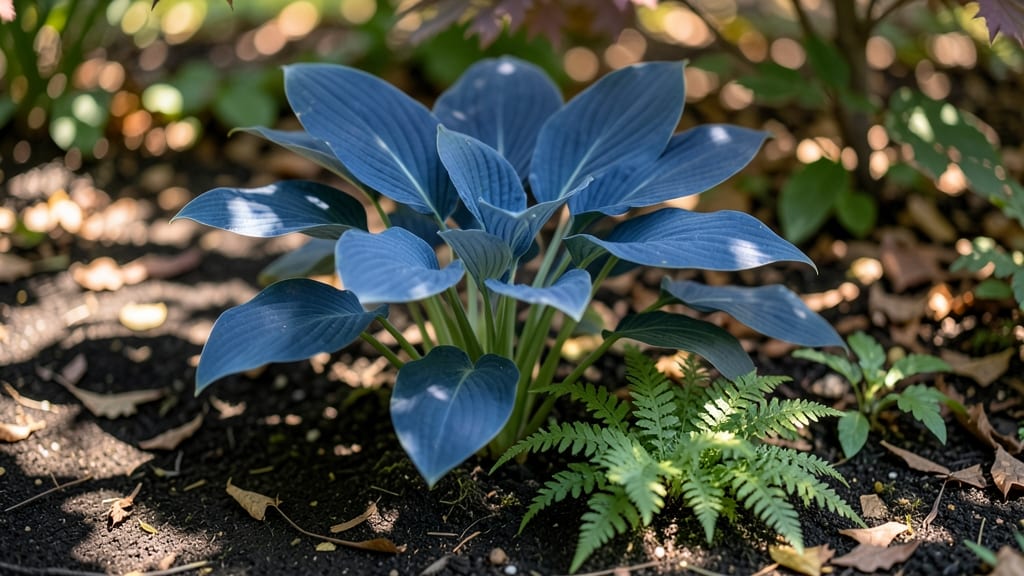
Partial shade creates light conditions where plants get 3 to 6 hours of direct sunlight daily, often filtered through trees or buildings, producing dappled or gentle light perfect for many flowering and edible plants.
This lighting scenario balances sun exposure with protection, making it ideal for plants that would scorch in full sun but struggle in deep shade. 🌿 For example, hostas and ferns thrive here, while vegetables like lettuce and spinach produce better yields than in full shade.
The key difference from full sun is the reduced intensity—partial shade prevents leaf burn while still allowing enough photosynthesis for healthy growth.
Understanding partial shade helps gardeners select the right plants for their space. Many ornamental plants, like hydrangeas and astilbe, actually bloom more profusely in these conditions than in full sun.
The filtered light also creates a cooler microclimate, which is especially beneficial in hot climates where direct sun would stress plants.
💡 In This Article
- How Partial Shade Differs From Full Sun and Full Shade
- Best Plants for Partial Shade Gardens
How partial shade differs from full sun and full shade
Partial shade creates a unique light environment where plants receive 3-6 hours of direct sunlight daily, but the intensity is significantly reduced compared to full sun. This happens because light passes through leaves, branches, or structures like buildings, scattering and diffusing the rays.
Scientifically, this reduces the photosynthetically active radiation (PAR)—the light wavelengths plants use for photosynthesis—by up to 40-60% compared to full sun. Think of it like wearing sunglasses: the light still reaches your eyes, but it’s less harsh and more comfortable.
The key difference lies in how plants process light. Full sun delivers 10,000+ foot-candles of light, while partial shade drops to 1,000-3,000 foot-candles, closer to what plants experience under a dense canopy. This lower intensity prevents leaf scorch—a common issue in full sun—while still allowing enough energy for photosynthesis.
For example, a hosta leaf in full sun may develop brown, crispy edges within weeks, but in partial shade, it stays lush and green. 🌿 The trade-off? Slower growth rates, as photosynthesis occurs at a reduced pace.
Full shade, on the other hand, offers less than 3 hours of direct light, often just dappled rays or only indirect light. Here, photosynthesis slows dramatically, forcing plants to adapt by growing larger leaves to capture more light or developing deeper root systems to access nutrients.
Partial shade strikes a balance: it’s bright enough to support moderate growth but gentle enough to avoid stress. This is why many woodland plants, like ferns and astilbe, thrive here—they’ve evolved to maximize efficiency in lower-light conditions without the extreme heat of full sun.
Light spectrum also plays a role. Partial shade filters out some of the blue and red wavelengths that dominate full sun, which are critical for photosynthesis. However, it retains enough green and yellow light to sustain plant health.
This shift in spectrum can actually enhance flower production in some species, like impatiens, which bloom more prolifically in partial shade than in full sun. The cooler microclimate created by filtered light also reduces water loss through transpiration, making partial shade ideal for drought-sensitive plants.
Consider the example of a garden under a mature oak tree. The ground receives 3-5 hours of dappled sunlight on a sunny day, with the rest of the light diffused through the canopy.
Plants here, like native trilliums or wild ginger, have adapted to these conditions by growing slowly but efficiently. In contrast, a full-sun garden might see plants like sunflowers or tomatoes growing rapidly but requiring constant watering and protection from heat stress.
The partial shade garden, meanwhile, offers a more stable, low-maintenance environment.
For gardeners, understanding these differences means choosing plants wisely. A full-sun lover like a tomato needs 6+ hours of direct light to produce fruit, while a partial-shade specialist like a bleeding heart will languish in full sun but flourish with 4 hours of morning light.
The secret is observing your space: if leaves are burning, you’re likely in full sun; if growth is stunted and leaves are pale, you might need more light. Partial shade is the Goldilocks zone—not too hot, not too dim, just right for many plants.