
Companion Plants
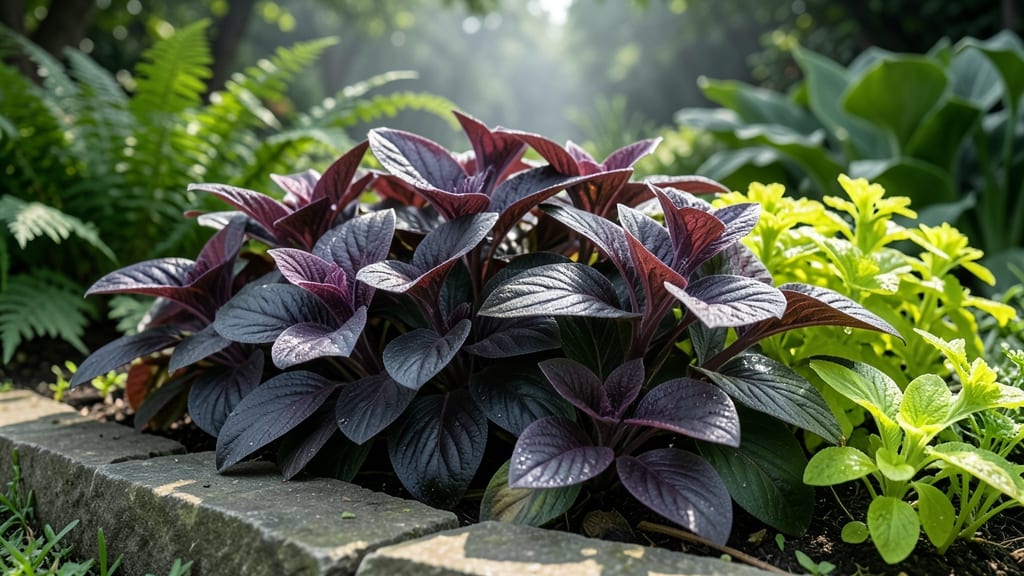
Struggling with dark garden corners where sunlight barely reaches? These 10 under-shade plants thrive in low light, adding lush greenery and vibrant blooms to forgotten spaces with minimal effort.
Hostas For Lush Green Ground Cover
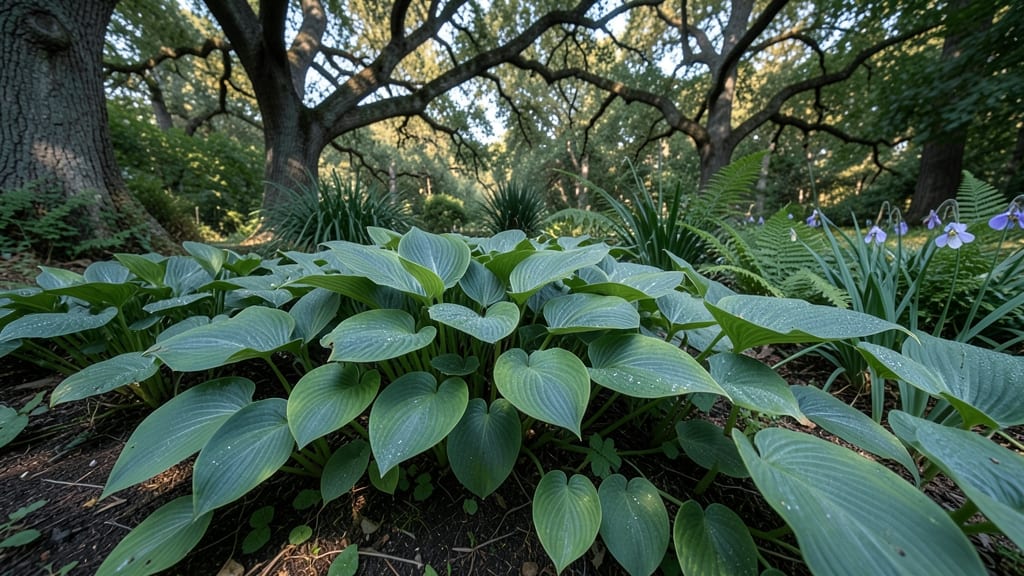
Turn those dark, forgotten corners of your garden into a lush green oasis with hostas. These shade-loving perennials are the ultimate beginner-friendly plants, thriving even where sunlight barely touches the ground—perfect for under dense trees or along shady borders.
Hostas come in hundreds of varieties, offering foliage in every shade from deep blue to golden chartreuse, with some featuring dramatic variegation. They’re nearly indestructible: deer-resistant, drought-tolerant once established, and happy in moist or well-drained soil. Plant them in clusters for a bold statement or spread them out as a living mulch to suppress weeds.
This makes hostas the ideal first plant for new gardeners—just water occasionally and watch them grow. Their year-round greenery keeps your garden vibrant even in winter. 🌱
Ferns For Elegant Texture And Airy Growth
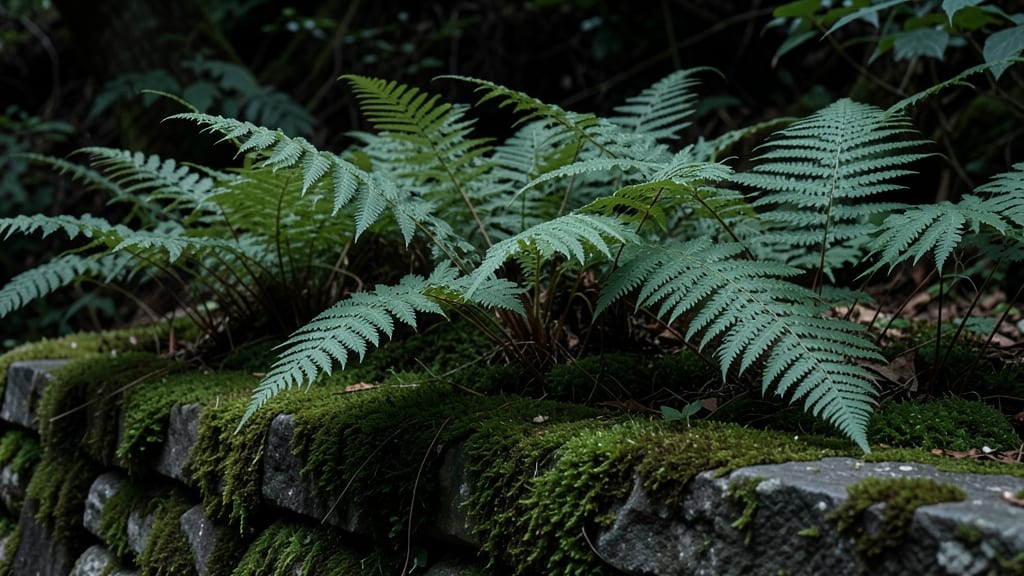
Transform your shady garden into a lush, textured retreat with ferns—nature’s built-in airy accents that bring architectural beauty without the fuss. Unlike broadleaf plants, ferns create layered movement with their delicate fronds, perfect for adding depth to dark corners where other plants struggle.
Most ferns thrive in consistently moist but well-draining soil, but varieties like the Autumn fern or Ostrich fern actually tolerate dry shade better than many shade plants—ideal for understory planting where watering is inconsistent. Divide mature clumps every 3-4 years to keep them vigorous, and avoid heavy mulch that smothers their shallow roots. Their year-round greenery ensures your garden stays elegant even in winter.
Urban gardeners and woodland lovers will appreciate how ferns soften hard edges while requiring less water and maintenance than flowering shade plants. 🌿
Bleeding Heart For Dramatic Seasonal Blooms
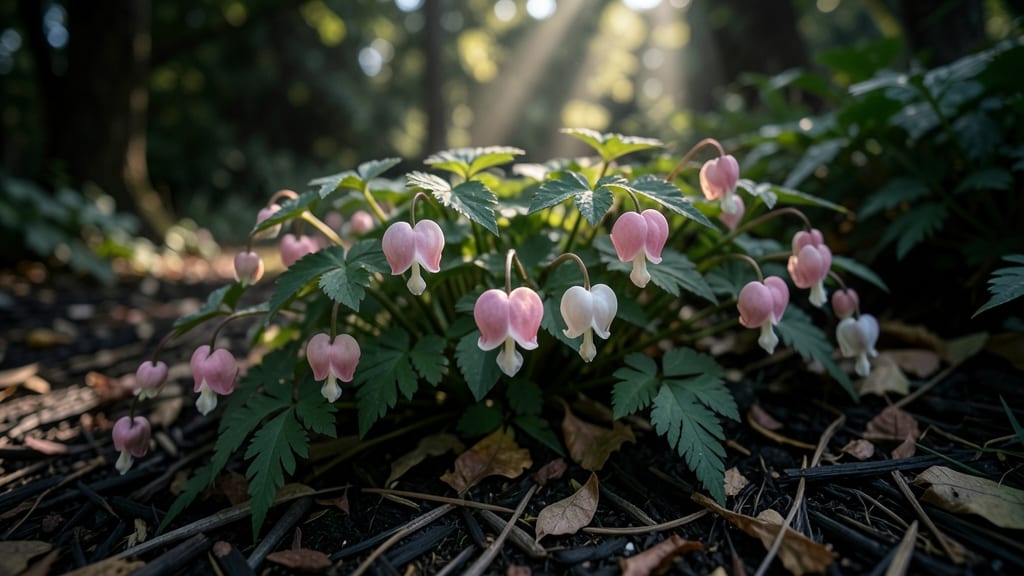
Bring romance to your shady garden with bleeding heart (Dicentra spectabilis), a perennial that produces cascading clusters of heart-shaped pink or white flowers from late spring through early summer—just when most shade plants are still dormant.
This woodland native thrives in deep shade where other plants struggle, tolerating even dappled sunlight under tall trees. Plant in well-draining, moist soil enriched with organic matter, and protect young plants from deer with fencing. For continuous blooms, choose varieties like 'King of Hearts' or 'Alba' that rebloom in fall.
Perfect for gardeners who love seasonal drama, bleeding heart pairs beautifully with hostas and ferns while adding vertical interest to shady borders. 🌷
Hellebores For Winter And Early Spring Color
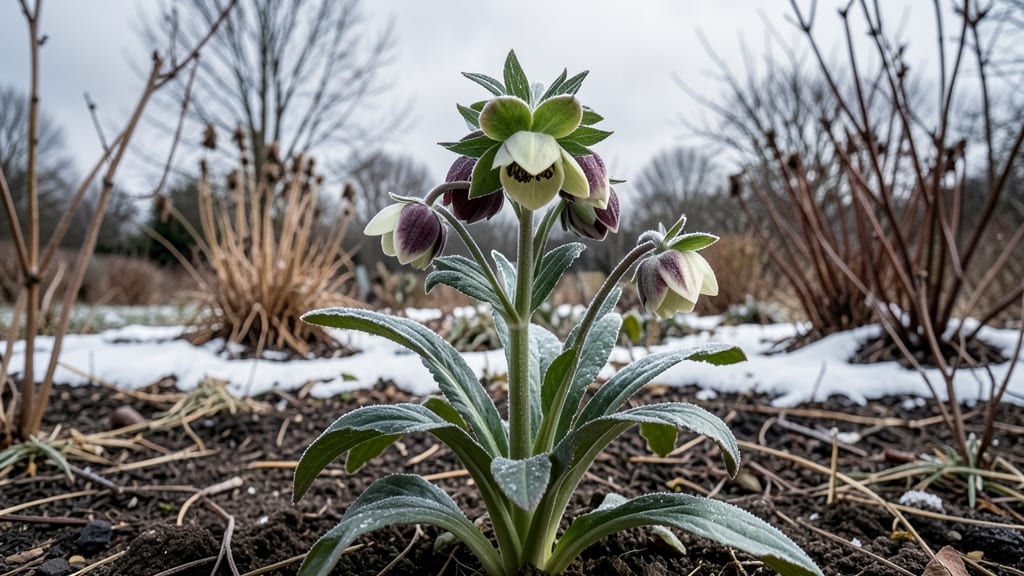
When your garden looks like a winter wasteland while neighbors enjoy blooms, hellebores step in as your secret weapon. These hardy perennials defy the cold, unfurling their delicate flowers as early as late winter—often while snow still lingers—when most plants are still asleep.
Hellebores thrive in deep shade to partial sun, making them perfect for those tricky spots under trees where nothing else grows. Their nodding blooms come in shades of white, pink, purple, and green, and they reward you with year-round interest—even the foliage stays attractive. Simply plant in well-draining soil and water occasionally; they’re nearly maintenance-free once established.
Urban gardeners and woodland enthusiasts will love hellebores for their low-maintenance resilience and early-season drama. They’re also deer-resistant, making them ideal for rural properties too. 🌷
Astilbes For Feathery Plumes And Long Blooms
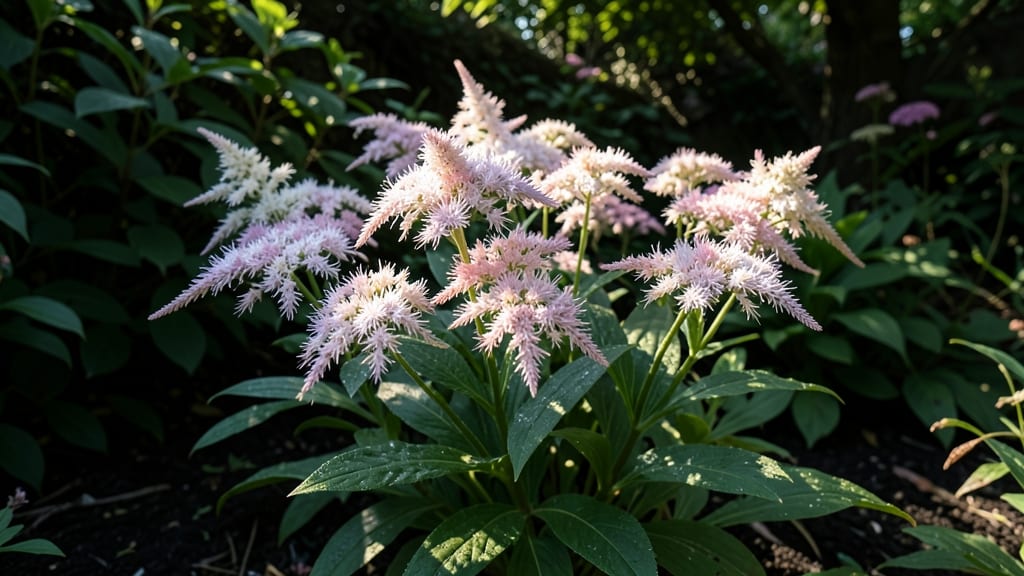
Tired of shady spots that look dull and lifeless? Astilbes bring drama with their feathery plumes that dance in the breeze, blooming for 4-6 weeks in partial to full shade where most flowers struggle. These perennials come in soft pinks, whites, and purples, perfect for adding movement to garden borders or containers.
Thriving in moist, well-draining soil, astilbes prefer morning sun with afternoon shade but tolerate full shade in hotter climates. Deadhead spent blooms to encourage more flowers, and divide clumps every 3-4 years to prevent overcrowding. Their lush foliage also acts as a natural ground cover, suppressing weeds.
Urban gardeners and small-space planners love astilbes for their compact sizes (12-36 inches tall) and long-lasting blooms. Pair them with hostas or ferns for a layered, textured look that brightens even the darkest corners. 🌟
Lungwort For Medicinal Beauty And Pollinator Appeal
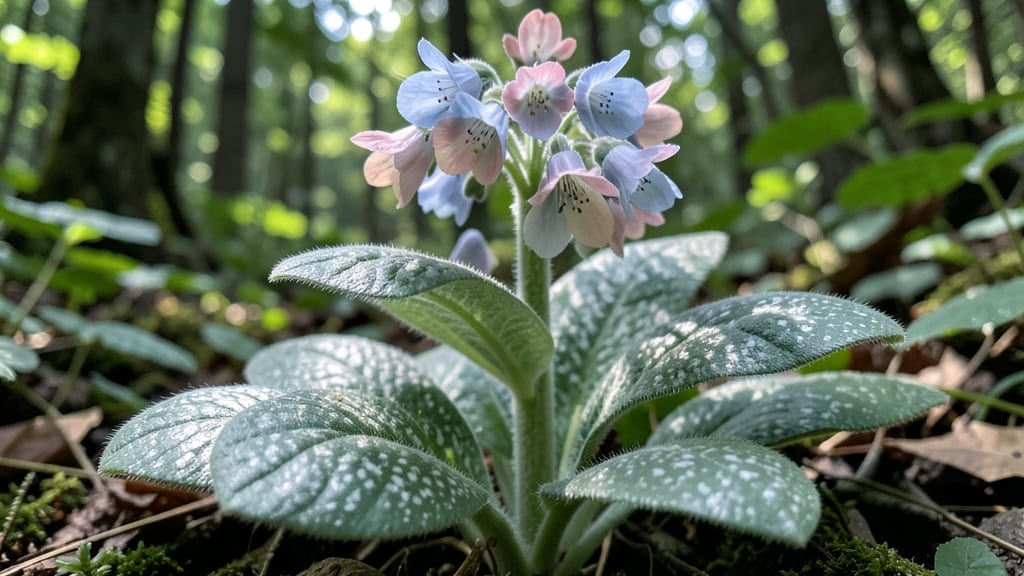
Bring medicinal beauty and pollinator magic to your shady garden with lungwort (Pulmonaria), a true underdog that thrives where others falter. Its silver-spotted foliage (which fades to green as summer progresses) creates striking contrast, while delicate blue or pink flowers appear in early spring—often before bees have access to many other blooms.
This low-maintenance perennial loves moist, well-draining soil and dappled shade, making it perfect for woodland gardens or beneath deciduous trees. Plant it in clumps for a naturalistic look, and watch as it attracts early-season pollinators while self-seeding modestly to fill in bare spots. Lungwort also has a folk medicinal history—its name comes from its use in treating lung ailments, though modern gardeners grow it primarily for its beauty and ecological benefits.
Woodland gardeners and pollinator enthusiasts will love how lungwort elevates shady borders with both form and function. It’s the ideal "set it and forget it" plant for those tricky, dim corners. ✨
Japanese Painted Fern For Vibrant Foliage
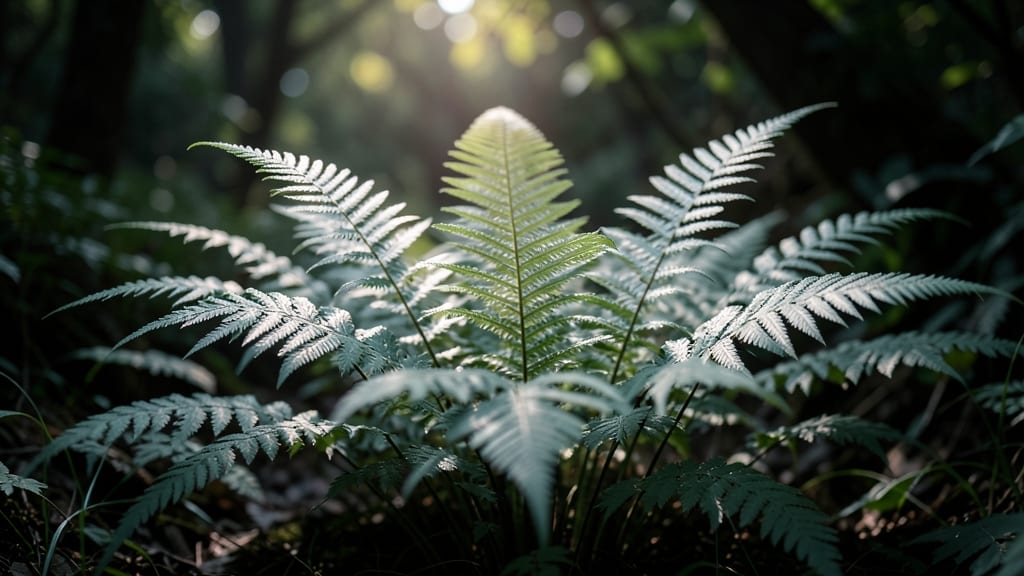
Brighten up those shadowy garden spots with Japanese painted fern (Athyrium niponicum var. pictum), a showstopper that turns dull corners into silvery-green masterpieces. This fern's striking foliage features bold silver centers that fade to deep green at the edges, creating a mesmerizing contrast that catches the eye—even in the deepest shade.
Thriving in partial to full shade, this fern handles dappled sunlight under trees beautifully while tolerating dry conditions better than most shade plants. Its compact size (12-18 inches tall) makes it perfect for containers, hanging baskets, or as a focal point in garden beds. Simply keep the soil moist and well-draining, and watch it flourish with minimal care.
Ideal for gardeners who love bold textures, Japanese painted fern pairs beautifully with hostas or lungwort to create a lush, low-maintenance woodland scene. Its year-round interest keeps your garden looking vibrant even in winter. ✨
Solomon's Seal For Graceful Arching Stems
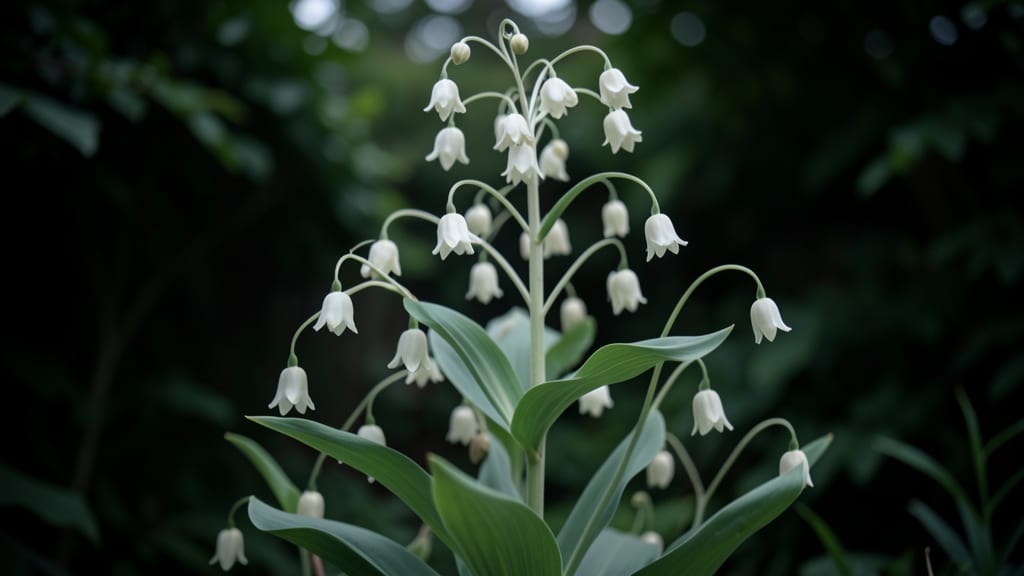
Give your shady garden a dramatic vertical lift with Solomon's Seal (Polygonatum), a perennial that creates elegant arching stems reaching 3-4 feet tall. Unlike flat ground covers, its cascading growth habit adds three-dimensional interest to dark corners where most plants flop or struggle.
This shade specialist thrives in deep shade to partial sun, producing clusters of dangling white bell-shaped flowers in spring followed by edible blue-black berries. The year-round evergreen foliage stays attractive even in winter, and its minimal pruning needs make it perfect for busy gardeners. Simply divide clumps every 3-4 years to keep them vigorous.
Ideal for woodland gardens, cottage-style beds, or as a privacy screen under trees, Solomon's Seal pairs beautifully with hostas and ferns while requiring less maintenance than flowering shade plants. 🌱
Sweet Woodruff For Fragrant Ground Cover
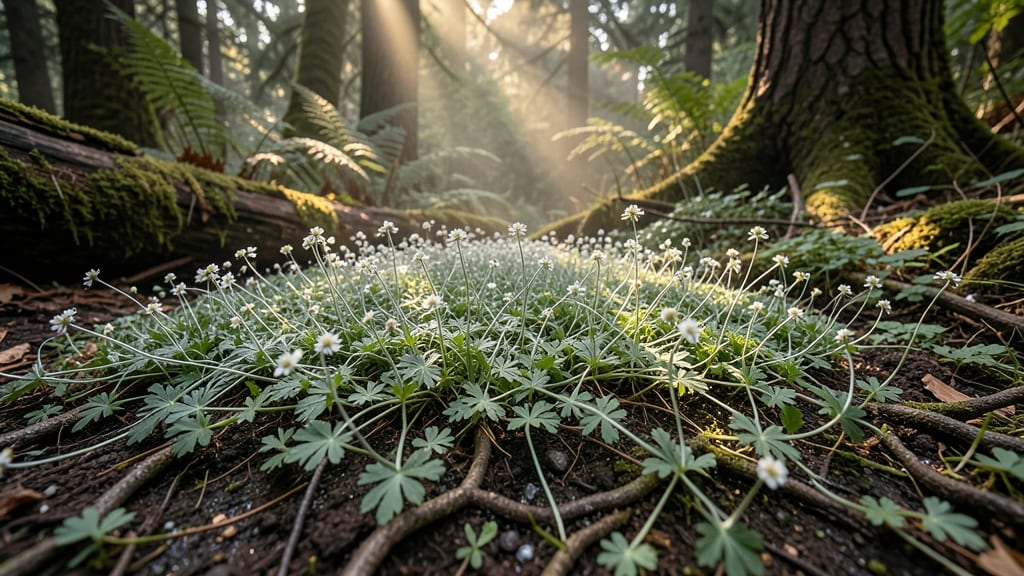
Tired of shady spots that smell like damp earth? Sweet woodruff (Galium odoratum) transforms those forgotten corners into fragrant, living carpets with its delicate charm. This woodland native spreads gently through shallow roots, creating a lush, self-renewing ground cover that suppresses weeds while releasing a vanilla-like scent when brushed or crushed—perfect for pathways or understory planting.
Thriving in deep to partial shade, sweet woodruff adapts to most soil types but prefers moist, well-draining conditions. Its white star-shaped flowers bloom in late spring, attracting pollinators, while its airy foliage stays green year-round. For best results, plant in spring and allow it to spread naturally—it’s ideal for filling gaps between shrubs or as a living mulch to protect soil moisture.
Woodland gardeners and cottage-style enthusiasts will love how sweet woodruff adds both fragrance and texture to shady borders without the upkeep of traditional ground covers. 💚
Coral Bells
For Stunning Foliage Varieties
Ready to add a splash of color to your shady garden without sacrificing foliage drama? Coral bells (Heuchera) are the secret weapon for vibrant, long-lasting interest in both shade and partial sun. Their foliage comes in every shade imaginable—from deep purple-black to bright chartreuse—creating a rainbow of textures that outshine most flowers.
This versatile perennial thrives where others fail, handling everything from deep shade to morning sunlight with ease. Plant them in containers for patio pops of color or edge garden borders for a bold, layered look. Coral bells also produce delicate flower spikes in spring, adding height and texture. Just keep the soil well-draining and water moderately—they’re drought-tolerant once established.
Perfect for urban gardeners with limited space or woodland lovers craving year-round color, coral bells bring low-maintenance wow to any shady spot. 💚