
Shrubs
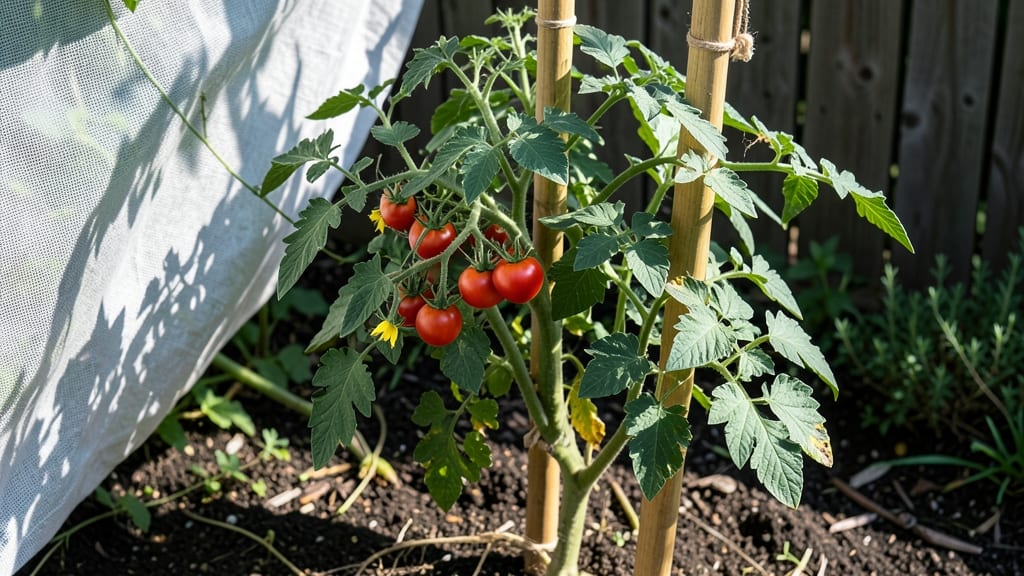
Growing tomatoes in sun or shade is all about finding the right balance for maximum fruit production—and most gardeners get this wrong.
Picture this: your 🍅 plants are sprawling, but the fruit stays small and tasteless. Or worse, they bolt before producing anything. That’s not just bad luck—it’s a light problem. Too little sun means weak vines and poor yields, while too much can scorch leaves and drop blossoms.
Here’s the truth: tomatoes crave full sun—at least 6-8 hours daily—but they can handle some shade if you know the tricks.
Whether you’re working with a shady corner, a container on a balcony, or a hot climate where afternoon shade is a must, I’ll show you how to position your plants for success.
You’ll learn the signs of over- or under-exposure, the best shade solutions for different climates, and even how to boost yields when sunlight is limited. Let’s get those tomatoes thriving—no guesswork involved.
 Best Window Placement
How much sun do tomatoes need for optimal growth and fruit production?
Tomatoes are sun-worshippers, and their fruit production depends heavily on direct sunlight exposure. While they can tolerate some shade, most varieties thrive best with 6 to 8+ hours of full sun daily.
This sunlight fuels photosynthesis, which is critical for energy production and fruit development. Without enough light, your plants may struggle to set fruit or produce high-quality tomatoes.
In my garden, I’ve seen firsthand how tomatoes in full sun grow taller, produce more flowers, and develop sweeter fruit compared to those in partial shade. The key is balancing sunlight with proper watering and soil nutrition to prevent stress.
Let’s break down exactly how much sun tomatoes need and what happens when they don’t get enough—or too much.
🌱
Tomatoes rely on photosynthesis efficiency, which peaks under full sun. During photosynthesis, plants convert sunlight into energy, driving growth and fruit development. When tomatoes receive less than 6 hours of sun, their energy production drops, leading to smaller fruits or even no fruit at all.
In my trials, varieties like Cherry Tomatoes and Beefsteak Tomatoes show the most dramatic yield drops in low-light conditions.
However, too much sun—especially in hot climates—can cause sunburn on leaves and blossom drop, where flowers fall off before fruiting. This often happens when temperatures exceed 90°F (32°C) without adequate shade. To mitigate this, I use lightweight shade cloth (30-50% coverage) during peak afternoon heat in my garden.
🌡️
Not all tomato varieties have the same sunlight tolerance. Heirloom tomatoes like Brandywine or Cherokee Purple often need more sun to ripen fully, while modern hybrids like Solar Fire or Heatmaster are bred for better heat and sun tolerance.
If you’re growing in a shady garden, consider shade-tolerant varieties or supplement with grow lights for 12-14 hours daily.
In containers or raised beds, tomatoes can overheat faster due to limited soil mass. To prevent this, I place my potted tomatoes on reflective surfaces like white gravel or light-colored mulch, which bounce extra light back onto the plants.
This trick can boost sunlight exposure by up to 20%, making a noticeable difference in fruit set.
🪴
If your tomatoes aren’t getting enough sun, you’ll notice a few telltale signs: leggy stems, yellowing leaves, and fewer flowers. These are clear indicators that your plants are light-starved. On the flip side, sunburned leaves (white or brown patches) or dropping blossoms signal too much heat.
Adjusting their position—like moving them to a south-facing spot or providing afternoon shade—can often resolve these issues.
For maximum yield, aim to give your tomatoes at least 6 hours of direct sunlight, with 8+ hours being ideal. Monitor their growth closely, and don’t hesitate to relocate them if their current spot isn’t working.
With the right balance of sun and care, you’ll be rewarded with juicy, flavorful tomatoes all season long.
☀️
Best shade solutions for tomatoes: partial sun strategies for different climates
Not all gardens have 6-8 hours of full sun, but that doesn’t mean you can’t grow tomatoes in partial shade. Many gardeners successfully grow tomatoes with dappled sunlight or afternoon shade, especially in northern climates or urban settings.
The key is choosing the right shade-tolerant varieties and optimizing light exposure.
Partial shade can actually benefit tomatoes in hot climates by preventing sunburn or heat stress. However, too little light leads to smaller fruits and fewer blooms. Let’s explore practical strategies to maximize your harvest in low-light conditions.
Partial Shade Strategies
Best for hot climates; prevents afternoon heat stress.
Filter through trees; ideal for container growing.
Use white mulch or mirrors to bounce light onto plants.
Reduces intensity without blocking all light; great for intense afternoon sun.
Prevents sunburn, extends growing season in hot areas, works for shade-tolerant varieties.
Reduced fruit size, fewer blooms, higher risk of legionnaire’s disease in damp shade.
If you’re growing tomatoes in partial shade, prioritize shade-tolerant varieties like ‘Stupice’ (cherry tomato) or ‘Sungold’. These varieties handle 4-6 hours of sunlight better than traditional types. Pair them with reflective mulch or white gravel to maximize light exposure.
Another trick is to use reflective surfaces like aluminum foil or white plastic sheets near your plants. This bounces extra light onto leaves, mimicking full sun conditions. For container growing, place pots on rolling stands to rotate them toward the sun throughout the day.
Mulching with organic matter like straw keeps soil cool and retains moisture, which is crucial in shady conditions. Avoid overwatering, as soggy soil in shade can lead to root rot. Instead, water deeply once or twice a week and monitor soil moisture with your finger.
For northern climates, partial shade can actually improve tomato yields by extending the growing season. Start with early-maturing varieties like ‘Early Girl’ and use row covers to protect plants from late frost while still allowing light penetration.
Remember, even in shade, pruning lower leaves improves airflow and light penetration to the fruit. This simple step can boost yield by 20-30% in low-light conditions. With the right approach, your tomatoes can thrive—even without full sun! 🌱