
Shrubs
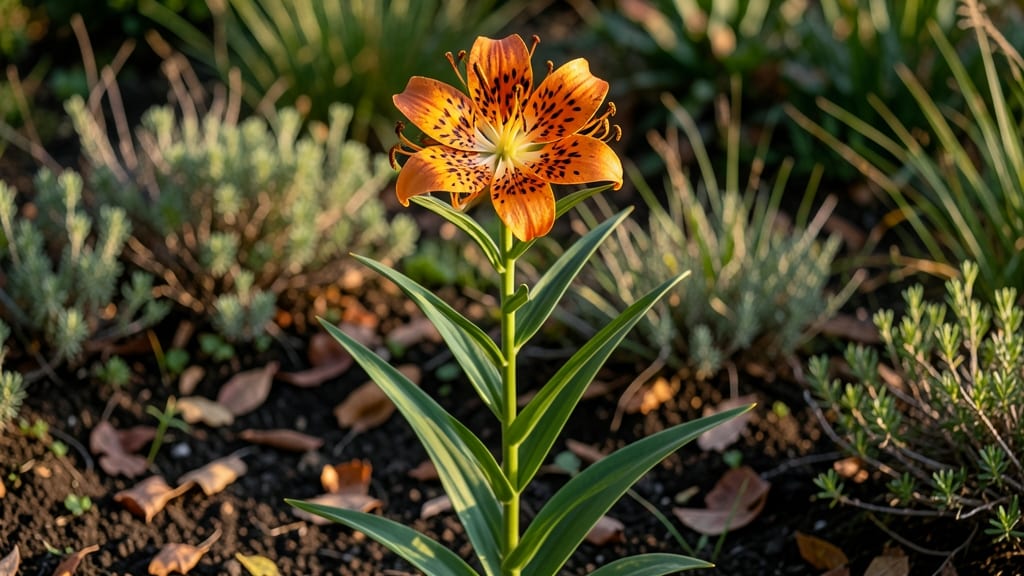
Tiger lilies thrive in partial shade, but their blooms depend on the right balance of light—too much sun scorches them, too little stretches their growth. 🌿 I’ve watched these dramatic flowers go from lanky and sparse to bold and abundant by tweaking their placement, and the secret lies in understanding their light needs better than the sun chart on your phone.
Most gardeners assume tiger lilies need full sun, but the truth is they prefer morning sun and afternoon shade—think dappled light under tall trees or east-facing beds. Look for plants with deep green leaves and sturdy stems; if yours are pale or leggy, they’re begging for more shade.
A simple trick is to move them gradually over 2-3 weeks to avoid shock, and you’ll see the difference in just one growing season. The payoff is worth it: vibrant orange blooms that last from midsummer to frost, with foliage that stays lush even in the heat.
Even in shady spots, they’ll reward you with stronger stems and bigger flowers than sun-stressed plants. Once you find their sweet spot, they become the showstopper of your garden—no matter how dark the corner.
For shadier gardens, try white tiger lilies like ‘Casablanca’—they tolerate lower light better than the classic orange varieties. And if your yard has hot afternoon sun, mulch heavily to protect roots. The key is flexibility: these lilies adapt, but only if you listen to their leaves first.
Light Struggles Exposed
Tiger lilies (Lilium lancifolium) are hardy perennials that can thrive in surprisingly diverse conditions—but their love for specific light dynamics explains why they might flop in full sun or languish in deep shade.
Understanding these light-related challenges is the first step to giving your tiger lilies the perfect growing conditions. Let’s break down the science behind their finicky nature.
Tiger lilies are not desert dwellers—they’re native to woodlands and forest edges, where dappled sunlight filters through canopies. When planted in direct, hot sunlight (especially in hot climates), their broad leaves act like solar panels, absorbing too much energy. Here’s what goes wrong:
- Leaf Scorch: Excessive sunlight triggers oxidative stress, causing leaf edges to crisp and turn brown. Think of it like a steak left on the grill too long—it’s cooked from the inside out.
- Stunted Growth: The plant diverts energy away from blooming and root development to protect itself, resulting in weak stems and fewer (or no) flowers.
- Pest Magnet: Stressed plants attract aphids and spider mites, which thrive in dry, overheated conditions. These pests then weaken the lily further.
💡 Pro Tip: If your tiger lily is in full sun, monitor for wilting in the afternoon—a classic sign of heat stress. Mulching with 3–4 inches of organic matter (like shredded bark) helps insulate roots and retain moisture.
While tiger lilies tolerate partial shade, too little light (less than 4–6 hours of filtered sun daily) sends them into survival mode. Without sufficient photosynthesis, they prioritize leaf production over blooms, leading to:
- Leggy, Floppy Stems: Stretched-out stems (etiolation) occur as the plant reaches for light, making them prone to snapping in wind or rain.
- Pale, Weak Flowers: Flowers may emerge but lack vibrancy and fragrance, often opening smaller than their sun-grown counterparts.
- Fungal Vulnerability: Shady, humid conditions create the perfect breeding ground for botrytis blight (gray mold) and root rot.
🌡️ Science Note: Chlorophyll production drops by 30–50% in low-light conditions, directly impacting the lily’s ability to store energy for blooms. If your garden is naturally shady, opt for east-facing beds (gentle morning sun) or supplement with a grow light during winter.
Tiger lilies hate sudden light changes—like moving them from a shady patio to a sunny border mid-season. This disruption confuses their circadian rhythms, leading to:
- Delayed Blooming: The plant may skip flowering entirely for a year while it adjusts, as it prioritizes root and leaf regrowth.
- Bud Drop: Flowers form but fall off before opening due to nutrient misallocation (the plant can’t decide whether to protect leaves or support blooms).
- Chlorosis (Yellowing): Inconsistent light causes iron deficiency in leaves, turning them yellow between veins—a classic sign of poor light management.
✨ Actionable Fix: If relocating your tiger lily, do it in early spring (before bud formation) and acclimate gradually by moving it to its new spot for 1–2 hours daily, increasing exposure over 2 weeks.
By pinpointing whether your tiger lily is suffering from too much or too little light—and addressing the root cause—you’ll unlock its full potential. Next up: How to Fix It with science-backed adjustments.
Reviving Your Tiger Lilies
Tiger lilies are resilient, but even the hardiest plants need a little TLC when they’re struggling with sun or shade. Here’s how to diagnose the issue and bring your blooms back to life—plus tips to keep them thriving long-term.
If your tiger lilies look yellowed, crispy, or faded after too much direct sun, they’re likely suffering from sunburn or heat stress. Here’s how to nurse them back to health:
🔥 Step 1: Trim the Damaged Foliage
- Use clean, sharp pruners to snip off any leaves or stems that are brown, wilted, or bleached.
- Cut back to healthy green growth—this helps the plant redirect energy to recovery.
🌿 Step 2: Provide Gentle Afternoon Shade
- If your garden gets intense afternoon sun (1 PM–5 PM), create shade with:
- A lightweight shade cloth (30–50% coverage).
- A lattice or trellis with climbing plants (like morning glories) for natural filtering.
- A temporary pop-up sunshade if the issue is acute.
💧 Step 3: Hydrate Deeply and Frequently
- Water at the base (not overhead) to prevent fungal issues from wet leaves.
- Soak the soil 1–2 inches deep 2–3 times per week (adjust for clay/sandy soil).
- Mulch with 2–3 inches of organic matter (straw, shredded leaves) to retain moisture.
🌡️ Pro Tip: Avoid Overwatering
- Yellow leaves + soggy soil? You might be drowning the roots. Let the top inch dry between waterings.
If your plants are leggy, sparse, or producing few blooms in too much shade, they need more light—but not all at once. Gradual adjustments work best.
☀️ Step 1: Gradually Increase Light Exposure
- Move potted tiger lilies to a sunnier spot over 2–3 weeks to avoid shock.
- For in-ground plants, prune nearby tall plants (trees, shrubs) to allow 4–6 hours of morning sun.
🌿 Step 2: Fertilize for Stronger Growth
- Use a balanced, slow-release fertilizer (10-10-10) in early spring.
- For a bloom boost, switch to a phosphorus-rich formula (5-10-10) when buds form.
💡 Pro Tip: Supplement with Grow Lights
- If natural light is limited, place a full-spectrum LED grow light 6–12 inches above the plant for 6–8 hours/day.
Once your tiger lilies are back in bloom, keep them happy with these long-term fixes:
📅 Plant in the Right Spot from Day One
- Ideal location: Partial shade (morning sun + afternoon shade) or dappled sunlight.
- Avoid: Deep, dense shade (under trees) or scorching afternoon sun in hot climates.
🌱 Choose the Right Variety
- Sun-tolerant tiger lilies: ‘Stella de Oro’, ‘Black Beauty’ (handle more light).
- Shade-tolerant options: ‘Tazetta’ hybrids (thrive in filtered light).
🌡️ Monitor Soil and Climate
- Well-draining soil is a must—amend clay soil with compost or perlite.
- Mulch annually to regulate soil temperature and moisture.
✨ Bonus: Companion Planting Trick
- Pair tiger lilies with tall grasses (like fountain grass) or sun-loving perennials (like daylilies) to create a natural sun/shade buffer.
With these fixes, your tiger lilies should bounce back in 4–6 weeks, producing bold, vibrant blooms year after year. 🌺✨
Frequently asked questions
Can tiger lilies grow under trees?
Yes, but with caution! Tiger lilies tolerate dappled shade from trees, but avoid dense canopies that block all light. Look for spots where sunlight filters through—like under deciduous trees (oak, maple)—where they’ll get 4-6 hours of morning sun. If leaves appear pale or stems stretch, they need more light.
Why are my tiger lily leaves turning brown at the edges?
This is a classic sign of sunburn from too much direct afternoon sun. The edges crisp because the plant can’t handle intense heat. Move your lily to a spot with afternoon shade or use a 30% shade cloth during peak sun hours. Water deeply to help recovery.
Do white tiger lilies need different light than orange ones?
Not significantly! While white varieties like ‘Casablanca’ tolerate slightly more shade than orange types, they still thrive best with morning sun and afternoon shade. The key difference is that white lilies show stress (like yellowing) more visibly, making light adjustments easier to spot.
How do I know if my tiger lily is getting enough light?
Check the leaves—deep green and upright means perfect light. If they’re pale or stretched, it needs more sun. For blooms, aim for 4-6 hours of filtered light daily. A simple test: If your lily flowers but the blooms are small or sparse, it’s likely light-starved.
Can I grow tiger lilies in containers with limited sunlight?
Containers make it easier to adjust light! Place them where they get morning sun and afternoon shade, and rotate pots weekly for even growth. For very shady spots, use a grow light for 6 hours/day during winter. Choose compact varieties like ‘Little Chicken’ for smaller spaces.