
Size
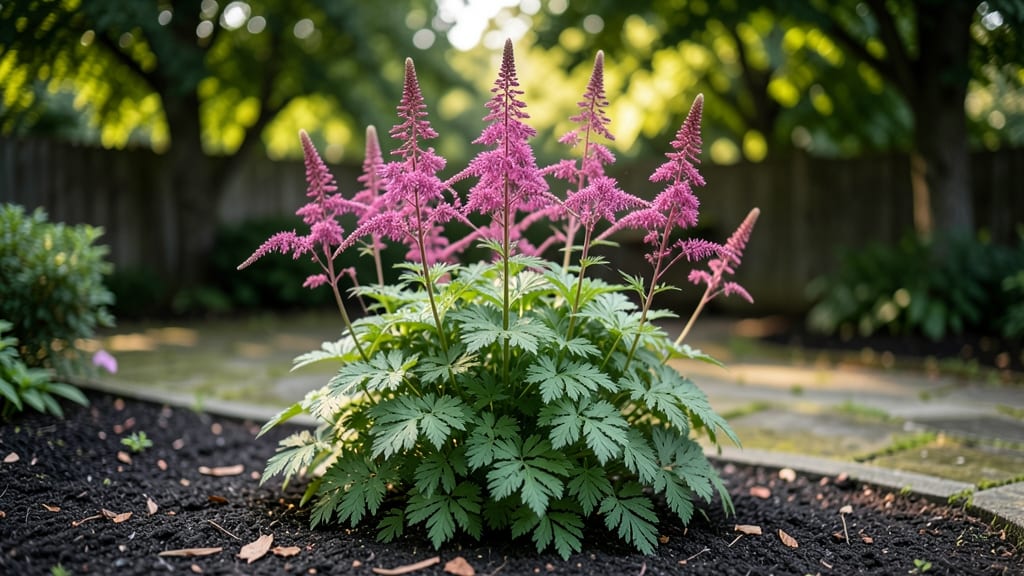
Dark corners don’t have to be dull—tall shade perennials for Zone 5 turn them into dramatic focal points. 🌿 I’ve tested these bold plants in my own shady spots, and they’ve transformed bare patches into lush, textured backdrops that hold their own all season long.
These aren’t wilting understory plants—they’re 6 to 10 feet tall with striking foliage, some even blooming in deep shade. Think Japanese painted ferns with their silvery fronds, bloodroot for early spring blooms, or ligularia with its massive, velvety leaves.
They handle Zone 5 winters like champs, coming back stronger every year. You’ll love how they anchor garden beds while adding height and structure. Hostas and heucheras might steal the show up front, but these giants create the perfect backdrop—seasonal interest without the sun.
Plus, they’re low-maintenance once established, needing only consistent moisture and occasional pruning. For privacy screens or vertical drama, mix gunnera (giant rhubarb) with astilbe for layered texture. They’ll give you that wow factor without a single ray of direct sunlight. Let’s dive into the best picks for your shady spots!
📚 In This Guide
- What you need
- Instructions
- Tips and common mistakes
- Wrapping up and next steps
What you need
- ● Tall Shade Perennials (Zone 5-hardy): 1–3 plants of Hosta (e.g., 'Blue Angel' or 'Francee') – 3–4 ft tall
- ● 1–2 plants of Astilbe (e.g., 'Fanal' or 'Deutschland') – 2–4 ft tall
- ● 1 plant of Cimicifuga racemosa (Bugbane) – 4–6 ft tall
- ● 1 plant of Hydrangea macrophylla (Bigleaf Hydrangea) – 3–5 ft tall
- ● 1–2 plants of Heuchera (e.g., 'Palace Purple' or 'Lime Rickey') – 1.5–2 ft tall
- ● Soil Amendments: 5–10 lbs of compost (per planting area)
- ● 2–3 lbs of peat moss or coconut coir (for moisture retention)
- ● Planting Supplies: 1 garden trowel or transplant spade
- ● 1 5-gallon bucket (for mixing soil amendments)
- ● 1 hose with a gentle spray nozzle or watering can
- ● Mulch: 2–3 bags of organic mulch (e.g., shredded bark or pine straw)
- ● Fertilizer: Slow-release balanced fertilizer (10-10-10) or organic options like worm castings
- ● Support Structures: Stakes or cages for taller perennials (e.g., Bugbane or Hydrangea)
- ● Garden Gloves (to protect your hands from prickly foliage)
- ● Pruning Shears (for shaping and maintenance)
- ● Garden Markers (to label plants and track varieties)
How to design a stunning tall shade perennial border in Zone 5
Here's the method I use to transform dark corners into lush, textured focal points that thrive without sun.
🌿 Step 1: Select the Right Tall Shade-Loving Perennials
For Zone 5's deep shade, focus on plants that tolerate less than 3 hours of direct sun daily while still reaching 4-6 feet tall. My go-to trio includes Astilbe (for feathery plumes), Hosta (for bold foliage), and Ferns (like Ostrich Fern or Japanese Painted Fern) for texture. These handle 30-50°F nights and humid summers without wilting.
I always pair them with Cimicifuga (Bugbane) for dramatic height and Ligularia for golden foliage contrast. These plants thrive in USDA Zone 5 and multiply reliably each year. Avoid sun-lovers like daylilies—they'll turn leggy and flop in shade.
🪴 Step 2: Prepare the Planting Site for Moisture Retention
Shade gardens need well-draining yet moisture-retentive soil. Amend your native soil with 3 inches of compost and a handful of perlite to prevent compaction. I dig a trench along the planting line and mix these in to a depth of 12 inches—this ensures roots have access to nutrients and water.
Test your soil's moisture by squeezing a handful—it should hold together but not drip. If it feels sandy, add 2 inches of peat moss to improve water retention. Avoid heavy clay soil without amendment; it suffocates roots and causes rot in deep shade.
☀️ Step 3: Plant in Staggered Layers for Depth and Light Flow
Arrange plants in three height tiers: tallest (like Cimicifuga) at the back, mid-height (Astilbe, Ligularia) in the middle, and shortest (Hostas, Ferns) in front. Space them 2-3 feet apart—this prevents overcrowding and allows air circulation, reducing fungal diseases common in shade.
Dig holes twice as wide as the root ball but only as deep. Place each plant so the top of the root ball sits 1 inch below soil level—this ensures stability and prevents crown rot. Water deeply before backfilling to eliminate air pockets around roots.
💧 Step 4: Mulch and Water Strategically for Year-Round Health
Spread 3 inches of shredded bark mulch over the soil surface, keeping it 2 inches away from plant stems to prevent rot. This mulch layer retains moisture, regulates soil temperature, and suppresses weeds—critical in shade where grass rarely grows. Replenish it annually in spring.
Water deeply once weekly during the first growing season, aiming for 1 inch of water per week. You'll know it's enough when the top 2 inches of soil stay consistently moist but not soggy. In Zone 5's winters, reduce watering to once every 2 weeks unless we have a dry spell.
✂️ Step 5: Prune and Maintain for Season-Long Interest
Cut back Astilbe and Ligularia in early spring once new growth appears—this clears dead foliage and encourages fresh blooms. For Hostas and Ferns, remove only the brownest leaves in late winter to avoid disturbing dormant buds. I never prune Cimicifuga until late summer, when its foliage yellows naturally.
Fertilize lightly in early spring with a balanced 10-10-10 fertilizer (use ½ teaspoon per plant). Too much nitrogen causes weak stems and attracts pests. Watch for slugs in humid summers—apply iron phosphate bait in the evening when they're most active.
Tips & tricks for stunning tall shade perennial borders in Zone 5
Transforming dark corners into thriving shade gardens takes strategy—here's how to elevate your design from good to showstopping.
Layering for Light Flow: In Step 3, when arranging your three height tiers, consider adding a fourth layer of low-growing ground covers like Ajuga or Lamium along the front edge. This creates a seamless transition from border to lawn while preventing light starvation at the base of taller plants. The key is maintaining that 2-3 feet spacing—any closer and you'll smother your shade stars.
Soil Science Matters: For Step 2's soil amendment, test your native soil's pH before adding compost. Most shade perennials prefer 6.0-7.0 pH, but Hostas thrive at 6.5-7.5 while Ferns prefer 5.0-6.5. A simple home test kit (around $10) reveals whether you need to adjust with lime or sulfur before planting. I've seen Astilbe turn yellow from alkaline soil—don't make that mistake!
Mulch Upgrade: While 3 inches of shredded bark works, consider mixing in ½ inch of leaf mold (composted leaves) into your mulch layer. This adds organic matter that breaks down slowly, feeding roots year-round. Just keep that 2-inch stem clearance to prevent rot—wet mulch touching stems creates the perfect slug buffet.
Seasonal Pruning Calendar: Create a simple chart marking these key dates: Early April (cut back Astilbe and Ligularia), Late February (remove brownest Hosta leaves), and August (prune Cimicifuga after yellowing). I mark my calendar with sticky notes because I've forgotten these timings before—leading to missed blooms or winter dieback.
Pro Tips for Tall Shade Perennials Zone 5
- Transforming dark corners into thriving shade gardens takes strategy—here's how to elevate your design from good to showstopping.
- Layering for Light Flow: In Step 3, when arranging your three height tiers, consider adding a fourth layer of low-growing ground covers like Ajuga or Lamium along the front edge.
- Soil Science Matters: For Step 2's soil amendment, test your native soil's pH before adding compost.
Frequently asked questions
about tall shade perennials in Zone 5—because even the shadiest spots deserve answers!What are the easiest tall perennials to grow in Zone 5 shade?
Start with Astilbe, Hosta (tall varieties), or Japanese Painted Fern. These thrive with minimal fuss, handling Zone 5’s cold winters and partial shade beautifully. For bold foliage, Cimicifuga racemosa (bugbane) or Actaea simplex (bugwort) are standout picks with minimal care.
Do tall shade perennials survive Zone 5 winters?
Yes! Most hardy perennials (like Hosta, Heuchera, or Foamflower) tolerate Zone 5 winters with mulch (2–3 inches of shredded leaves or straw). Evergreens like Dryopteris ferns may need extra protection in harsh winters, but deciduous varieties often bounce back stronger in spring.
How do I keep tall perennials from flopping in shade?
Stake tall varieties like Astilbe or Cimicifuga early in the season with bamboo stakes or spiral ties. For a natural look, weave them into nearby shrubs or plant them against a fence. Pro tip: Prune leggy growth in early spring to encourage bushier, sturdier stems.
Can I grow tall perennials in full shade (no direct sun)?
Perennials like Lungwort (Pulmonaria), Solomon’s Seal (Polygonatum), and Christmas Fern (Polystichum acrostichoides) thrive in full shade. Just ensure the soil stays moist—they’ll reward you with lush growth. Avoid sun-lovers like Black-Eyed Susans in these spots!
What pests should I watch for with tall shade perennials?
Slugs and snails love Hosta and Astilbe—set beer traps or use organic slug bait. Deer may nibble young shoots, so plant near barriers or opt for deer-resistant varieties like Japanese Painted Fern. Pro tip: Inspect leaves regularly in spring for chewed edges or silky webs (spider mites).
How far apart should I space tall perennials?
| Plant | Spacing (inches) |
|---|---|
| Astilbe | 18–24" |
| Hosta (tall varieties) | 24–36" |
| Cimicifuga racemosa | 30–36" |
| Japanese Painted Fern | 18–24" |
Check plant tags for mature size—crowding leads to disease and weak stems. Give them room to shine!
Wrapping up and next steps
Transforming your shady Zone 5 garden into a lush, eye-catching retreat is totally within reach! With the right tall shade perennials, you can add drama, texture, and year-round interest—even in those tricky dark corners.
Whether you’re drawn to bold foliage, delicate blooms, or a mix of both, these plants prove that shade gardens can be just as stunning as their sunlit counterparts.
Ready to get started? Pick one or two standout plants from this list, sketch a simple layout, and take the first step toward your dream garden today! 🌿✨