
Companion Plants
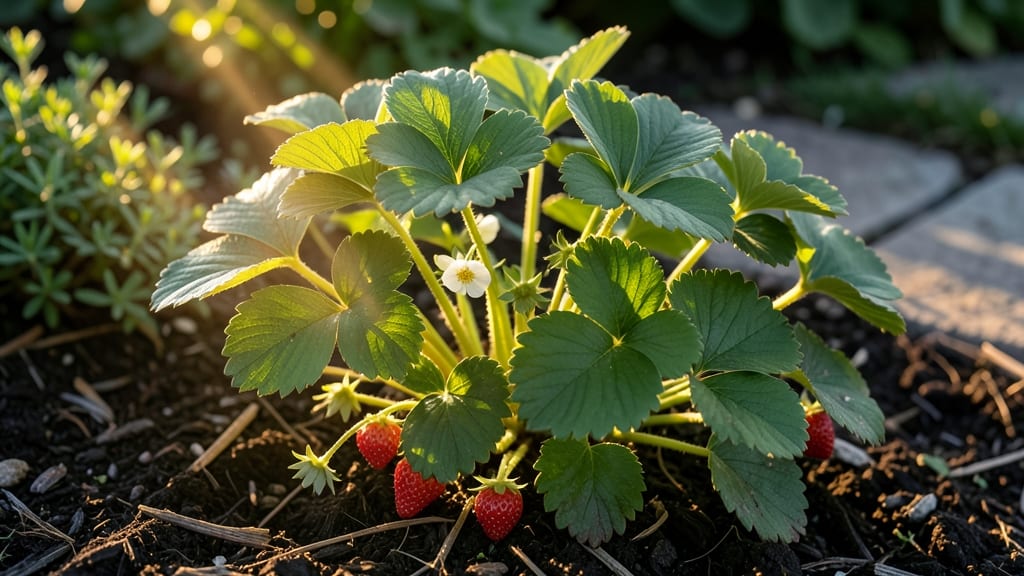
Strawberry plants thrive in sun or shade with the right balance—6+ hours of sunlight for sweet, abundant fruit, but too much heat or too little light can ruin your harvest.
Picture this: you’ve planted your 🍓 with high hopes, only to watch them struggle—leaves scorching in the midday heat or berries staying tiny and bland. The truth? Strawberries are picky about light, and getting it wrong means missing out on juicy, flavorful berries.
In this guide, I’ll break down exactly how much sun your strawberries need, when shade actually helps (especially in hot climates), and how to tweak light conditions for bigger, tastier harvests—even if your garden is shady or urban.
You’ll learn to spot the signs of poor light, adjust for your climate, and pick the best varieties for partial shade, so your plants finally get the conditions they crave.
 Best Window Placement
How much sun do strawberry plants really need for maximum fruit?
Strawberries are sun-worshippers at heart, but not all strawberry varieties need the same amount of light. 6 to 10 hours of direct sunlight is the golden rule for most types, but regional climates and plant maturity change the equation.
Too little light means small, bland berries, while too much can scorch leaves—especially in hot inland climates. Let’s break down the science and practical tips to get your plants basking just right.
Sunlight isn’t just about quantity—it’s about photosynthesis efficiency. Strawberries convert light into energy to fuel growth and fruit development. Full sun (6+ hours) boosts sugar production, making berries sweeter and larger.
But in coastal areas with cooler temperatures, plants can handle partial shade without sacrificing yield. Understanding these nuances helps you tailor care to your microclimate.
🌱 Did You Know? Strawberries grown in partial shade (3-6 hours of sun) may produce fewer berries but can be more disease-resistant in humid climates. The trade-off? Smaller, less flavorful fruit. For maximum harvests, aim for 6+ hours of sun—but adjust for your local conditions.
🌿 Key Insight: The first year of growth focuses on establishing roots, so slightly less sun (4-6 hours) can work. By year two, when plants produce runners and fruit, they’ll demand full sun exposure for optimal yields. This two-phase approach prevents overstressing young plants while setting them up for future success.
| Sunlight Needs | Ideal Hours/Day | Berry Quality | Best For | Regional Notes |
|---|---|---|---|---|
| Full Sun | 6-10 hours | Large, sweet, high yield | Inland climates, June-bearing | Avoid afternoon sun in Zone 8+ |
| Partial Shade | 3-6 hours | Smaller, tart, lower yield | Coastal, everbearing | Best for humid zones (e.g., Florida) |
| Dappled Light | 2-4 hours | Minimal fruit, leafy growth | Shaded patios, forest edges | Use everbearing varieties like 'Albion' |
| Deep Shade | <1-2 hours | No fruit, weak stems | North-facing walls | Avoid—plants will bolt or die |
If you’re in a coastal climate, like the Pacific Northwest, strawberries can thrive with 4-6 hours of morning sun and afternoon shade. The cooler, foggy conditions reduce heat stress, so plants focus energy on fruit rather than leaf protection.
In contrast, inland areas (e.g., Arizona or Texas) need afternoon shade during peak summer months to prevent leaf scorch while maintaining 6+ hours of morning sun.
For container-grown strawberries, position pots on a south-facing balcony or use reflective surfaces (like white walls) to maximize light exposure.
Rotate pots weekly so all sides receive even sun, preventing lopsided growth. Reflective mulches, such as white gravel, can also boost light absorption by up to 20% in shaded spots.
💡 Pro Tip: Monitor your strawberries’ leaf color—deep green means they’re happy, while yellowing indicates light deficiency or nutrient stress. If leaves turn crispy at the edges, it’s a sign of too much sun or underwatering. Adjust shade cloths or watering schedules accordingly.
Not all strawberry varieties play by the same rules. June-bearing types (like 'Chandler') demand full sun for maximum yield, while everbearing varieties (like 'Seascape') tolerate partial shade better.
If your garden is shady, opt for day-neutral varieties—they produce fruit in multiple cycles and adapt better to lower light conditions. Just expect smaller berries compared to their sun-loving cousins.
🌡️ Climate Hack: In hot desert climates, use 30-50% shade cloth
Shade solutions for strawberries: when and how to protect plants
Not all gardens offer the 6+ hours of sunlight strawberries crave, but that doesn’t mean your berries are doomed. Strategic shade can actually save your plants from heat stress, leaf scorch, and pests during extreme conditions.
The key is understanding when to use temporary shade (like afternoon shade cloth) versus permanent solutions (like companion planting with taller crops). Let’s break down how to protect your strawberries without sacrificing their sweet potential.
First, recognize that too much shade reduces fruit production by up to 50%, while intense midday sun can burn leaves in hot climates. Urban balconies and forest-edge gardens often face this dilemma—where shade is inevitable but full sun is impossible.
The solution? Dappled light (filtering through trees) or partial shade cloths (30-50% blockage) can mimic the ideal balance. For example, planting strawberries under apple trees provides morning sun and afternoon shade naturally.
Shade Solutions for Strawberries
- ✅ Protects from leaf scorch in hot afternoons
- ✅ Adjustable for seasonal sun shifts
- ✅ Works for containers and raised beds
- ❌ Can reduce berry sweetness if overused
- ❌ Requires secure anchoring in wind
- ✅ Uses tall plants (corn, sunflowers) for natural shade
- ✅ Improves soil health with nitrogen-fixers
- ✅ Reduces pest pressure (e.g., basil repels flies)
- ❌ May compete for nutrients if overcrowded
- ❌ Requires careful spacing planning
For urban balconies, opt for white shade cloth (reflects heat) or place containers near north-facing walls to block afternoon sun. If your strawberries are already showing yellowing leaves or small berries, it’s a sign they’re struggling—either from too little light or heat stress.
In these cases, move plants to a sunnier spot temporarily (like a patio) during peak heat hours (11 AM–3 PM).
Another trick? Mulch heavily with straw (yes, the same name!) to keep roots cool and retain moisture. This mimics the natural forest floor where strawberries thrive in dappled shade.
Just avoid organic mulch that decomposes too quickly—stick to 2-3 inches of fresh straw every few months. Pair this with morning watering to prevent fungal issues from evening moisture.
If you’re in a coastal climate, shade might be less critical since ocean breezes moderate temperatures. But inland gardens in Zones 7-9 often need shade during summer. Test your setup: If your strawberries produce fewer than 10 berries per plant or leaves look crispy-edged, it’s time to adjust.
Try a 50% shade cloth for 2-3 weeks and monitor growth—you’ll likely see bigger, healthier leaves within days.
Remember, shade isn’t permanent—it’s a tool. Use it to extend the growing season in hot zones or protect young plants after transplanting. And always rotate containers every few weeks to ensure even light exposure.
With the right balance, your strawberries can thrive even in partial shade, delivering sweeter fruit and fewer pests.