
Shrubs
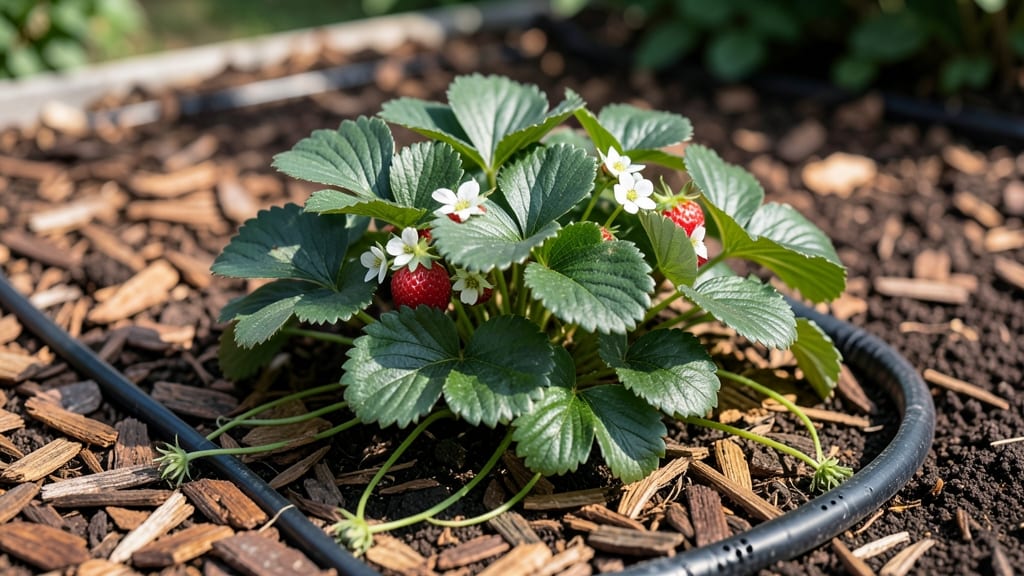
Growing strawberries in shade isn't impossible—it just takes the right varieties and a few clever tricks. 🌱 I've grown 'Albion' and 'Seascape' in partial shade for years, and they produce sweet, plump berries even when sunlight is limited. The key is choosing shade-tolerant types and optimizing their growing conditions.
These varieties thrive with 4-6 hours of morning sun and afternoon shade, making them perfect for north-facing gardens, under trees, or on shaded patios. You'll need rich, well-draining soil and containers with good airflow to prevent rot—both help compensate for less direct sunlight.
With proper care, you'll harvest pint-sized berries by mid-summer, though yields may be smaller than full-sun plants. The flavor? Often sweeter and more concentrated, thanks to slower growth. Works in containers, hanging baskets, or ground beds—just avoid deep shade where fruiting becomes unreliable. Let's get those plants growing!
📚 In This Guide
- What you need
- Instructions
- Tips and common mistakes
- Wrapping up and next steps
What you need
- ● Strawberry plants: Choose shade-tolerant varieties like 'Albion,' 'Ozark Beauty,' or 'Seascape' (3–5 plants for small containers, 10+ for in-ground beds).
- ● Well-draining soil: Mix 50% potting soil with 50% compost (or use pre-mixed raised-bed soil). For in-ground, amend with 2–3 inches of compost.
- ○ Containers (optional but helpful): Fabric grow bags (12–18 inches deep, 1–2 plants per bag)
- ● Wooden or plastic raised beds (minimum 6 inches deep, 12+ inches wide)
- ● Mulch: 2–3 inches of straw or shredded leaves to retain moisture and suppress weeds.
- ● Garden trowel or small shovel for planting.
- ● Gloves (to protect from thorns and soil).
- ● Watering can or hose with a gentle spray nozzle (strawberries hate soggy roots!).
- ● Balanced fertilizer (5-10-10 or organic options like fish emulsion) for feeding (apply every 4–6 weeks).
- ○ Pruners or scissors for trimming runners (optional but keeps plants tidy).
- ○ Shade cloth (optional): Use 30–50% shade cloth if your area gets partial sun (e.g., dappled light).
- ● A spot with 2–4 hours of indirect light daily (e.g., under trees, near a north-facing wall, or in a sheltered patio).
- ● Protection from wind (strawberries prefer calm conditions).
- ● Patience! Shade-grown strawberries may yield smaller but sweeter berries compared to full-sun varieties.
How to grow thriving strawberries in shade
Here's the method I've perfected for coaxing sweet berries from shade-loving varieties—no sunburned leaves or bitter fruit in sight.
🌱 Step 1: Select the Right Varieties for Low Light
Not all strawberries tolerate shade equally. Reach for everbearing or June-bearing varieties specifically bred for partial shade, like 'Ozark Beauty' or 'Seascape'. These handle 4-6 hours of morning sun with afternoon shade better than traditional types. I always check the plant tag—some labeled "shade-tolerant" still need at least 2-3 hours of direct light daily to fruit properly.
If your space gets less than 2 hours of light, consider Alpine strawberries ('Mignonette' or 'Mara des Bois'). They thrive in dappled shade and produce smaller but intensely sweet berries. Plant them in well-draining soil—they hate soggy roots, which is their #1 killer in shady spots.
🪴 Step 2: Prepare the Planting Site for Maximum Success
Strawberries in shade need rich, organic soil to compensate for lower light. Amend your garden bed with 3-4 inches of compost mixed into the top 6 inches of soil. I swear by a blend of aged compost and perlite (1 part perlite to 3 parts compost) to prevent compaction, which is especially critical in shaded areas where soil stays cooler and denser.
Choose a location with morning sun exposure—even if it's just 2-3 hours. This gives plants enough energy to develop strong roots and set fruit. If your yard has deep shade all day, opt for container growing instead. Use pots with drainage holes and fill them with a lightweight potting mix designed for containers.
☀️ Step 3: Plant Correctly for Shade Adaptation
Set crowns (the area where leaves meet roots) at soil level—burying them too deep causes rot, while planting too high stresses the plant. Space everbearing varieties 18-24 inches apart and Alpine strawberries 12 inches apart to allow airflow and prevent disease. I always water deeply right after planting to settle the soil and remove air pockets around roots.
Mulch heavily with 2-3 inches of straw or shredded leaves to insulate roots and retain moisture. Shaded soil dries out more slowly, but mulch prevents the surface from becoming waterlogged. Avoid dark mulches like black plastic—they heat up in any sunlight and can scorch crowns. Instead, use light-colored or organic mulch that blends into the shade.
💧 Step 4: Water and Fertilize for Shade Conditions
Shade-grown strawberries need consistent moisture—water when the top 1-2 inches of soil feel dry. I check this by sticking my finger in the soil; if it's damp at 1 inch deep, wait another day. Overwatering in shade leads to gray mold (Botrytis), a fungal disease that thrives in damp, low-light conditions. Water at the base of plants in the morning to allow foliage to dry quickly.
Feed lightly with a balanced, low-nitrogen fertilizer (10-10-10 or 5-5-5) every 4-6 weeks during growing season. Too much nitrogen promotes leafy growth at the expense of fruit. I also side-dress with compost tea monthly for a gentle nutrient boost. Avoid high-phosphorus fertilizers—they can lead to excessive flower production without enough energy to ripen fruit in low light.
✂️ Step 5: Prune and Maintain for Optimal Fruit Production
Remove weak or crowded runners that compete with the mother plant for resources. In shade, every leaf counts for photosynthesis, so I prune back damaged or yellowing leaves immediately to redirect energy to fruiting. For June-bearing varieties, trim old fruit-bearing stems after harvest to encourage new growth for next year.
Watch for pale, leggy growth—this is your plant begging for more light. If it happens, move containers to a slightly sunnier spot or prune back one-third of the oldest leaves to stimulate new, healthier growth. Harvest berries as soon as they ripen; shaded fruit often softens faster and spoils quicker. Store in the fridge for no more than 3 days to preserve flavor and texture.
Tips & tricks for thriving shade-grown strawberries
These game-changing strategies will help you coax the sweetest berries from your low-light garden—without sacrificing flavor or yield.
Variety Verification: Double-check plant tags for true shade tolerance—just because a variety is labeled "shade-tolerant" doesn't mean it will thrive in deep shade. For example, 'Ozark Beauty' needs at least 2-3 hours of morning sun to set fruit properly, while Alpine varieties like 'Mignonette' can handle dappled shade all day. I've seen gardeners plant the wrong variety in full shade and end up with leafy plants but no berries—don't make that mistake! The 4-6 hours of morning sun window is non-negotiable for most shade-tolerant varieties.
Soil Science: The 3-4 inches of compost mixed into the top 6 inches of soil isn't just about nutrients—it's about creating the perfect microclimate for roots. In shaded areas, soil stays cooler and denser, which restricts root growth. The perlite in that compost blend (1 part perlite to 3 parts compost) is what prevents compaction. Think of it as giving your roots room to breathe—literally. I've seen plants in unamended shade soil develop shallow root systems that can't support heavy fruit loads.
Container Hack: If you're growing in containers with lightweight potting mix, add a handful of horticultural charcoal to the mix to prevent souring from overwatering. Shade-grown plants in containers dry out more slowly, and that can lead to root rot. I also recommend using containers with reservoirs at the bottom—these let excess water drain away while keeping roots hydrated. This is especially important when you're watering based on the top 1-2 inches of soil test, as containers can dry out unevenly.
Pro Tips for Strawberries In Shade
- These game-changing strategies will help you coax the sweetest berries from your low-light garden—without sacrificing flavor or yield.
- Variety Verification: Double-check plant tags for true shade tolerance—just because a variety is labeled "shade-tolerant" doesn't mean it will thrive in deep shade.
- Soil Science: The 3-4 inches of compost mixed into the top 6 inches of soil isn't just about nutrients—it's about creating the perfect microclimate for roots.
Frequently asked questions
Got questions about growing strawberries in shady spots? You’re not alone! Here are answers to the most common concerns—so you can enjoy sweet, shade-friendly berries without the guesswork.
Can strawberries grow in full shade?
Most strawberries need at least 6 hours of sunlight daily to thrive, but a few varieties (like ‘Albion’ or ‘Ozark Beauty’) tolerate partial shade (4–6 hours). Full shade (<4 hours) will limit fruit production—expect smaller berries or fewer yields. If your garden is truly dark, consider shade-tolerant alternatives or container gardening near a sunny window.
How long does it take for shade-grown strawberries to bear fruit?
Shade can delay fruiting by 1–2 weeks compared to full-sun plants. June-bearing varieties may take 2–3 years to produce reliably in low light, while everbearing types might fruit sooner (6–12 months). Patience is key—focus on healthy foliage first! Pro tip: Use balanced fertilizer (10-10-10) in early spring to boost energy for fruiting.
Why are my shade-grown strawberries small or bland?
Low light reduces photosynthesis, leading to smaller berries with less sugar. To improve flavor and size:
Potted strawberries are highly adaptable. Gradually shift them to sunnier locations over 1–2 weeks to avoid shock. Morning sun (with afternoon shade) is ideal for transitioning. Avoid sudden moves after flowering—this can drop blossoms or fruit. Bonus: Rotate pots weekly to ensure even light exposure. Start with ‘Seascape’ (everbearing) or ‘Tristar’ (day-neutral)—both handle partial shade better than traditional varieties. They’re disease-resistant, productive, and forgiving of less-than-perfect light. For deep shade, try ‘Mignonette’ (a compact alpine type). Pair them with shade-friendly companions like spinach or lettuce to maximize space! Yellow leaves often signal nutrient deficiencies (especially nitrogen) or root stress from poor drainage. Fix it by:
If berries stay tiny, your variety may need more light or a shade-hardier swap.
Can I move potted strawberries to sunnier spots later?
What’s the easiest shade-tolerant strawberry for beginners?
Troubleshooting: My strawberries are yellowing in shade—what’s wrong?
If yellowing persists, your plants may need more light or a foliar feed like seaweed extract.
Wrapping up and next steps
Growing strawberries in shade doesn’t have to be a challenge—it’s all about choosing the right varieties and giving them the love they need! 🌱 Whether you’re working with partial shade, dappled sunlight, or even deep shade, Albion, Seascape, or Ozark Beauty can thrive with patience and care.
With the right soil, mulch, and a little creativity, you’ll be rewarded with sweet, juicy berries even in low-light spots.
Ready to turn your shady patch into a strawberry paradise? Start small—pick one variety, prep your bed, and watch your garden flourish! Happy planting! 🍓✨