
Shrubs
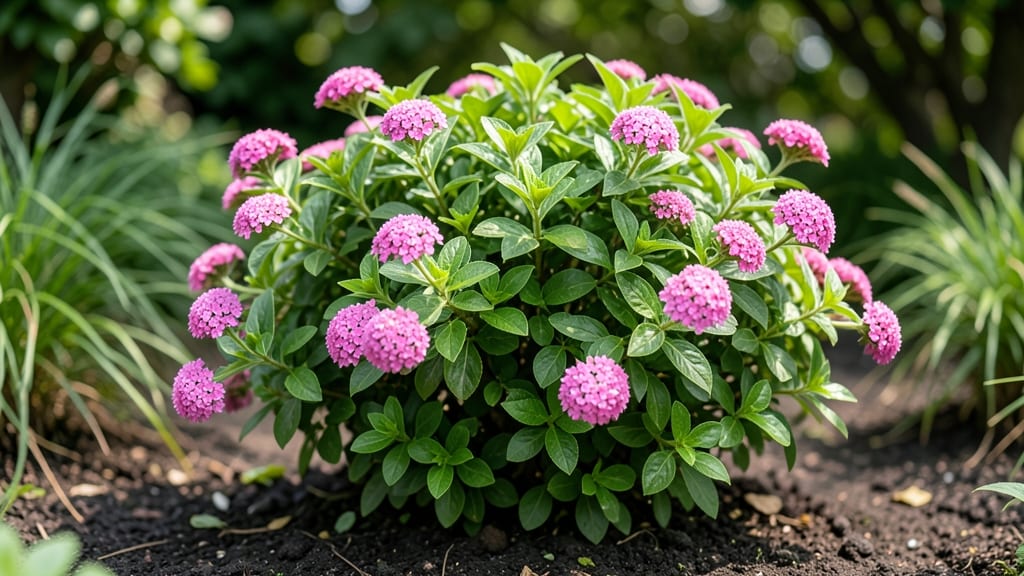
Growing spirea in shade transforms dull corners into vibrant displays. 🌿 I’ve tested varieties like Spirea japonica ‘Goldflame’ and S. betulaefolia in low-light spots, and they thrive with the right care—delivering bold foliage and delicate blooms even when sunlight is scarce.
The key? Choosing shade-tolerant types and adapting their light, soil, and water needs to match your space.
Most spirea prefer partial shade (3–6 hours of morning sun), but some varieties handle full shade—just expect slightly less flowering. Well-draining, slightly acidic soil is non-negotiable, and watering should mimic natural rainfall: deep but infrequent to avoid soggy roots.
Mulch helps retain moisture and keeps roots cool in hot shade.
Pruning in late winter or early spring keeps spirea compact and encourages fresh growth. Cut back old stems by ⅓ and shape lightly to avoid legginess.
Deadhead spent blooms to redirect energy into foliage, which stays strikingly colorful even in deep shade. The result? A shrub that outshines its sun-loving cousins.
Watch for sparse blooms in full shade—it’s normal. Boost color by fertilizing lightly in spring with balanced 10-10-10 and adding compost to the soil. For extra drama, pair shade spirea with hostas or ferns. Their layered textures create a woodland garden effect that’s low-maintenance yet high-impact.
📚 In This Guide
- What you need
- Instructions
- Tips and common mistakes
- Wrapping up and next steps
What you need
- ● Spirea shrubs: Choose shade-tolerant varieties like Spirea japonica ‘Goldflame’ or Spirea ‘Anthony Waterer’ (3–5 plants, depending on desired coverage).
- ● High-quality potting mix or garden soil: 5–10 gallons (for containers) or amend native soil with 3–5 inches of compost to improve drainage.
- ● Organic mulch: 2–3 inches of pine bark fines or shredded leaves to retain moisture and suppress weeds.
- ● Slow-release fertilizer: 10–20–10 NPK blend (1–2 tbsp per plant) or compost tea for organic growth.
- ● Garden trowel or spade: For digging holes (6–12 inches wide/deep, depending on root ball size).
- ● Pruning shears: Sharp, sterilized shears to trim dead or crowded branches.
- ● Garden gloves: Heavy-duty to protect hands from thorns (some spirea varieties have them!).
- ● Watering can or hose with nozzle: For gentle, deep watering (avoid overhead spraying).
- ○ pH test kit (optional): To check soil acidity (ideal range: 5.5–6.5 for spirea).
- ● Partial to full shade spot: Dappled sunlight (3–6 hours/day) is ideal; avoid deep, dense shade.
- ● Well-draining soil: Spirea hates soggy roots—amend clay soil with perlite or sand if needed.
- ● Moisture-retentive environment: Shade areas dry out slower, but spirea still needs 1 inch of water weekly (adjust for rain).
How to select and plant spirea for thriving shade gardens
Dark corners don't have to mean dull landscapes—spirea thrives where others fail.
🌿 Step 1: Choose the Right Spirea Variety for Low Light
Not all spirea tolerate shade equally. For partial shade (3-6 hours of light), try Goldflame Spirea or Anthony Waterer—their foliage color holds strong even with filtered sunlight. For full shade (less than 3 hours), select Bridal Wreath or Little Princess, bred specifically for darker corners. I always check the plant tag for "shade-tolerant" labels before buying.
Look for established 2-3 year old plants at nurseries—they've already developed strong root systems to handle shade's slower growth. Avoid young seedlings; their roots can't compete for nutrients in low-light conditions. If you spot leggy growth or pale leaves on nursery plants, pass them by—those signs mean the plant was already struggling.
🪴 Step 2: Prepare the Planting Site with Amended Soil
Spirea in shade needs well-draining, moist but not soggy soil. Test your site by digging a 6-inch deep hole—if water pools after 30 minutes, amend with 2-3 inches of compost mixed into the native soil. I add a 5-10-5 fertilizer at planting time to give roots an immediate nutrient boost in low-light conditions.
For heavy clay soils, mix in 1 part perlite to every 3 parts existing soil to improve aeration. The goal is soil that crumbles easily when squeezed—like a damp sponge, not concrete. Avoid fresh mulch at planting; wait 2-3 weeks before adding a 2-inch layer of shredded bark to conserve moisture.
☀️ Step 3: Plant at the Correct Depth and Stake for Support
Position the plant so the top of the root ball sits level with the surrounding soil—burying too deep suffocates roots, while planting too high leaves them exposed to drying winds. Gently loosen roots if they're circling the root ball before placing in the hole. Backfill with native soil mixed with compost, tamping lightly every 2 inches to eliminate air pockets.
Stake only if your site has strong winds—spirea in shade grows more slowly and may need support. Use 2-3 inch wide stakes placed 3 inches from the stem to avoid girdling. Water deeply immediately after planting to settle soil around roots, then let the top 1 inch dry out before watering again. This prevents root rot in shade's naturally cooler, damper conditions.
💧 Step 4: Water and Mulch for Consistent Moisture
Water deeply once weekly during the first growing season, aiming for 1-1.5 inches of moisture per week. In shade, you'll notice soil stays damp longer—check with your finger before watering. Overwatering is the #1 killer of shade-grown spirea; roots need oxygen, not a swampy environment. I use a soaker hose to deliver water slowly at the base.
Apply a 2-inch layer of mulch (shredded bark or pine needles) around the plant, keeping it 3 inches away from the stem. This mimics the forest floor's natural moisture retention. Refresh mulch annually in spring—it breaks down faster in shade where sunlight can't dry it out. The mulch also suppresses weeds, which compete aggressively for nutrients in low-light conditions.
✂️ Step 5: Prune Strategically for Year-Round Interest
Prune late winter or early spring before new growth begins. Remove 1/3 of the oldest stems at the base to encourage fresh growth from the center. For flowering spirea, cut back spent blooms immediately after they fade to promote continuous blooming. I always sterilize pruners with rubbing alcohol between cuts to prevent disease spread in shade's humid conditions.
In shade, spirea grows more slowly, so avoid heavy pruning—never remove more than 25% of the plant in one season. The goal is to maintain an open center for airflow and light penetration. After pruning, apply a balanced fertilizer (10-10-10) to support new growth. You'll see fresh, vibrant foliage within 4-6 weeks—that's your reward for patience in shade gardening.
Tips & tricks for perfect spirea in shade gardens
Here's what nobody tells you about making shade gardens thrive with spirea—these tricks make all the difference.
Variety Selection: Pay attention to the plant tag's light exposure recommendations. Some shade-tolerant varieties like Little Princess perform best in full shade (less than 3 hours of light), while others like Goldflame Spirea handle partial shade (3-6 hours) more gracefully. I've seen gardeners plant the wrong variety in deep shade only to have it struggle—always double-check that tag! The difference between thriving and struggling plants often comes down to this single selection.
Root System Inspection: When selecting your 2-3 year old plant, gently squeeze the root ball—it should feel dense and compact, not loose or brittle. Roots should extend outward from the center rather than circling tightly. I learned this the hard way after planting a leggy specimen that took months to establish. Healthy roots mean faster establishment and better shade tolerance.
Soil Amendment Strategy: For that critical 6-inch deep hole test, use a trowel to create a small vertical notch in the hole wall. After adding water, if it takes longer than 30 minutes to drain, you absolutely need to amend with compost. I've found that mixing in 1 part perlite to every 3 parts native soil works wonders for heavy clay—it creates those tiny air pockets roots crave without sacrificing moisture retention.
Pruning Precision: When removing that 1/3 of oldest stems in late winter, look for stems that are thicker at the base but have become woody and less flexible. These are the ones to remove first. I always sterilize my pruners with rubbing alcohol between cuts—this simple step prevents fungal diseases that thrive in shade's humid conditions. The reward? Fresh, vibrant foliage appearing within just 4-6 weeks.
Pro Tips for Spirea In Shade
- Here's what nobody tells you about making shade gardens thrive with spirea—these tricks make all the difference.
- Variety Selection: Pay attention to the plant tag's light exposure recommendations.
- Root System Inspection: When selecting your 2-3 year old plant, gently squeeze the root ball—it should feel dense and compact, not loose or brittle.
Frequently asked questions
Got questions about growing spirea in shade? You’re not alone! Here are some of the most common concerns—and their solutions—to help you master this versatile shrub in low-light spots.
Can spirea really thrive in full shade?
Most spirea varieties prefer partial shade (3–6 hours of sunlight), but some, like Japanese spirea (Spiraea japonica) or bridal wreath spirea (Spiraea prunifolia), tolerate full shade—especially in cooler climates. Just expect slower growth and fewer blooms compared to sunnier spots.
How long does it take for spirea to grow in shade?
Spirea in shade grows slower than in sun, but with patience, it can still establish well. Expect 1–2 years for noticeable growth, with blooms appearing in 2–3 years. Prune lightly in early spring to encourage bushier growth and more flowers.
Why isn’t my shade-grown spirea flowering?
Less sunlight = fewer blooms, but don’t worry! Focus on well-draining soil and balanced fertilizer (high in phosphorus) in early spring. Deadhead spent blooms to redirect energy to new growth. If the issue persists, try moving it to partial shade for better results.
What’s the best shade-tolerant spirea alternative?
If spirea struggles in your shade, try these low-light champions:
- Hydrangea (e.g., Oakleaf or Panicle types)
- Pieris japonica (Andromeda) – Evergreen with spring blooms
- Heuchera (Coral Bells) – Stunning foliage year-round
- Daphne – Fragrant spring flowers
How do I fix yellow leaves on my shade spirea?
Yellow leaves often signal overwatering or poor drainage. Ensure the soil is moist but not soggy—spirea hates "wet feet." Amend heavy clay soil with compost, and avoid watering at night. If yellowing persists, check for chlorosis (iron deficiency) and apply a chelated iron supplement.
Wrapping up and next steps
Growing spirea in shade is absolutely doable—and it’s your secret weapon for transforming dull, dark corners into vibrant, low-maintenance havens! 🌿 With the right variety (like Spirea japonica or Spirea thunbergii) and a few smart care tips, you’ll enjoy year-round interest without the fuss.
Whether you’re a beginner or a seasoned gardener, these shade-loving shrubs prove that beauty thrives even in the shadows.
Ready to take the next step? Start by picking your favorite spirea and snag a plant from your local nursery—then watch your garden glow! 🌟