
Shrubs
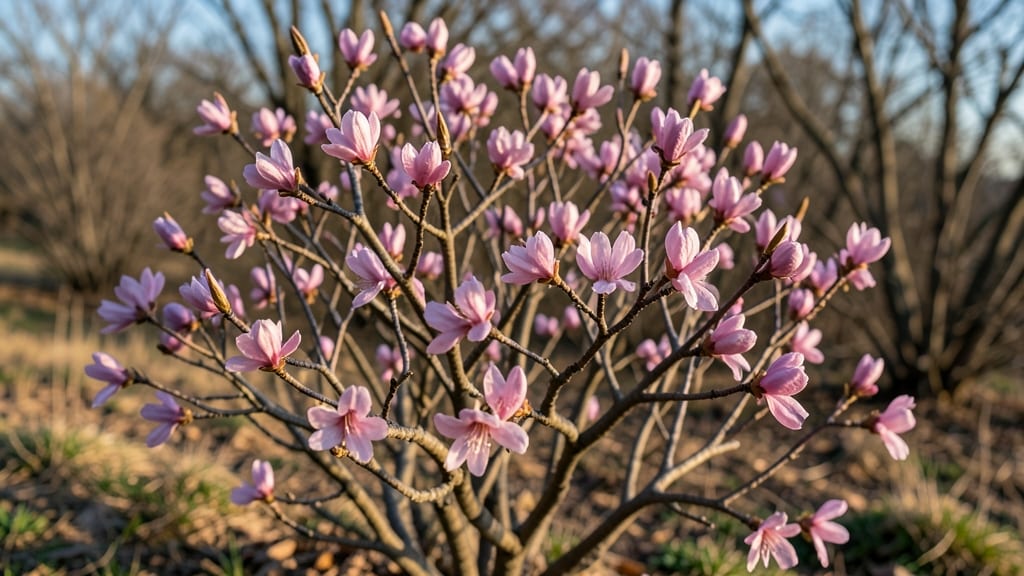
North Texas gardens face brutal summer heat and limited shade, but these 10 drought-tolerant shrubs thrive in low-light conditions while adding beauty and texture. Perfect for landscapers, homeowners, and eco-conscious gardeners seeking resilient, low-maintenance options.
Dwarf Fountain Grass for Textured Shade
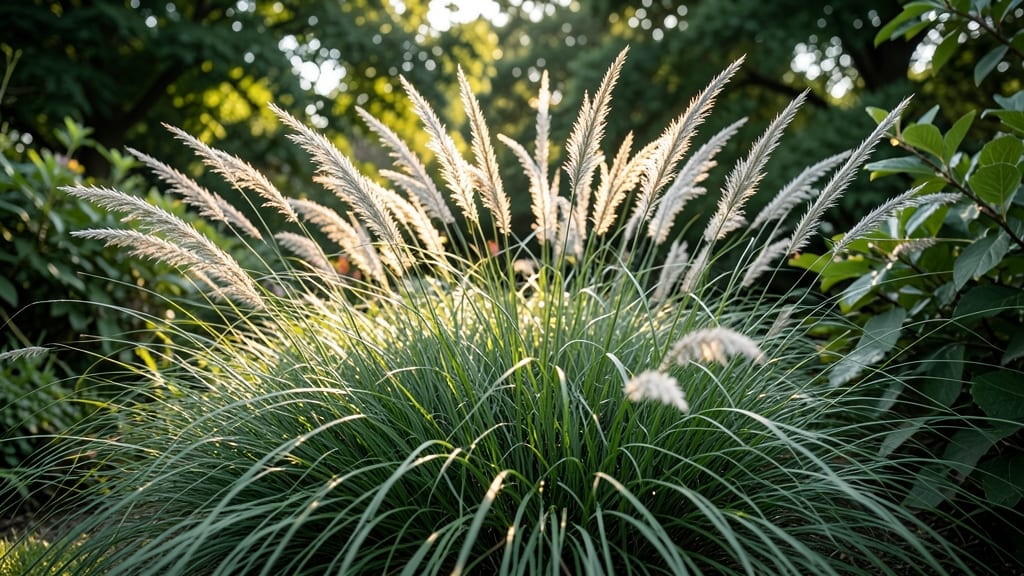
Tired of shade gardens that look flat and lifeless? Dwarf fountain grass (Pennisetum alopecuroides 'Little Bunny') brings dynamic texture and movement to shaded spots without demanding full sun. Its feathery plumes sway gently in the breeze, creating visual interest that static shrubs can’t match.
This clay-tolerant grass thrives in partial shade to full shade, making it perfect for North Texas’ heavy, compacted soils. Plant it in mixed borders alongside hostas or ferns, or tuck it into containers for patio charm. Water moderately after planting, then let its deep roots handle drought once established. The compact 18-inch height keeps it manageable for small spaces.
Urban gardeners and beginners will love how fuss-free it is—just trim back dead plumes in early spring. Its architectural form elevates any shade garden while requiring almost no maintenance. 🌱
Oakleaf Hydrangea for Seasonal Color
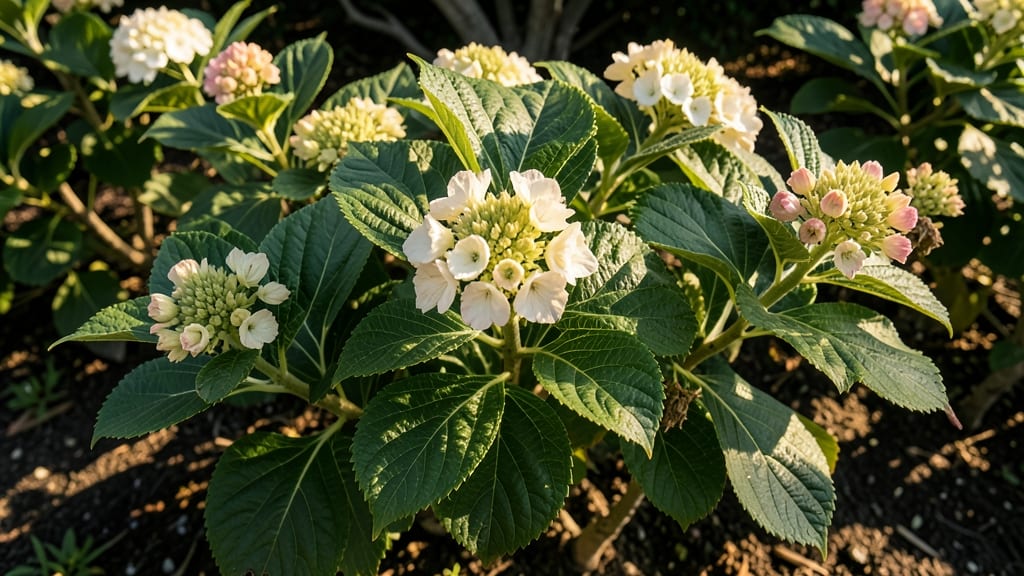
Tired of shade shrubs that only shine in one season? The oakleaf hydrangea delivers a double performance with spring and fall blooms—plus stunning foliage that keeps your garden interesting year-round.
This versatile shrub thrives in partial shade (3-6 hours of sun daily) and handles North Texas heat once established. Its large, pink or white flowers appear in spring, fade to green seed heads, then burst back into color in fall. The real showstopper? Its oak-shaped leaves that turn burgundy in winter, offering texture even when flowers fade.
Perfect for gardeners who want low-maintenance color without sacrificing structure—ideal for foundation plantings or mixed borders. 🌟
Japanese Holly for Evergreen Structure
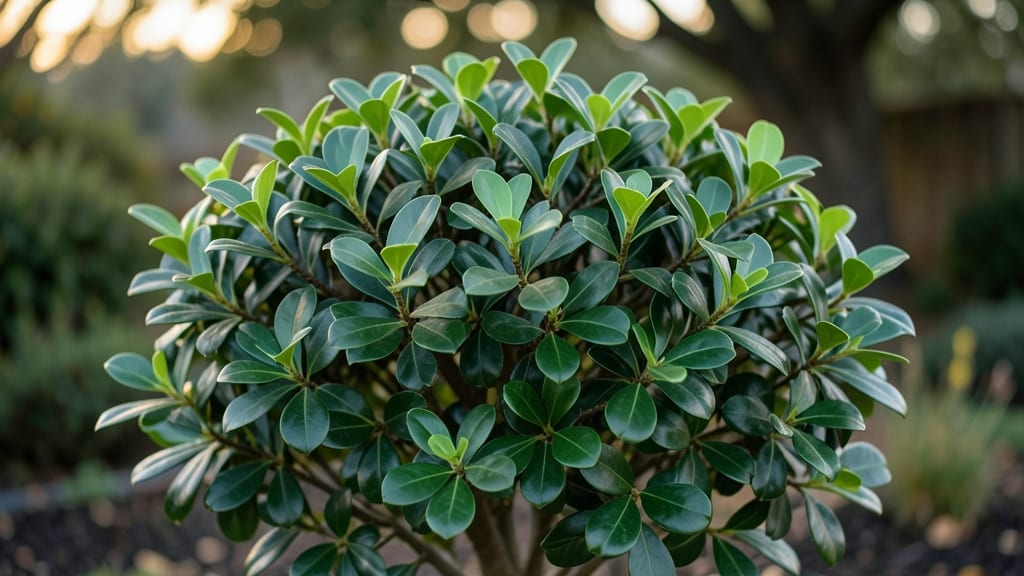
If you're craving a formal garden with clean lines and year-round structure, Japanese holly (Ilex crenata) delivers—without the fuss of traditional holly varieties. Unlike its high-maintenance cousins, this shrub thrives in North Texas heat while keeping its glossy green leaves lush in every season.
This evergreen handles partial shade to full sun, making it ideal for hedges, foundation plantings, or as a structured backdrop. The real showstopper? Clusters of bright red berries that persist through winter, offering birds a late-season feast. Prune lightly in late winter to maintain its dense, mounded shape—no harsh shearing required.
Perfect for gardeners who want low-maintenance elegance and year-round interest, Japanese holly is especially great for urban landscapes where space is limited. 🌟
Coralberry Shrub for Wildlife Appeal
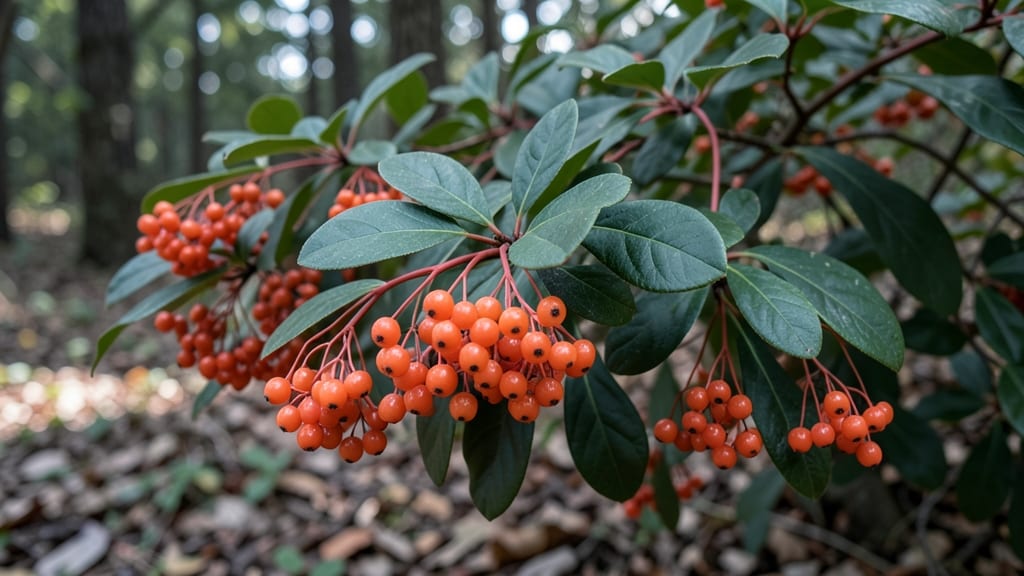
Turn your shady spots into a bird and butterfly buffet with coralberry shrub (Symphoricarpos orbiculatus), a native North Texas beauty that thrives where others struggle. This underrated shrub produces clusters of edible coral-colored berries that attract wildlife while its coral-red stems add dramatic winter interest when leaves fade.
Plant coralberry in dry shade to partial sun, making it ideal for under trees or along fences where moisture retention is poor. It handles North Texas heat and drought once established and spreads slowly to form dense, 3-5 foot wide mounds. Prune in late winter to shape and encourage new growth—just avoid cutting into old wood for berry production.
Perfect for wildlife gardeners, pollinator enthusiasts, and those seeking low-maintenance shrubs, coralberry delivers year-round interest with minimal care. 🌟
Dwarf Yaupon Holly for Low-Maintenance Privacy
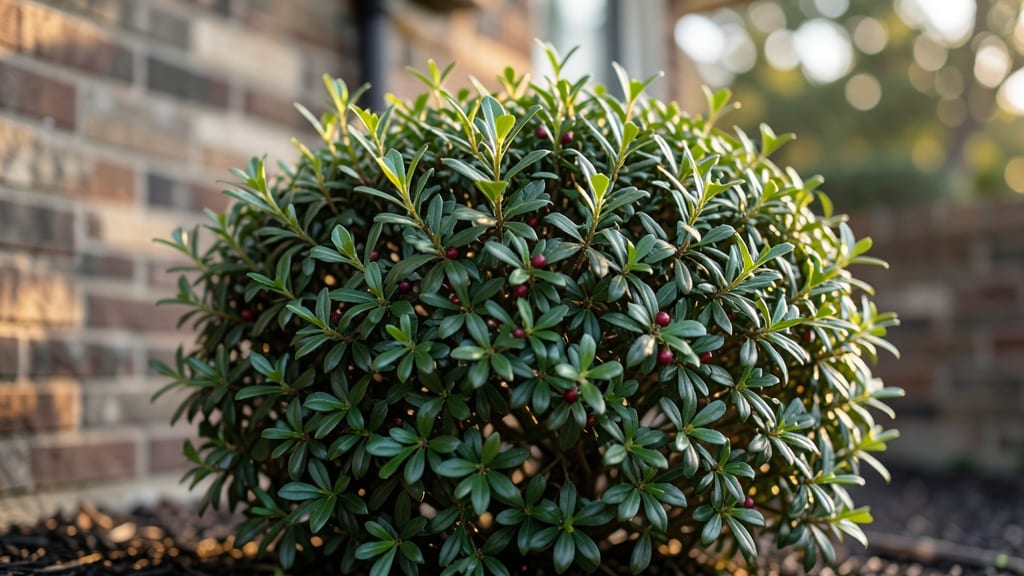
Struggling to find a privacy solution that won’t overwhelm your small yard? The dwarf yaupon holly (Ilex vomitoria 'Nana') delivers year-round screening without the bulk of traditional hedges. This compact evergreen tops out at just 3-4 feet tall, making it ideal for tight spaces, foundation plantings, or even container gardens.
What sets it apart is its dual-purpose beauty: glossy green leaves provide lush coverage, while clusters of bright red berries persist from fall through winter—adding color when most plants have faded. Once established, it thrives on neglect, tolerating drought, heat, and even alkaline North Texas soils. Simply water deeply after planting, then let its deep roots handle the rest. Prune lightly in late winter to maintain shape—no shearing required.
Perfect for urban gardeners, busy homeowners, or anyone craving low-maintenance privacy, this holly variety even supports local wildlife by providing food for birds. 🌻
Inkberry Holly for Wet or Dry Shade
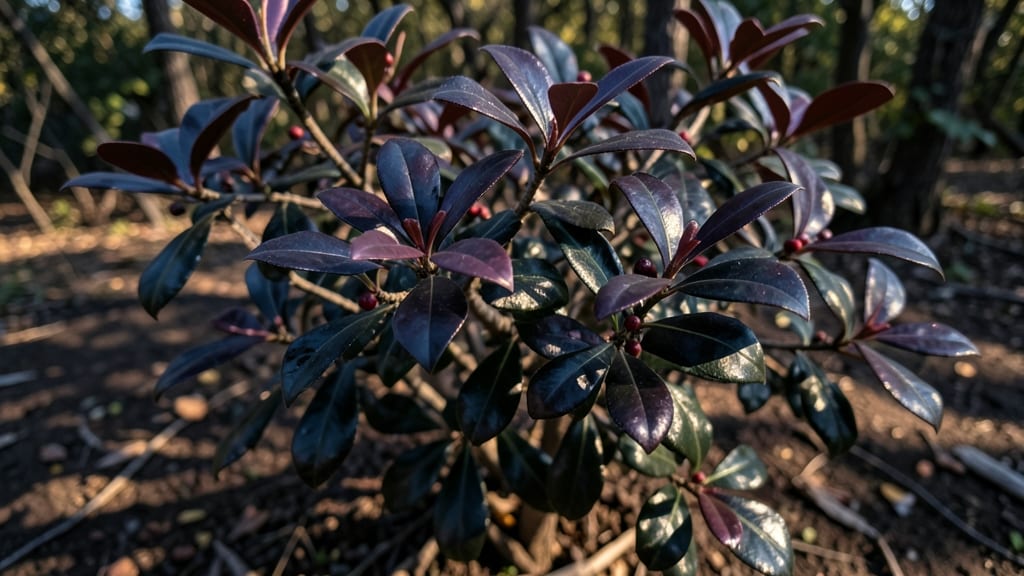
Struggling with a shady spot that stays soggy one season and bone-dry the next? The inkberry holly (Ilex glabra) is your secret weapon—this tough shrub thrives in both wet and dry shade, making it perfect for North Texas’ unpredictable moisture swings.
With its deep purple-black foliage that stays lush year-round, this evergreen creates a dense, screen-like barrier that blocks unsightly views while requiring minimal pruning. Plant it along fences, property lines, or near downspouts where other shrubs would struggle. It handles full shade to partial shade and even tolerates occasional flooding, yet won’t wilt in dry spells once established.
Landscapers and homeowners with problem areas will love how this low-maintenance shrub delivers privacy and structure without the fuss. Plus, its wildlife-friendly nature attracts birds that feast on its small, blue-black berries. 🌿
Dwarf Fothergilla for Fragrant Spring Blooms
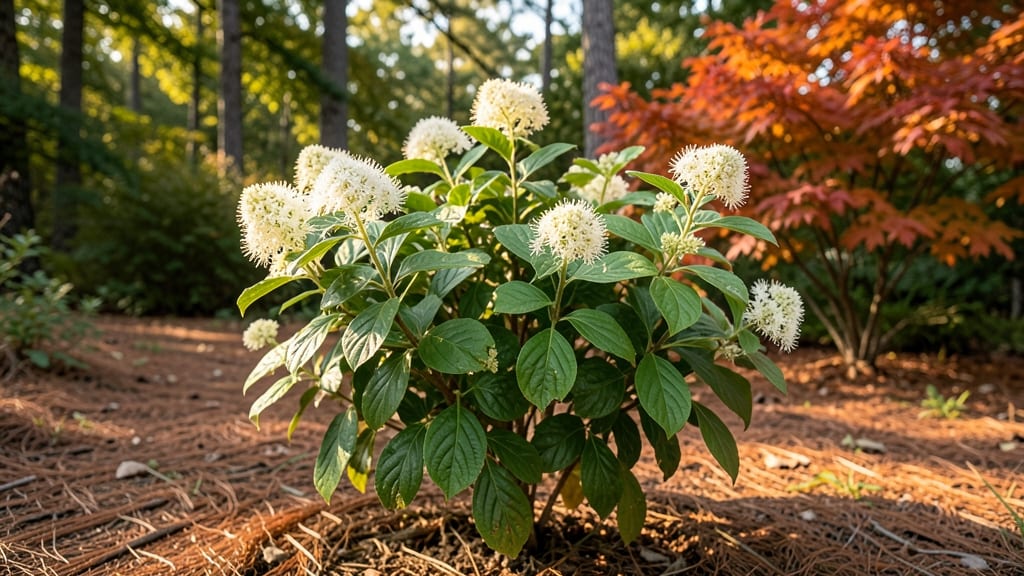
Want a shade shrub that delivers three seasons of color—without the fuss? Dwarf fothergilla (Fothergilla gardenii) is your answer, offering showy white bottlebrush blooms in spring, fragrant foliage all summer, and fiery fall hues that rival maples. Unlike many shade plants, it thrives in North Texas’ heat once established, making it a standout for low-maintenance gardens.
This compact shrub (3-4 feet tall) prefers partial to full shade and tolerates dry soil once rooted. Plant it in moist, well-drained soil with a 2-inch layer of mulch to retain moisture. The real magic happens in fall when its leaves blaze orange, red, or purple, lasting weeks longer than most shrubs. Prune lightly after flowering to shape, but avoid heavy cuts—it blooms on old wood.
Perfect for gardeners who want fragrance, color, and resilience in one package, dwarf fothergilla shines in foundation plantings or woodland gardens. Its drought tolerance and wildlife appeal (bees love the spring blooms) make it a smart choice for eco-friendly landscapes. 💚
Dwarf Nandina for Year-Round Interest
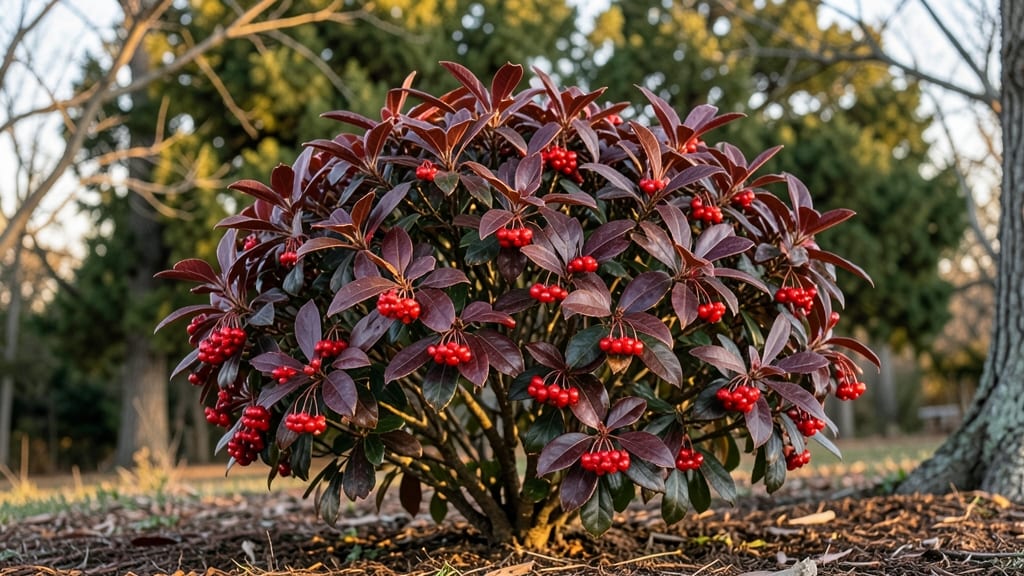
Looking for a shade shrub that stays stunning even when other plants fade into winter doldrums? Dwarf nandina (Nandina domestica 'Compacta') delivers year-round color with its deep burgundy foliage and bright red berries that persist through cold months. Unlike many shade plants that go dormant, this compact shrub keeps its structural beauty from spring through winter.
This versatile shrub thrives in dry shade to partial sun, making it perfect for North Texas' tough conditions. Its dense, mounded habit (reaching 3-4 feet tall) creates a polished look in containers or foundation plantings, while its drought tolerance means less watering once established. The berries provide winter food for birds, and the foliage turns even more vibrant in cold weather. Prune lightly in late winter to maintain its shape.
Ideal for gardeners who want low-maintenance color without sacrificing winter interest, dwarf nandina is especially great for urban spaces where shade is limited. 🌻
Dwarf Mexican Petunia for Ground Cover
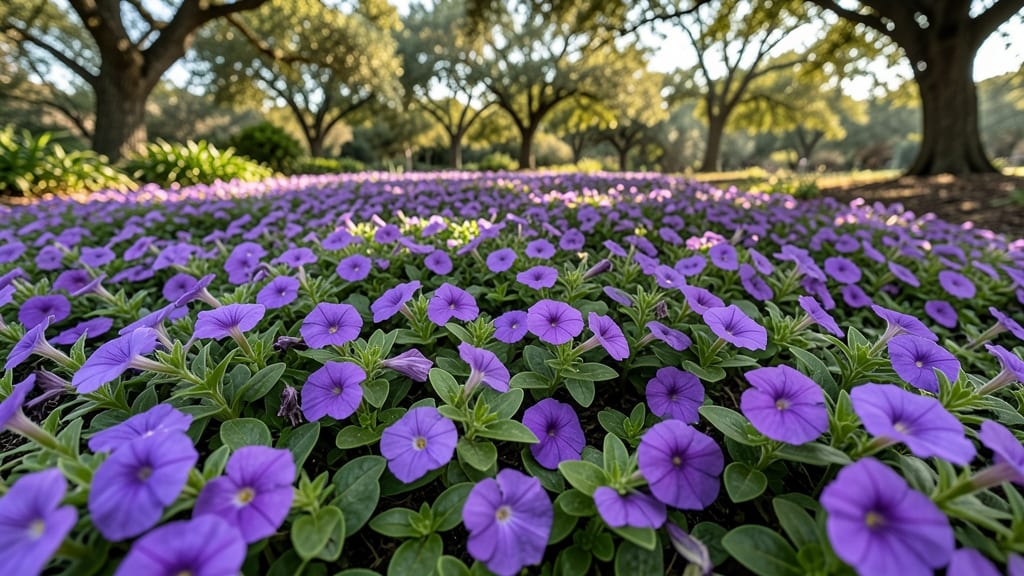
Say goodbye to patchy, bare soil in your shade garden—dwarf Mexican petunia (Ruellia brittoniana) spreads like a living carpet while delivering vibrant purple blooms year-round. Unlike traditional petunias that wilt in North Texas heat, this tough ground cover thrives in full to partial shade, making it ideal for under trees, along fences, or as a living mulch.
Its trailing habit creates a dense mat just 6-12 inches tall, suppressing weeds while protecting soil moisture. Plant it in well-draining soil and water lightly after planting—once established, it handles drought and heat with ease. The flowers attract pollinators, and its dark green foliage provides contrast to lighter shade plants. Shear back leggy stems in spring to encourage bushier growth.
Perfect for busy gardeners, urban landscapes, or anyone tired of mulch that washes away, this petunia variety delivers color without the upkeep of traditional annuals. 🌱
Dwarf Eastern Redbud for Spring Color

Want to beat the winter blues with a burst of color? The dwarf eastern redbud (Cercis canadensis 'Lavender Twist') is North Texas' secret weapon for early spring drama. Unlike most shrubs, its pink blooms erupt before leaves appear, creating a stunning show when other plants are still dormant. This native beauty thrives in dry shade once established, making it perfect for understory plantings or woodland gardens.
Reaching just 6-8 feet tall, this compact tree handles North Texas heat and drought beautifully after its first year. Plant it in well-draining soil with minimal fertilizer—it prefers neglect once settled. The heart-shaped leaves emerge after blooming, offering lush green foliage that turns golden-yellow in fall. For maximum impact, pair it with hostas or ferns to create a layered shade garden that pops in early spring.
Ideal for gardeners who want low-maintenance beauty with minimal upkeep, this redbud is especially perfect for small yards or urban landscapes where space is limited. Its early seasonal interest makes it a standout for pollinators too. 🌟