
Plants
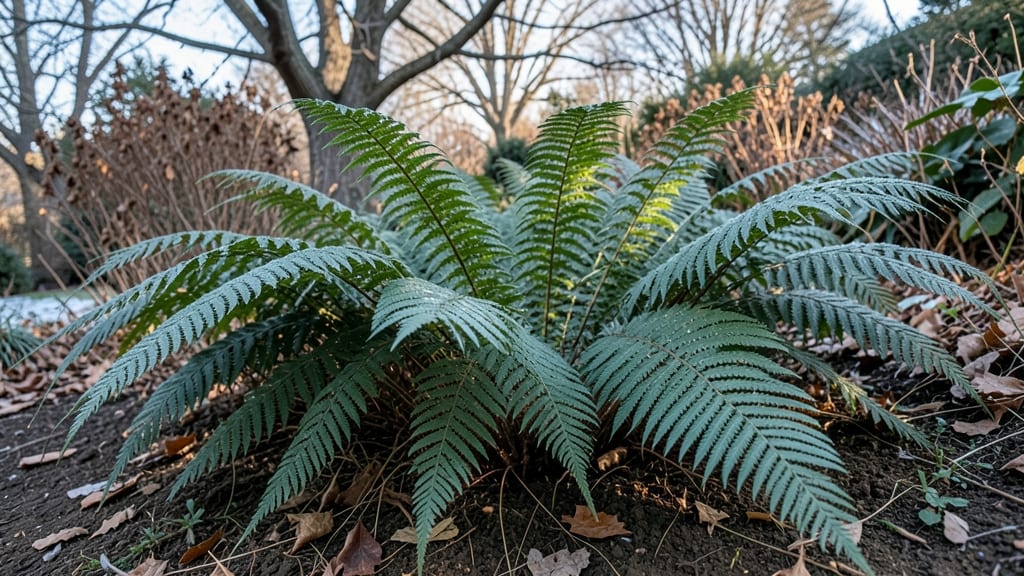
Zone 4’s short growing season and harsh winters demand shade plants that thrive without sun. These 10 cold-hardy, low-light options deliver year-round beauty, texture, and resilience—perfect for northern gardens, woodland edges, or shady patios.
Hostas for Year-Round Ground Cover
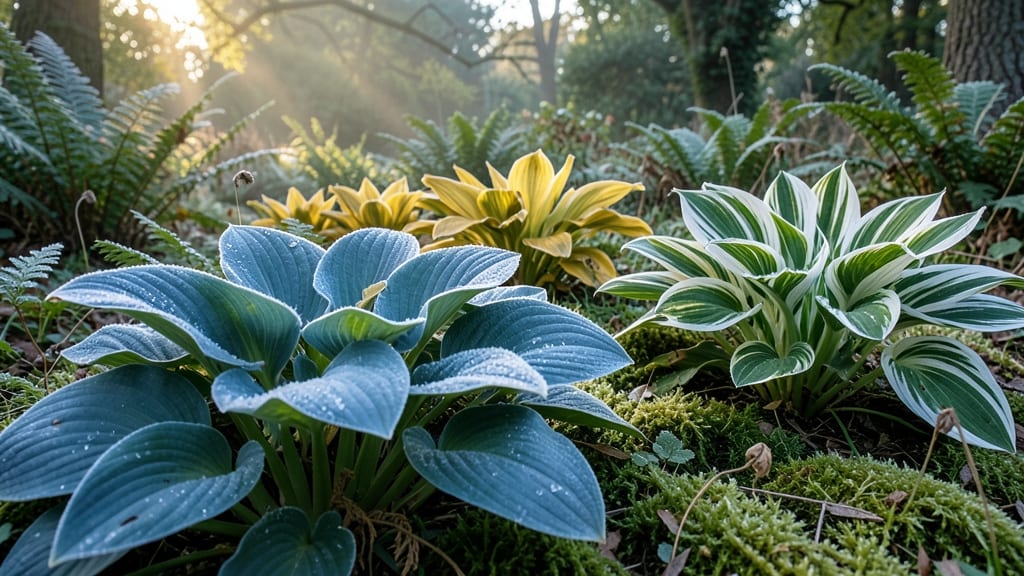
Tired of barren shade gardens after the first frost? Hostas are the ultimate Zone 4 workhorses, offering year-round foliage that stays vibrant even when temperatures drop. With over 400 varieties, you can choose from deep blue 'Blue Angel', golden 'Golden Tiara', or dramatic variegated types like 'Francee'—each with unique textures and patterns.
These perennials thrive in partial to full shade, making them perfect for woodland gardens, foundation plantings, or under large trees. Most varieties tolerate Zone 4 winters with ease, though a 3-inch mulch layer in late fall protects tender varieties. For best results, plant in well-draining soil and water consistently until established—once settled, they’re remarkably drought-tolerant.
Hostas are ideal for beginner gardeners and low-maintenance landscapes, offering instant ground cover that suppresses weeds while adding sophisticated color. Their versatility makes them a must-have for any shade garden. 🌱
Hellebores: Winter Blooms in Deep Shade
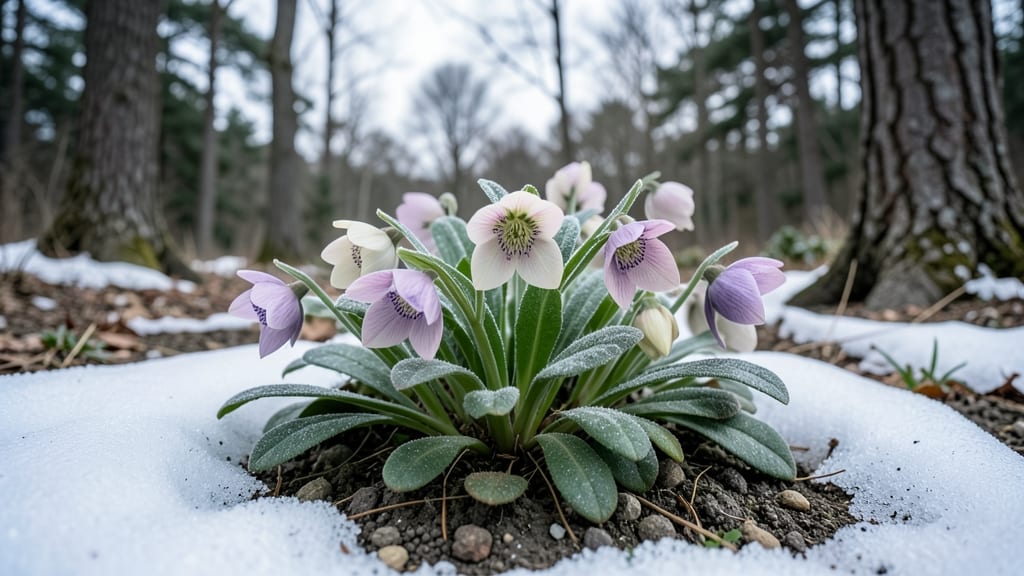
When your garden seems dormant under snow, helleborus—or Lenten roses—burst into bloom with delicate flowers that defy winter’s chill. These Zone 4 superstars thrive in dry, deep shade where hostas fade, offering early-season color when most plants are still asleep.
Plant them in well-draining soil with morning sun and afternoon shade, and they’ll reward you with late winter to early spring blooms in white, pink, or purple. Deadhead spent flowers to encourage more blooms, and mulch heavily in fall to protect roots from freeze-thaw cycles. Deer often avoid them, making them a low-maintenance choice for woodland gardens.
Perfect for gardeners who love year-round interest without fuss, hellebores are the unsung heroes of shade gardens—adding elegance when other plants are still waiting for spring. 🌷
Astilbe for Feathery Summer Color
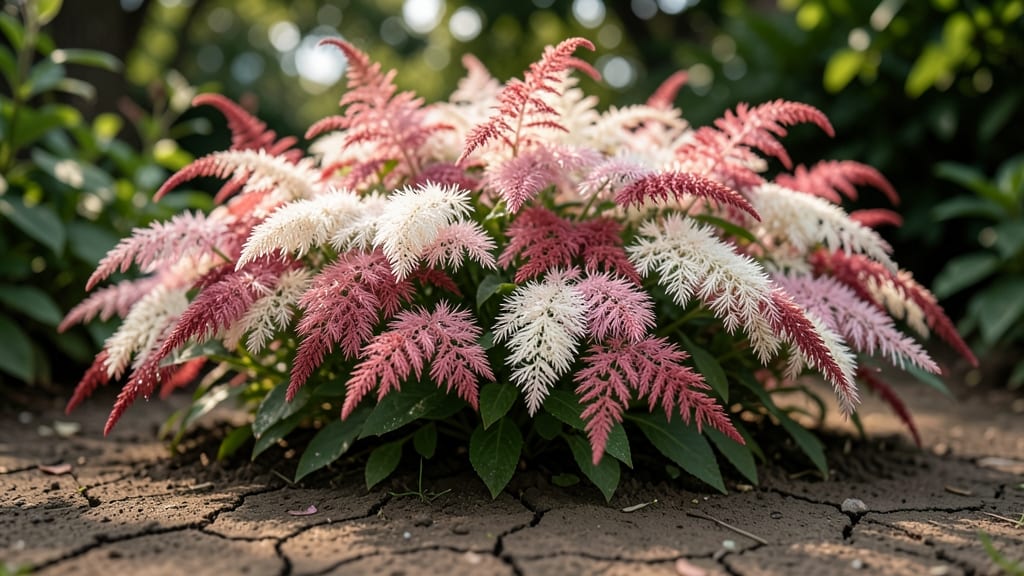
Tired of shade gardens that look flat and forgettable? Astilbe transforms dull corners into lush, textured displays with its feathery plumes in shades of pink, red, or white that dance in the breeze.
This Zone 4 superstar thrives in clay soils and partial shade, producing blooms from mid-summer to early fall that last for weeks. Its deep roots anchor it firmly, making it drought-tolerant once established—ideal for gardens with heavy or poorly draining soil. For best results, plant in moist, well-draining soil and provide afternoon shade to protect delicate foliage.
Perfect for beginners or busy gardeners, astilbe requires minimal care but delivers maximum impact. Pair it with hostas or ferns for a low-maintenance, high-reward shade garden that keeps blooming long after spring flowers fade. 🌻
Japanese Painted Fern with Bronze Foliage
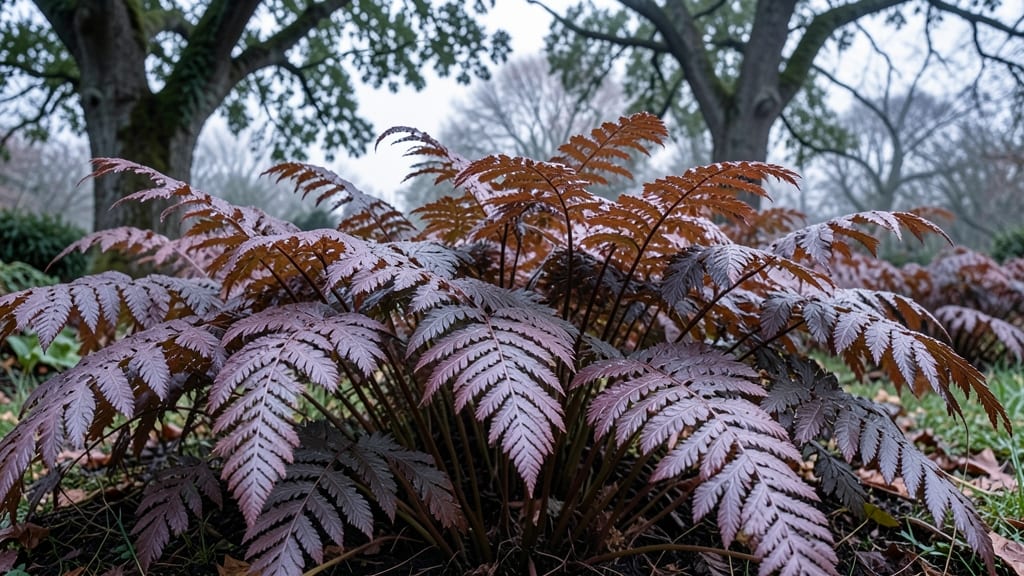
If you’re craving year-round color in your Zone 4 shade garden, the Japanese painted fern (Athyrium niponicum ‘Pictum’) delivers with its striking purple-bronze fronds that glow like autumn leaves—even in winter. Unlike many shade plants that fade in cold, this fern stays vibrant, making it a standout choice for gardeners who want drama without the fuss.
Pair it with silver or gold hostas for a jaw-dropping contrast, or let it shine alone in a woodland garden. It thrives in moist, well-draining soil and partial to full shade, and its Zone 4 hardiness means it bounces back after snowfall—no mulch required. For extra texture, mix it with ferns like Matteuccia struthiopteris or low-growing heucheras.
This fern is perfect for beginner gardeners or those with busy schedules, as it demands little care beyond occasional watering in dry spells. Its low-maintenance resilience and season-long appeal make it a quiet superstar in any shade garden. 💚
Lungwort for Medicinal and Ornamental Value
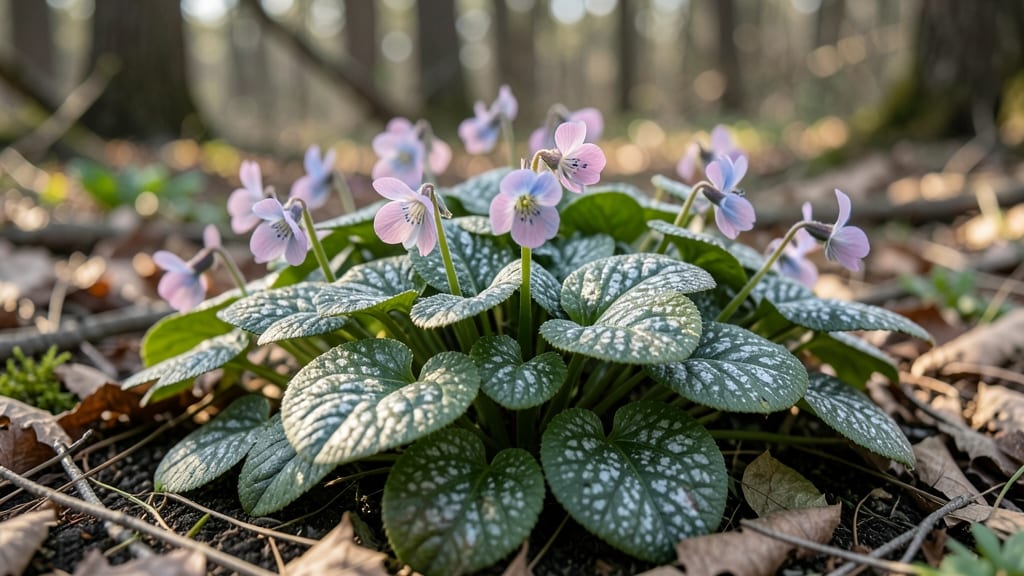
Looking for a shade plant that’s as useful as it is beautiful? Lungwort (Pulmonaria) delivers with its silver-spotted foliage and delicate early spring blooms, making it a standout for both ornamental and medicinal gardens. Unlike other shade perennials, lungwort thrives in Zone 4’s cold winters while spreading slowly into a dense, low-maintenance ground cover that suppresses weeds naturally.
This hardy perennial produces soft purple-blue flowers that transition to pink as they age, followed by striking silver-splotched leaves that add texture to shady borders. It tolerates moist to dry soil and partial to full shade, making it ideal for woodland gardens, under trees, or along north-facing walls. Plus, its traditional use in herbal medicine (as a respiratory aid) adds historical charm to your garden.
Perfect for gardeners who want year-round interest with minimal effort, lungwort is especially valuable for beginner-friendly shade gardens or pollinator-friendly landscapes. 🌱
Coral Bells with Variegated Leaves
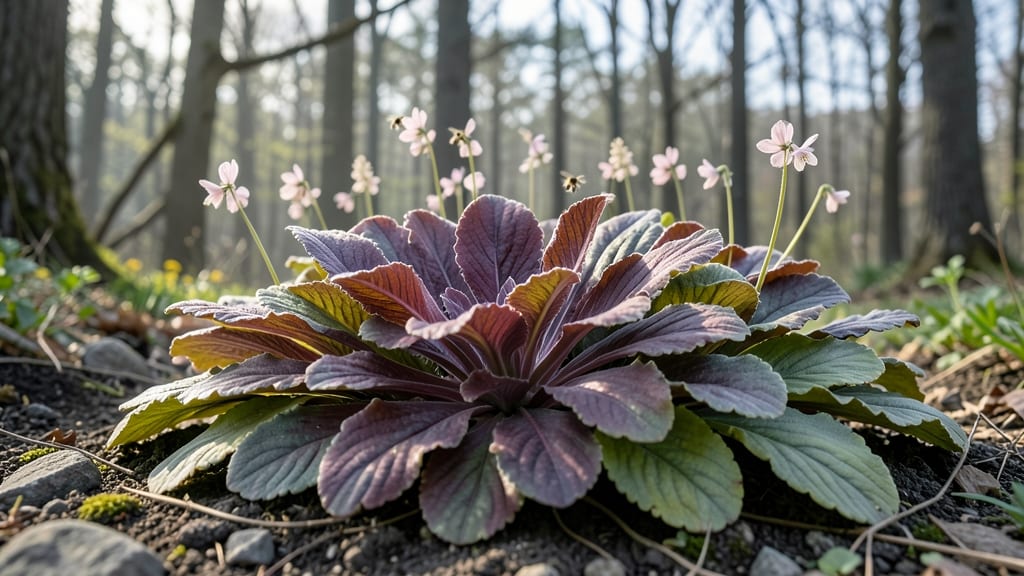
Want a shade plant that packs a punch with color and pollinator power? Coral bells (Heuchera) deliver year-round drama with foliage in purple, lime, or silver, thriving where other plants struggle—even in Zone 4’s rocky, poor soils. Their delicate spring flowers add an unexpected bonus for bees and butterflies.
These perennials love partial shade (3–6 hours of sun) and adapt to almost any soil type, making them ideal for urban gardens, containers, or rocky slopes. Choose varieties like 'Palace Purple' (deep burgundy) or 'Lime Rickey' (chartreuse) for bold contrast. Water occasionally—once established, they’re surprisingly drought-tolerant.
Perfect for gardeners who want low-maintenance color without sacrificing pollinator support, coral bells are the ultimate shade garden multitaskers. 💚
Solomon’s Seal for Graceful Arching Stems
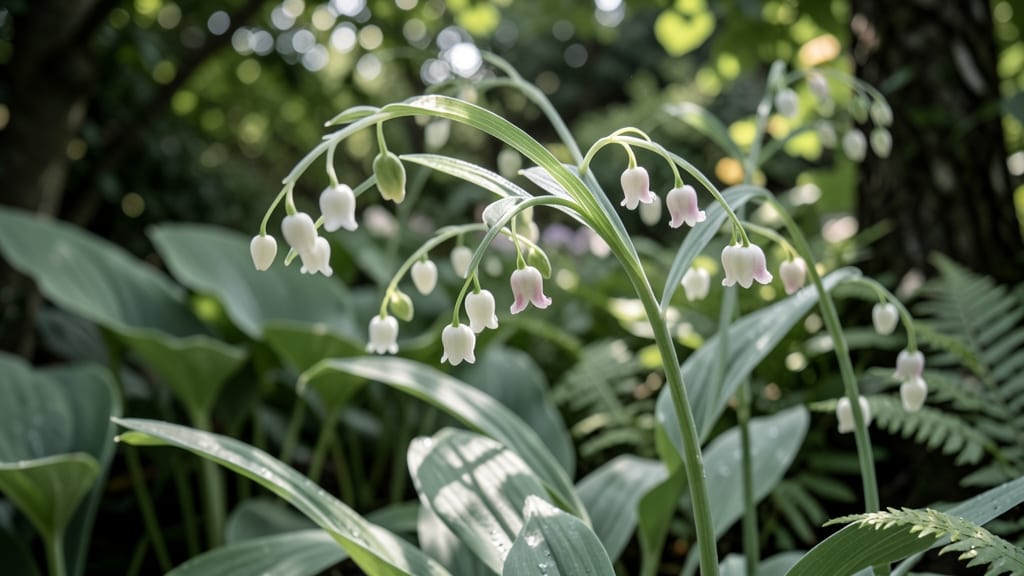
Want to add movement and elegance to your shade garden without the fuss of high-maintenance plants? Solomon’s seal (Polygonatum) delivers arching stems that sway gently in the breeze, paired with delicate white bell-shaped flowers that bloom in early summer. Unlike many shade plants, this perennial thrives in Zone 4 winters, returning reliably year after year with almost no effort.
Plant it in partial to full shade where its 3-foot-tall stems create natural vertical lines, perfect for woodland gardens or under trees. The fast-spreading rhizomes form dense colonies, suppressing weeds while adding texture. For best results, keep soil moist but well-draining—once established, it tolerates dry shade better than many perennials. Prune spent foliage in early spring to encourage fresh growth.
Ideal for low-maintenance gardeners and woodland-style plantings, Solomon’s seal pairs beautifully with hostas or ferns. Its year-round interest—even when not in bloom—makes it a standout for shade lovers who crave both beauty and resilience. 🌿
Bugbane for Late-Summer Shade Blooms
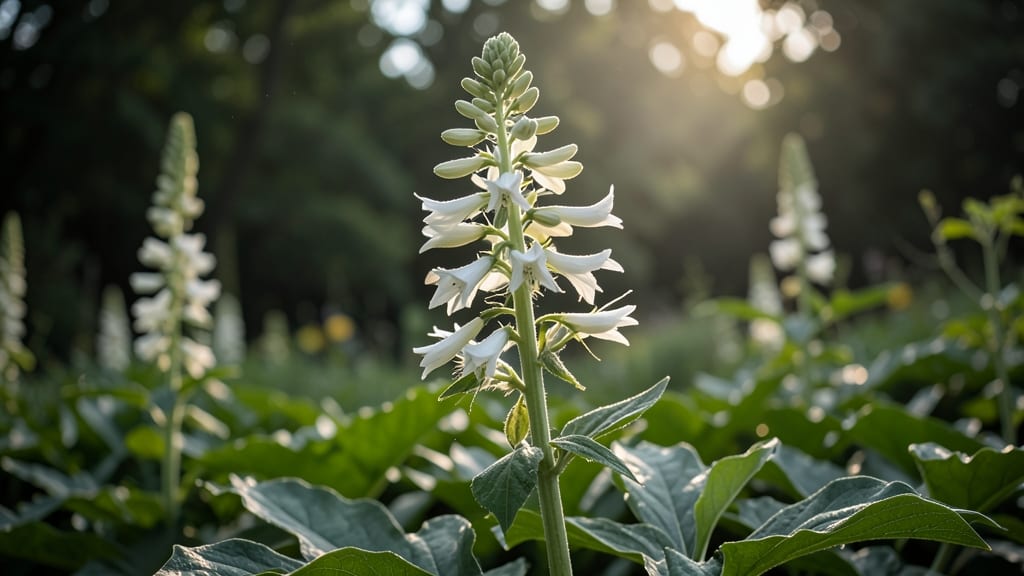
When your shade garden feels quiet after spring blooms fade, bugbane (also called snake root) steps in with dramatic late-summer height and white flower spikes that catch the eye. Unlike early-season bloomers, this Zone 4 powerhouse thrives in the humidity of summer, producing 3-5 foot tall stems that tower over other shade plants while attracting bees and butterflies.
Plant it in moist, well-draining soil with partial shade, and it’ll reward you with fragrant white flowers from July through August. The large, bold leaves provide year-round structure, while its deep roots help suppress weeds. For best results, divide clumps every 3-4 years to maintain vigor—this perennial spreads slowly but reliably, making it ideal for low-maintenance borders or woodland edges.
Bugbane is perfect for gardeners who want to extend their seasonal interest and support pollinators when most shade plants are resting. Its tall, architectural form adds vertical drama to any shady spot. 🌟
Sweet Woodruff for Fragrant Ground Cover
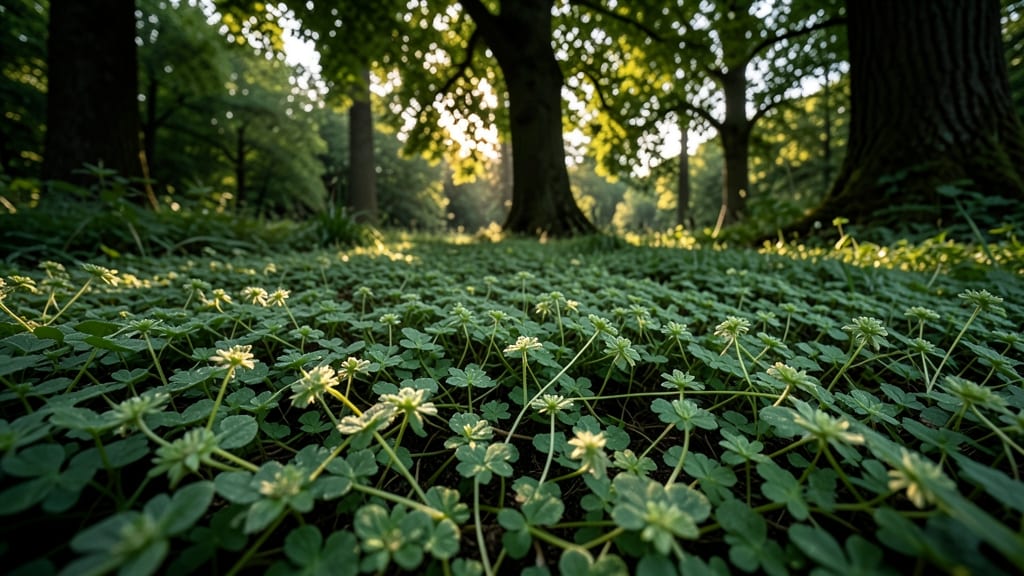
Want a shade garden that smells as sweet as it looks? Sweet woodruff (Galium odoratum) creates a fragrant, low-growing carpet that releases a vanilla-like aroma when brushed against—like nature’s own air freshener. This Zone 4-hardy perennial thrives in deep shade where other plants struggle, spreading quickly to form a lush, weed-suppressing ground cover with almost no effort.
Plant it in moist, well-draining soil under trees or along north-facing foundations, where its delicate white flower clusters appear in late spring. Unlike high-maintenance shade plants, sweet woodruff requires no fertilizing and tolerates dry shade once established—just water occasionally during droughts. Its slow-spreading habit makes it ideal for filling gaps between larger perennials without taking over.
Perfect for urban gardeners, woodland edges, or fragrant pathways, sweet woodruff adds sensory delight to shady spots. It’s also deer-resistant, making it a low-fuss, high-reward choice for busy gardeners. 💚
Christmas Fern for Evergreen Texture

Tired of winter shade gardens that look dull and lifeless? The Christmas fern (Polystichum acrostichoides) is your secret weapon—this evergreen fern stays lush and green through Zone 4 winters, providing year-round structure and texture where other plants fade. Unlike deciduous ferns that brown and die back, its arching fronds maintain their color even under snow, making it a standout for woodland gardens or shady borders.
Thriving in partial to full shade, this fern adapts to almost any soil type, from sandy to clay, and tolerates both wet and dry conditions once established. Its 3-foot height and spreading habit create a natural, layered look that pairs beautifully with hostas, hellebores, or evergreen shrubs. For best results, plant in fall or early spring and water regularly until roots establish—after that, it requires minimal care and no winter protection.
Perfect for gardeners who want low-maintenance evergreen interest, the Christmas fern is especially valuable in woodland gardens, native plantings, or as a living mulch under trees. Its resilience and winter beauty make it a quiet but reliable star in any shade garden. 🌿