
Light Requirements
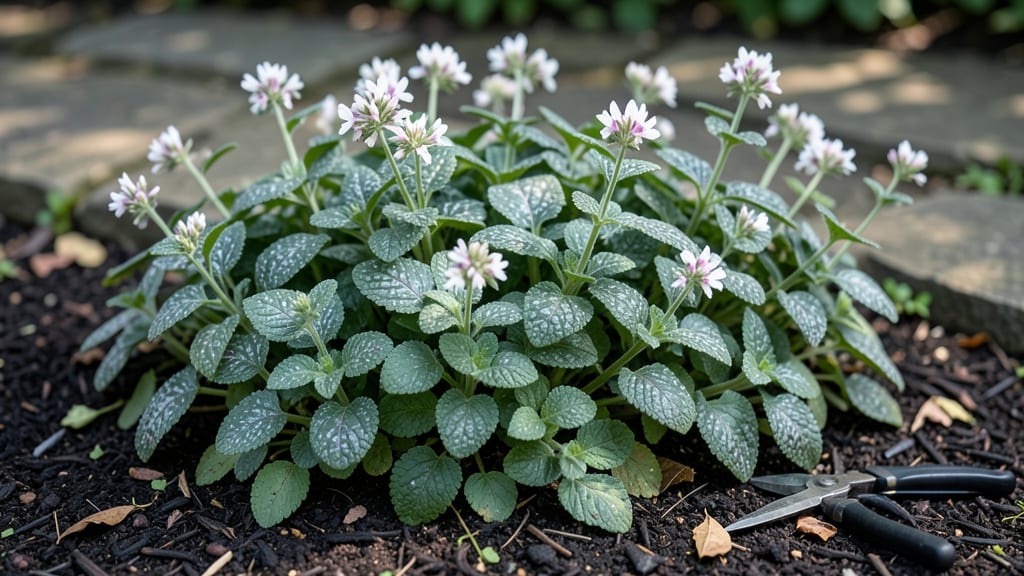
Shade-loving groundcover turns forgotten dark corners into lush, vibrant spaces that stay green all year—no matter how little sunlight they get. 🌿 I used to think my shady yard was a lost cause, but after adding a mix of ajuga, hellebore, and lamium, it’s now the envy of the neighborhood.
The secret lies in choosing plants that thrive where others fail, creating a carpet of color that blooms in spring, summer, and even winter. These hardy plants do more than just look pretty—they suppress weeds, prevent erosion, and keep soil moist.
Ajuga’s purple spikes pop against its deep green leaves, while hellebores bring early spring blooms when little else is growing. For a low-maintenance solution, lamium’s trailing foliage fills gaps beautifully, even in deep shade. The best part?
They’re all drought-tolerant once established, meaning less watering and more time enjoying your garden. By layering textures and colors—think variegated leaves, silver foliage, or deep burgundy tones—you’ll create a dynamic, ever-changing landscape that feels alive year-round.
The key is matching plants to your specific shade conditions: dappled light under trees or full shade in north-facing borders. With the right mix, your dark corners will become the standout feature of your garden.
Whether you’re covering a slope, filling a border, or just adding color to a dull spot, these shade-lovers deliver effortless beauty with minimal upkeep. Start small with one or two varieties, then expand as you see what thrives best in your space. Your garden’s shady spots will thank you!
📚 In This Guide
- What you need
- Instructions
- Tips and common mistakes
- Wrapping up and next steps
What you need
- ● Shade-tolerant groundcover plants: 10–20 plants (depending on area size) of options like Hosta, Heuchera, Lamium, Ajuga, or Soleirolia soleirolii (for full shade).
- ● Partial shade options: Sweet woodruff (Galium odoratum) or Coral bells (Heuchera).
- ● Soil amendments: 5–10 lbs of compost (per 10 sq. ft.) to improve drainage and fertility.
- ● 2–3 lbs of organic mulch (e.g., shredded bark or pine needles) to retain moisture.
- ● Garden tools: 1 garden trowel (for planting small plants).
- ● 1 hand pruners (for trimming and shaping).
- ● 1 garden rake (to level soil and remove debris).
- ● 1 watering can or hose with a gentle spray nozzle (for delicate plants).
- ○ Optional but helpful: A soil pH test kit (to check acidity/alkalinity—most shade plants prefer 6.0–7.0).
- ● Slow-release fertilizer (like 10-10-10, applied lightly at planting).
- ● Mulch fabric (if dealing with invasive weeds).
- ● A well-drained planting area (avoid soggy spots—amend clay soil with sand if needed).
- ● Knowledge of your shade level: Full shade: <6 hours of sunlight.
- ● Partial shade: 6–8 hours of sunlight.
- ● Time to prep the soil 1–2 weeks before planting (if amending).
Step-by-Step guide for planting shade-loving groundcover
Transform your shady spots into lush, low-maintenance gardens with these easy steps.
🌱 Step 1: Prepare the Soil for Planting
Start by testing your soil's moisture and drainage. Shade-loving groundcovers prefer soil that stays consistently moist but isn't waterlogged. If your soil drains too quickly, mix in 2 inches of organic compost to help retain moisture. Use a garden fork to loosen the top 6 inches of soil—this helps roots spread easily without competing with compacted earth.
For areas with heavy clay, blend in 1 part perlite or coarse sand to every 3 parts soil to improve aeration. You'll know the soil is ready when it crumbles easily between your fingers and holds moisture without becoming soggy. This preparation ensures your groundcover thrives without struggling for nutrients or water.
🪴 Step 2: Choose and Space Your Plants
Select groundcovers like heuchera (coral bells), ajuga (bugleweed), or lamium (dead nettle) for vibrant foliage and easy spread. Space plants 12-18 inches apart—closer for faster coverage, wider for slower growers. Dig holes just deep enough to accommodate the root ball, then gently place each plant so the top of the root ball sits level with the surrounding soil. This prevents water from pooling around the stems.
If planting from seed, scatter lightly over the prepared soil and press in gently—most shade-loving groundcovers don’t need deep planting. Water immediately after planting to settle the soil around the roots. You’ll see new growth within 2-3 weeks, signaling the plants have taken root successfully.
☀️ Step 3: Mulch and Water for Establishment
Spread 2-3 inches of shredded bark or leaf mulch over the soil, keeping it 2 inches away from plant stems to prevent rot. Mulch helps retain moisture, suppresses weeds, and regulates soil temperature. Water deeply once a week during the first 4-6 weeks to encourage strong root growth. After that, water only when the top 1-2 inches of soil feel dry—shade-loving plants hate soggy roots.
Adjust watering based on rainfall; in dry spells, you may need to water every 5-7 days. Avoid overhead watering, which can spread disease. Instead, use a soaker hose or drip irrigation to deliver water directly to the soil. This method keeps foliage dry while ensuring roots get the moisture they need.
✂️ Step 4: Maintain and Encourage Spread
Once established, shade-loving groundcovers need minimal care. Remove any weeds that pop up by hand—avoid herbicides, which can harm your plants. In early spring, trim back any leggy or overgrown stems to encourage bushier growth. Use clean, sharp pruners to cut just above a leaf node, where new growth will emerge.
If your groundcover starts to thin, divide clumps in early spring or fall by digging up sections and replanting them elsewhere. This keeps the area dense and vibrant. Most shade-lovers spread slowly but steadily, so you’ll see full coverage in 2-3 seasons with minimal effort.
🌿 Step 5: Monitor for Pests and Adjust Care
Check plants occasionally for pests like slugs or aphids, common in shady, moist areas. Handpick slugs at night or use beer traps (bury a shallow container filled with beer) to deter them. For aphids, spray with a soapy water solution (1 tsp mild soap per quart of water) to dislodge them without harming your plants.
If leaves start yellowing, it’s often a sign of overwatering or poor drainage. Adjust your watering schedule or amend the soil with more compost to improve structure. With the right care, your shade-loving groundcover will provide year-round color and texture with almost no upkeep.
Tips & tricks for perfect shade-loving groundcover planting
Here's what I learned after years of transforming shady garden spots into vibrant, low-maintenance landscapes.
Soil Prep Secret: When loosening that top 6 inches of soil in Step 1, focus on breaking up any large clumps with your garden fork rather than turning it over. This preserves the natural soil structure while improving drainage. I've found that adding a handful of worm castings along with the 2 inches of compost gives plants an extra nutrient boost right from the start. The key is to work the amendments into the top 4-5 inches where most roots will grow.
Plant Selection Tip: For faster coverage, pair heuchera (coral bells) with ajuga (bugleweed) - they complement each other beautifully. The ajuga spreads quickly to fill gaps while the heuchera adds striking foliage color. When spacing in Step 2, remember that plants will spread about 1/3 of their mature width each year. So if you want full coverage in 2 seasons, space them 12 inches apart rather than 18 inches.
Watering Wisdom: During those critical first 4-6 weeks in Step 3, I've found it helpful to water in the early morning rather than evening. This gives plants time to dry out slightly before nightfall, reducing the risk of fungal diseases. For large areas, consider using a soaker hose on a timer set for 20-30 minutes daily - this ensures consistent moisture without the risk of overwatering that comes with overhead sprinklers.
Pest Prevention: The beer trap method for slugs in Step 5 works wonders, but here's a bonus tip: place a thin layer of coarse sand or diatomaceous earth around plant stems as a physical barrier. This creates an uncomfortable surface for slugs to cross while still allowing water and air to reach the roots. I've seen slug populations drop dramatically after just a few days of this simple barrier.
Pro Tips for Shade Loving Groundcover
- Here's what I learned after years of transforming shady garden spots into vibrant, low-maintenance landscapes.
- Soil Prep Secret: When loosening that top 6 inches of soil in Step 1, focus on breaking up any large clumps with your garden fork rather than turning it over.
- Plant Selection Tip: For faster coverage, pair heuchera (coral bells) with ajuga (bugleweed) - they complement each other beautifully.
Frequently asked questions
Got questions about shade-loving groundcovers?
You’re not alone! Here are some of the most common queries—plus quick, actionable answers to help you pick, plant, and maintain the perfect low-light solution for your space.
What are the best shade-loving groundcovers for full shade (less than 3 hours of sunlight)?
For deep shade, opt for Hosta, Lungwort, or Sweet Woodruff. These thrive with minimal light and offer lush foliage or delicate blooms. If you need year-round coverage, Creeping Phlox or Ajuga (bugleweed) are excellent choices—they handle shade and spread reliably.
When is the best time to plant shade groundcover?
Plant in early spring or early fall when soil is moist but not frozen. Avoid summer heatwaves or winter freezes, which can stress young plants. If planting in containers, you can extend the window slightly, but always water thoroughly after transplanting to reduce shock.
How often should I water shade groundcovers?
Water deeply 1–2 times per week during the first growing season to encourage root growth. Once established, most shade-loving groundcovers are drought-tolerant but appreciate consistent moisture in extreme heat. Pro tip: Mulch with 2–3 inches of organic matter (like shredded leaves or bark) to retain soil moisture and suppress weeds.
What pests or diseases should I watch for in shade groundcovers?
Common issues include slugs (especially on Hostas), powdery mildew (in humid conditions), and leaf spot. Prevent slugs with beer traps or diatomaceous earth, and improve airflow to reduce fungal diseases. If you spot yellowing leaves, check for overwatering or poor drainage—shade plants hate soggy roots!
Can I use shade groundcover under trees with shallow roots?
Choose non-invasive options like Creeping Jenny or Alum Root, which won’t compete aggressively with tree roots. Avoid aggressive spreaders like Mondo Grass if roots are close to the surface. Always test soil moisture—shallow-rooted trees need groundcovers that won’t dry out the soil.
Wrapping up and next steps
Transforming those tricky, shady spots into lush, vibrant gardens is easier than you think! With the right shade-loving groundcover, you can enjoy year-round color, reduce weeds, and boost curb appeal—all while keeping maintenance light.
Whether you’re drawn to the bold foliage of Heuchera, the delicate blooms of Lamium, or the hardy resilience of Ajuga, there’s a perfect fit for your space.
Ready to take the next step? Start small—pick one or two varieties to test in a shady patch, then expand as you find what thrives best. Happy planting! 🌿✨