
Light Requirements
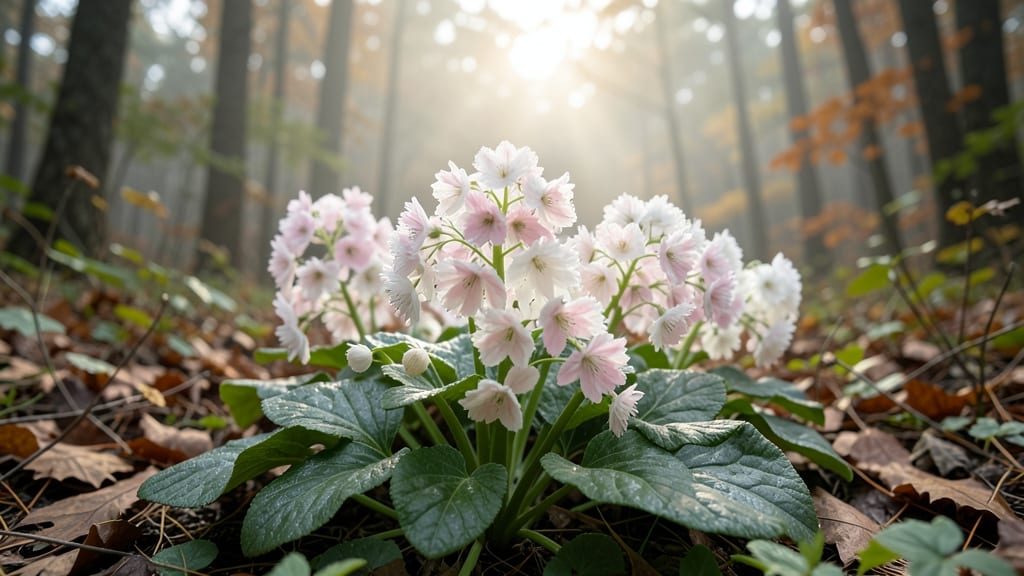
Fall gardens don’t have to fade with shorter days—these 10 shade-tolerant flowers thrive in low light while extending your seasonal color palette. Perfect for woodland gardens, north-facing yards, or under trees, they offer bold blooms and easy care when other plants retreat.
Japanese Anemone for Late-Season Drama
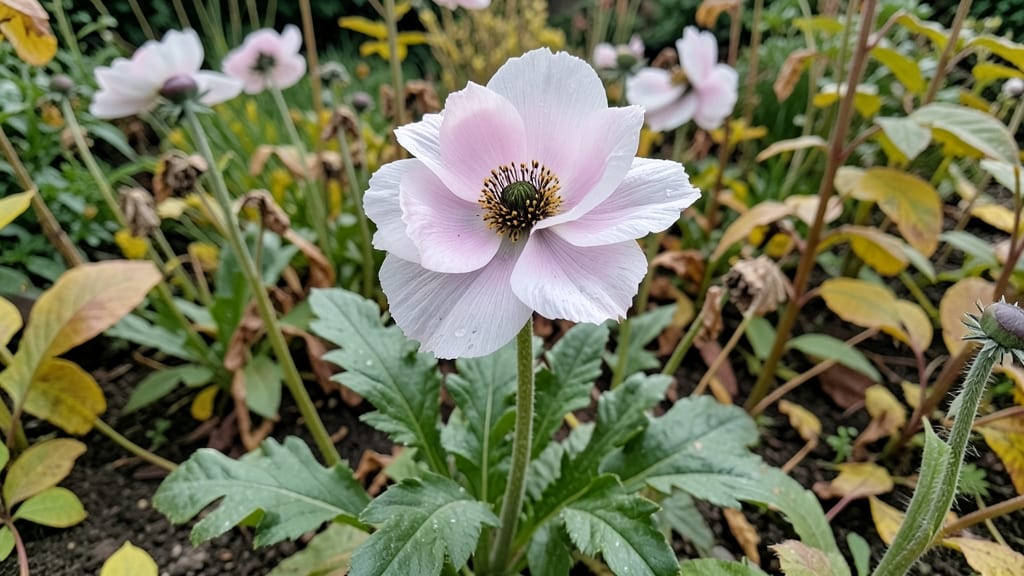
When most gardens are winding down by September, Japanese anemone (Anemone × hybrida) bursts onto the scene with soft pink or white blooms that dance in the breeze. This shade-loving perennial thrives where others fade, offering a dramatic finale to your seasonal display while attracting bees and butterflies.
Plant Japanese anemone in moist, well-draining soil under trees or in woodland borders, where it flourishes in deep shade to partial sun. Its fern-like foliage stays lush all season, and its blooms appear from late summer through October, long after other flowers have retired. Deadhead spent blooms to encourage more flowers, and mulch annually to retain moisture.
Perfect for gardeners who want low-maintenance drama, this plant pairs beautifully with hostas and ferns. Its tall, airy stems add height to shady borders without competing with sunlight. 🌻
Hosta Varieties with Seasonal Interest
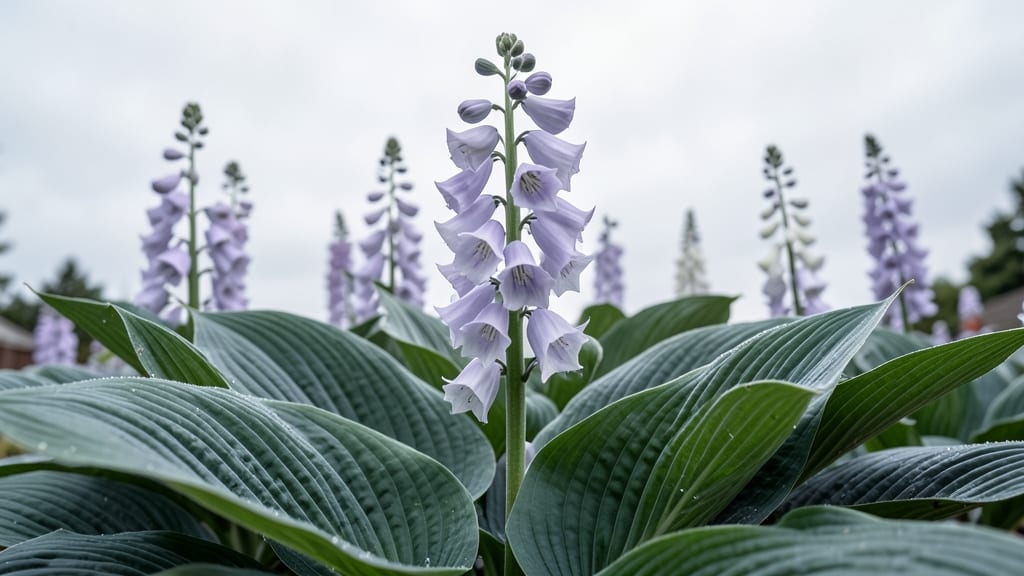
If you thought hostas were just about lush foliage, think again—some varieties like Hosta 'Halcyon' or 'Royal Standard' surprise with delicate lavender or white blooms in late summer. These flowers rise above the ribbed, textured leaves, creating a stunning vertical display that lasts for weeks.
These shade-loving beauties thrive in full shade to partial sun and prefer consistently moist, well-draining soil. Their year-round interest comes from both their striking foliage and seasonal blooms, making them perfect for gardeners who want low-maintenance plants with multiple seasons of appeal. Plus, their ribbed leaves add architectural texture even when flowers fade.
Urban gardeners and woodland enthusiasts will love how these hostas fill shady spots with color and structure, while their deer-resistant nature makes them a practical choice. 🌿
Bleeding Heart for Elegant Arching Blooms
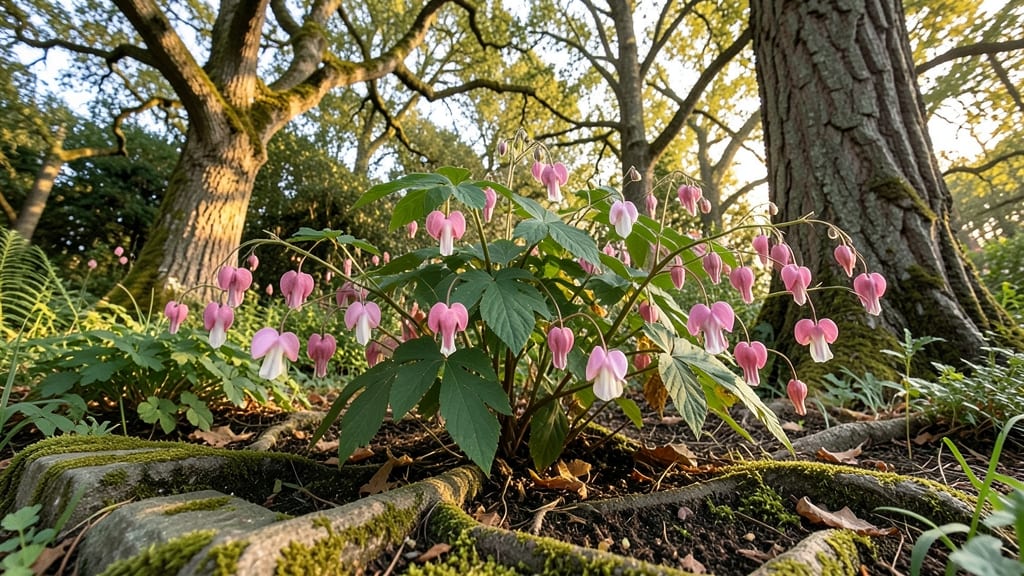
Want a self-sustaining shade garden that blooms reliably without fuss? Bleeding heart (Dicentra spectabilis) delivers heart-shaped pink or white flowers from late summer through fall, thriving where other plants struggle—even in dry shade under trees or on north-facing borders.
This cottage garden classic tolerates poor soil and self-seeds naturally, creating clusters of arching blooms year after year. Plant in partial to full shade with well-draining soil, and water moderately—once established, it handles drought better than many shade lovers. Deadhead spent blooms to encourage more flowers, but leave some seed pods for next season's surprises.
Perfect for beginners or busy gardeners, bleeding heart adds romantic charm with minimal effort. Pair it with ferns or hostas for a lush, low-maintenance woodland retreat. 🌷
Heuchera Coral Bells for Colorful Foliage
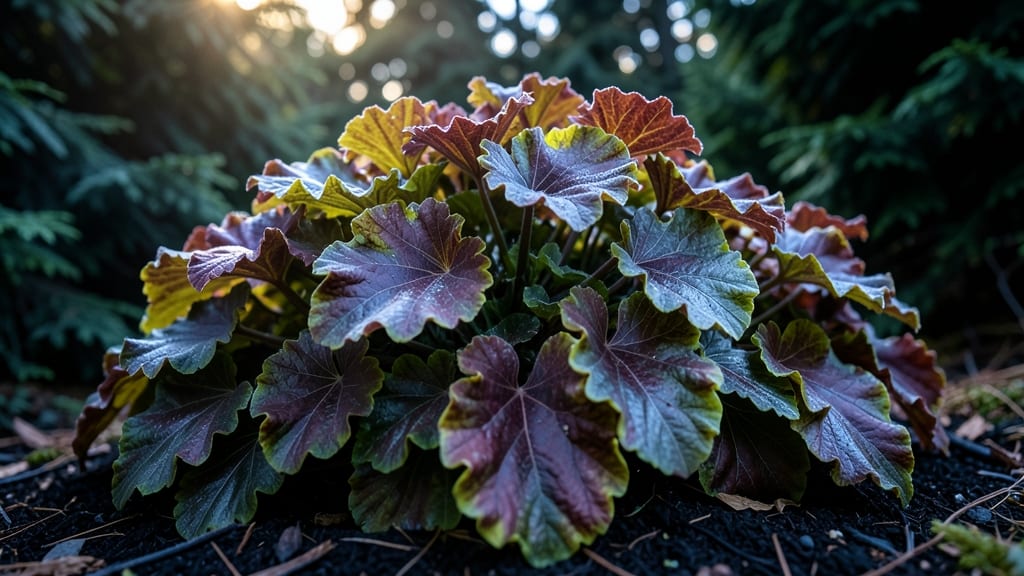
Skip the traditional fall flowers—Heuchera Coral Bells steals the show with its vibrant foliage that burns brighter as temperatures drop. While most shade plants fade in autumn, this perennial’s burgundy, silver, or lime leaves glow like a neon sign, creating a striking contrast against darkening borders.
Plant Heuchera in partial to full shade, where its textured leaves (some even have ruffled edges!) pair perfectly with delicate white or pink blooms that appear in late spring. It thrives in well-draining soil and tolerates drought once established, making it ideal for containers or low-maintenance borders. Choose compact varieties like 'Palace Purple' for edging or taller types like 'Lime Rickey' for dramatic foliage impact.
Urban gardeners and small-space planners will love how Heuchera adds color without taking up room—its compact size fits snugly in window boxes or between stepping stones. Plus, deer and rabbits usually leave it alone, so you won’t need extra protection. 🌿
Toad Lily for Unique Spidery Blooms
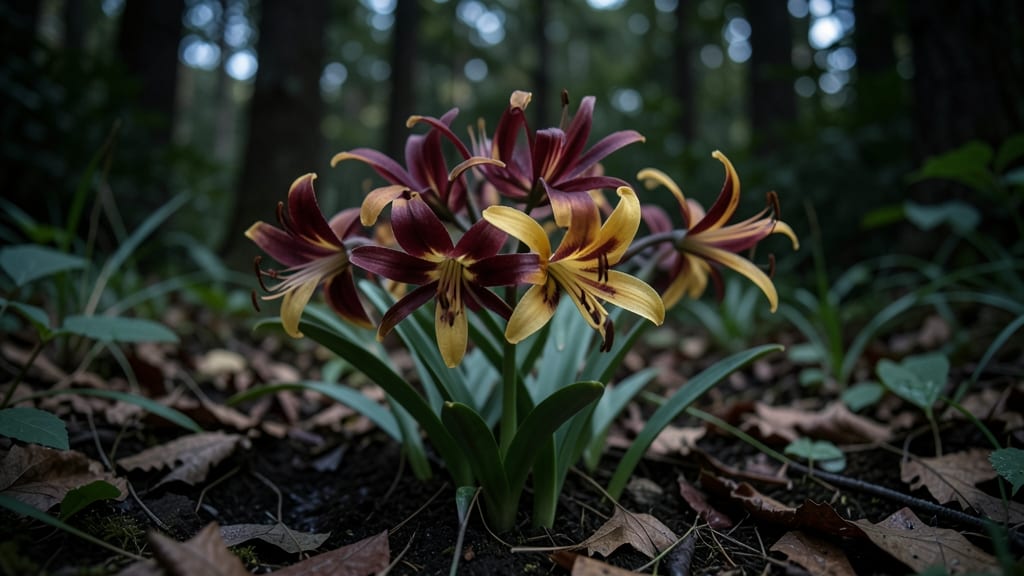
If your shade garden feels flat after summer blooms fade, toad lily (Tricyrtis) delivers a dramatic late-season surprise with its spidery maroon or yellow flowers that emerge in August and September. Unlike typical fall blooms, these unique flowers thrive in the deepest shade—perfect for understory planting where sunlight barely reaches.
This woodland native grows 2-3 feet tall, making it ideal for adding vertical interest to shady borders. Its sword-like foliage stays lush year-round, while the flowers attract hummingbirds and butterflies. For best results, plant in moist, well-draining soil and mulch heavily to retain moisture—it tolerates dry shade once established but flourishes with consistent dampness.
Gardeners with woodland gardens or north-facing beds will love how toad lily bridges the gap between summer and fall color. It’s also a standout in container gardens for those with limited space but wants dramatic late-season blooms. 🌻
Astilbe for Feathery Fall Color
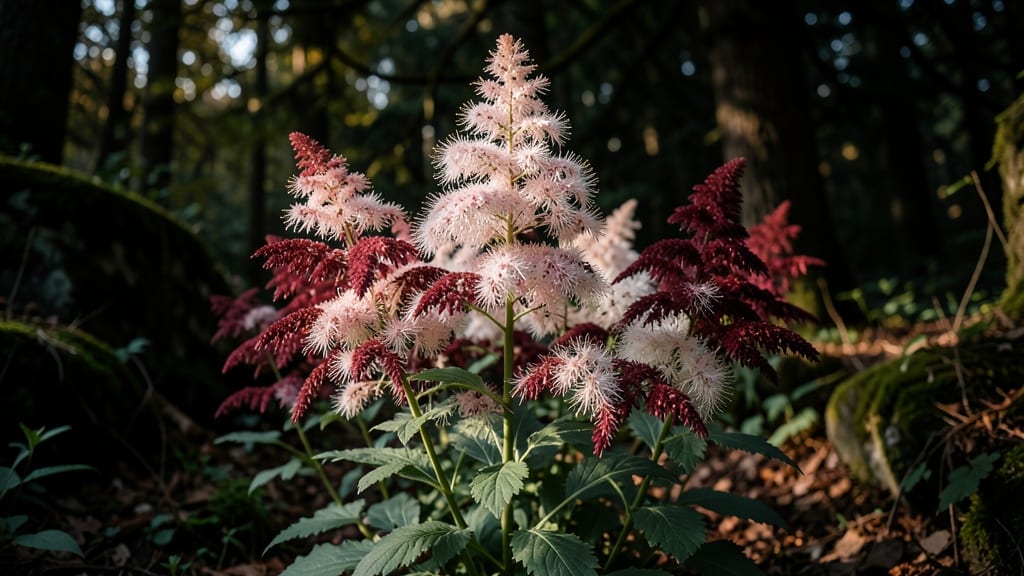
If you’ve ever struggled to find shade-loving plants that still deliver fall color, astilbe is your answer. These feathery plumes in soft pink, white, or red bloom from late summer straight through autumn, creating a dreamy, cloud-like display that brightens even the darkest corners of your garden.
What makes astilbe truly versatile is its ability to thrive in both wet and dry shade, making it perfect for mass planting under trees or near ponds. Choose from dwarf varieties (12–18 inches) for borders or taller types (2–3 feet) as dramatic accents. Deadhead spent blooms to encourage more flowers, and divide clumps every 3–4 years to keep them vigorous. 🌻
Lungwort for Medicinal Beauty
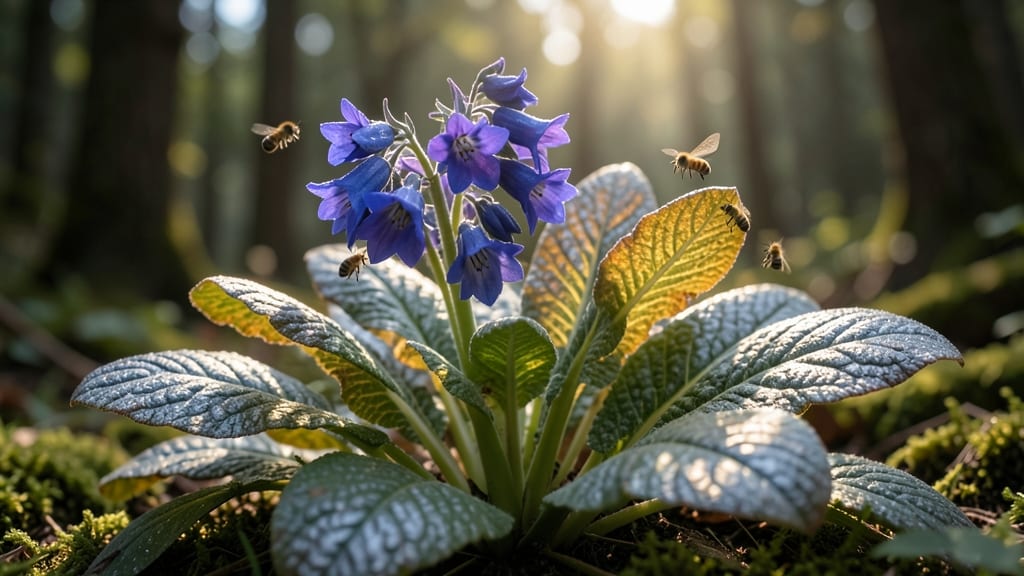
Looking for a shade-loving perennial that doubles as both a beauty and a medicinal powerhouse? Lungwort (Pulmonaria) delivers with its striking silver-spotted leaves that transform into golden hues in autumn, paired with blue or purple flowers that buzz with pollinators like bees. This versatile plant thrives where others struggle, making it a standout for shady perennial beds and medicinal herb gardens alike.
Plant lungwort in partial to full shade, where its moisture-retentive soil preferences align perfectly with woodland gardens or understory conditions. The textured foliage stays lush year-round, while its spring-to-early summer blooms attract beneficial insects. For medicinal use, the leaves contain compounds traditionally used for respiratory health—just harvest sustainably to avoid damaging the plant. Mulch annually to protect roots and encourage more vibrant foliage.
Herb gardeners and cottage-style enthusiasts will adore how lungwort adds both functional and ornamental value, while its deer-resistant nature makes it a low-stress choice. 💚
Columbine for Vertical Fall Interest
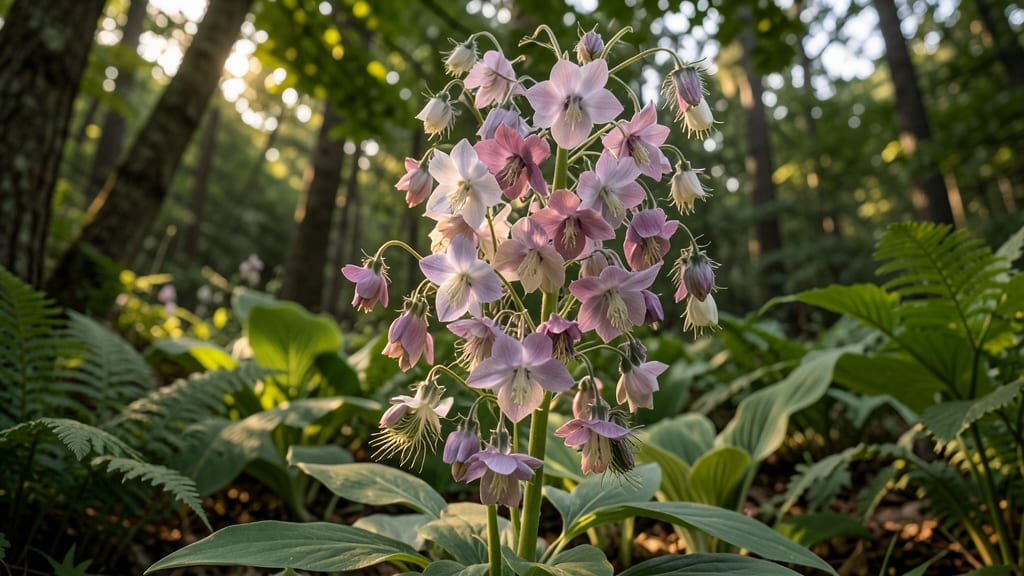
Looking for a shade-loving plant that adds vertical drama without stealing sunlight? Columbine (Aquilegia) delivers with its delicate, nodding blooms in pink, purple, or white, dangling like nature’s chandeliers from late summer through fall. Unlike many shade plants, columbine thrives in partial shade and even tolerates dry conditions once established, making it ideal for understory planting or shady borders.
This self-seeding perennial multiplies effortlessly, creating natural clusters over time—just snip back spent blooms to control spread if desired. Plant seeds or young plants in well-draining soil with afternoon shade, and watch as its airy stems (18–36 inches tall) add height and whimsy to your garden. Columbine’s hummingbird-friendly flowers also attract bees, turning your shade garden into a pollinator haven.
Perfect for woodland gardeners or those with limited sun, columbine pairs beautifully with ferns and hostas while requiring minimal care. Its versatile colors and reliable blooming make it a standout for adding late-season interest with almost no effort. 🌷
Sweet Woodruff for Fragrant Ground Cover
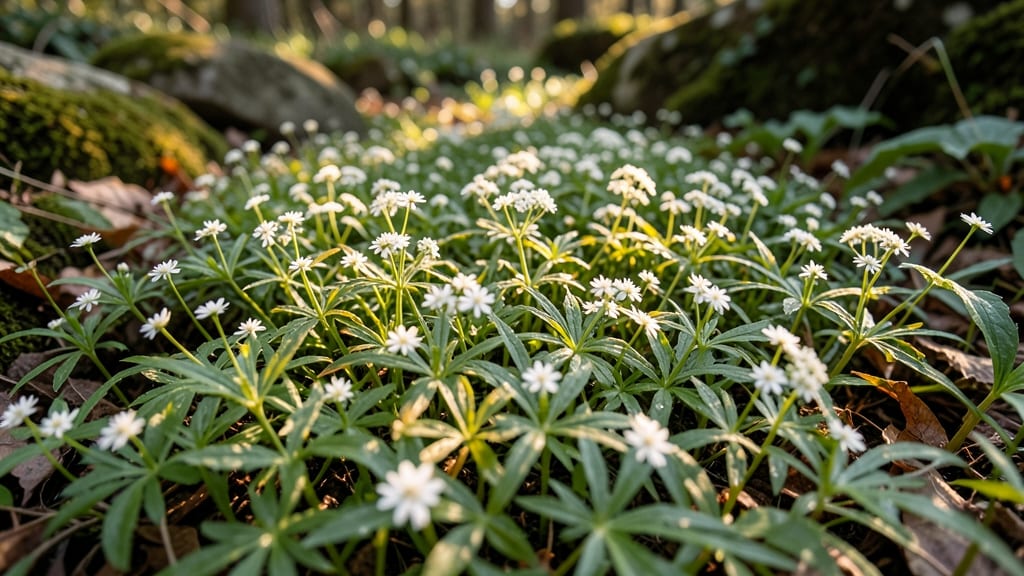
Looking for a fragrant ground cover that transforms your shady garden into a sensory experience? Sweet woodruff (Galium odoratum) delivers a vanilla-like aroma when its tiny white flowers are crushed, while its lush green leaves turn golden in autumn—a two-season show in one low-growing plant.
This hardy perennial thrives in deep shade to partial sun, making it perfect for understory planting, woodland gardens, or as a living mulch between stepping stones. It spreads quickly but stays contained, forming dense mats that suppress weeds while releasing its signature scent on warm days. Water moderately—it prefers moist but well-draining soil—and avoid over-fertilizing, as it flourishes in lean conditions.
Ideal for urban gardeners with shady patios or woodland enthusiasts, sweet woodruff adds both fragrance and texture without demanding attention. Pair it with ferns or hostas for a lush, ever-changing shade garden. ✨
Foamflower for Early Fall Blooms

When your garden feels like it’s taking a break in early fall, foamflower (Tiarella cordifolia) steps in with its ethereal, foam-like clusters of white or pink blooms that appear as summer fades. Unlike many shade plants that peter out in autumn, this woodland native thrives in the cooler months, creating a dreamy, airy display that feels like a soft blanket of clouds over your garden bed.
This self-seeding perennial loves moist, well-draining soil and partial to full shade, making it perfect for understory planting, woodland edges, or north-facing borders. Its heart-shaped leaves add texture year-round, while the delicate flowers attract early-season pollinators. Let it naturalize—it spreads gently to form lush, carpet-like ground covers that suppress weeds while adding seasonal interest. For best results, mulch lightly to retain moisture and divide clumps every few years to keep them vigorous.
Woodland gardeners and those with shady, damp spots will adore how foamflower bridges the gap between summer and fall color. It’s also a fantastic choice for container gardens or as an underplanting for taller shrubs, offering year-round appeal with minimal fuss. 🌿