
Light Requirements
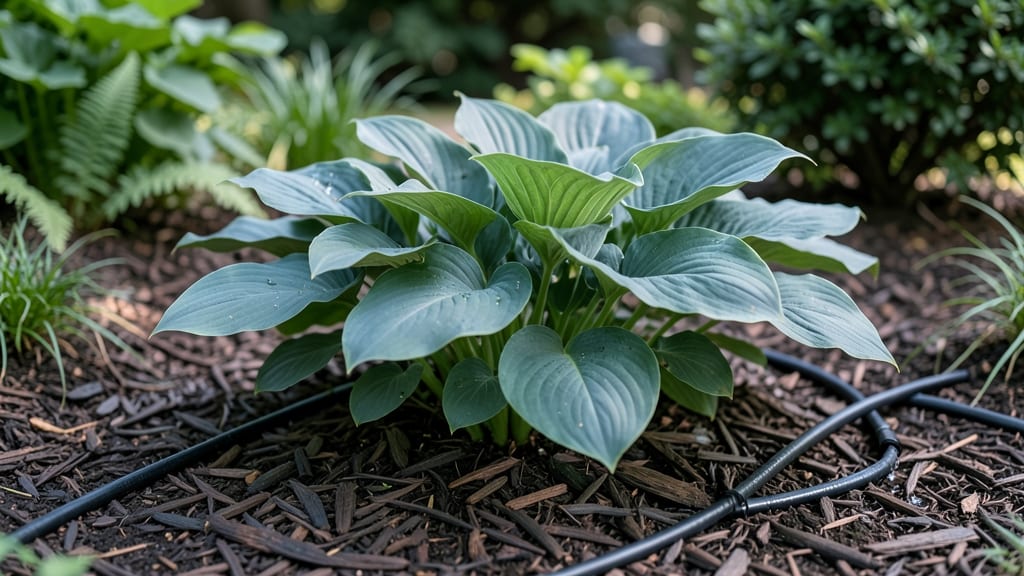
Shade for plants is essential to protect them from sunburn, excessive heat, and wilting, while promoting strong growth in tropical, young, or sensitive varieties. Opt for partial shade (like dappled sunlight) for most plants and deep shade (filtered light) for ferns or hostas, always matching the shade type to your plant's natural habitat and leaf coloring.
Shade isn't just about blocking sunlight—it's about creating the right environment for your plants to thrive. 🌿 For example, tropical plants like calatheas or philodendrons need consistent shade to prevent leaf scorch, while vegetables such as lettuce actually prefer partial shade during their hottest growth phases.
The key is observing how your plants respond: if leaves turn yellow or crisp at the edges, they're getting too much direct light. I've found that even container plants on patios benefit from afternoon shade in summer, especially in hotter climates where temperatures can spike after noon.
Another critical factor is understanding how shade affects photosynthesis. Plants in deep shade produce less chlorophyll, which is why their leaves often appear lighter green. This doesn't mean they're unhealthy—it's simply their adaptation to lower light conditions.
For gardeners, this means choosing shade-loving varieties like impatiens or astilbes for dark corners, while mixing in some partial-shade plants like coleus or heuchera for visual interest and flexibility in your garden design.
💡 In This Article
- How Different Shade Levels Affect Plant Health
- Choosing the Right Shade Solutions for Your Garden
How different shade levels affect plant health
Shade isn't just about reducing sunlight—it's about controlling light intensity to match a plant's natural growing conditions. Full sun plants like tomatoes thrive with 6+ hours of direct light, while shade plants may receive only 2-4 hours.
The critical factor is photosynthesis efficiency: plants in partial shade (30-50% sunlight) produce chlorophyll b, which helps them absorb lower light wavelengths, making their leaves appear lighter green. 🌱 This adaptation allows them to grow in dappled light conditions, like under mature trees.
Leaf color is your best indicator of shade needs. Dark green leaves typically signal a plant adapted to full sun, while variegated or pale green leaves often mean the plant prefers shade.
For example, hostas with their broad, waxy leaves thrive in deep shade (10-30% sunlight) because they've evolved to maximize photosynthesis in low-light conditions. The trade-off? They produce less energy, so they grow slower but stay healthier in bright, direct light.
Temperature plays a hidden role too. Shade reduces heat stress by lowering leaf surface temperatures by 10-15°F compared to full sun. This is why tropical plants like ferns or calatheas wilt or develop brown edges when exposed to afternoon sun—even if they get plenty of morning light.
The key is mimicking their native understory habitats where sunlight filters through tree canopies, creating that perfect dappled light effect.
For container gardeners, this means positioning pots where they receive morning sun and afternoon shade, especially in hot climates. I've noticed that even sun-loving herbs like basil prefer afternoon shade in summer, as temperatures above 90°F can cause them to bolt or develop bitter flavors.
The science here is simple: shade regulates temperature and moisture loss, keeping plants hydrated and stress-free.
What most gardeners don't realize is how shade affects root development. Plants in partial shade often develop shallower but more extensive root systems to capture available light, while deep shade plants grow deeper roots to access moisture.
This is why hostas and ferns spread aggressively underground—they're compensating for limited surface light. Understanding this helps you choose the right shade structure or companion plants to support your garden's specific needs.
Consider these shade categories when planning your garden:
- Deep shade (10-30% light): Ideal for ferns, hostas, and astilbes—plants that thrive under tree canopies or on north-facing walls
- Partial shade (30-50% light): Perfect for coleus, impatiens, and most vegetables during peak summer heat
- Dappled shade (50-70% light): Mimics forest conditions, great for tropical plants like calatheas and philodendrons
Remember, the right shade level isn't just about blocking light—it's about creating the perfect growing environment for your plants to flourish without stress. 💫