
Pests
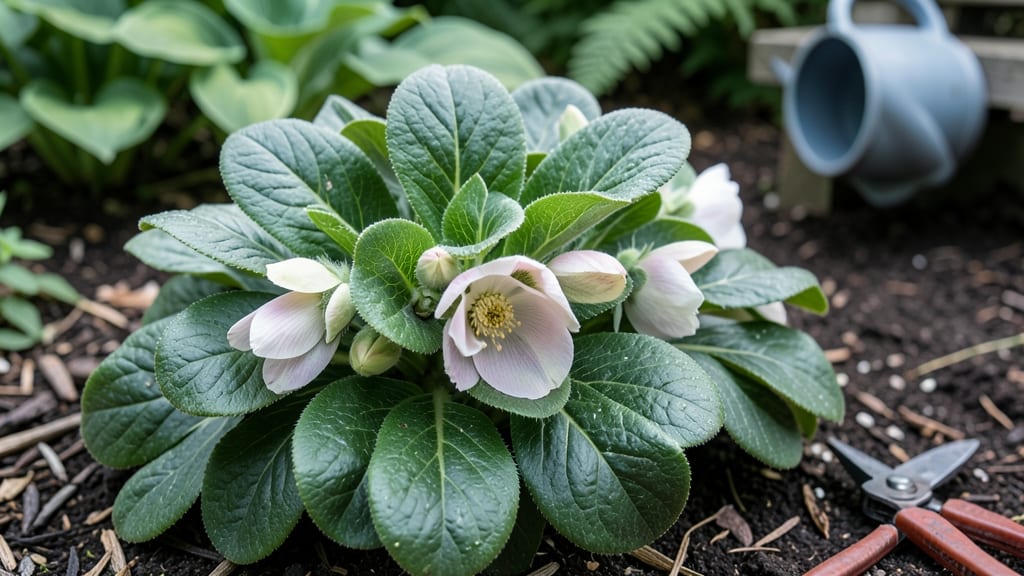
Shade gardens get a second chance with these rabbit-resistant perennials that thrive where others fail. 🌿 I’ve lost count of the hostas my bunnies turned into confetti, but these tough plants stand their ground—bold foliage, no fuss, and zero nibbling. The secret?
A mix of strong scents, fuzzy textures, and plants rabbits simply ignore. These aren’t just survivors; they’re showstoppers with deep purples, chartreuse hues, and architectural shapes that demand attention. Think heuchera with its velvety leaves or astilbe that blooms like feathered clouds—both rabbit-proof and perfect for dappled shade.
Even my skeptical neighbor’s garden (the one with the "nothing grows here" sign) now has a thriving border of these perennials. By layering them with ferns and carex, you create a living barrier that’s both beautiful and functional.
The key is mulching heavily—rabbits avoid thick, dry ground cover like it’s a no-parking zone. And if you’re worried about fences, these plants buy you time while you figure out permanent solutions. The best part?
These perennials spread over time, filling in gaps and crowding out weeds—no rabbit in sight. Whether you’re fixing a failed shade bed or designing a low-maintenance retreat, this is your go-to lineup. Let’s get planting!
📚 In This Guide
- What you need
- Instructions
- Tips and common mistakes
- Wrapping up and next steps
What you need
- ● Rabbit-resistant shade perennials (5–10 plants): Heuchera (Coral Bells) – 3–5 plants
- ● Hosta (with thick leaves, e.g., ‘Blue Angel’) – 4–6 plants
- ● Astilbe – 3–5 plants
- ● Lungwort (Pulmonaria) – 3–5 plants
- ● Fern varieties (e.g., Ostrich Fern, Japanese Painted Fern) – 4–6 plants
- ● Garden soil or potting mix: 1–2 bags (high-quality, well-draining)
- ● Compost or organic fertilizer: 1 bag (for nutrient boost)
- ● Mulch (shredded bark or pine needles): 1–2 bags (3–4 inches deep)
- ● Garden gloves & trowel
- ● Watering can or hose with gentle spray nozzle
- ● Rabbit repellent spray (e.g., Liquid Fence or Hot Pepper Wax)
- ● Chicken wire or protective fencing (if rabbits are persistent)
- ● Slow-release fertilizer tablets (for easy feeding)
- ● Decorative garden stones (to enhance aesthetics)
Step-by-Step guide to designing a rabbit-resistant shade garden
Here’s how to create a thriving shade garden that rabbits can’t resist not eating.
🌿 Step 1: Select the Right Perennials for Shade and Resistance
Start with perennials that naturally repel rabbits due to their strong scent, fuzzy texture, or bitter taste. My go-to choices include heuchera (with its velvety leaves), astilbe (feathery plumes rabbits avoid), and ferns like Ostrich fern or Japanese painted fern. These thrive in partial to full shade—meaning 2-6 hours of filtered light daily—and rabbits typically skip them entirely.
I always check the mature height and spread of each plant to ensure they’ll fill space without crowding. For example, heuchera stays compact (usually 12-18 inches tall), while astilbe can reach 2-3 feet and needs room to spread. Sketch a rough layout first to avoid overcrowding—rabbits are less likely to nibble when plants are healthy and spaced properly.
🪴 Step 2: Prepare the Soil for Shade-Loving Plants
Shade perennials need rich, well-draining soil with plenty of organic matter. Amend your existing soil with 3-4 inches of compost or aged manure to improve fertility and moisture retention. Since shade gardens can get soggy, I mix in 10-20% perlite or coarse sand to prevent compaction and root rot.
Test your soil’s moisture level before planting—shade perennials prefer soil that stays evenly moist but not waterlogged. If your garden drains poorly, consider raised beds or mounding soil to create better airflow at the roots. This step is critical because soggy soil stresses plants, making them more vulnerable to rabbit damage.
💧 Step 3: Plant with Rabbit Deterrents in Mind
Plant your perennials in clusters of 3-5, spacing them 12-24 inches apart depending on their mature size. This creates a dense, unappealing barrier that rabbits avoid. I also interplant strongly scented herbs like mint, thyme, or lavender at the edges—rabbits dislike their fragrance and will steer clear.
Add a 1-2 inch layer of mulch (like pine needles or cedar chips) around each plant. Cedar mulch, in particular, repels rabbits naturally due to its scent. Keep mulch 2-3 inches away from stems to prevent rot, and water deeply after planting to settle the soil. Avoid overhead watering, as wet foliage attracts pests that rabbits might target.
✂️ Step 4: Maintain with Rabbit-Proofing Strategies
Regularly prune back dead or yellowing leaves to keep plants vigorous and less appealing to rabbits. I also rotate plantings seasonally—for example, adding winter aconite in fall for early spring color—so rabbits never get bored with the same menu. A diverse garden is less tempting than a monoculture.
Install physical barriers like chicken wire (12-18 inches tall) or flexible fencing around young plants until they establish strong root systems. For mature gardens, repellent sprays (like hot pepper wax) applied every 2-3 weeks can deter rabbits without harming your plants. Always reapply after rain.
☀️ Step 5: Monitor and Adjust for Long-Term Success
Check your garden weekly for new rabbit activity, such as chewed leaves or fresh droppings. If you spot damage, reinforce deterrents immediately—rabbits learn quickly and will return if they find easy meals. I keep a journal of rabbit sightings to track patterns and adjust my approach.
Finally, rotate plants every 3-5 years to prevent soil depletion and maintain vigor. For example, swap out heuchera for hostas (which are also rabbit-resistant when mature) to keep the garden dynamic. A well-maintained, diverse shade garden will thrive—and rabbits will move on to easier targets.
Tips & tricks for creating a thriving shade garden rabbits avoid
Here's what I've learned after years of testing which plants truly repel rabbits while thriving in shade.
Plant Selection Wisdom: When choosing your shade perennials in Step 1, prioritize plants with fuzzy or hairy leaves—rabbits instinctively avoid these textures. Beyond the recommended heuchera and ferns, consider adding lamb's ear (Stachys byzantina) or coral bells (Heuchera) varieties with silvery foliage. These plants not only deter rabbits but also add stunning visual contrast to your shade garden. The key is selecting varieties that mature within the 12-36 inch height range to create that dense, unappealing barrier rabbits seek to avoid.
Soil Preparation Secret: In Step 2, don't just amend your soil—test it first. I use a simple moisture test by pressing my finger into the soil: if it feels damp but not soggy, your soil is ready. For heavy clay soils common in shade areas, I recommend adding 20% perlite rather than sand to improve drainage without compacting. This creates the ideal environment where your shade plants will establish strong root systems that rabbits can't easily uproot. Pro tip: Mix in a handful of mycorrhizal fungi with your compost to boost root development.
Mulching Mastery: The mulch layer in Step 3 deserves special attention. While cedar chips work wonders, I've found that wood chips from fruit trees (like apple or cherry) provide even better rabbit deterrence. The scent confuses rabbits' territorial instincts. Apply the 1-2 inch layer immediately after planting and water thoroughly to settle it. For extra protection, I create a 2-inch wide barrier of mulch around the entire garden perimeter—this creates a scent boundary that rabbits won't cross.
Long-Term Maintenance Strategy: For Step 5's rotation plan, I recommend creating a plant inventory chart that tracks each variety's growth cycle. This helps you visualize which plants will need replacing when. For example, heuchera typically lasts 4-5 years before showing decline, while ferns may need replacement every 3 years. By planning your rotations in advance, you maintain that crucial diversity that keeps rabbits confused and your garden thriving.
Pro Tips for Rabbit Resistant Shade Perennials
- Here's what I've learned after years of testing which plants truly repel rabbits while thriving in shade.
- Plant Selection Wisdom: When choosing your shade perennials in Step 1, prioritize plants with fuzzy or hairy leaves—rabbits instinctively avoid these textures.
- Soil Preparation Secret: In Step 2, don't just amend your soil—test it first.
Frequently asked questions
Got questions about keeping your shade garden rabbit-free while keeping it lush and thriving? Here are some of the most common concerns—and their answers!
What are the most rabbit-resistant shade perennials for beginners?
Start with heuchera (coral bells), lamium (dead nettle), or astilbe—all tough, leafy plants rabbits typically avoid. Hosta varieties with fuzzy or variegated leaves (like ‘Blue Angel’) also deter nibbling. Pro tip: Pair them with fragrant herbs like mint or lavender to mask garden scents that attract rabbits!
When is the best time to plant these perennials to avoid rabbit damage?
Plant in early spring or fall when rabbits are less active. Avoid late spring/early summer when young shoots are tender. Bonus: Use compost or mulch to protect roots while plants establish. If planting in summer, water deeply at dusk to deter hungry bunnies lurking at dawn!
Are fences the only way to protect shade perennials from rabbits?
Nope! Try physical barriers like chicken wire (buried 6 inches deep) or plastic tree guards around young plants. Repellents like hot pepper spray (reapply after rain) or commercial granules (with thujone) also work. Pro tip: Rotate methods to avoid rabbit adaptation!
What should I do if rabbits still eat my shade perennials?
First, identify damage: Ragged edges = rabbits; clean cuts = deer. Immediate fixes:
- Sprinkle dried blood meal (high-nitrogen fertilizer) around plants—rabbits dislike the smell.
- Use motion-activated sprinklers (like ScareCrow) to startle them.
- Hand-pick rabbits humanely at dawn/dusk with a trap and release kit.
For severe cases, replant with rabbit-proof alternatives like ferns or foamflower (Tiarella).
Can I mix rabbit-resistant perennials with shade-loving veggies?
Plant heuchera or lamium around lettuce or spinach—rabbits often avoid the bold foliage. Key combo: Astilbe (rabbit-resistant) + kale (edible but less appealing when surrounded by fuzzy leaves). Warning: Avoid hostas near veggies; their scent can attract pests!
Wrapping up and next steps
Transforming your shady garden into a rabbit-resistant haven is easier—and prettier—than you think! With the right perennials, you can enjoy lush foliage and vibrant blooms without the worry of nibbling bunnies or harsh sunlight demands.
Whether you’re drawn to the bold leaves of heuchera or the delicate charm of astilbe, these plants prove that shade gardens can be both stunning and resilient.
Ready to take the next step? Start small—pick one or two plants to test in your garden, then expand as you see what thrives. Happy planting! 🌿🐰🚫