
Companion Plants
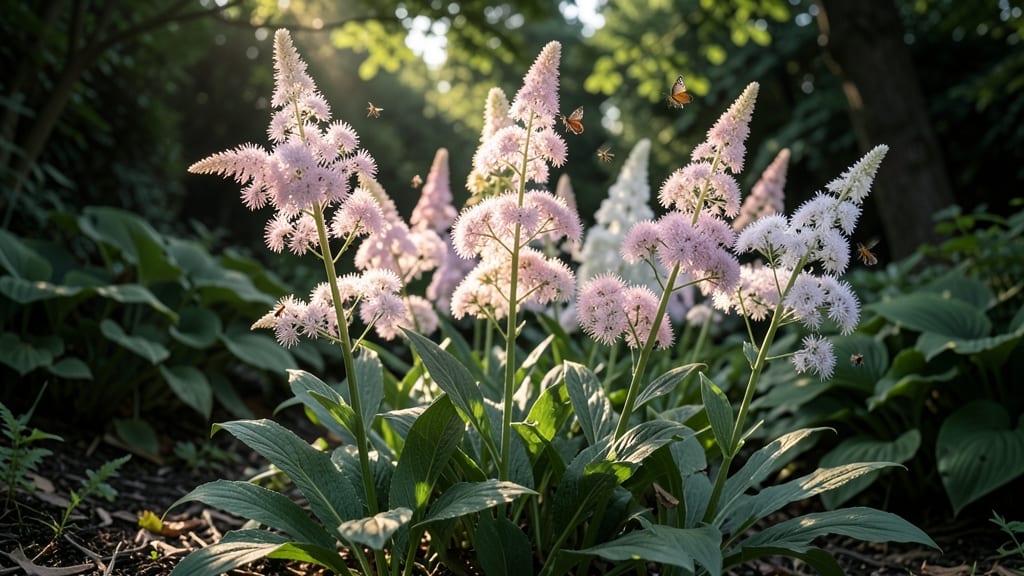
Struggling with a dark corner or shady garden spot? These seven shade-loving plants thrive where others fail, offering lush foliage, vibrant blooms, and minimal care—perfect for transforming neglected spaces into verdant havens.
Hostas for Low-Maintenance Evergreen Foliage
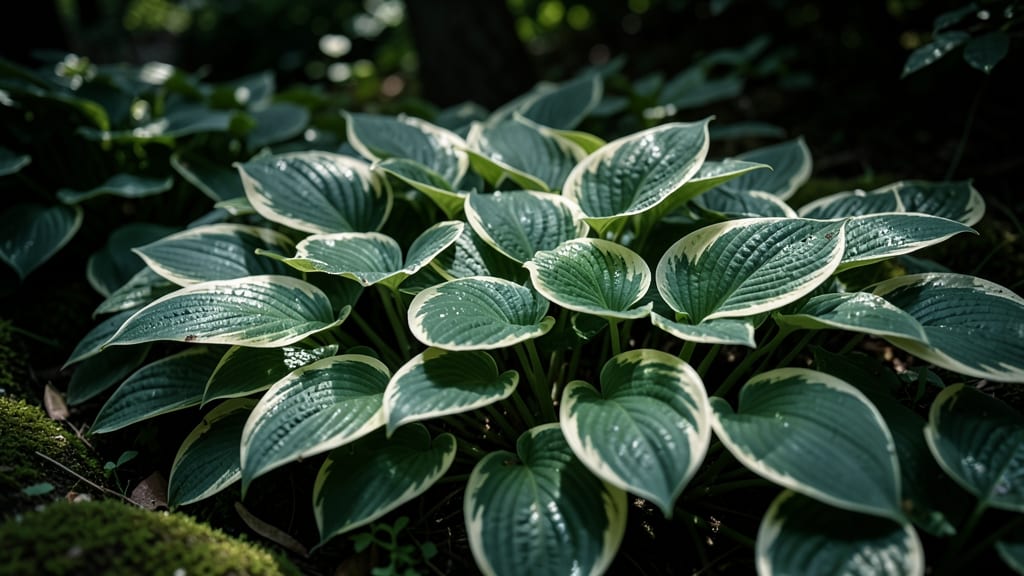
If you’ve ever walked past a shady spot in your garden and wondered what to plant there, hostas are your answer. These hardy perennials thrive in deep shade or partial sun, delivering bold, variegated foliage that stays vibrant even when sunlight is scarce. Unlike fussy plants, hostas demand almost no attention—just consistent moisture and well-draining soil.
With over 3,000 varieties, you can choose blue-green, gold, or white-striped leaves> to match your garden’s aesthetic. They’re also deer-resistant, making them ideal for rural or suburban areas. Plant them in clusters under trees or along north-facing walls for a lush, evergreen backdrop that never fades. 💚
Ferns for Lush, Textured Ground Cover
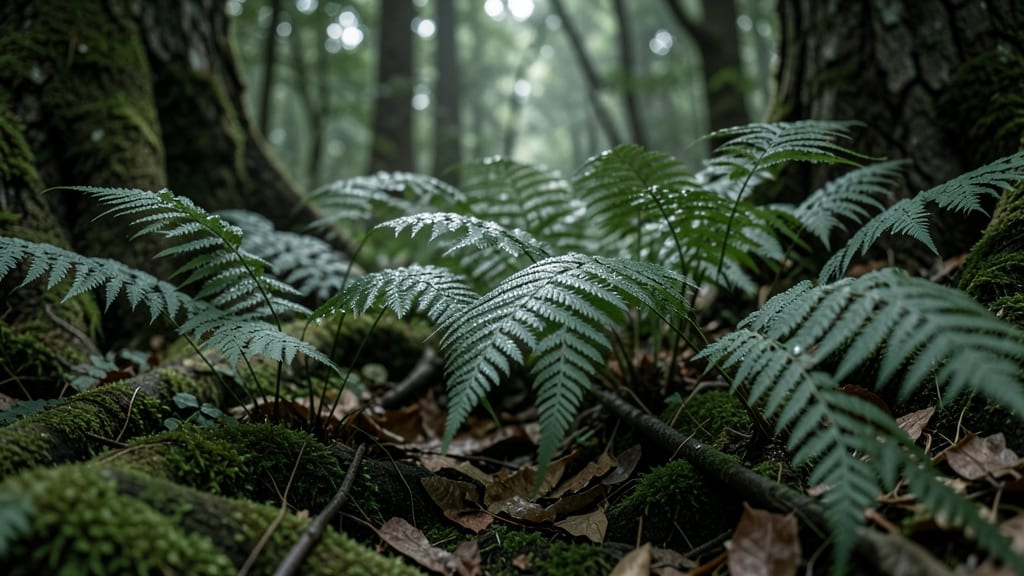
Turn your deepest, darkest garden corners into a serene retreat with ferns—nature’s built-in air purifiers that thrive where sunlight barely reaches. Unlike hostas, which focus on bold foliage, ferns bring delicate, feathery texture that softens borders and woodland gardens without stealing the show from other plants.
Varieties like maidenhair fern (with its lace-like fronds) or Japanese painted fern (with striking purple stems) grow best in moist, well-draining soil and 6+ hours of shade daily. They’re ideal for understory planting, where their air-purifying qualities help filter pollutants while adding a tropical, lush vibe to shady spots. Mulch lightly to retain moisture—these ferns hate drying out.
Perfect for gardeners who love low-maintenance elegance, ferns also deter pests naturally, making them a smart choice for organic gardens. Their fine texture contrasts beautifully with bolder foliage like hostas or heucheras. 🌿
Caladiums for Bold Tropical Accents
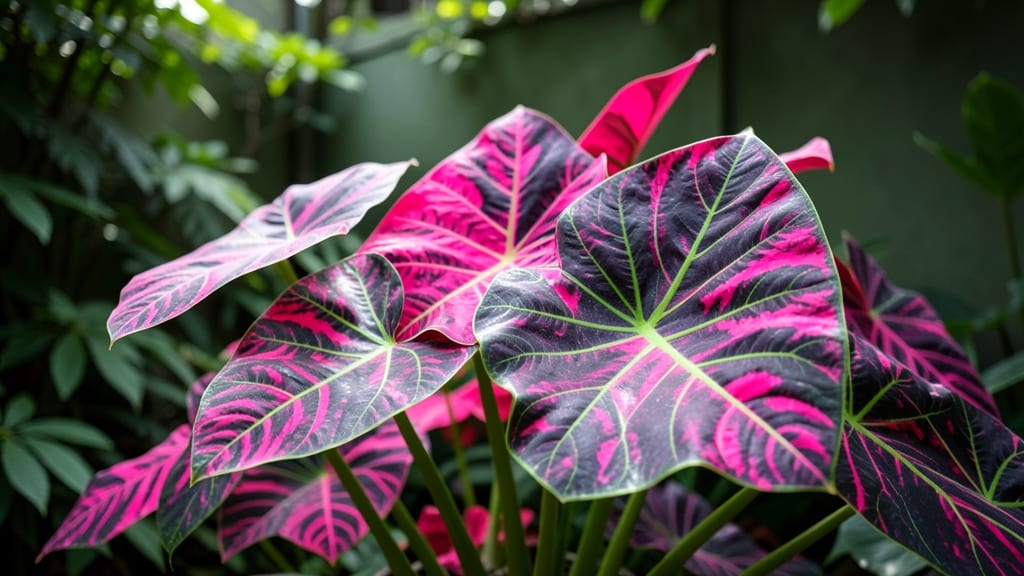
Tired of dull, green-only shade gardens? Caladiums inject instant drama with their painted-leaf patterns—think neon pinks, deep purples, and lime-green veins—that thrive where most plants fade. These tropical darlings need only bright, indirect light (like a north-facing window or under a tree canopy) to deliver summer-long color without a single bloom.
For best results, plant them in well-draining, moist soil mixed with compost—caladiums love humidity but hate soggy roots. Group them in clusters of 3-5 for maximum impact, and mulch heavily to preserve moisture. They’re perfect for containers on patios or as indoor statement plants near bathrooms (where humidity is naturally higher). Just remember: they’re tender perennials, so treat them as annuals in colder zones.
Urban gardeners and renters will love caladiums—they’re low-maintenance and pack a punch in small spaces. Swap them out yearly for fresh colors, or overwinter tubers indoors for repeat performances. 🌻
Heucheras for Year-Round Colorful Leaves
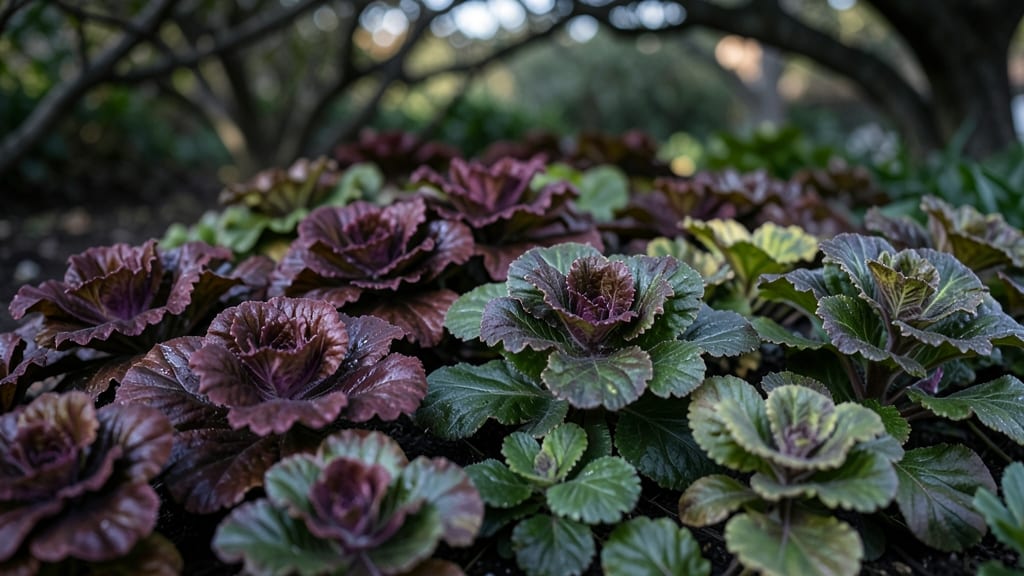
Tired of shade gardens that look dull and lifeless? Heucheras (or coral bells) are the unsung heroes of low-light spaces, offering year-round foliage color that outshines any seasonal blooms. These perennials thrive in dry shade where most plants struggle, with varieties ranging from deep burgundy to lime green—no flowers required for drama.
Plant them in well-draining soil and water only when the top inch feels dry, as they’re surprisingly drought-tolerant. Their compact size (12-18 inches tall) makes them perfect for container gardens, borders, or woodland edges. The real magic? Their leaves change color with the seasons—silver turning pink in winter, deep greens shifting to burgundy in fall.
Urban gardeners and busy plant parents will love how heucheras demand almost no attention while delivering constant visual interest. Pair them with ferns or hostas for a foolproof shade combination. 💚
Impatiens for Bright Summer Blooms
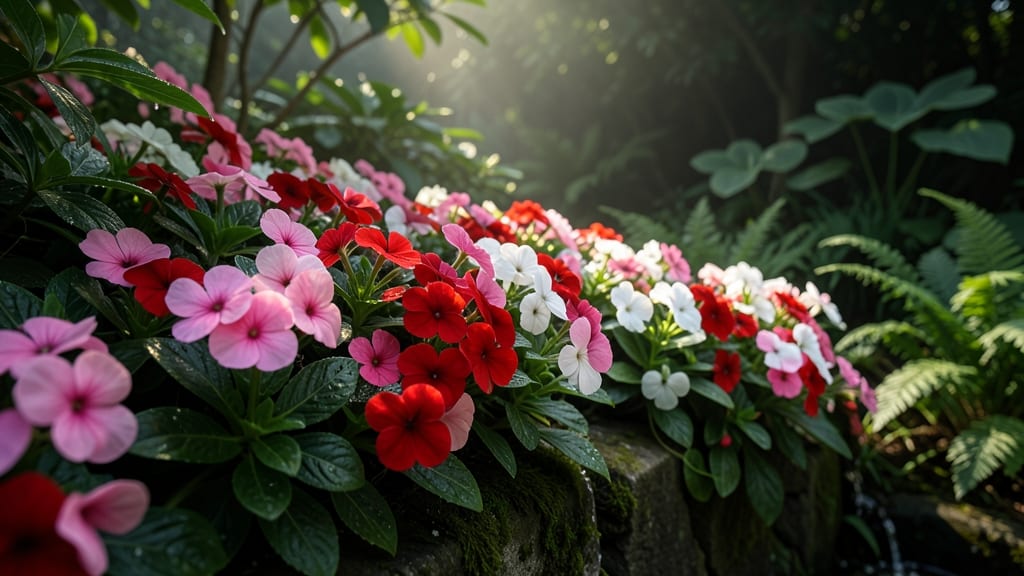
Transform even the darkest corners of your garden into a burst of color with impatiens, the ultimate shade-loving annual. Unlike ferns or hostas, impatiens don’t just survive in low light—they thrive, producing nonstop blooms in pink, red, or white from spring until frost. Their secret? These flowers evolved to flourish where others fail, making them perfect for hanging baskets or window boxes that never see direct sunlight.
For best results, plant impatiens in well-draining, moist soil and keep them consistently watered—they wilt quickly when dry. Deadhead spent blooms to encourage even more flowers, and fertilize lightly every 2-3 weeks for maximum vibrancy. Their trailing habit makes them ideal for vertical spaces, adding a cascading waterfall effect to patios or balconies where sunlight is scarce.
Urban gardeners and balcony dwellers will love how impatiens deliver instant summer cheer with minimal effort. Just remember: they’re annuals, so treat them as a seasonal splurge worth repeating every year. 🌷
Astilbes for Feathery Plumes in Partial Shade
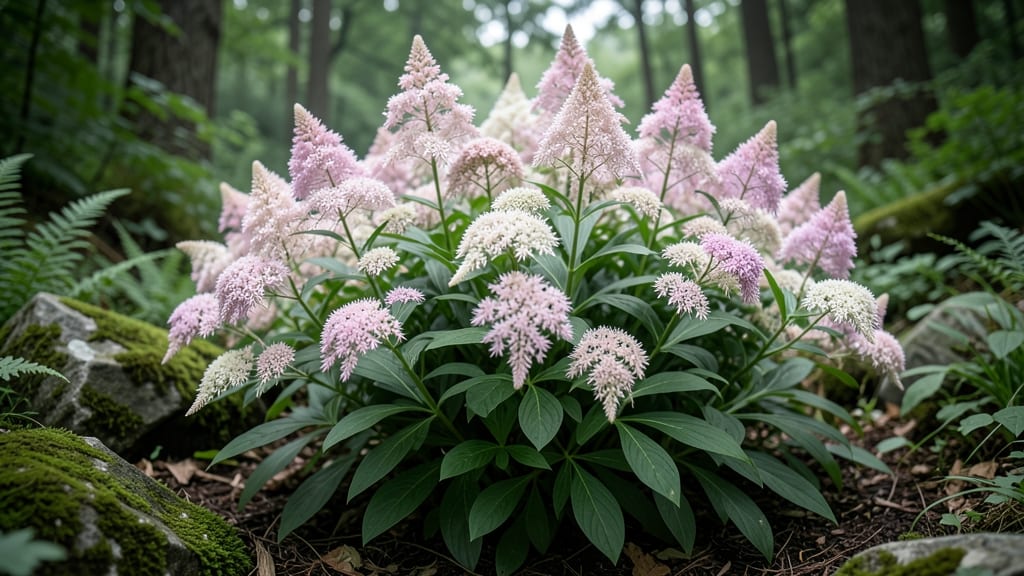
Want to add height and drama to your shade garden without the fuss? Astilbes bring feathery plumes in soft pinks, whites, and purples that dance in the breeze—perfect for borders or woodland gardens where sunlight is scarce. Unlike fussy annuals, these perennials return year after year with minimal care, making them ideal for busy gardeners.
Thriving in partial shade (3-6 hours of sunlight), astilbes love moist, well-draining soil—think of them as the shade garden’s version of a thirsty friend. Deadhead spent blooms to encourage more flowers, and divide clumps every 3-4 years to keep them vigorous. Their arching stems (18-36 inches tall) create stunning vertical interest, especially when planted in odd-numbered groups for natural balance.
Perfect for beginner gardeners and woodland enthusiasts, astilbes pair beautifully with ferns, hostas, and heucheras for a lush, layered look. Their late-summer blooms also attract pollinators, making them a low-maintenance, eco-friendly choice. 🌷
Snake Plants for Nearly Indestructible Indoor Shade
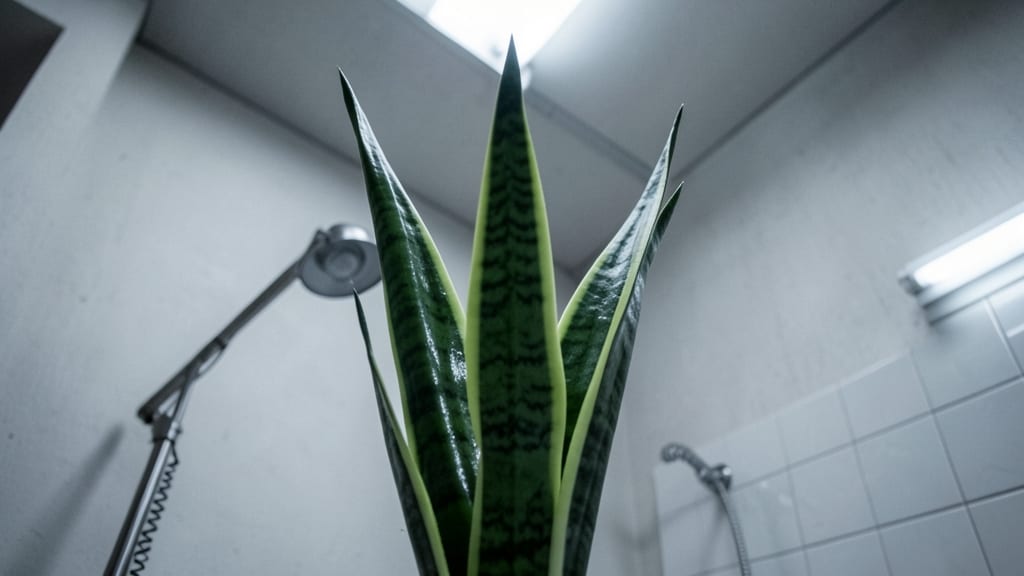
Forget the "I killed my plant" guilt—snake plants (sansevieria) are the ultimate zero-effort indoor survivors that thrive in spaces where even ferns struggle. These architectural wonders grow beautifully under fluorescent lights, in windowless offices, or tucked into bathroom corners where most plants would wither in protest.
They’re not just tough—they’re air-purifying superstars, filtering toxins like formaldehyde and benzene while releasing oxygen at night. Water them only every 4-6 weeks (yes, really), and they’ll reward you with striking upright leaves in shades of green, yellow, or variegated patterns. Place one near your bed for cleaner air or on your desk for a pop of modern greenery that never demands attention.
Perfect for new plant parents, apartment dwellers, or anyone with a dark corner, snake plants are the ultimate "set it and forget it" houseplant that actually gets better with age. 💚